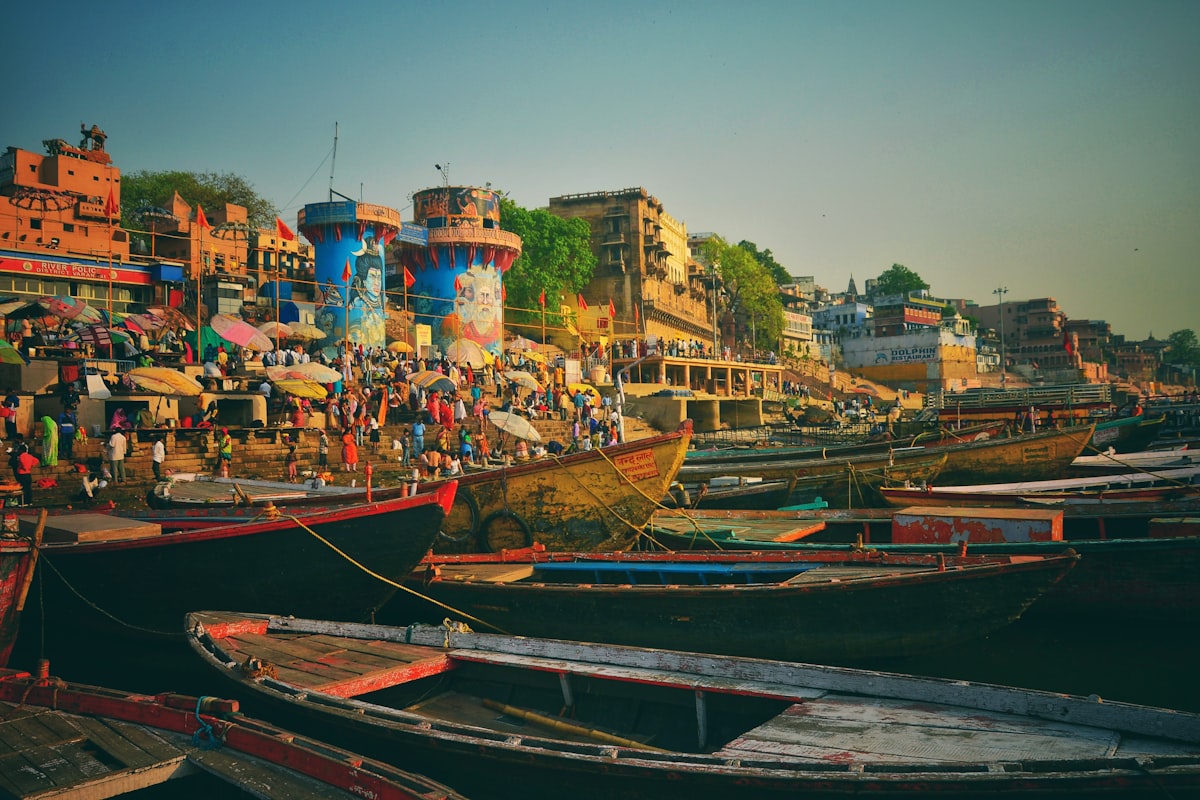
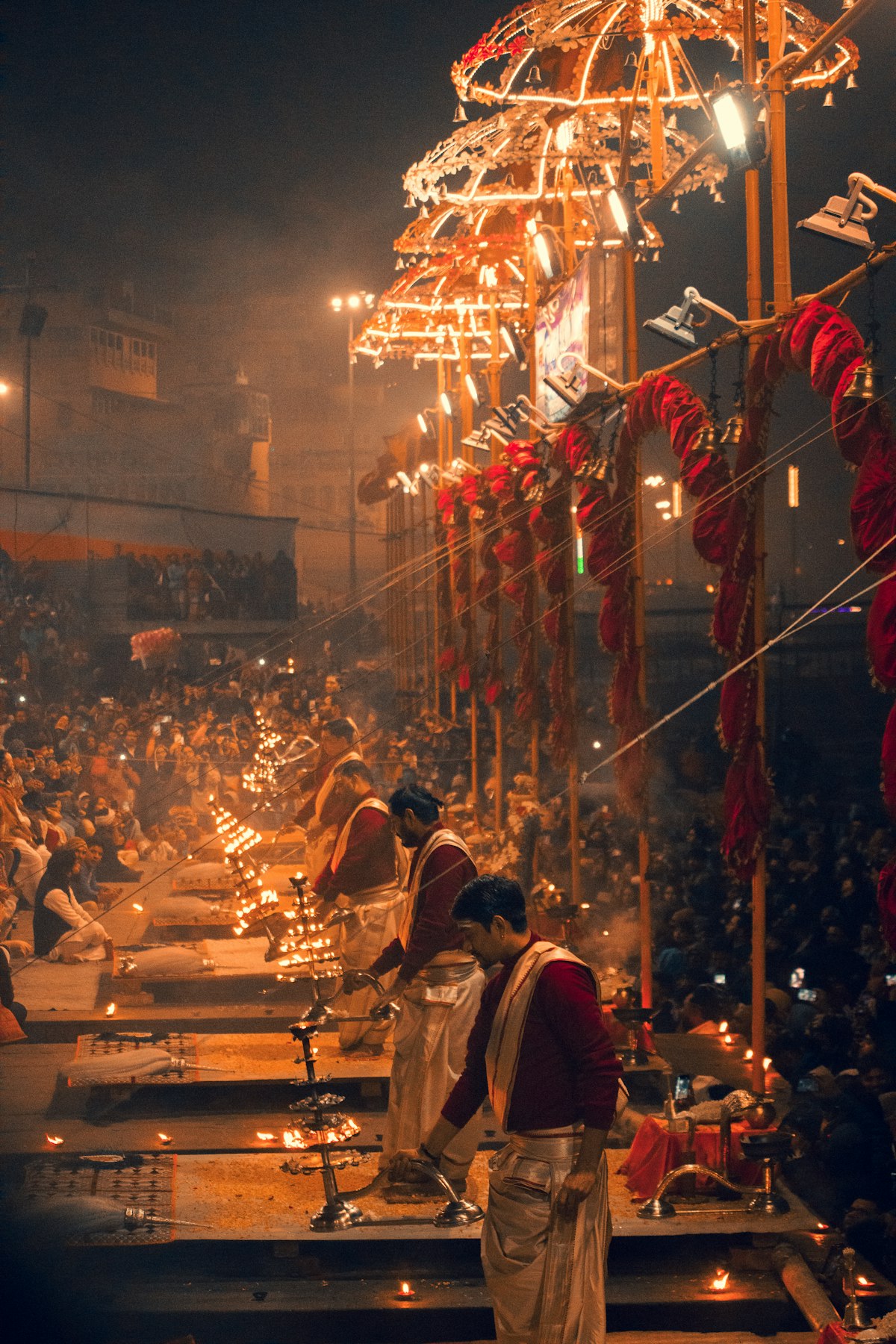
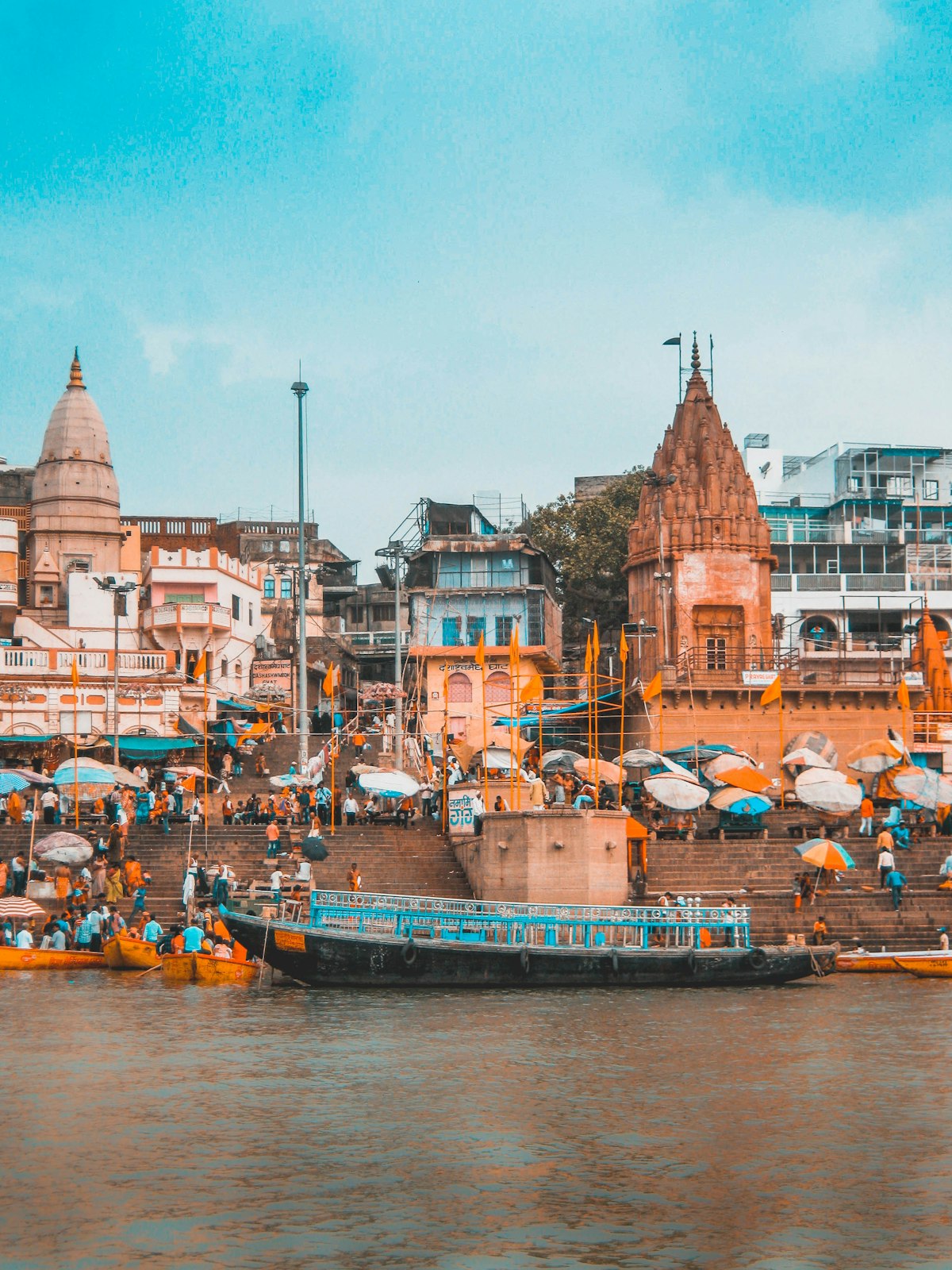
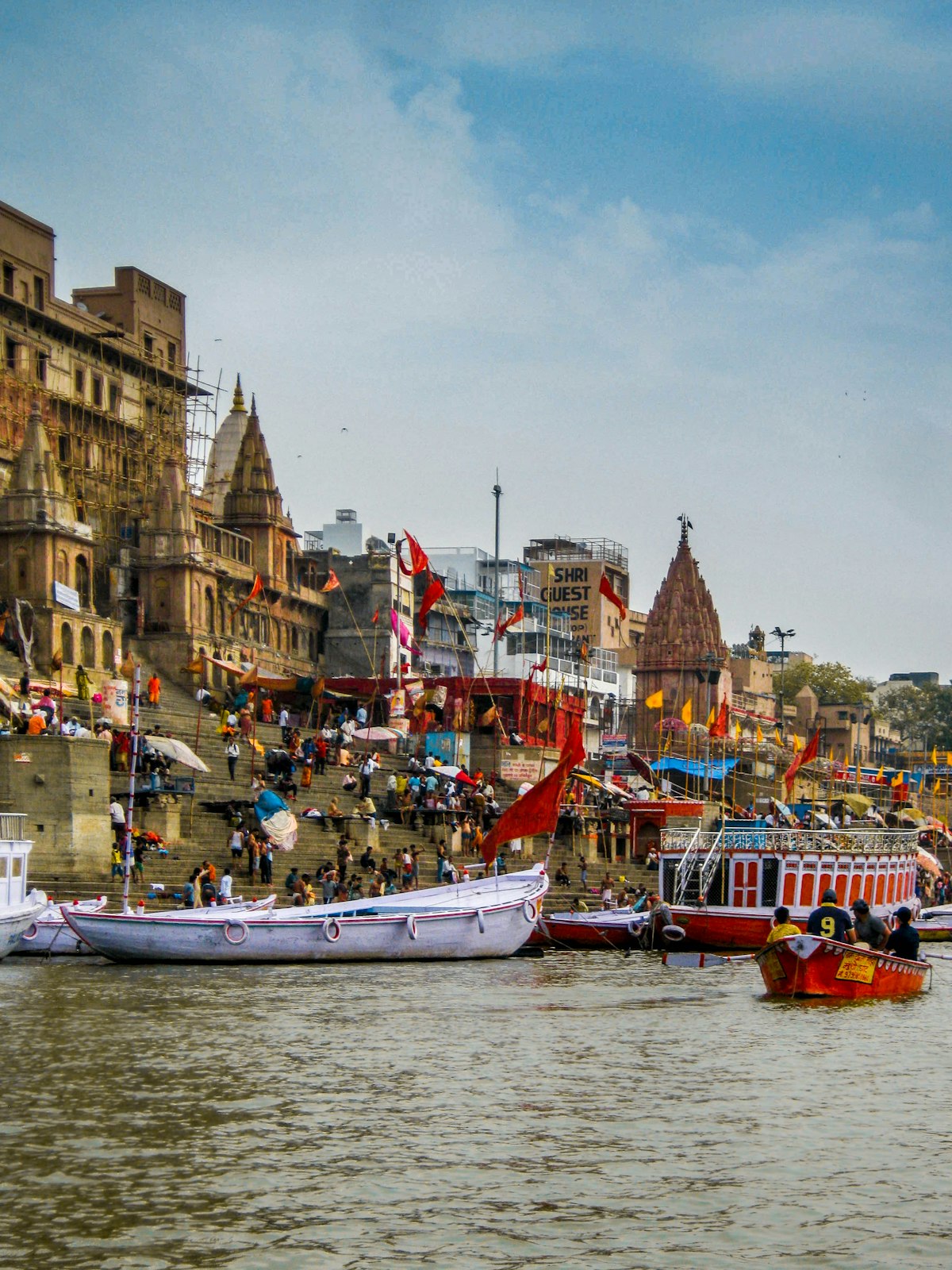
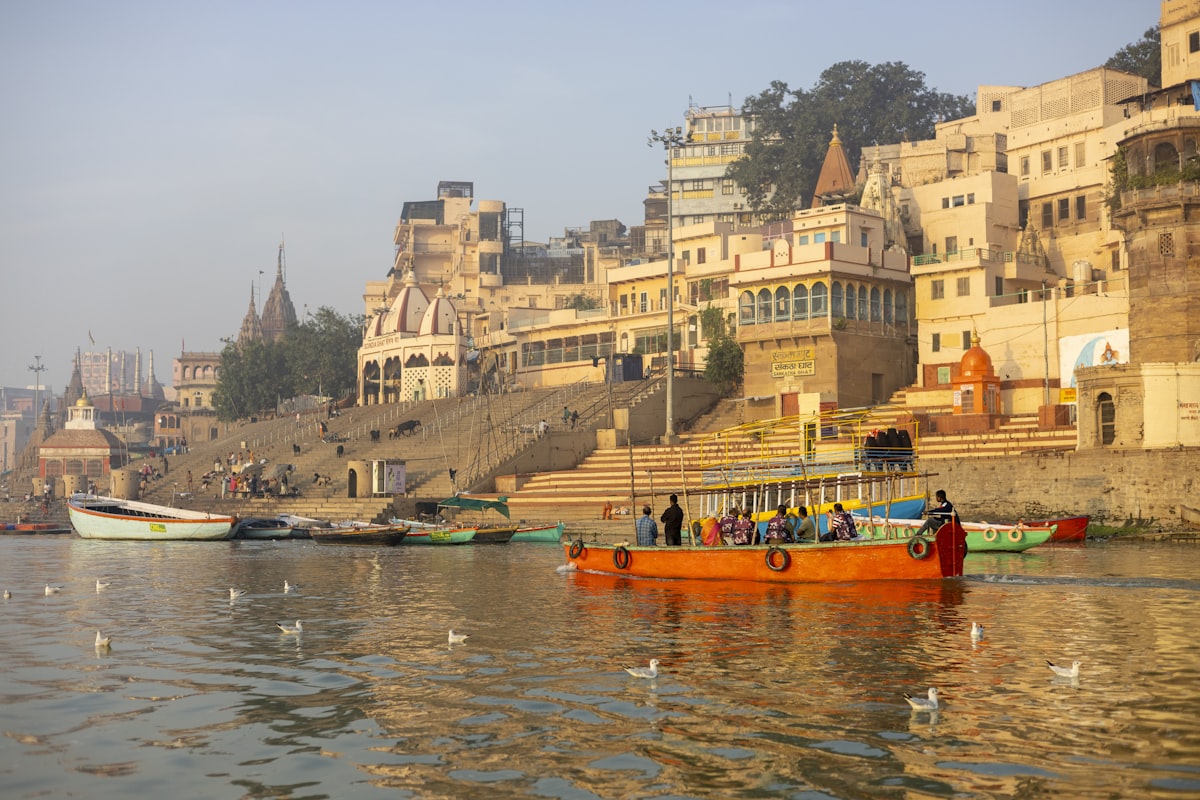
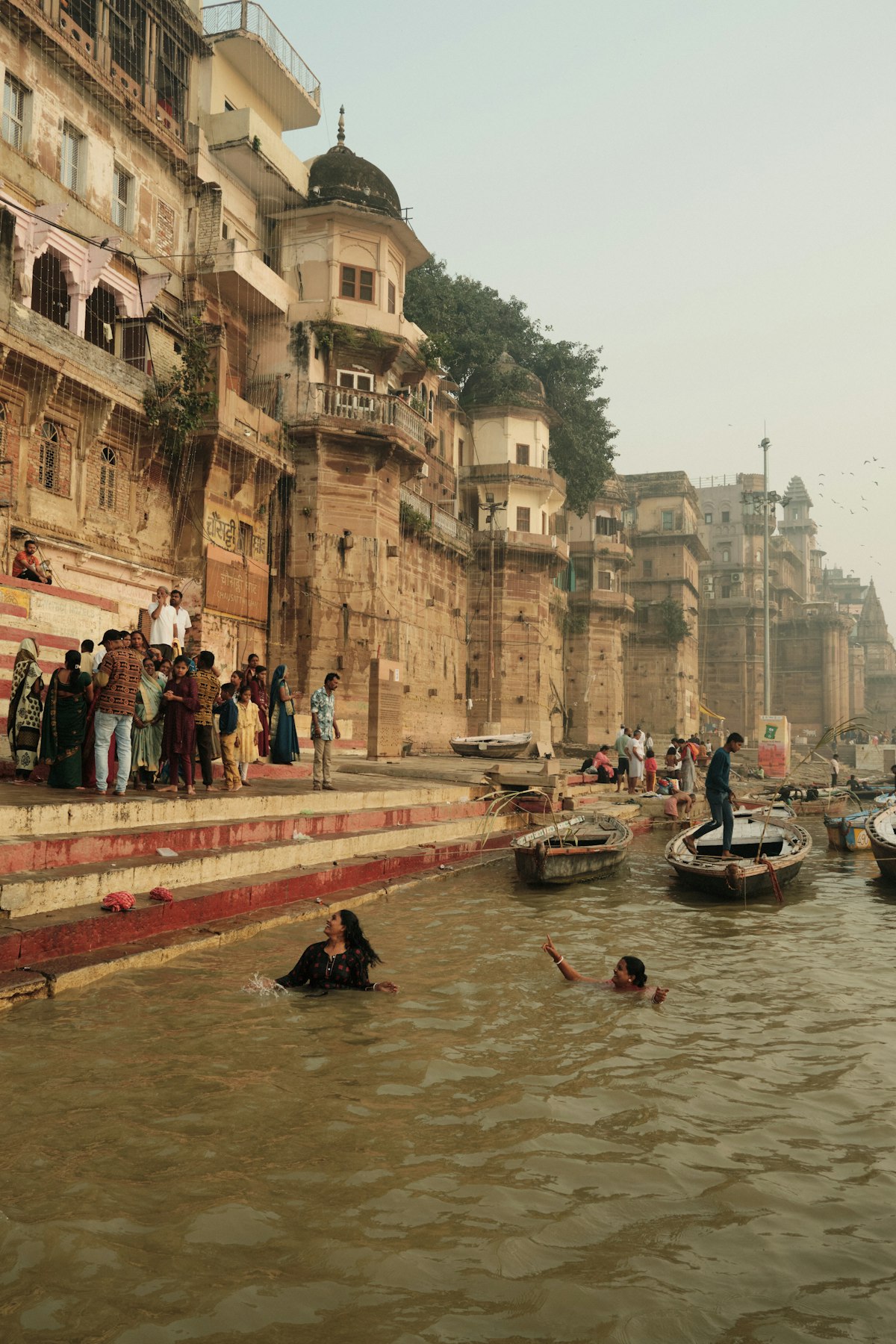
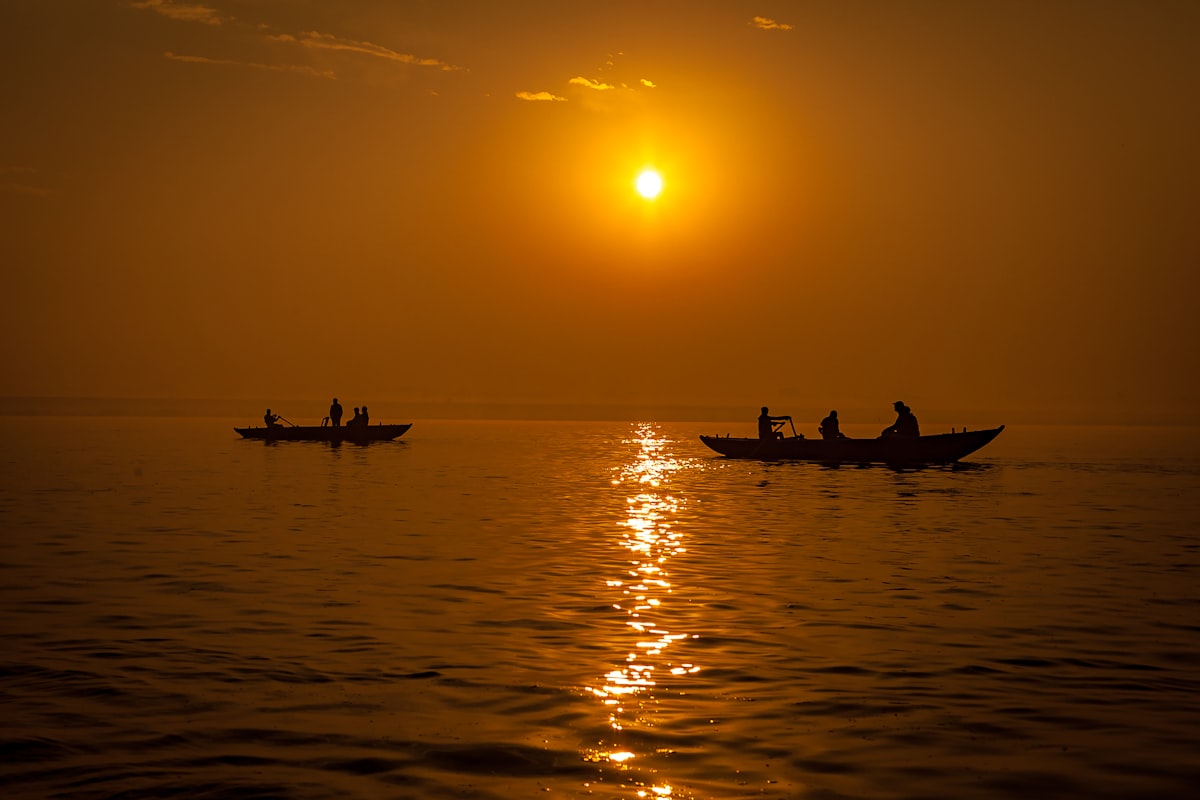
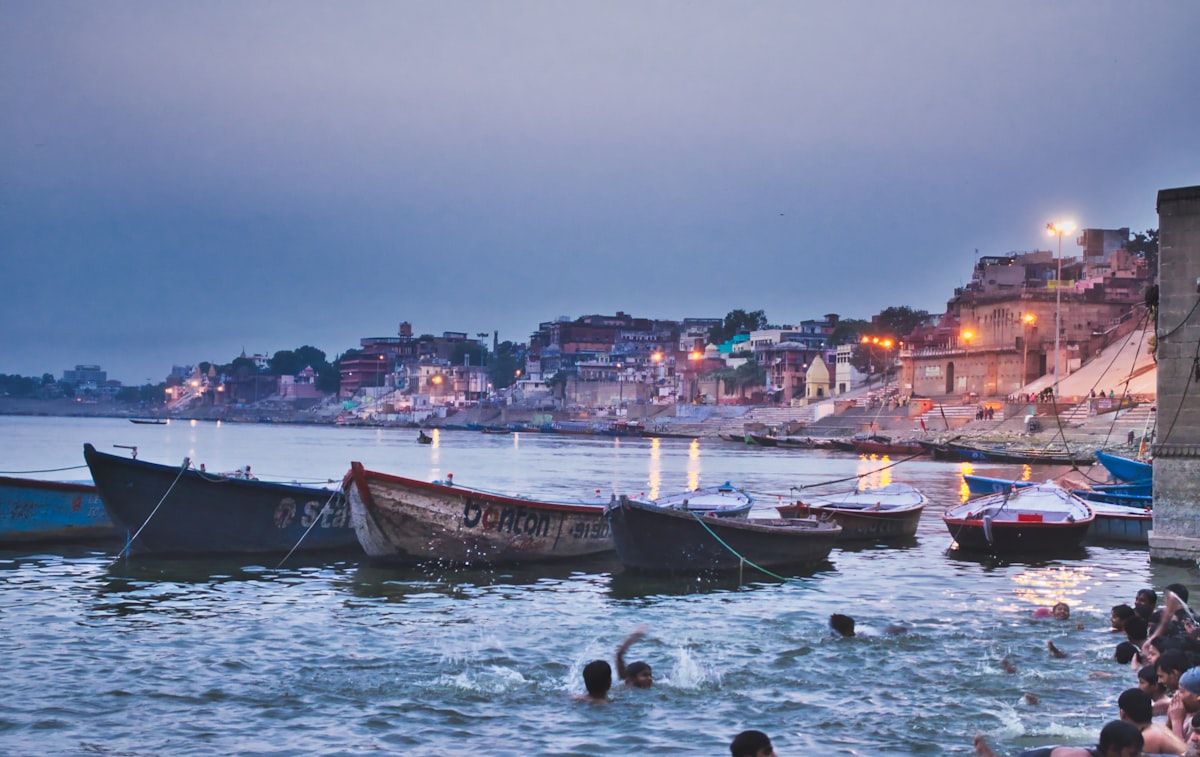
Showing: Feb · Unsplash / Unsplash
India · Asia Pacific
Best time to visit Varanasi
February
Feb scores highest overall — reliable weather and good value. Set your priorities below to personalise this result.
What matters most to you?
All 12 months — click any to expand
Feb
Unsplash / Unsplash
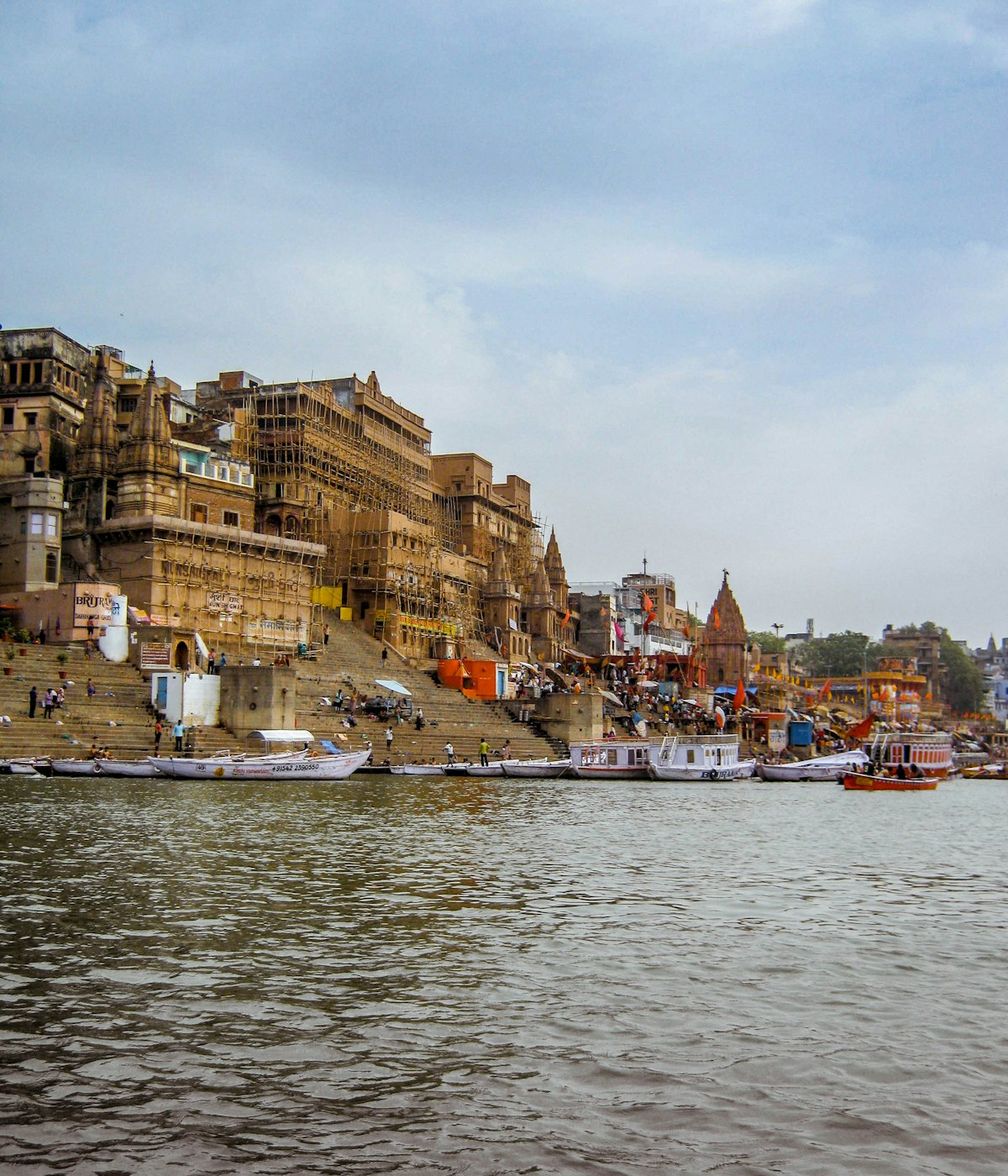
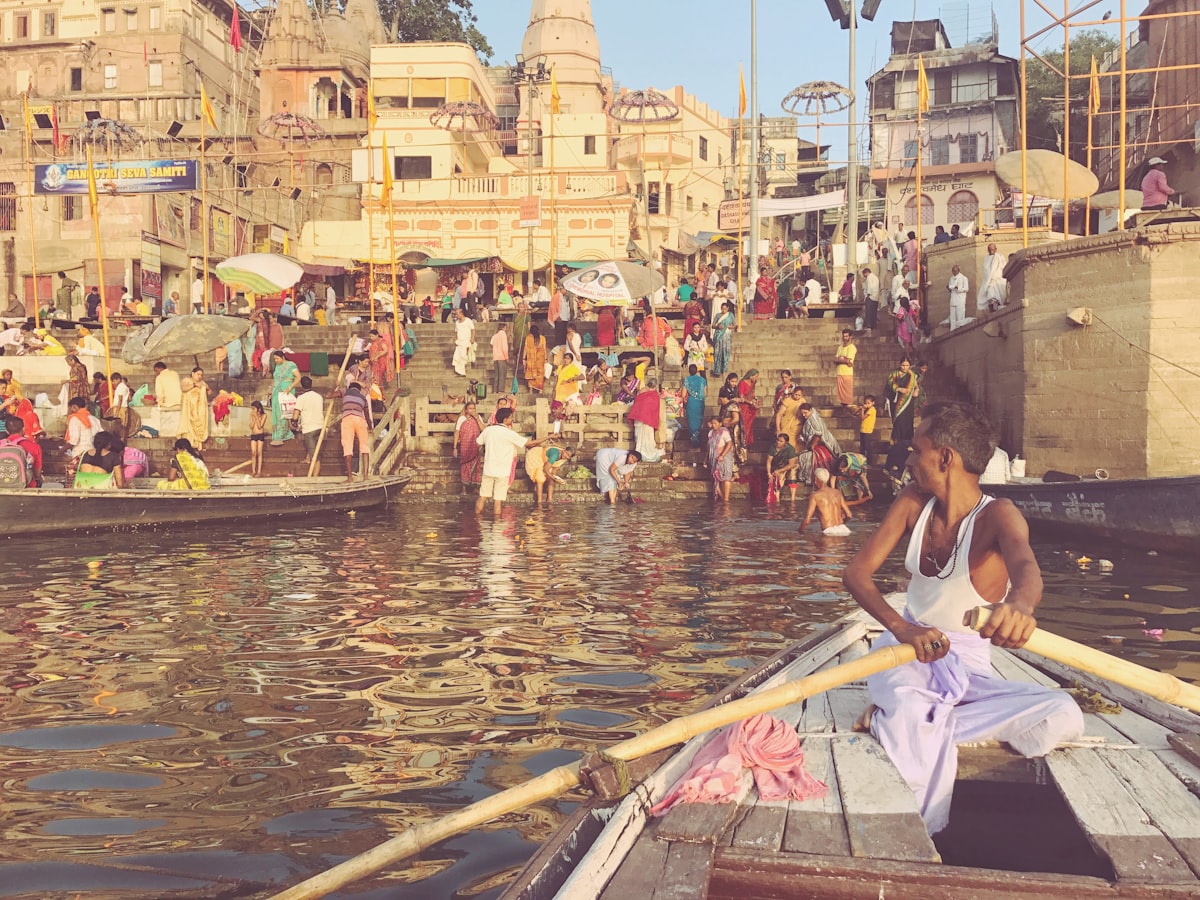
Maha Shivaratri pilgrim crush in late Feb/early Mar — Varanasi's most intense religious event.
27°C
High
12°C
Low
18mm
Rain
8.6h
Sun/day
What you gain
- ↑Maha Shivaratri all-night Shiva worship around Vishwanath Temple
- ↑Comfortable 27°C / 12°C, lowest humidity
- ↑Clear skies, sharp photography light
What you sacrifice
- ↓Pilgrim numbers can quadruple in the festival week
- ↓Old City lanes get dangerously packed during processions
Feb scores highest overall — reliable weather and good value. Set your priorities below to personalise this result.
Feb
Maha Shivaratri pilgrim crush in late Feb/early Mar — Varanasi's most intense religious event.
27°C
High
18mm
Rain
8.6h
Sun
- ↑Maha Shivaratri all-night Shiva worship around Vishwanath Temple
- ↑Comfortable 27°C / 12°C, lowest humidity
- ↑Clear skies, sharp photography light
- ↓Pilgrim numbers can quadruple in the festival week
- ↓Old City lanes get dangerously packed during processions
Top travel windows
★ BestFebruary
Best overall
Highest combined score
27°C
High
18mm
Rain
8.6h
Sun
July
Best for value
Lowest prices & fees
34°C
High
298mm
Rain
5.5h
Sun
July
Fewest crowds
Quietest month
34°C
High
298mm
Rain
5.5h
Sun
Breakdown by priority
Best for weather
November
28°C high · 8mm rain · 8.7hrs sun/day
Best for budget
July
Heat broken, daytime down to 34°C
Fewest crowds
July
Lowest tourist numbers of the year
Worst time to visit
May
Heatstroke is a real risk, midday outdoor sightseeing impossible
Where to stay in Varanasi
All neighbourhoods →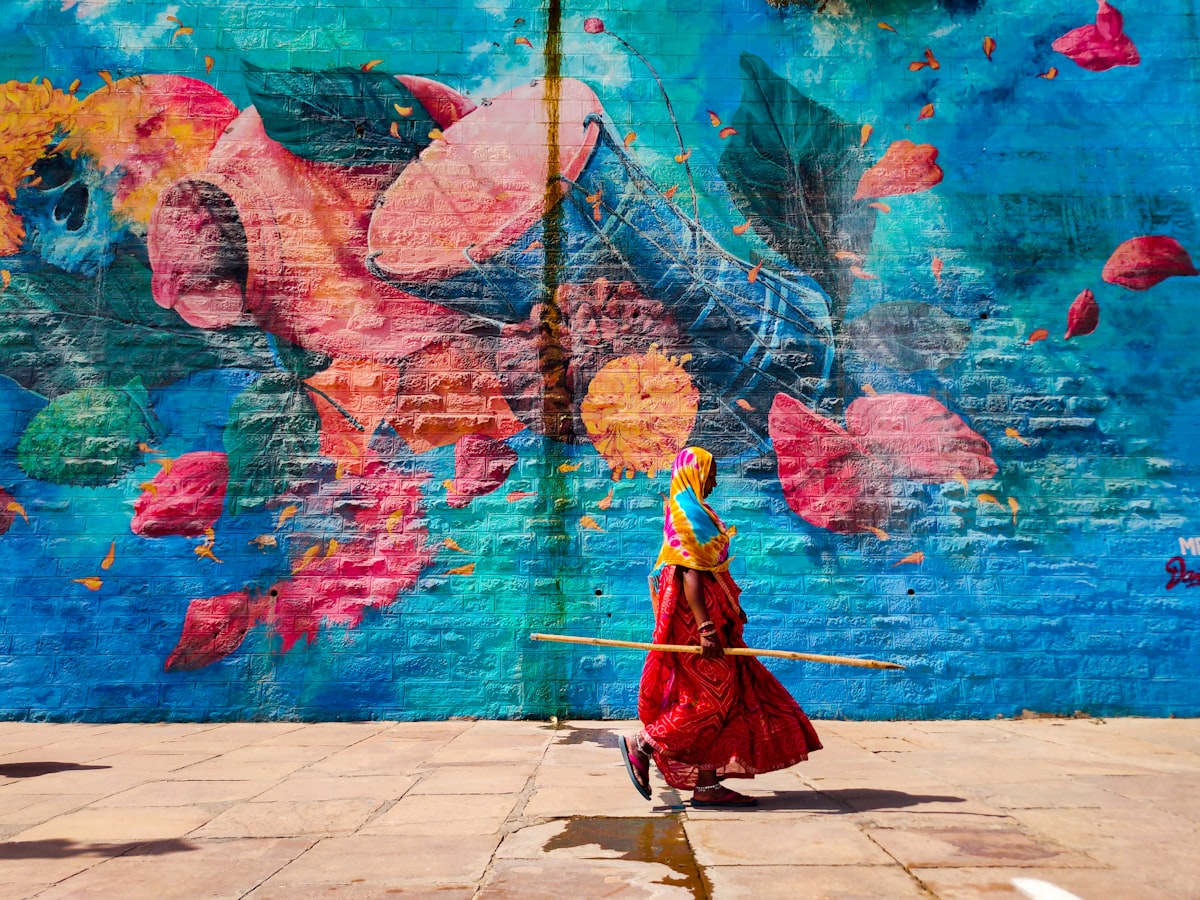
Godaulia / Chowk
Commercial old city heart — sari weavers, sweet shops, Vishwanath Temple gateway, intense and unfiltered.
10/10
Central
8/10
Walk
5/10
Transit
Main Ghats (Dashashwamedh & Manikarnika)
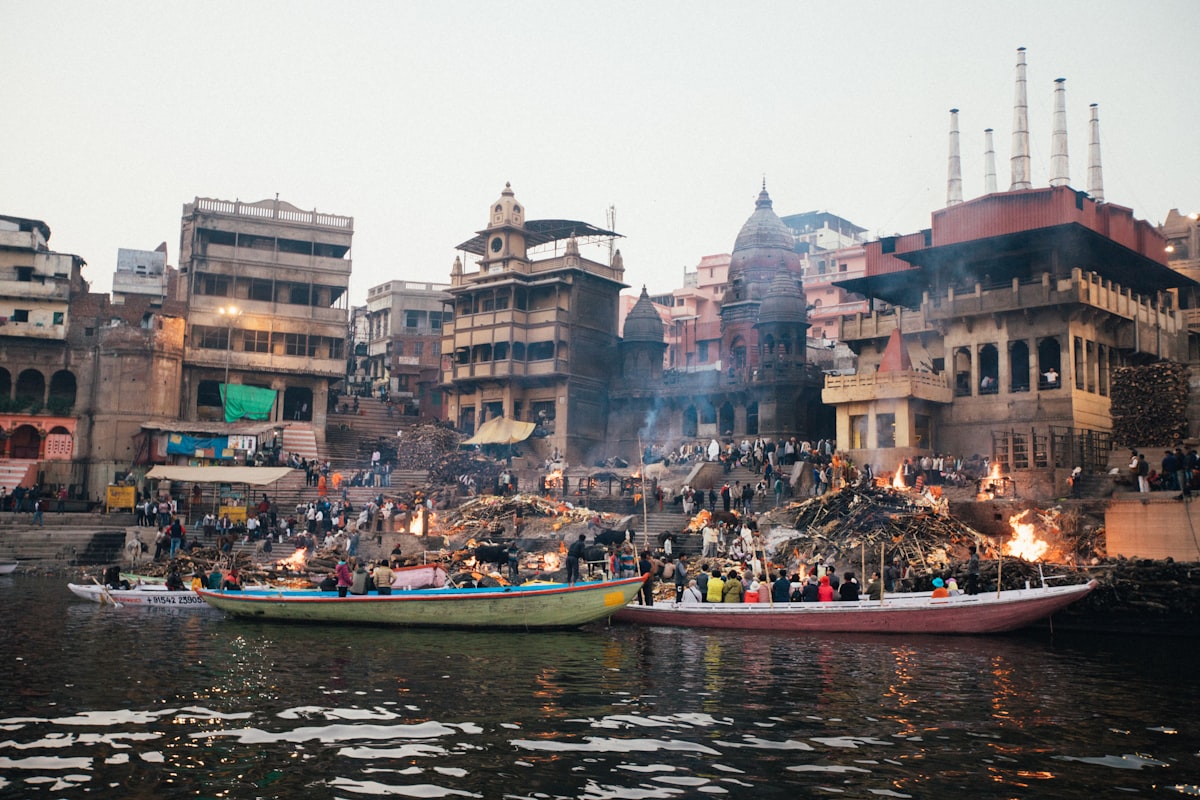
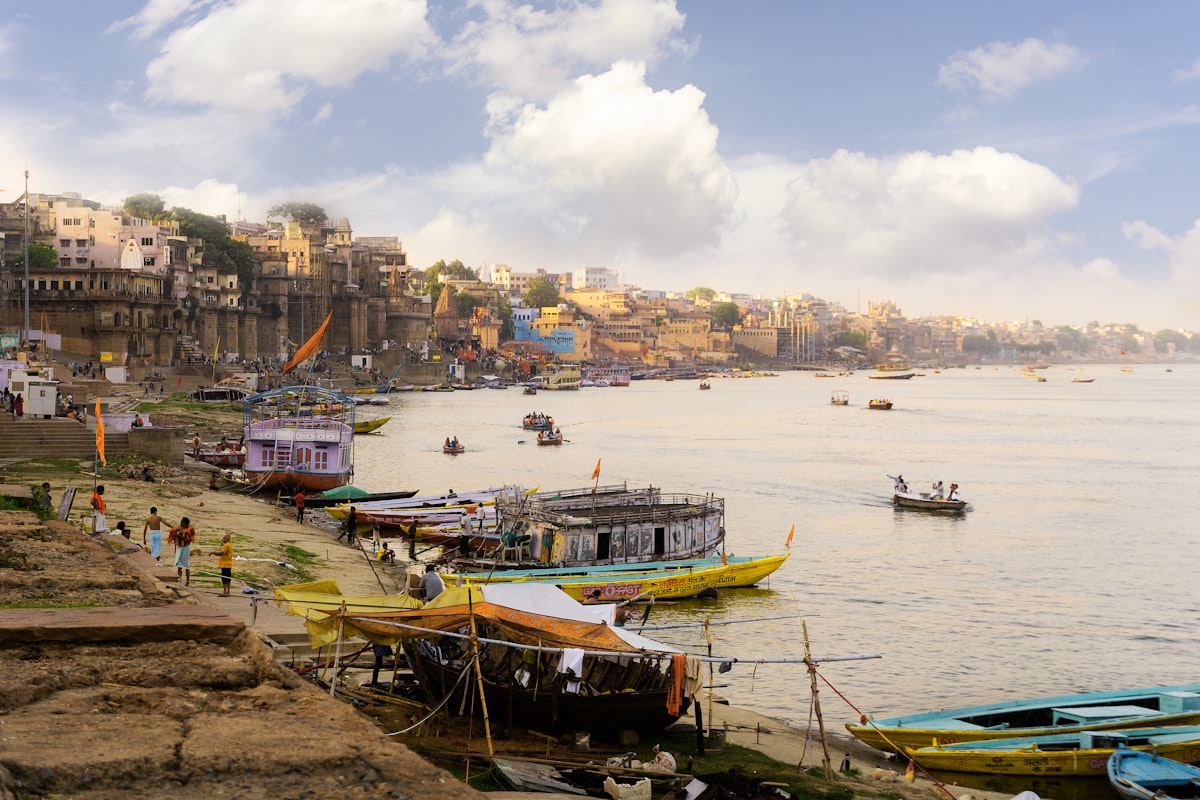
Pilgrim core — Dashashwamedh evening aarti, Manikarnika cremation ghat, walkable Old City lanes behind.
10/10
Central
7/10
Walk
4/10
Transit
Also exploring
Tokyo
Japan
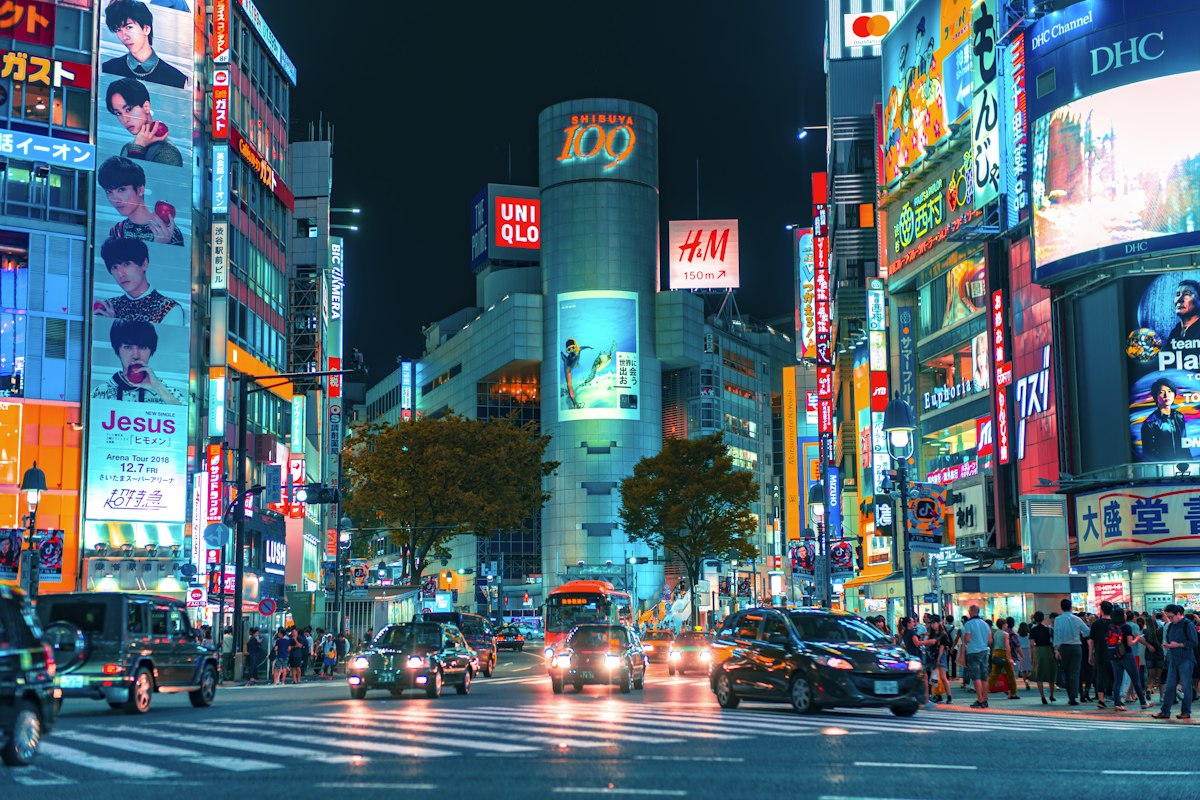
A city of dramatic seasonal contrasts — cherry blossom crowds, oppressive summer humidity, and golden autumn foliage — where the wrong timing can make or break the trip.
Bali
Indonesia
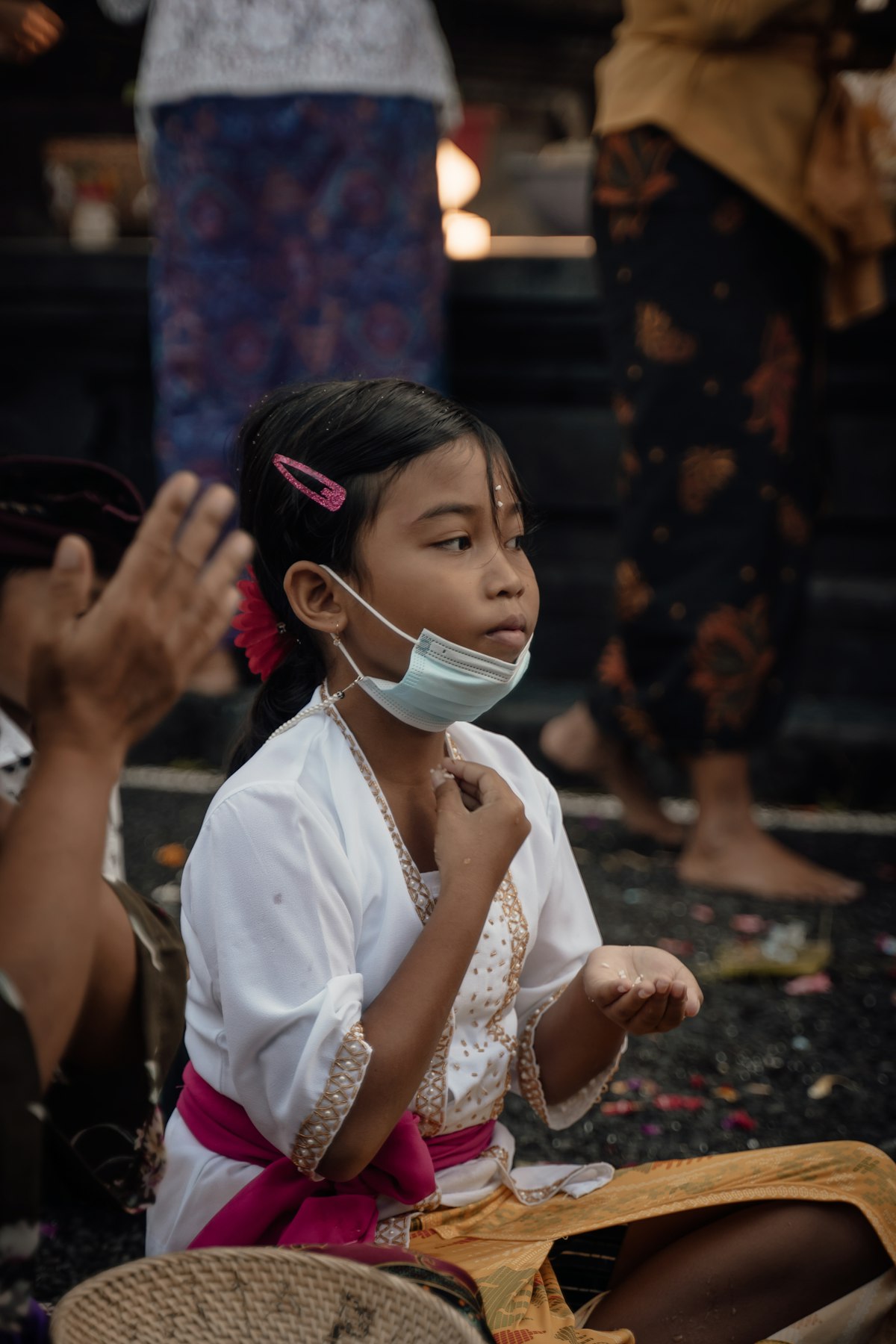
A Hindu island of rice terraces, temple ceremonies, and surf breaks where the monsoon makes timing genuinely binary — the difference between dry and wet season is not subtle.

Maldives
Maldives
A destination defined almost entirely by its monsoon calendar — the difference between the NE dry season (November–April) and SW wet season (May–October) is not subtle and shapes every aspect of the experience.
Worth knowing
February scores highest overall. November is the most crowded month — avoid if you can. See crowd-free ranking →
Month by month breakdown
January#4▾
Gains
- ↑Cool 22°C days, no humidity for ghat walks
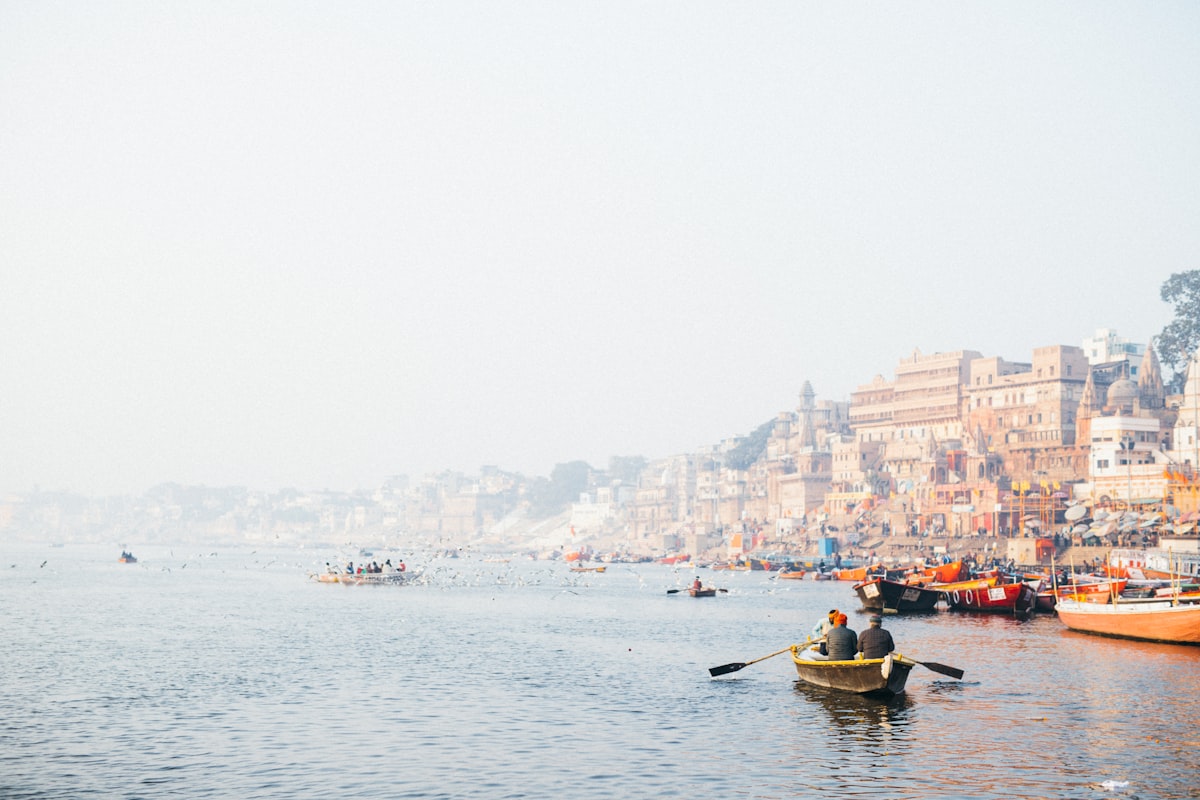
- ↑Heavy dawn mist creates the iconic Ganges photography
- ↑Makar Sankranti pilgrim bathing on 14 January
Sacrifices
- ↓Lows of 9°C, surprisingly cold in unheated guesthouses
- ↓Smog from North Indian plains can obscure sunrise
February#1▾
Gains
- ↑Maha Shivaratri all-night Shiva worship around Vishwanath Temple
- ↑Comfortable 27°C / 12°C, lowest humidity
- ↑Clear skies, sharp photography light
Sacrifices
- ↓Pilgrim numbers can quadruple in the festival week
- ↓Old City lanes get dangerously packed during processions
March#5▾
Gains
- ↑Holi (full moon) — coloured powders across the ghats and old city
- ↑Still dry, days warm but not yet brutal
- ↑Bonfire night (Holika Dahan) lights up Manikarnika area
Sacrifices
- ↓Hostels charge premium for Holi week, book a month out
- ↓Late month sees first heat spikes above 35°C
April#9▾
Gains
- ↑Cheapest hotel rates outside July
- ↑Sparse on the ghats — easy boat hire, no queues at temples
- ↑Heat haze gives golden-hour photography unusual mood
Sacrifices
- ↓39°C peaks make midday sightseeing punishing
- ↓Many cafes/guesthouses cut hours or close
May#12▾
Gains
- ↑Lowest accommodation prices of the year
- ↑Ghats so empty you can find solitude at sunrise
- ↑Buddha Purnima at Sarnath mid-month
Sacrifices
- ↓Heatstroke is a real risk, midday outdoor sightseeing impossible
- ↓Power cuts frequent, AC unreliable in budget guesthouses
June#11▾
Gains
- ↑Pre-monsoon storms break the heat dramatically
- ↑Hotels still at low-season rates
- ↑Lush green returning to surrounding countryside
Sacrifices
- ↓Humidity over 65% with 39°C makes outdoor time exhausting
- ↓Power cuts increase as load on grid rises
July#8▾
Gains
- ↑Heat broken, daytime down to 34°C
- ↑Lowest tourist numbers of the year
- ↑Dramatic monsoon light across the ghats
Sacrifices
- ↓Lower ghats partly submerged, evening aarti relocated
- ↓Boats restricted in high water; muddy lanes in Old City
August#10▾
Gains
- ↑Lush green surroundings extending into Sarnath
- ↑Hardly any other tourists, sharper local interactions
- ↑Heritage walks at half the usual quote
Sacrifices
- ↓Lower ghats fully flooded; some ghat-side ashrams evacuated
- ↓Mosquitoes and dengue risk peak
September#6▾
Gains
- ↑Showers shorter and predictable (often afternoon)
- ↑Air freshly washed, sharper photography
- ↑Hotel rates still at low-season floor
Sacrifices
- ↓Some lower ghats still under residual mud
- ↓Mosquito-borne disease risk persists
October#2▾
Gains
- ↑Ramnagar Ramlila (the world's oldest continuous Ramayana enactment)
- ↑Dussehra effigies burning across the city late month
- ↑Air freshly cleansed, sharp clear skies for sunrise
Sacrifices
- ↓Season officially restarts, prices rising from October 1st
- ↓Mosquitoes still active in evening on ghats
November#3▾
Gains
- ↑Dev Deepawali — over a million diyas lit along all 84 ghats
- ↑Mild 28°C / 14°C, perfect weather for early morning walks
- ↑Air the cleanest of the year, sharp visibility
Sacrifices
- ↓Hotel prices peak for Dev Deepawali week, often 3-4x normal
- ↓Old City lanes packed beyond comfort during festival night
December#7▾
Gains
- ↑Cool 24°C / 10°C, dry sunrise mist for photographers
- ↑Long open days, sunset aarti without summer humidity
- ↑Pleasant Sarnath day trips, clean light
Sacrifices
- ↓Peak foreign tourist season, full guesthouses
- ↓North India fog can delay flights and trains
How this is calculated
Climate data
Open Meteo ERA5
30-year normals (1991–2020). Temperature, rainfall, sunshine, humidity.
Price & crowd
Tourism research
Seasonal pricing from tourism authority data. Directional — compares months within a destination only.
Personalisation
Weighted scoring
Your priorities change the weights. Budget-first users get different results than weather-first users.
Share this result
February is the best time to visit Varanasi
Travel timing updates
New destinations and timing guides, when they land.
No spam. Unsubscribe anytime.