
Showing: Nov · Unsplash / Unsplash
Thailand · Asia Pacific
Best time to visit Koh Phi Phi
November
Nov scores highest overall — reliable weather and strong local atmosphere. Set your priorities below to personalise this result.
What matters most to you?
All 12 months — click any to expand
Nov
Unsplash / Unsplash
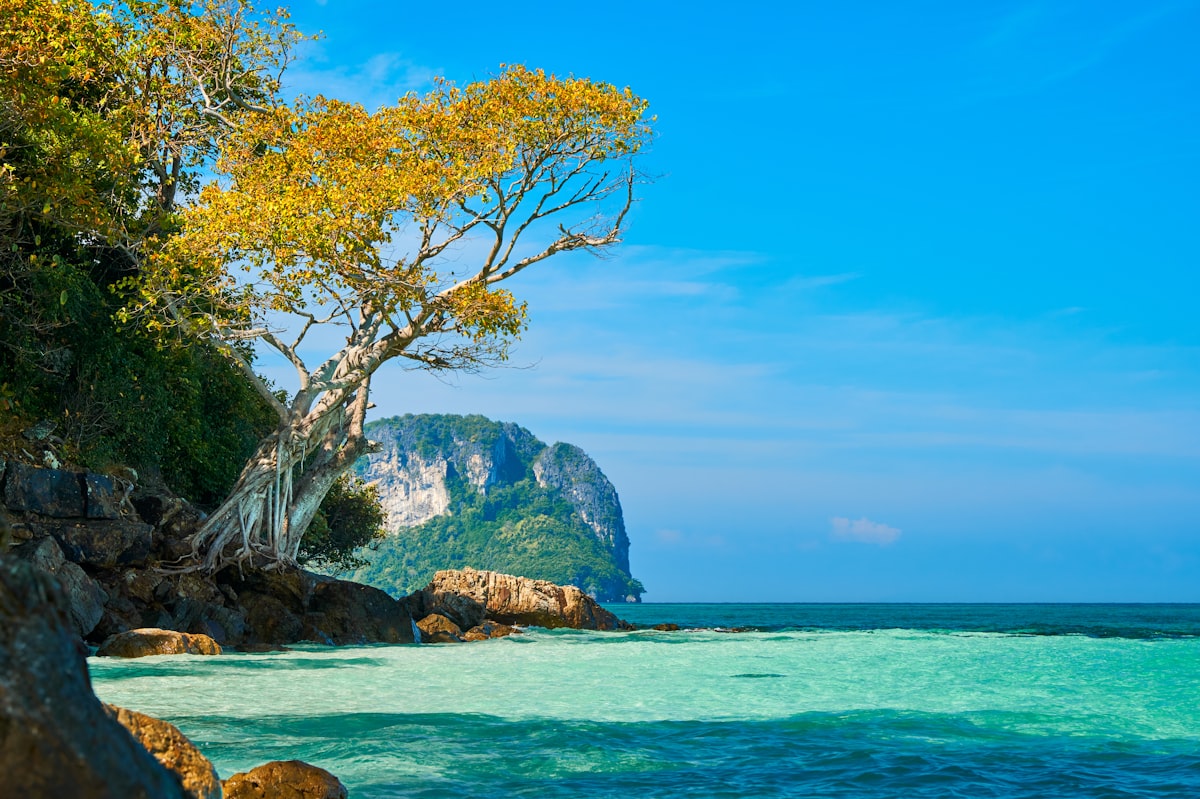
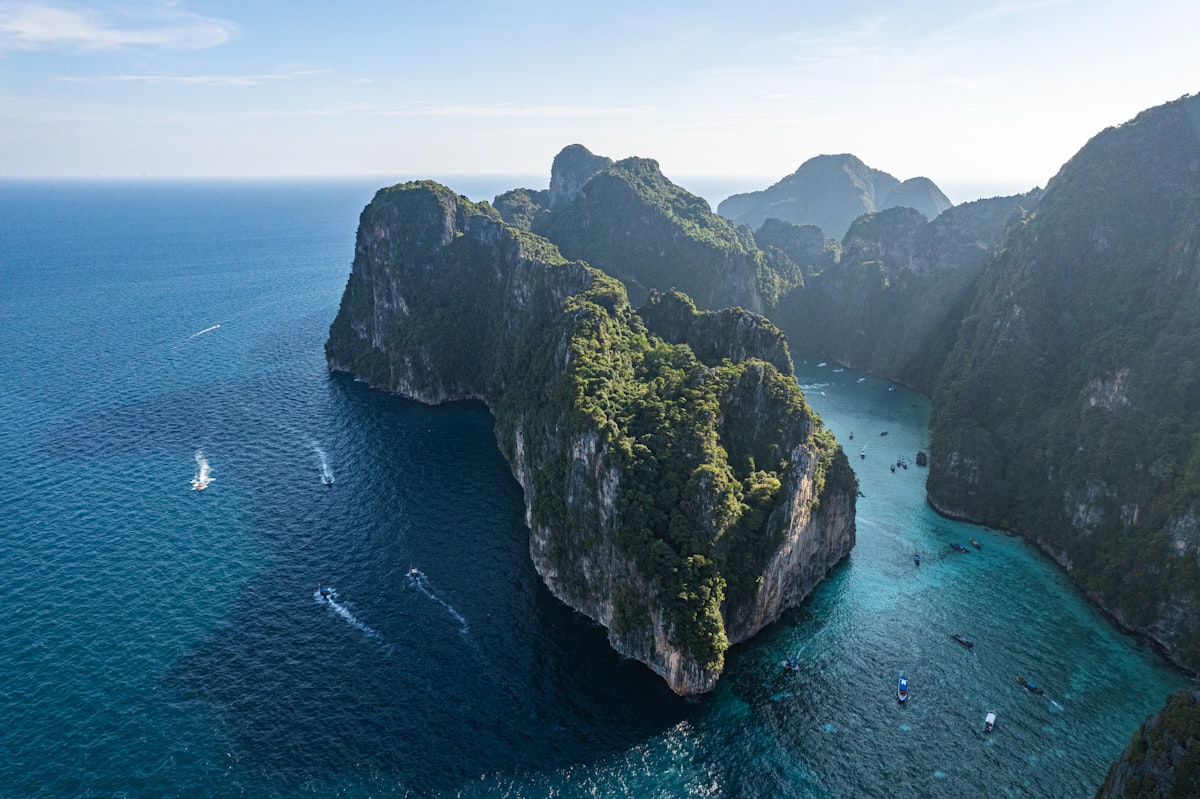
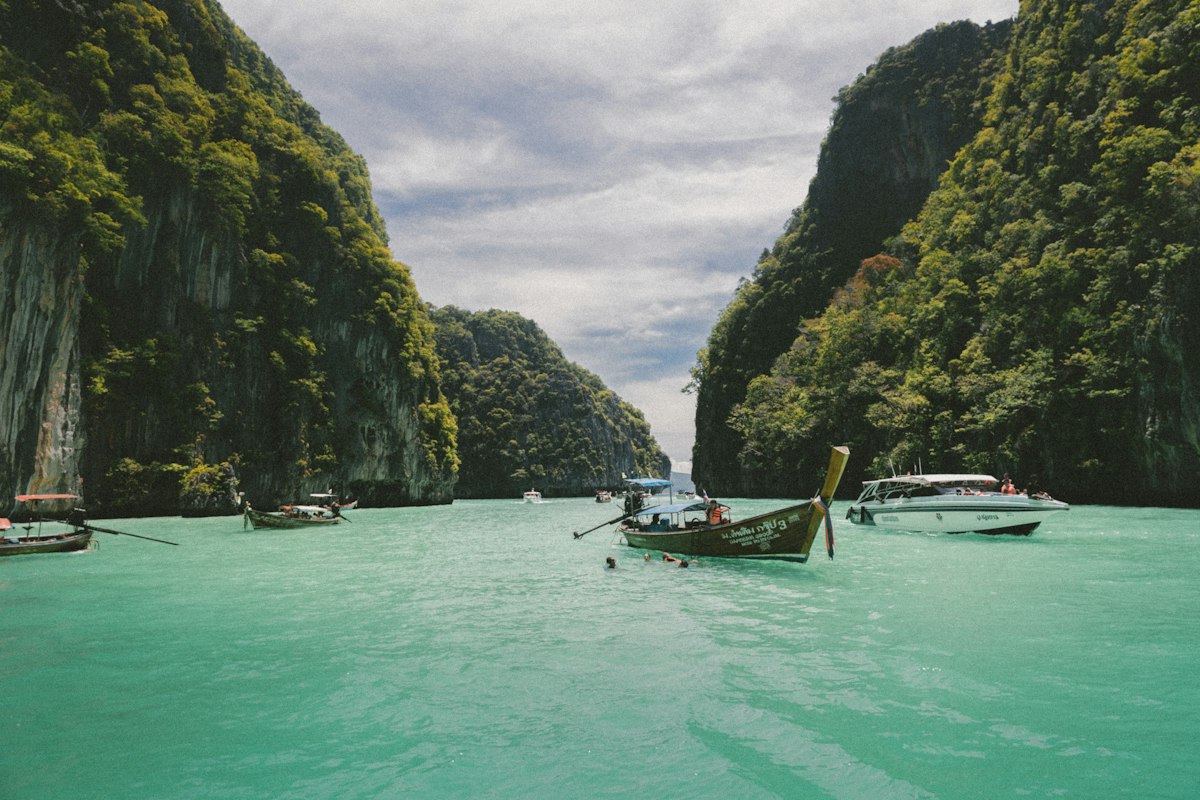
High season begins — 31°C, sea calming, dive visibility returning week by week.
31°C
High
25°C
Low
130mm
Rain
8h
Sun/day
What you gain
- ↑High season opening — dive operators and bars all reopen by mid-month
- ↑31°C, sun returning, sea calming after monsoon
- ↑Loy Krathong full moon — floating lantern ceremony from Tonsai beach
What you sacrifice
- ↓Last 130mm rain of the year through the first half
- ↓Rates climbing 30-50% over October as high season ramps
Nov scores highest overall — reliable weather and strong local atmosphere. Set your priorities below to personalise this result.
Nov
High season begins — 31°C, sea calming, dive visibility returning week by week.
31°C
High
130mm
Rain
8h
Sun
- ↑High season opening — dive operators and bars all reopen by mid-month
- ↑31°C, sun returning, sea calming after monsoon
- ↑Loy Krathong full moon — floating lantern ceremony from Tonsai beach
- ↓Last 130mm rain of the year through the first half
- ↓Rates climbing 30-50% over October as high season ramps
Top travel windows
★ BestNovember
Best overall
Highest combined score
31°C
High
130mm
Rain
8h
Sun
June
Best for value
Lowest prices & fees
32°C
High
250mm
Rain
6.5h
Sun
June
Fewest crowds
Quietest month
32°C
High
250mm
Rain
6.5h
Sun
Breakdown by priority
Best for weather
December
31°C high · 50mm rain · 8.5hrs sun/day
Best for budget
June
Statistically cheapest month — bungalows at year-low rates
Fewest crowds
June
Statistically cheapest month — bungalows at year-low rates
Where to stay in Koh Phi Phi
All neighbourhoods →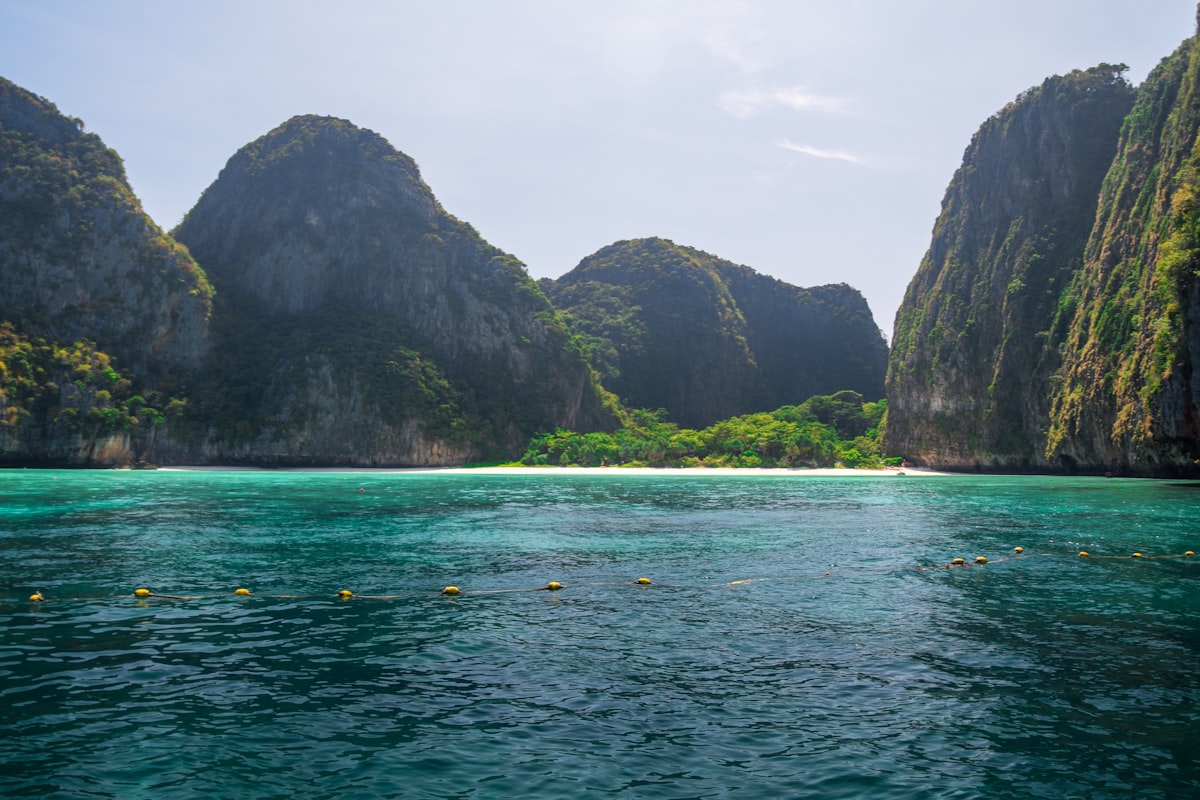
Tonsai Village & Town Beach
The ferry-port heart of Phi Phi Don — backpacker hostels, fire-show bars, Tonsai pier gridlock.
10/10
Central
10/10
Walk
6/10
Transit
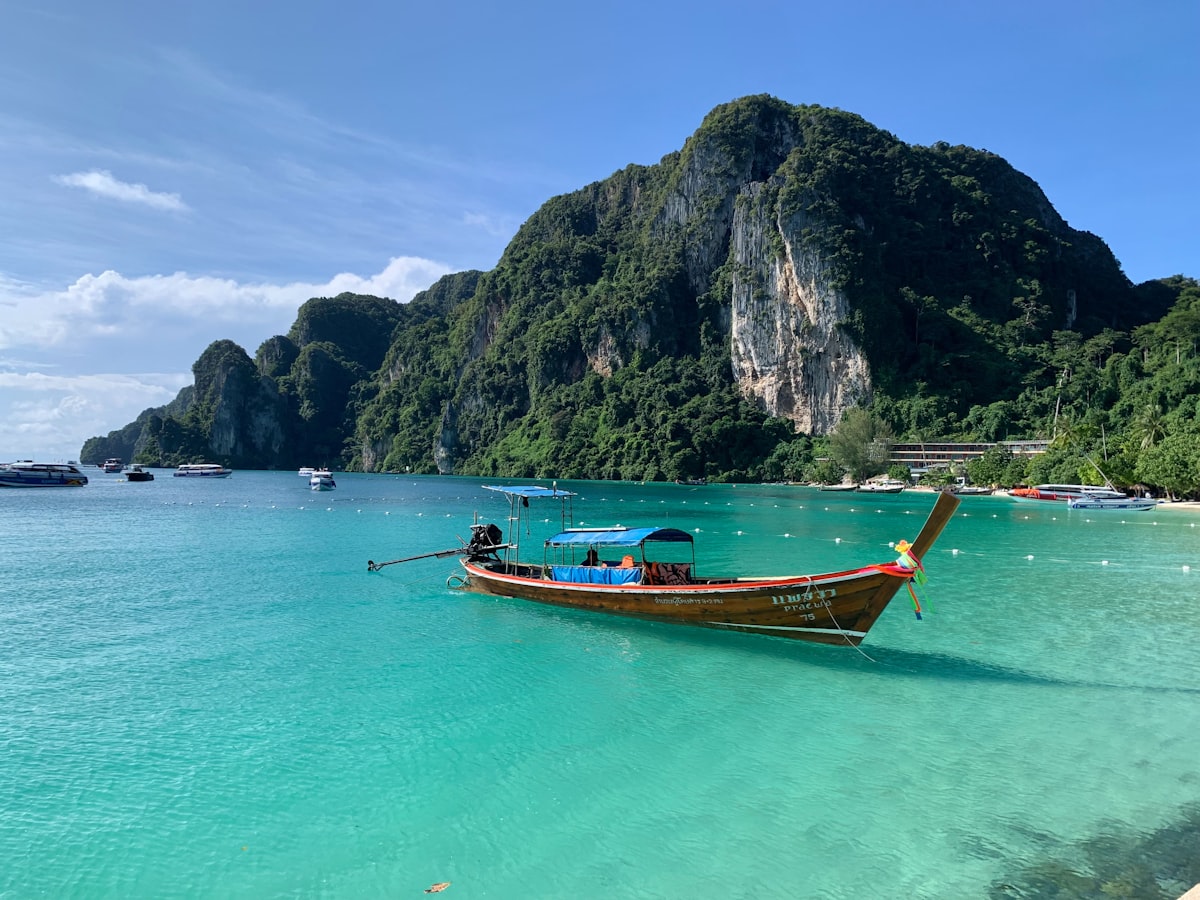
Long Beach & East Side
Quieter eastern bay — Long Beach hotels, sunrise side, longer reach by long-tail.
6/10
Central
6/10
Walk
5/10
Transit
Also exploring
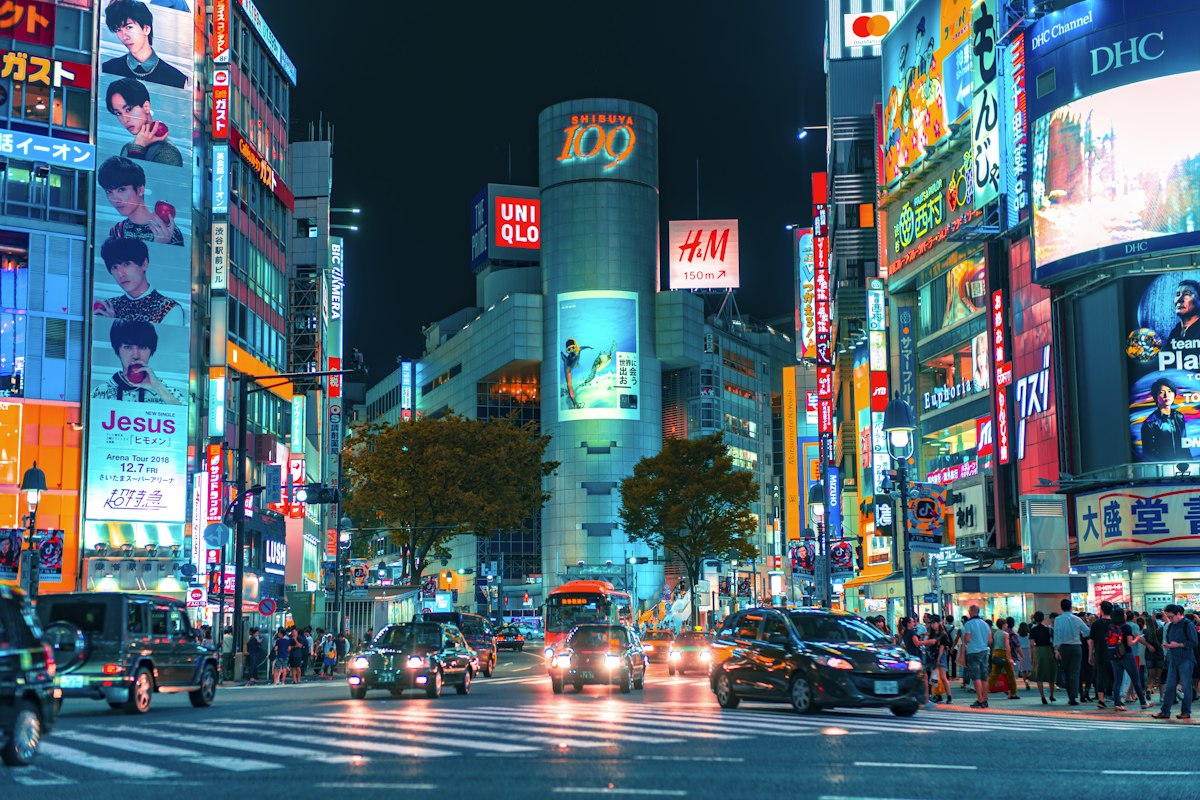
Tokyo
Japan
A city of dramatic seasonal contrasts — cherry blossom crowds, oppressive summer humidity, and golden autumn foliage — where the wrong timing can make or break the trip.
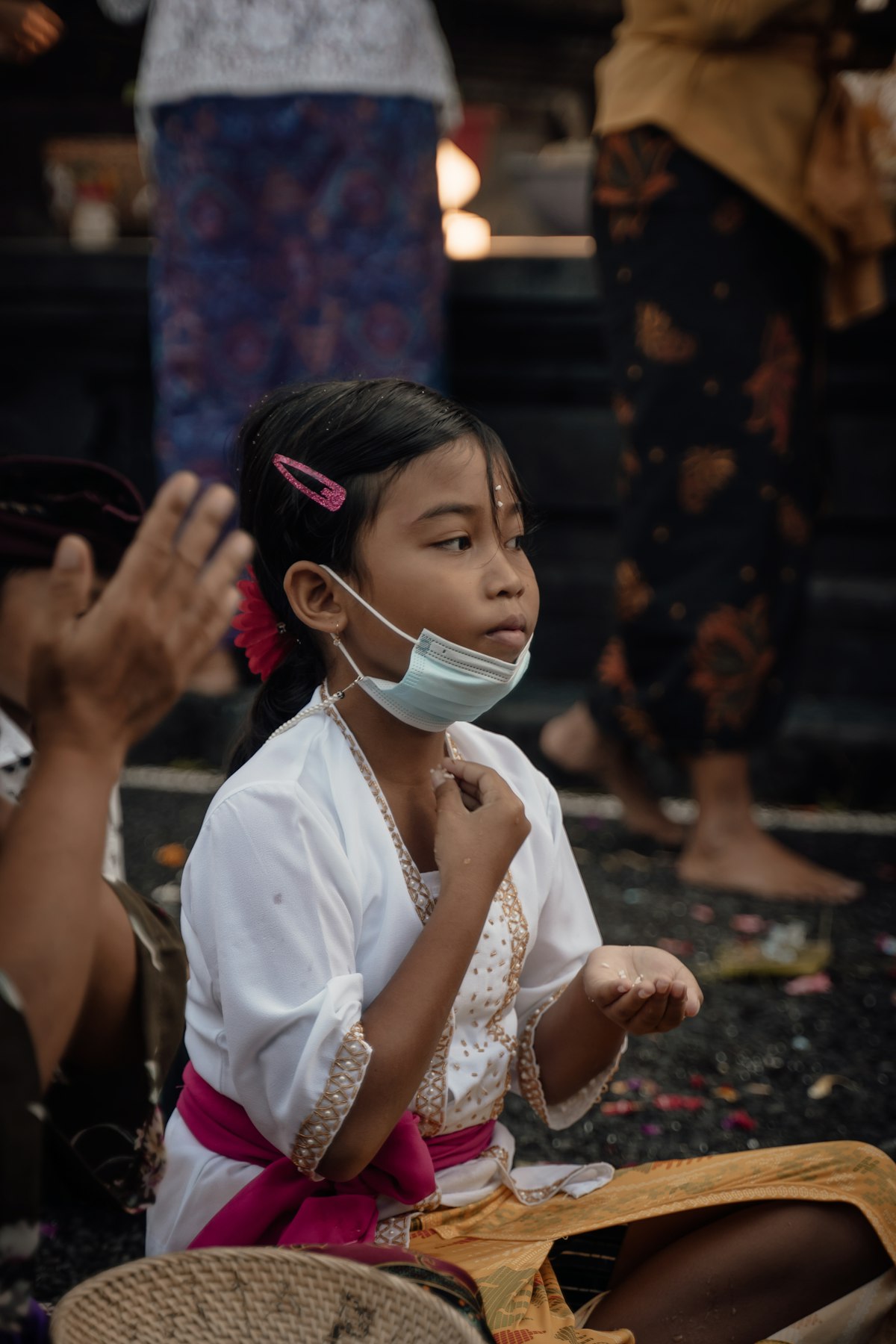
Bali
Indonesia
A Hindu island of rice terraces, temple ceremonies, and surf breaks where the monsoon makes timing genuinely binary — the difference between dry and wet season is not subtle.
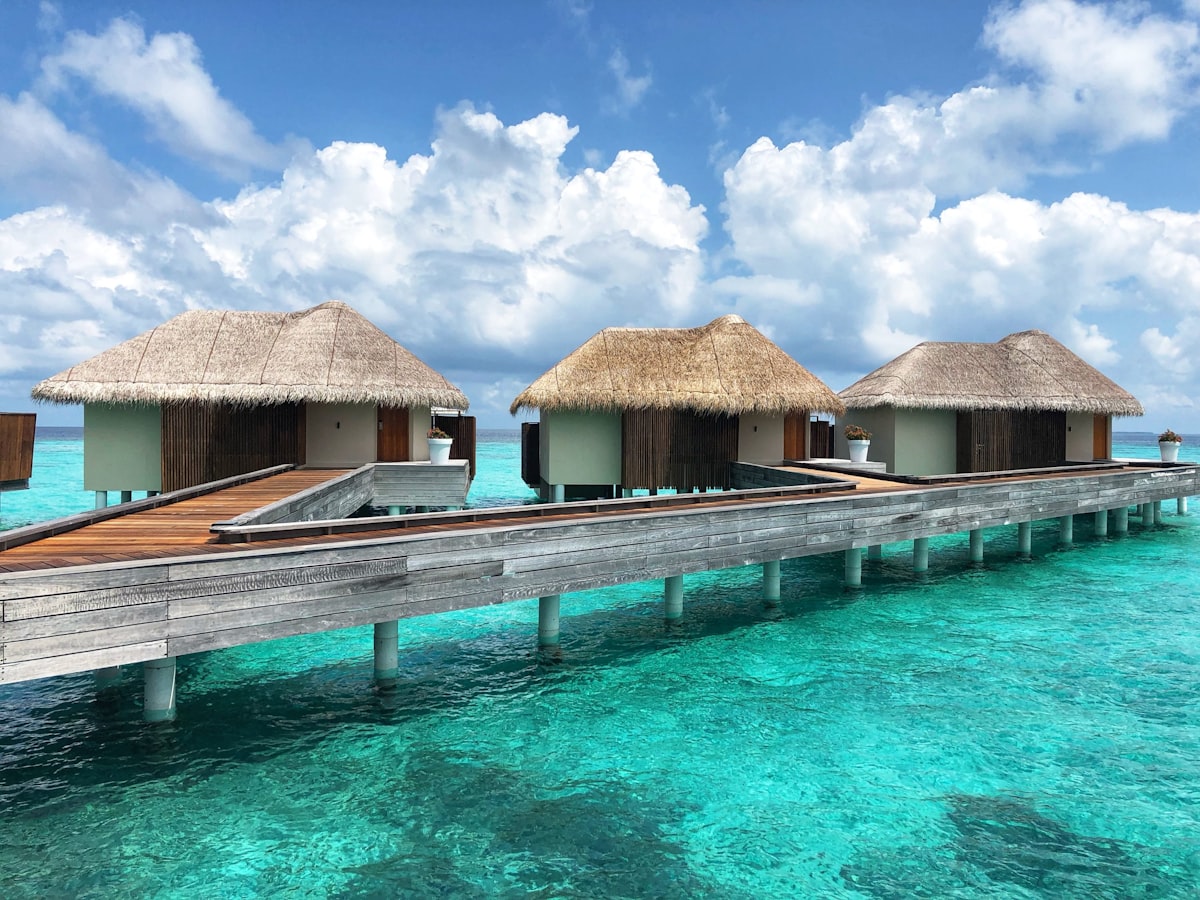
Maldives
Maldives
A destination defined almost entirely by its monsoon calendar — the difference between the NE dry season (November–April) and SW wet season (May–October) is not subtle and shapes every aspect of the experience.
Worth knowing
November scores highest overall. December is the most crowded month — avoid if you can. See crowd-free ranking →
Month by month breakdown
January#10▾
Gains
- ↑32°C, 9 hours sun, sea visibility 25m+ — Maya Bay and Bamboo Island at their best
- ↑Every dive site (Anemone Reef, Koh Bida) at peak visibility
- ↑Tonsai full-moon and half-moon parties run with maximum energy
Sacrifices
- ↓Rates at annual peak — bungalows 3x summer price
- ↓Day-tripper armada from Phuket/Krabi hits Maya Bay 9-11am daily
- ↓Tonsai Village ferry pier gridlocked at 10am drop-offs
February#5▾
Gains
- ↑Driest, sunniest, clearest seas — 33°C and 9 hours sun
- ↑Maya Bay timed tickets bookable but easier than January
- ↑Best diving visibility of the year on Hin Daeng and Hin Muang
Sacrifices
- ↓High-season rates still in force
- ↓Tonsai backpacker scene at peak loud — early-bird sleepers struggle
March#4▾
Gains
- ↑Sea at 30°C — warmest swimming of the year
- ↑Whale-shark sightings peak in March/April on Hin Daeng
- ↑European spring-break crowds easing after first week
Sacrifices
- ↓34°C and 74% humidity — limestone-cliff hikes brutal by 10am
- ↓High-season rates continue with little discounting
April#2▾
Gains
- ↑Songkran (13-15 April) — Tonsai turns into a water-fight zone, biggest local party
- ↑Sea at 30°C, generally calm, snorkelling still excellent
- ↑Whale shark season continues on outer dive sites
Sacrifices
- ↓Songkran spikes prices another 30%; ferries fully booked
- ↓110mm rain — first proper afternoon storms of the year
- ↓Hottest month statistically; UV index extreme
May#6▾
Gains
- ↑Rates collapse 40-60% from April peak
- ↑Empty beaches between storms — viewpoint hikes uncrowded
- ↑Sea still 30°C; diving on east side (Bida islands) sheltered
Sacrifices
- ↓230mm rain across 18+ wet days — most days have a downpour
- ↓Maya Bay closes regularly on rough-sea days; west-side dive sites poor visibility
- ↓Some beachfront restaurants and bars on monsoon hiatus
June#8▾
Gains
- ↑Statistically cheapest month — bungalows at year-low rates
- ↑Empty island feel; viewpoint hikes solitary
- ↑Long-tail boats negotiate at half their December price
Sacrifices
- ↓250mm rain, 6.5 hours sun — most outdoor plans rain-dependent
- ↓Maya Bay and outer dive sites cancelled on rough days (frequent)
- ↓Many family-run guesthouses simply close for the month
July#11▾
Gains
- ↑European school holidays = quiet uptick from June's low
- ↑Rain often only in afternoon — mornings can be sunny
- ↑Sea visibility on east side dive sites OK in calm windows
Sacrifices
- ↓230mm rain continues; west-side beaches roughened
- ↓Maya Bay access depends on day-by-day sea state
- ↓Mosquito numbers spike post-rains
August#12▾
Gains
- ↑Sea still warm at 29°C; calm-window days produce good snorkelling
- ↑European holiday crowds keep restaurants and party scene running
- ↑Rates rise from June low but still well below winter
Sacrifices
- ↓230mm rain; afternoon thunderstorms most days
- ↓Mother Nature day-by-day — itineraries must stay flexible
September#9▾
Gains
- ↑Lowest visitor numbers of the year — viewpoint hikes solitary
- ↑Cheapest available rates; full negotiation room on bungalows
- ↑Dramatic monsoon-light photography
Sacrifices
- ↓Statistically wettest month — 280mm in 20+ wet days
- ↓Many bars, restaurants and dive shops on full hiatus
- ↓Ferry service runs reduced timetable; cancellations on rough days
October#7▾
Gains
- ↑Late-month sunshine returning; dive shops reopening
- ↑Rates climbing but still well below December
- ↑Sea visibility improving as rain reduces in last week
Sacrifices
- ↓230mm rain through first three weeks
- ↓Maya Bay and west-side dives still subject to weather
November#1▾
Gains
- ↑High season opening — dive operators and bars all reopen by mid-month
- ↑31°C, sun returning, sea calming after monsoon
- ↑Loy Krathong full moon — floating lantern ceremony from Tonsai beach
Sacrifices
- ↓Last 130mm rain of the year through the first half
- ↓Rates climbing 30-50% over October as high season ramps
December#3▾
Gains
- ↑31°C, 8.5 hours sun, sea visibility climbing back to 25m
- ↑NYE on Tonsai Beach — biggest island party of the year
- ↑Christmas/New Year peak full of all operators in full season
Sacrifices
- ↓Christmas/NYE rates triple — book 4-6 months ahead
- ↓Maya Bay timed-ticket slots sell out 2 weeks ahead
- ↓Tonsai pier gridlock peaks; ferries fully booked
How this is calculated
Climate data
Open Meteo ERA5
30-year normals (1991–2020). Temperature, rainfall, sunshine, humidity.
Price & crowd
Tourism research
Seasonal pricing from tourism authority data. Directional — compares months within a destination only.
Personalisation
Weighted scoring
Your priorities change the weights. Budget-first users get different results than weather-first users.
Share this result
November is the best time to visit Koh Phi Phi
Travel timing updates
New destinations and timing guides, when they land.
No spam. Unsubscribe anytime.