Galápagos Islands · Unsplash / Unsplash
Ecuador · South America
Best time to visit Galápagos Islands
May
May scores highest overall — reliable weather and good value. Set your priorities below to personalise this result.
What matters most to you?
All 12 months — click any to expand
May
Unsplash / Unsplash
Shoulder season at its best: low prices, few visitors, and the last warmth before the Humboldt Current brings the cool season.
27°C
High
20°C
Low
30mm
Rain
5h
Sun/day
What you gain
- ↑The lowest visitor numbers of the year (outside June–July which ironically sees more): last-minute liveaboard availability and day-cruise prices at their annual minimum
- ↑Rain essentially over (30mm — lightest of any month) with increasingly clear skies as the Humboldt Current begins its approach: good conditions for both snorkelling and island hikes
- ↑Water temperature (20–24°C) beginning to cool with the approach of the Humboldt: enhanced snorkelling conditions as the current-cooled water improves underwater visibility
What you sacrifice
- ↓Not peak season for any single dramatic wildlife spectacle: a transitional month where warm-season highlights are fading and cool-season highlights haven't peaked yet
- ↓Cool-season winds beginning to build: inter-island crossings in the open ocean between the main island groups becoming choppier than during January–March
May scores highest overall — reliable weather and good value. Set your priorities below to personalise this result.
May
Shoulder season at its best: low prices, few visitors, and the last warmth before the Humboldt Current brings the cool season.
27°C
High
30mm
Rain
5h
Sun
- ↑The lowest visitor numbers of the year (outside June–July which ironically sees more): last-minute liveaboard availability and day-cruise prices at their annual minimum
- ↑Rain essentially over (30mm — lightest of any month) with increasingly clear skies as the Humboldt Current begins its approach: good conditions for both snorkelling and island hikes
- ↑Water temperature (20–24°C) beginning to cool with the approach of the Humboldt: enhanced snorkelling conditions as the current-cooled water improves underwater visibility
- ↓Not peak season for any single dramatic wildlife spectacle: a transitional month where warm-season highlights are fading and cool-season highlights haven't peaked yet
- ↓Cool-season winds beginning to build: inter-island crossings in the open ocean between the main island groups becoming choppier than during January–March
Top travel windows
★ BestMay
Best overall
Highest combined score
27°C
High
30mm
Rain
5h
Sun
★ BestMay
Best for value
Lowest prices & fees
27°C
High
30mm
Rain
5h
Sun
★ BestMay
Fewest crowds
Quietest month
27°C
High
30mm
Rain
5h
Sun
Breakdown by priority
Best for weather
May
27°C high · 30mm rain · 5hrs sun/day
Best for budget
May
The lowest visitor numbers of the year (outside June–July which ironically sees more): last-minute liveaboard availability and day-cruise prices at their annual minimum
Fewest crowds
May
The lowest visitor numbers of the year (outside June–July which ironically sees more): last-minute liveaboard availability and day-cruise prices at their annual minimum
Where to base yourself in Galápagos Islands
All regions →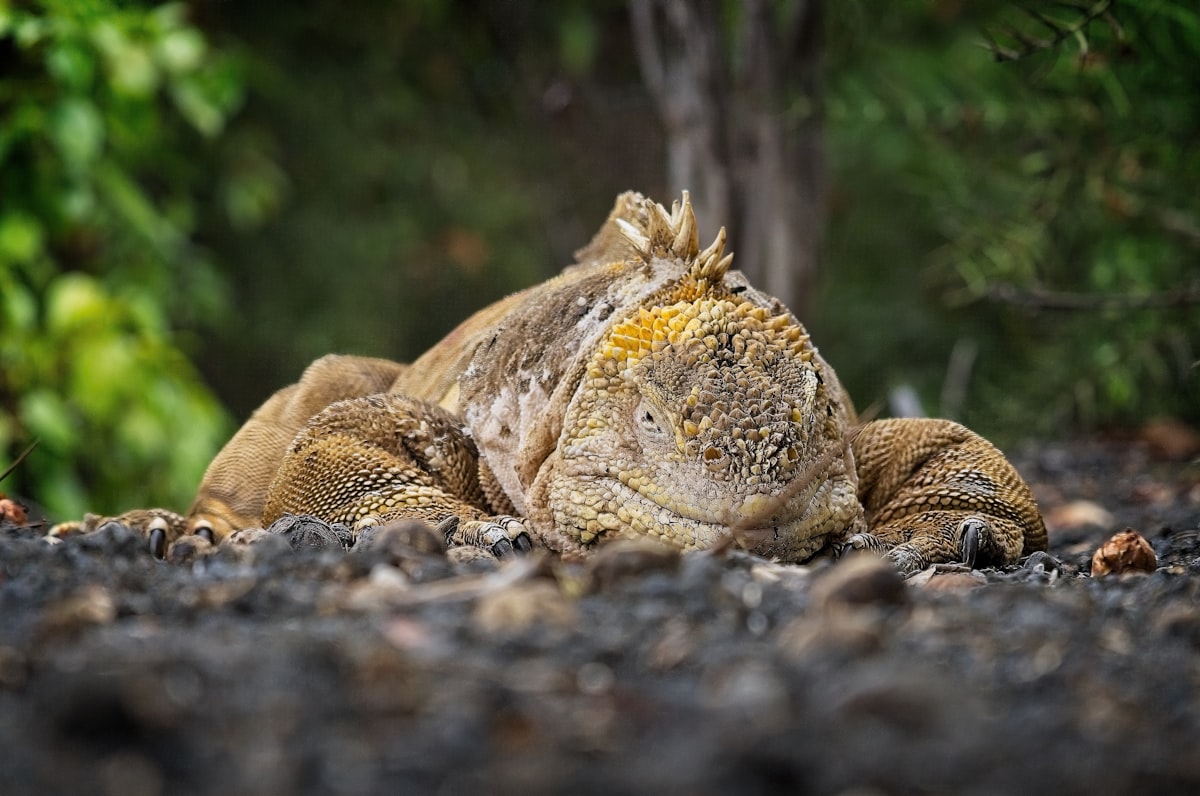
Santa Cruz Island
The archipelago's main hub — Puerto Ayora, the Charles Darwin Research Station, and the best day-cruise infrastructure in the Galápagos.
10/10
Central
8/10
Walk
10/10
Transit
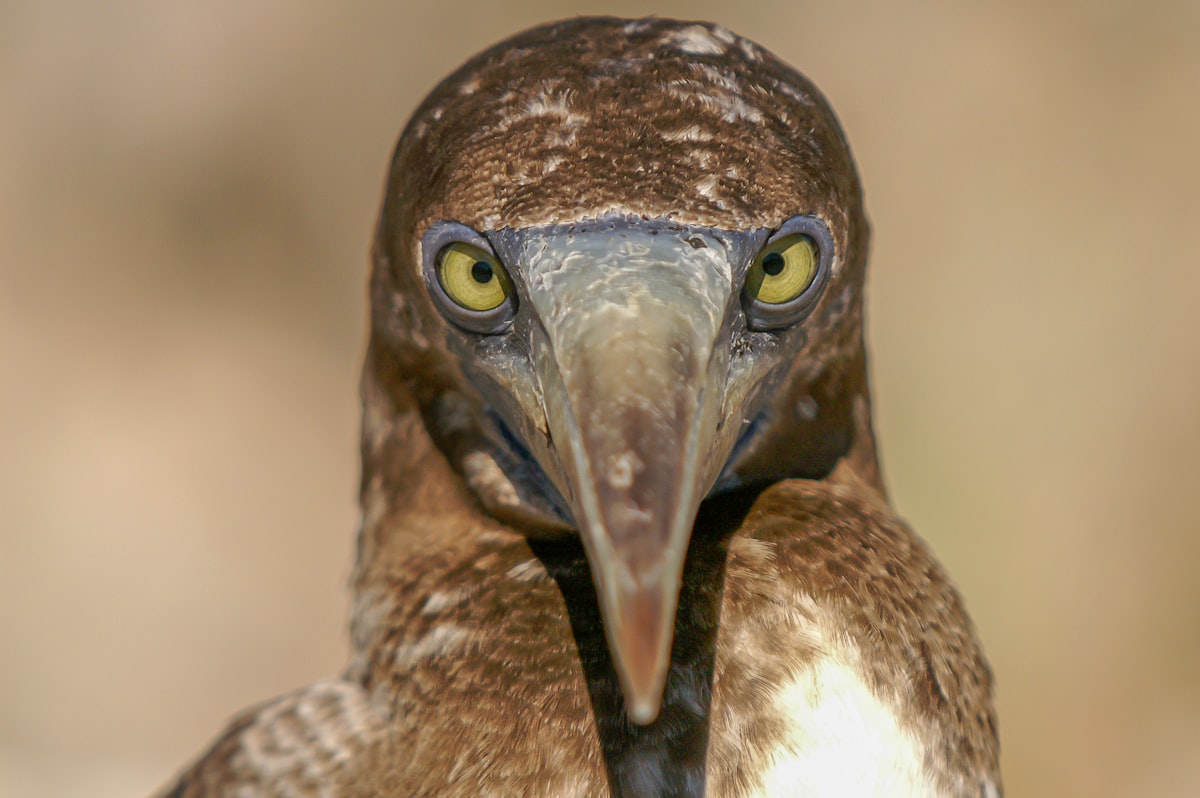
San Cristóbal Island
The easternmost island and the archipelago's capital — its own airport, resident sea lions on the waterfront, and surfing.
7/10
Central
7/10
Walk
9/10
Transit
Also exploring
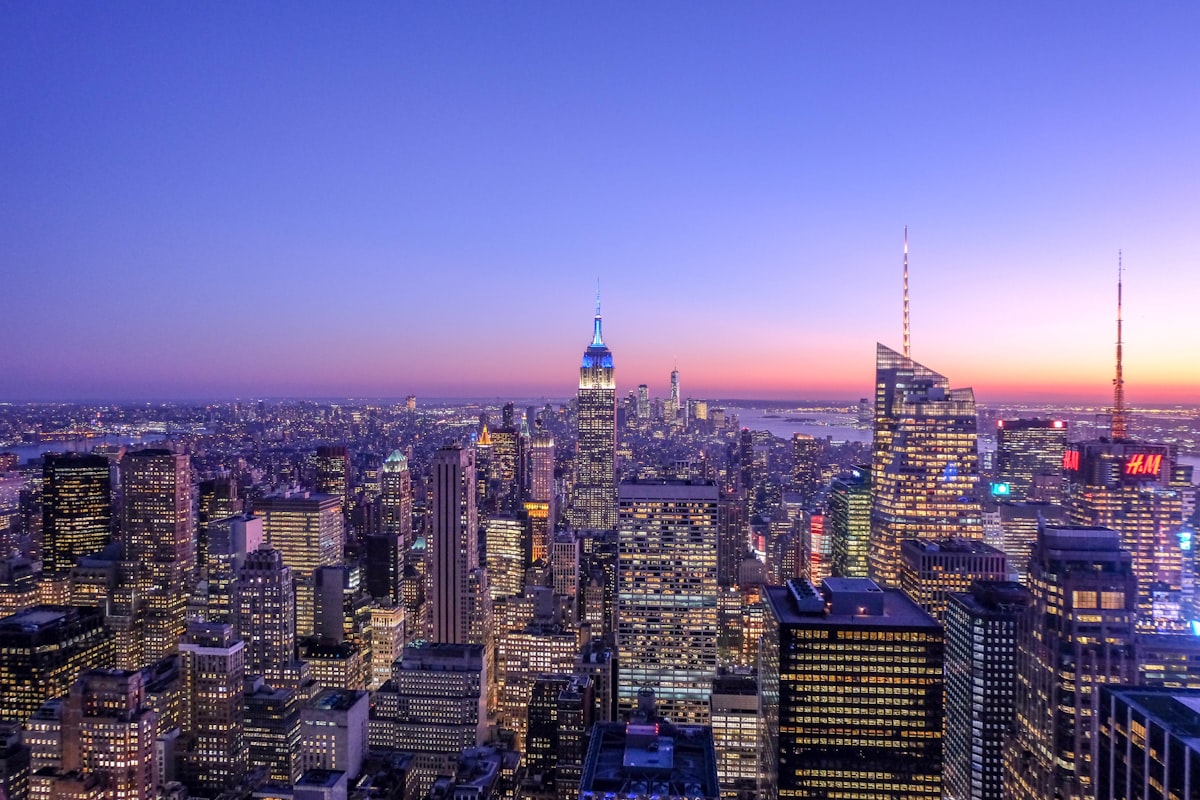
New York
USA
A city that never fully quiets — but its personality shifts dramatically by season, from sweltering humid summers to crisp autumn perfection to blizzard-prone winters.
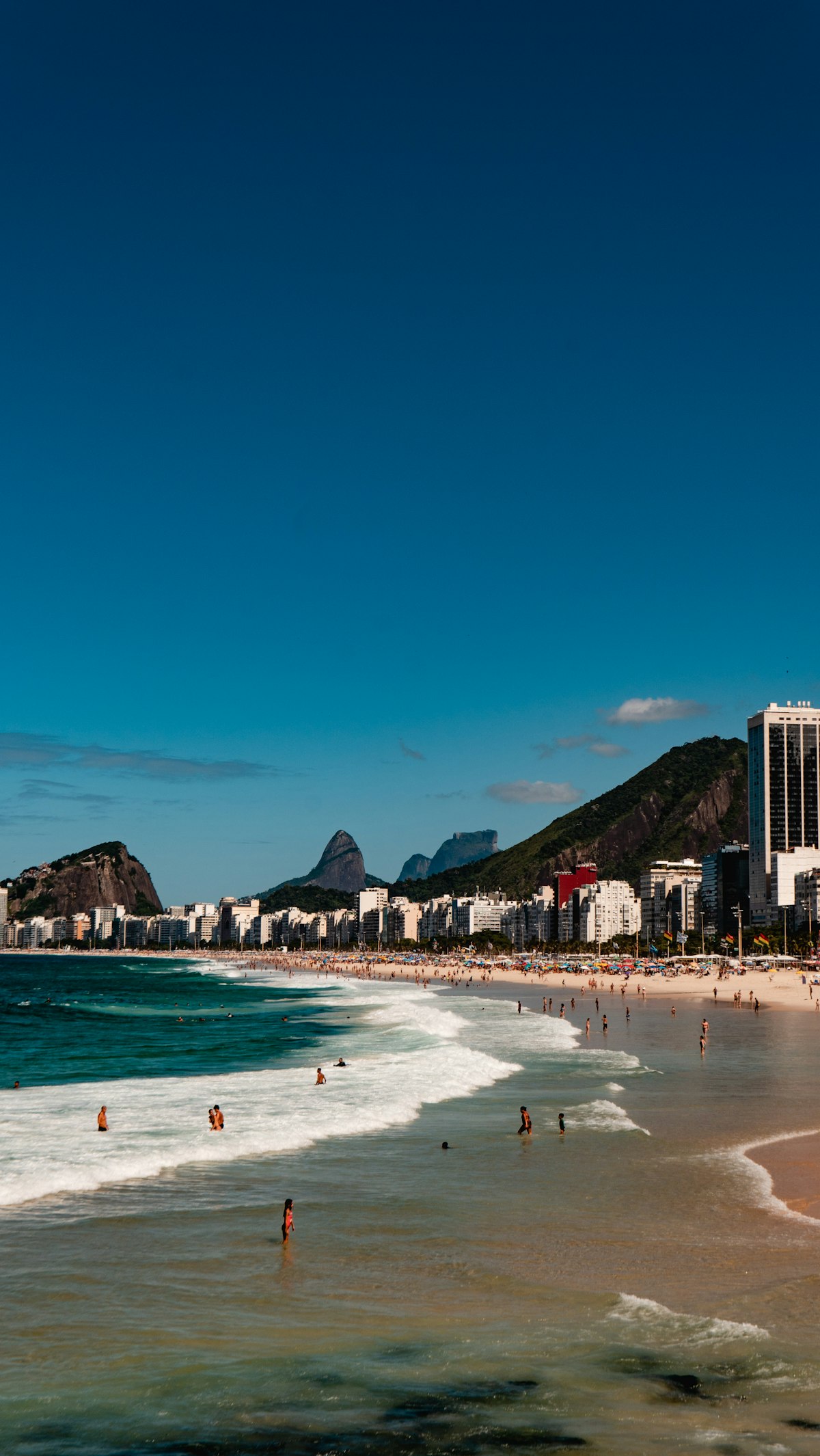
Rio de Janeiro
Brazil
A Southern Hemisphere city where summer (December–March) brings Carnival and 264mm of rain simultaneously, and the real sweet spot is the dry Southern winter — June to September — when most travellers don't think to come.
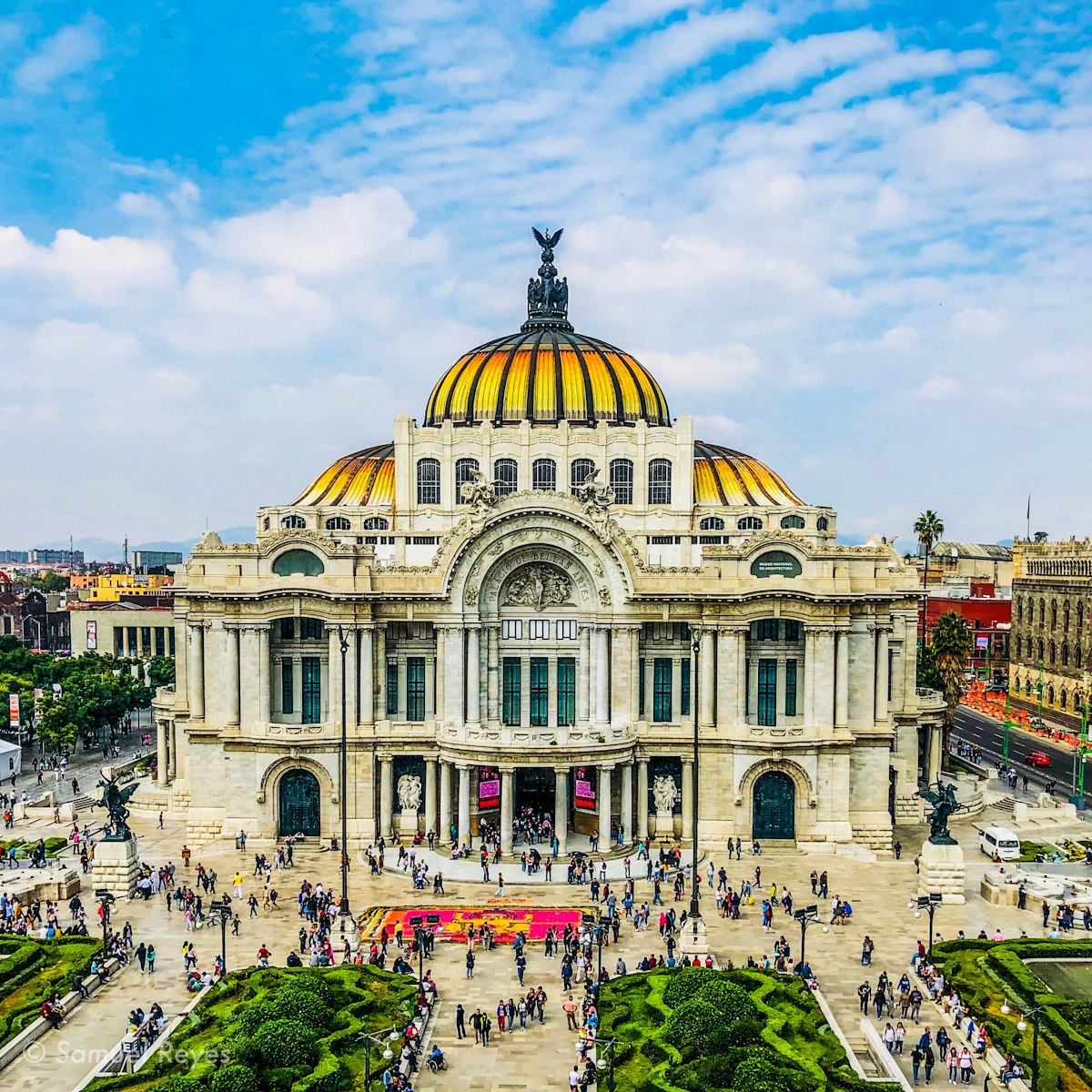
Mexico City
Mexico
A highland metropolis at 2,240 metres where the altitude tempers the heat to perpetual spring in the dry months, Día de Muertos transforms Mixquic and Azcapotzalco into one of the world's great ceremonies, and the October–April dry season gives the clearest conditions for exploring what is genuinely one of the planet's finest food, museum, and architecture cities.
Worth knowing
May scores highest overall. July is the most crowded month — avoid if you can. See crowd-free ranking →
Month by month breakdown
January#10▾
Gains
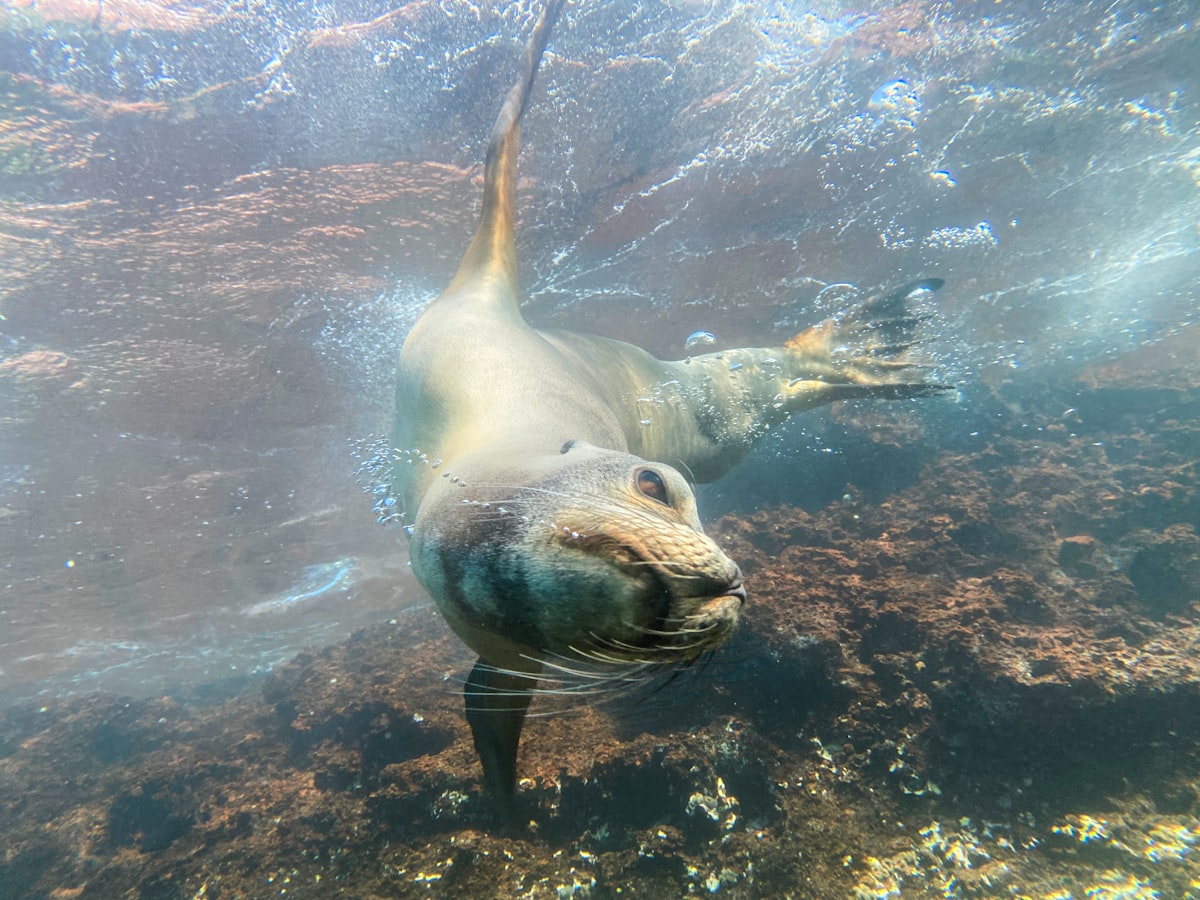
- ↑Sea lion pup season (January–March): the beaches of San Cristóbal and Española island are populated with newborn sea lion pups that have no fear of humans — snorkelling among pup groups is the single most memorable Galápagos wildlife experience
- ↑Warm water (24–28°C) and calmer inter-island seas: ideal conditions for snorkelling at Kicker Rock, Pinnacle Rock (Bartolomé), and the Tintoreras at Isabela without seasickness risk
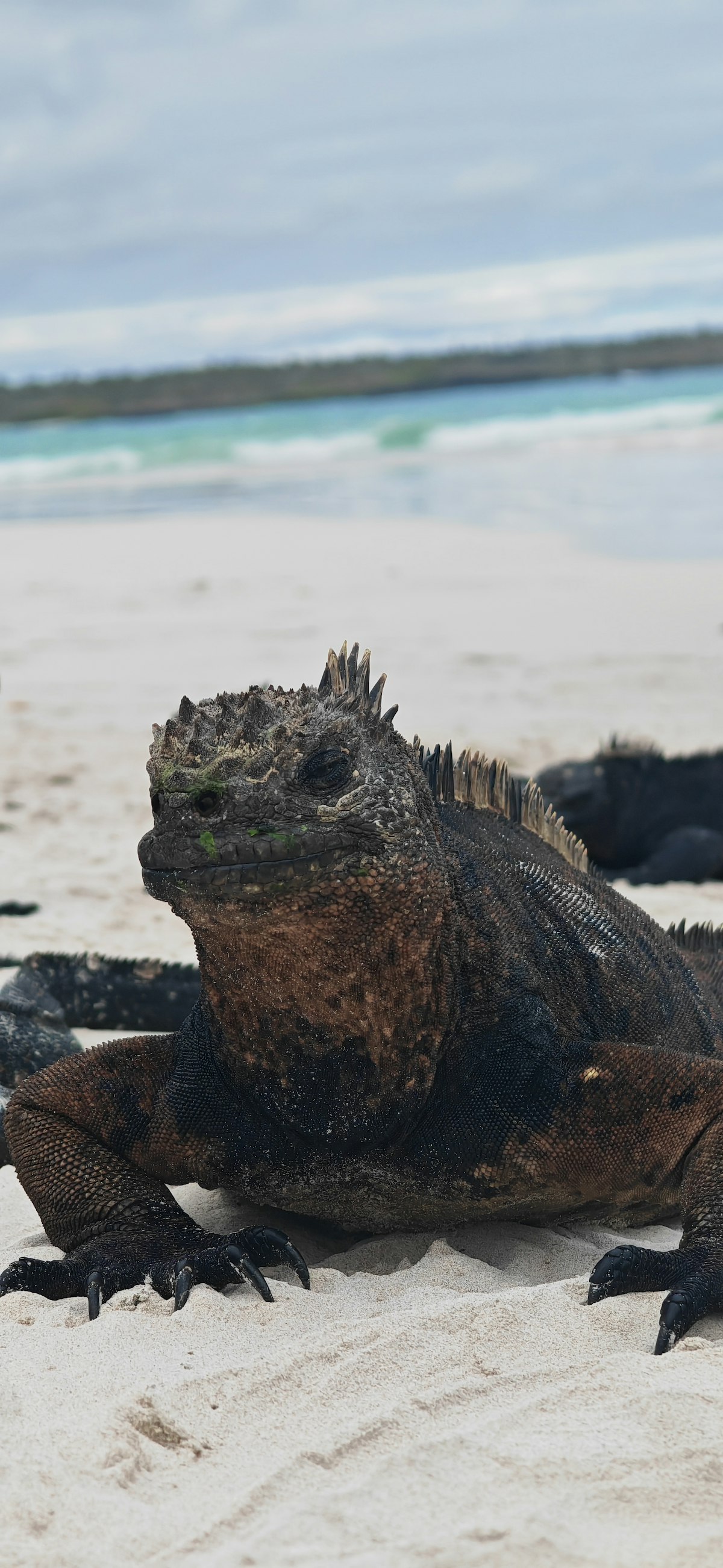
- ↑Marine iguana breeding colors intensifying: males on Española and Fernandina displaying vivid red and green pigmentation at their seasonal peak alongside the sea lion pups
Sacrifices
- ↓Peak school-holiday season: liveaboard cruises and Santa Cruz accommodation booked out months ahead; last-minute availability scarce and prices high
- ↓Brief afternoon rain showers occur daily in January: typically clearing within an hour, but itinerary flexibility is needed for outdoor activities
February#4▾
Gains
- ↑Darwin and Wolf Islands (accessible only by 8-day liveaboard, February–October peak): the aggregation site for hundreds of pregnant female whale sharks — no diving experience on earth replicates the scale of 50+ whale sharks in a single dive
- ↑Manta ray season peaks in February: aggregations of 20–30 giant manta rays at Roca Redonda and Darwin Island alongside the whale sharks make this the single most wildlife-dense month in the archipelago
- ↑Sea lion pups still active alongside hatchling sea turtles emerging from nests on the beaches — February stacks three simultaneous wildlife spectacles
Sacrifices
- ↓Most rainfall of the warm season (65mm), though showers are brief and mornings typically clear; cloud cover reduces snorkelling visibility on some days
- ↓Liveaboard cruises to Darwin Island are expensive (USD 4,000–8,000/person for 8 days) and must be booked 3–6 months ahead for February departures
March#5▾
Gains
- ↑Sea turtle hatching season (January–March): green sea turtle hatchlings emerge from nests on beaches across Isabela and Santa Cruz — witnessing a nest emergence is one of the islands' most extraordinary natural events
- ↑Vegetation at maximum green: the normally grey volcanic highlands of Santa Cruz turn vivid after months of warm-season rain, creating a landscape entirely different from the dry-season character photographs typically show
- ↑Snorkelling conditions remain excellent: warm water (24–28°C) with good visibility at Gordon Rocks and Kicker Rock, sea lion pups still active at Gardner Bay
Sacrifices
- ↓Peak rainfall of the year (80mm): afternoon squalls more frequent and sometimes sustained; weather windows require monitoring for outdoor island activities
- ↓Easter school holidays (when March coincides with Easter) cause accommodation and liveaboard price spikes that can rival January peak rates
April#3▾
Gains
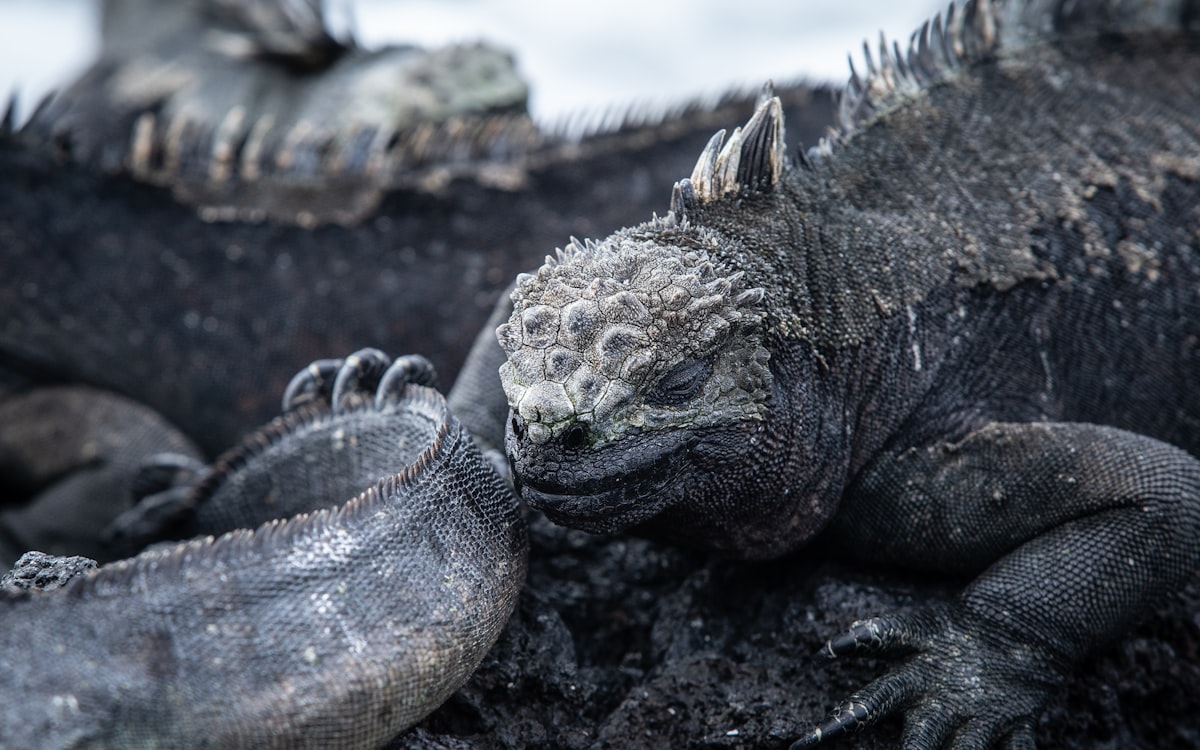
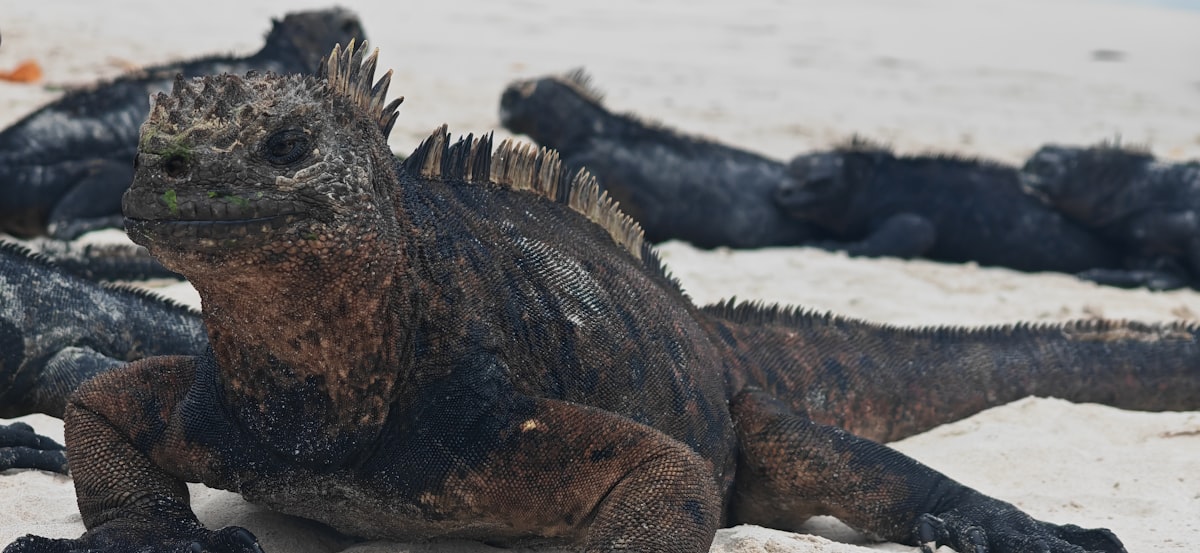
- ↑Marine iguanas in peak breeding coloration (January–April): males on Española and Fernandina display vivid red and green pigmentation — the most visually dramatic phase of the iguana year
- ↑Rain easing significantly from March: clearer skies and improved snorkelling visibility as the warm season winds down, with warm water (22–26°C) still excellent for sustained snorkelling sessions
- ↑Shoulder pricing between the warm-season peak and cool-season peak: liveaboard prices 15–25% below January rates with better last-minute availability
Sacrifices
- ↓Easter school holidays (when April coincides) cause brief accommodation spikes on Santa Cruz; book one month ahead during Easter week
- ↓Transition in wildlife highlights: sea lion pup activity winding down while blue-footed booby courtship not yet at its peak — the month between two spectacles
May#1▾
Gains
- ↑The lowest visitor numbers of the year (outside June–July which ironically sees more): last-minute liveaboard availability and day-cruise prices at their annual minimum
- ↑Rain essentially over (30mm — lightest of any month) with increasingly clear skies as the Humboldt Current begins its approach: good conditions for both snorkelling and island hikes
- ↑Water temperature (20–24°C) beginning to cool with the approach of the Humboldt: enhanced snorkelling conditions as the current-cooled water improves underwater visibility
Sacrifices
- ↓Not peak season for any single dramatic wildlife spectacle: a transitional month where warm-season highlights are fading and cool-season highlights haven't peaked yet
- ↓Cool-season winds beginning to build: inter-island crossings in the open ocean between the main island groups becoming choppier than during January–March
June#7▾
Gains
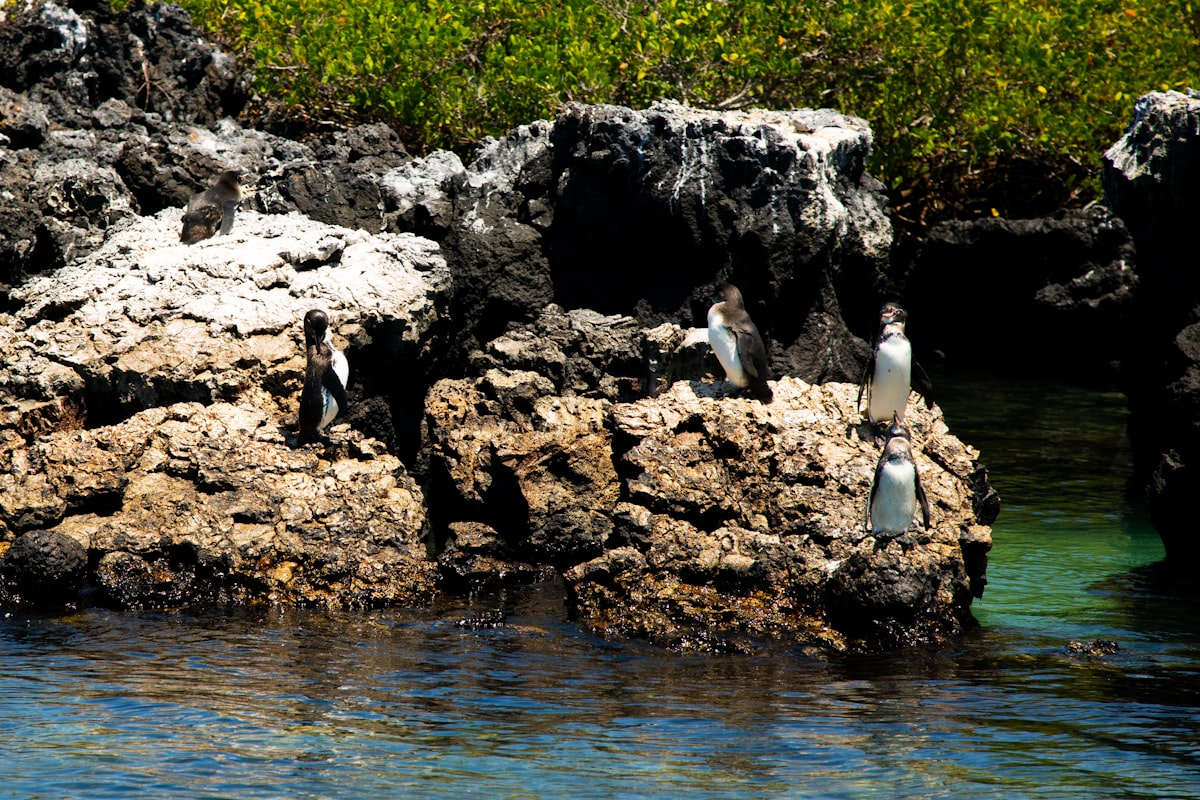
- ↑Galápagos penguins (endemic, the only penguin species in the northern hemisphere) reach their most active period as the Humboldt Current cools the water: Isabela's Tintoreras and Bartolomé's Pinnacle Rock are the best viewing sites
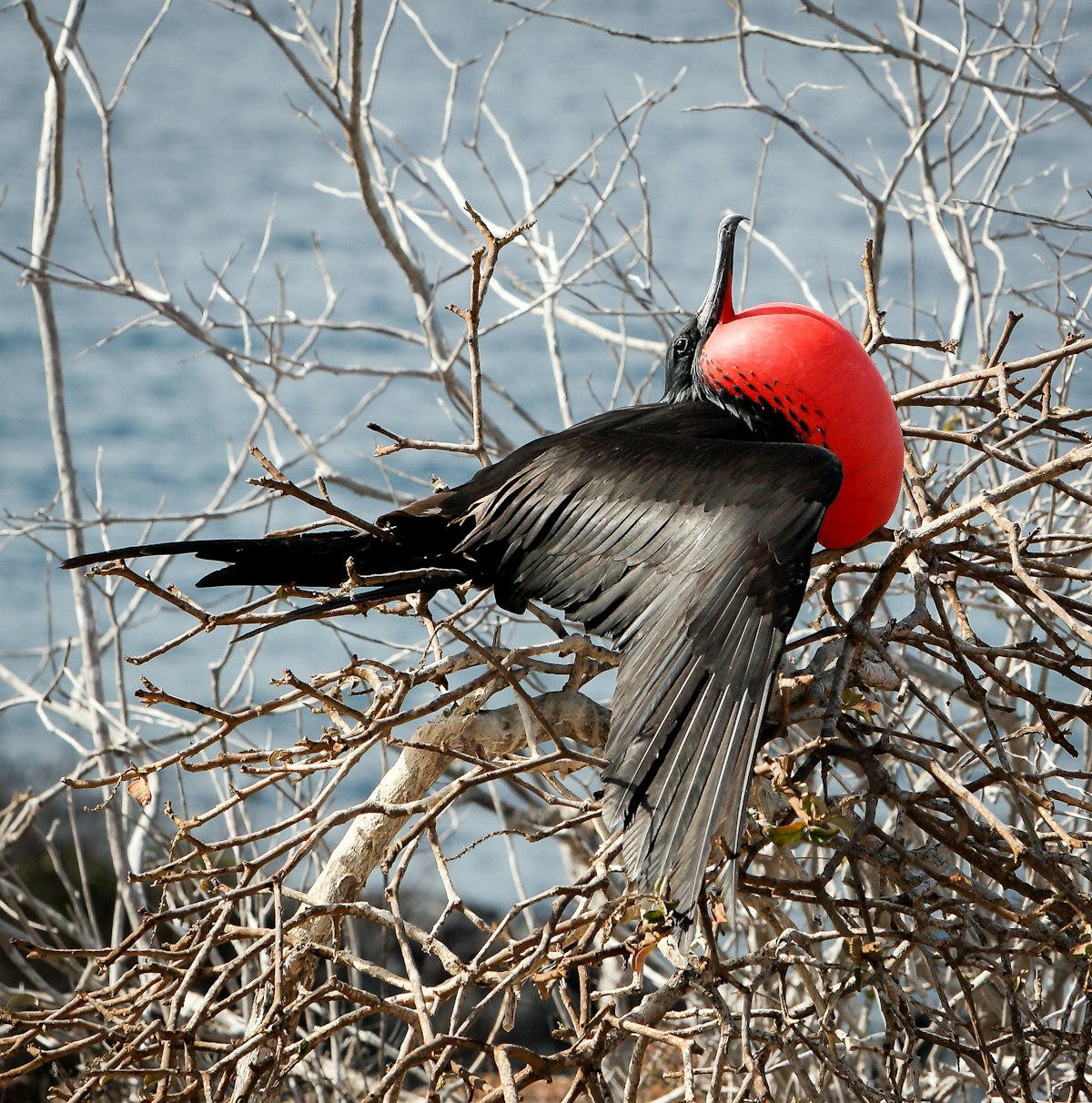
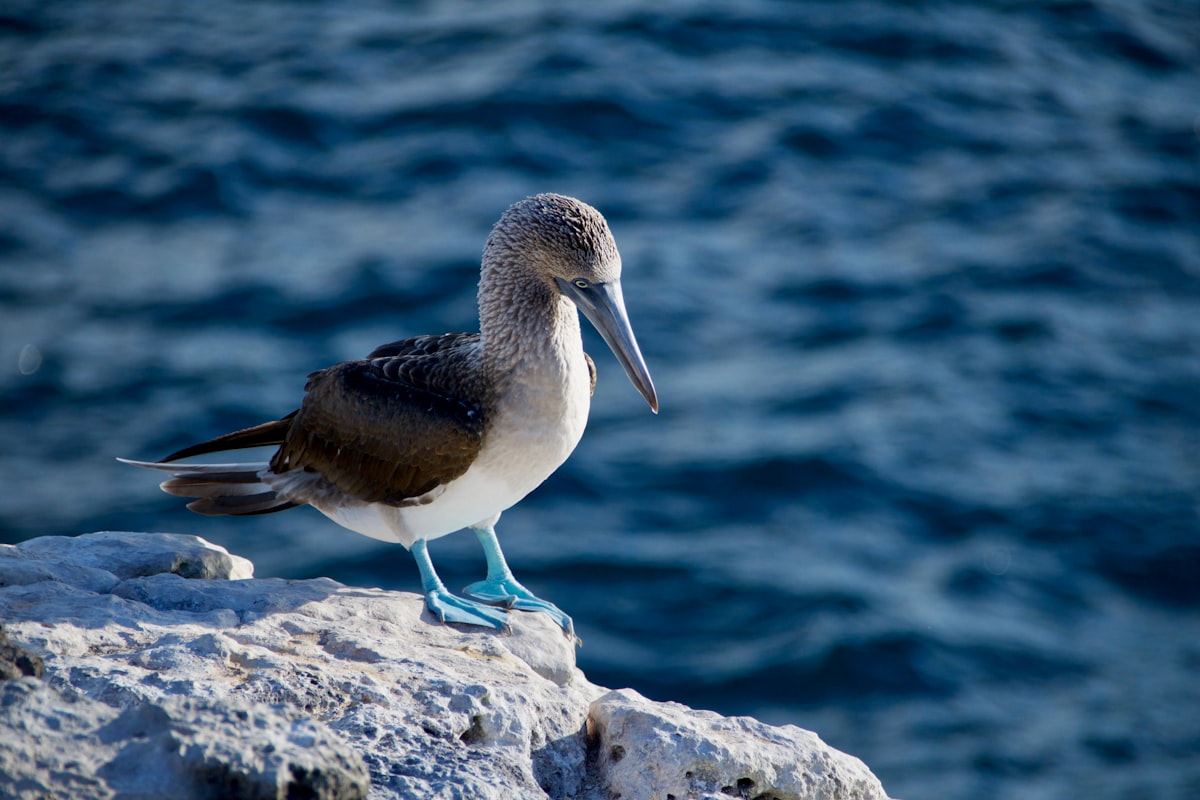
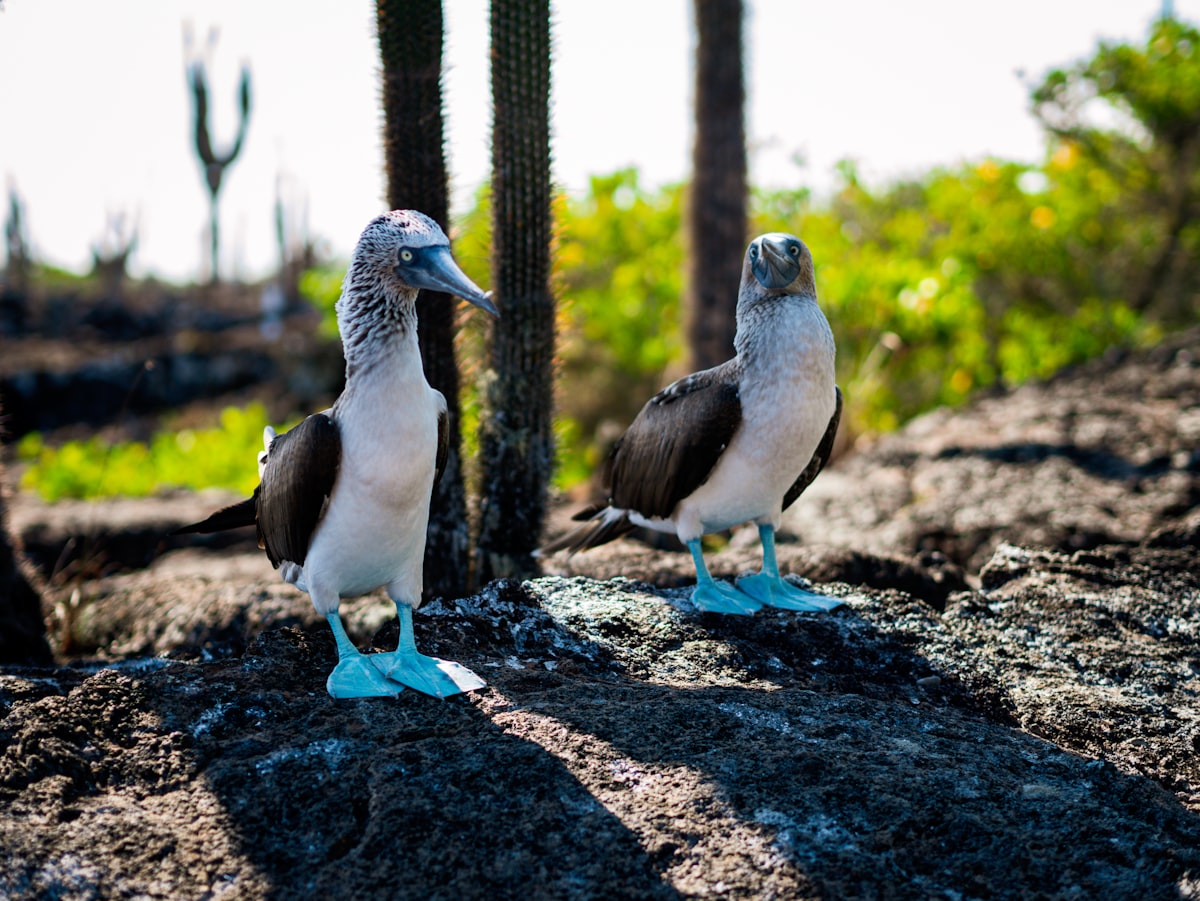
- ↑Blue-footed booby courtship dances beginning on North Seymour Islet and Española Island: the male's exaggerated high-step display with vivid blue feet raised in sequence is the most reliably photographed wildlife behavior in the archipelago
- ↑Sea lion colonies highly active with the current feeding cycle: juvenile sea lions playing in the surf at Punta Carola (San Cristóbal) and La Lobería are at their most playful in cool water
Sacrifices
- ↓School holiday season beginning: European and American visitors arriving in numbers that put liveaboard departures at peak capacity from late June through August
- ↓Overcast skies common in the morning: the garúa (seasonal mist from the cold Humboldt Current) blankets the highlands of Santa Cruz and reduces morning light for photography
July#8▾
Gains
- ↑Blue-footed booby breeding season on Española and North Seymour: the courtship dance — male holding blue feet up alternately, sky-pointing, gift-giving — at full display with chicks also visible at varying stages of development
- ↑Waved albatross nesting on Española Island (April–December, peak July–August): the only breeding colony in the world, with 30,000–40,000 birds performing their elaborate dancing courtship alongside the blue-footed boobies on the same island
- ↑Galápagos penguins most visible at Isabela and Bartolomé: cool Humboldt water (16–20°C) keeps them active at the surface throughout the day rather than resting in shade
Sacrifices
- ↓Peak season with peak prices: liveaboard cabins cost USD 300–500/person/night and require 6-month advance booking for July departures; Santa Cruz accommodation 30–40% above January rates
- ↓Overcast skies throughout the day (garúa): not ideal for landscape photography, though wildlife behavior photography is unaffected
August#12▾
Gains
- ↑Darwin and Wolf Islands whale shark season resumes (August–October): pregnant females aggregating at the same sites as February but with warmer air temperatures making surface intervals more comfortable
- ↑Blue-footed booby chicks visible across Española and North Seymour alongside adults in active parenting: a different and in some ways more intimate experience than the pure courtship displays of July
- ↑Fur seals at their most active in the cool Humboldt water: Santiago Island's James Bay and Darwin Bay on Genovesa are the best viewing sites for the endemic Galápagos fur seal
Sacrifices
- ↓Same peak pricing as July with no relief: the busiest two-month window of the cool season coincides with northern hemisphere school holidays and maximum liveaboard capacity
- ↓Coolest water of the year (15–18°C): comfortable in a 3mm wetsuit but cold for extended snorkelling sessions without proper thermal protection
September#9▾
Gains
- ↑Whale sharks still active at Darwin and Wolf Islands through September: post-August-peak crowds easing while the wildlife behavior remains at the same intensity
- ↑Snorkelling conditions improving as the Humboldt Current begins its seasonal retreat: visibility at Gordon Rocks and Kicker Rock at its clearest of the year in September–October
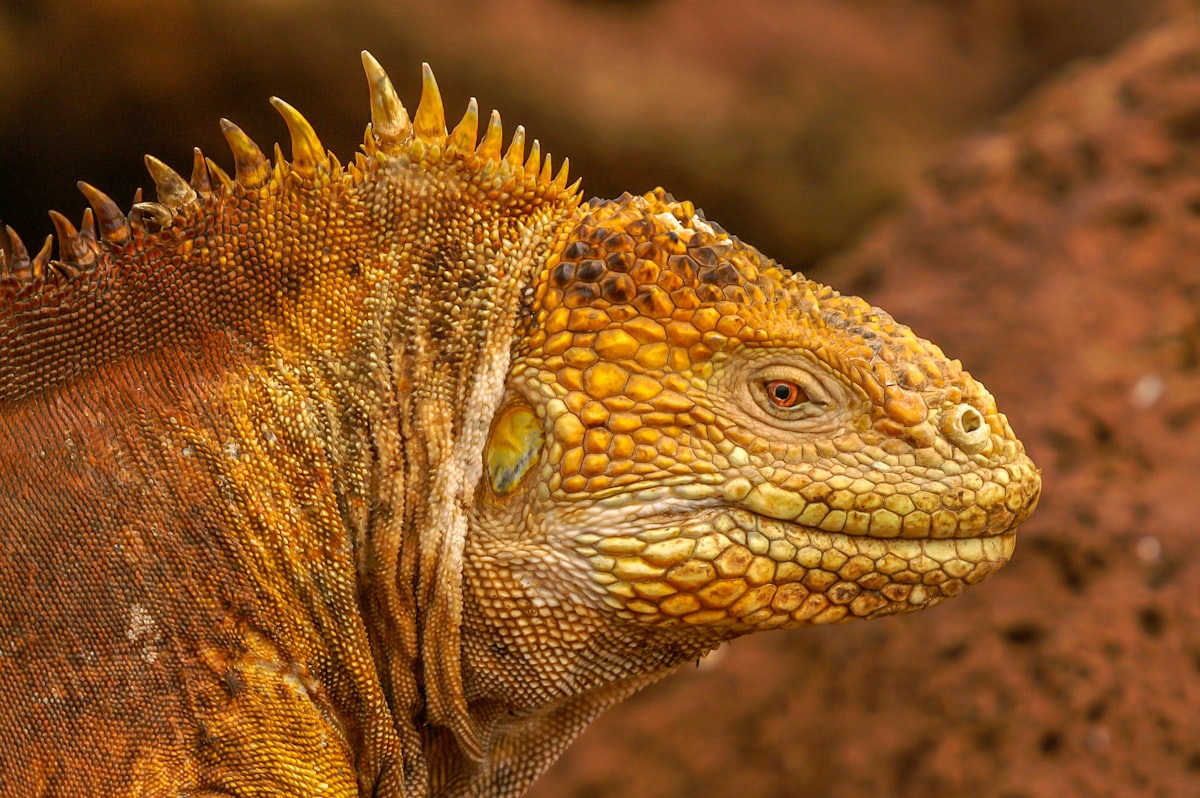
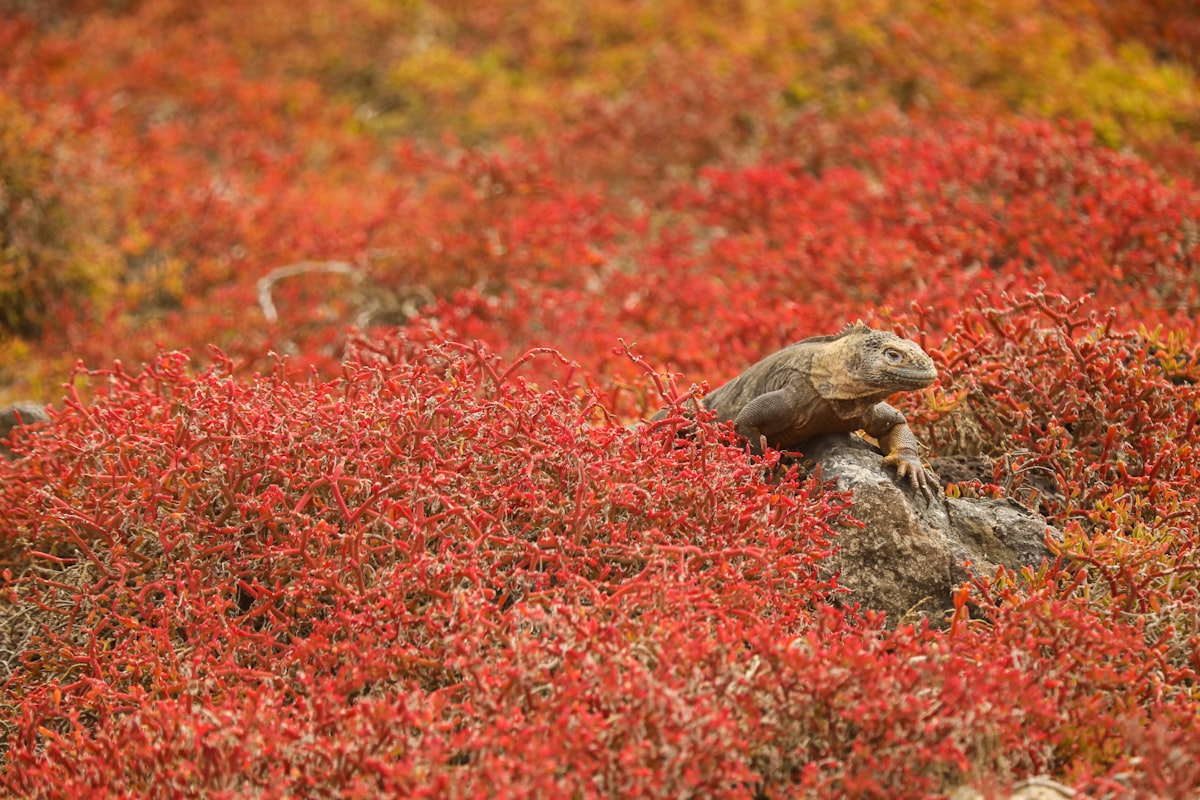
- ↑Land iguana nesting on Santa Cruz: the bright yellow land iguanas digging nests in the highland volcanic soils — a different spectacle from the marine iguanas' breeding colors
Sacrifices
- ↓Waved albatross departing Española Island from September: the breeding colony disperses into the open Pacific, reducing one of July-August's highlights
- ↓Still fairly expensive: liveaboard pricing hasn't fully eased from peak season despite reduced demand
October#6▾
Gains
- ↑Land iguana nesting continuing on Santa Cruz with hatchlings appearing at month's end: the yellow land iguanas of the Santa Cruz highlands in their most accessible season
- ↑Snorkelling visibility at its clearest of the cool season as the Humboldt begins easing: Kicker Rock (León Dormido), Wolf Island, and Gordon Rocks in ideal conditions
- ↑Liveaboard prices 15–25% below July-August peak: the best value window for those targeting whale sharks at Darwin or wildlife-dense cool-season experiences
Sacrifices
- ↓Whale shark aggregations at Darwin beginning to wind down as the Humboldt Current retreats — October is the end of the reliable Darwin Island season
- ↓Wildlife transition month: the dramatic cool-season breeding displays have ended while warm-season sea lion pups are weeks away — a quieter wildlife narrative than July or January
November#2▾
Gains
- ↑Whale sharks returning to Darwin and Wolf Islands for the warm-season aggregation (November–February): the first departures of the season available at lower pricing than peak months
- ↑Green sea turtles beginning their nesting season (November–February): females coming ashore to lay eggs on beaches at Bartolomé, Isabela, and Santa Cruz — night tours to observe nesting are available with certified guides
- ↑Water warming back toward warm-season temperatures (20–24°C): comfortable snorkelling without full wetsuit while wildlife transitions from cool-season species toward warm-season sea lion activity
Sacrifices
- ↓Brief warm-season rains returning from November: mostly short afternoon showers but can occasionally extend longer in bad years
- ↓Low season accommodation booking can mean less choice of rooms and cruise cabins than peak months
December#11▾
Gains
- ↑Warmest, clearest water of the year approaching by month-end (24–28°C): the snorkelling conditions that bring liveaboard operators back to the western islands after the cool season
- ↑Sea turtle nesting beginning at key sites: Bartolomé and the beaches of Isabela seeing female turtles come ashore, with guided night tours commencing from mid-December
- ↑Long sunny days with improving skies after the garúa: landscape photography and drone conditions improving significantly from November's transitional light
Sacrifices
- ↓Christmas and New Year school holidays: liveaboard departures at full capacity, Santa Cruz and Puerto Ayora accommodation booked months ahead at peak pricing
- ↓Rainfall returning with the warm season (40mm): afternoon showers daily though typically brief, and Christmas week can see sustained rain in some years
How this is calculated
Climate data
Open Meteo ERA5
30-year normals (1991–2020). Temperature, rainfall, sunshine, humidity.
Price & crowd
Tourism research
Seasonal pricing from tourism authority data. Directional — compares months within a destination only.
Personalisation
Weighted scoring
Your priorities change the weights. Budget-first users get different results than weather-first users.
Share this result
May is the best time to visit Galápagos Islands
Travel timing updates
New destinations and timing guides, when they land.
No spam. Unsubscribe anytime.