Showing: Feb · Unsplash / Unsplash
Ethiopia · East Africa
Best time to visit Lalibela
February
Feb scores highest overall — reliable weather and strong local atmosphere. Set your priorities below to personalise this result.
What matters most to you?
All 12 months — click any to expand
Feb
Unsplash / Unsplash
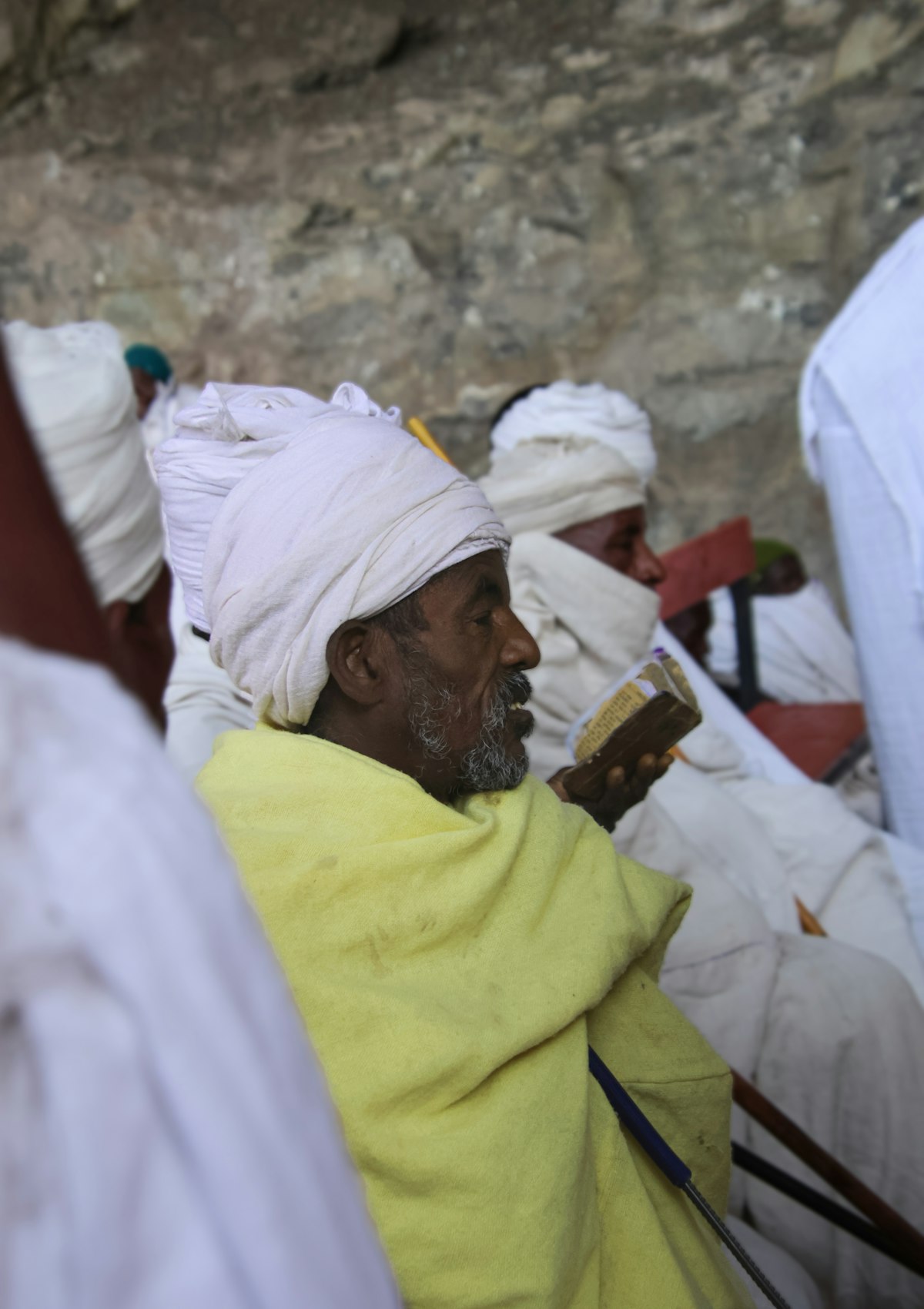
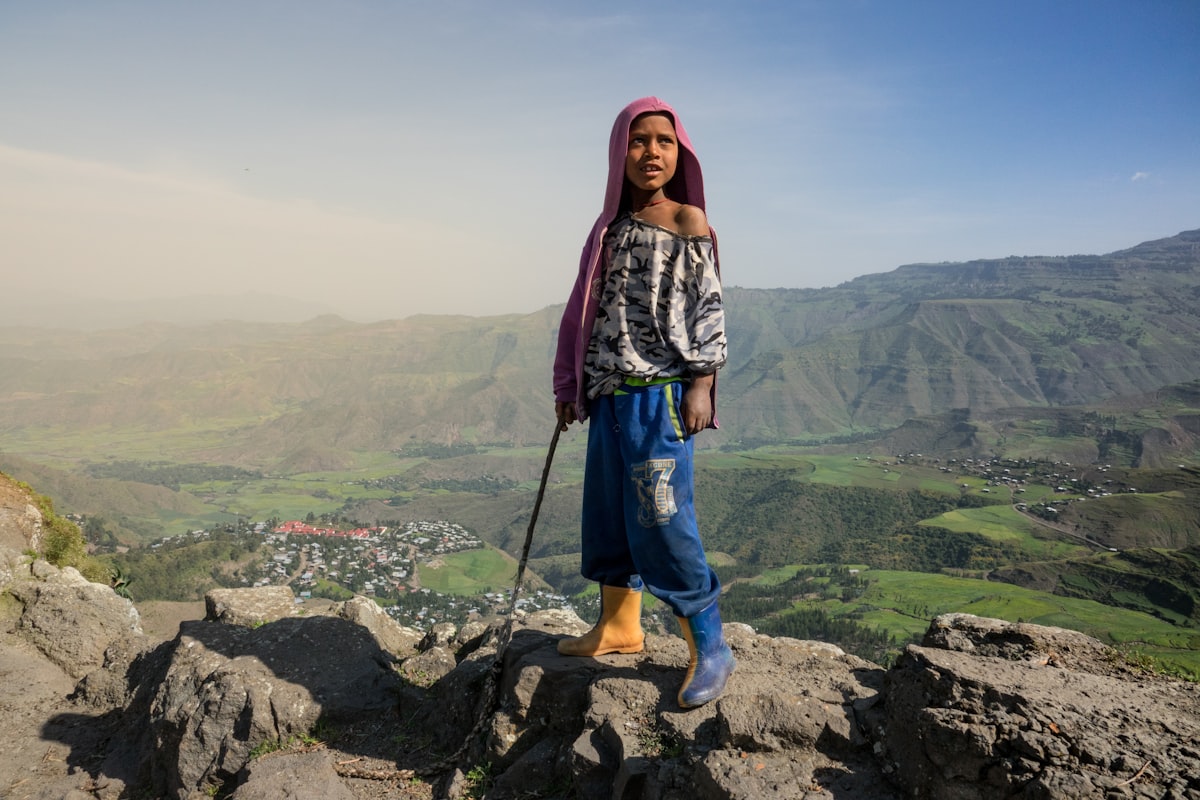
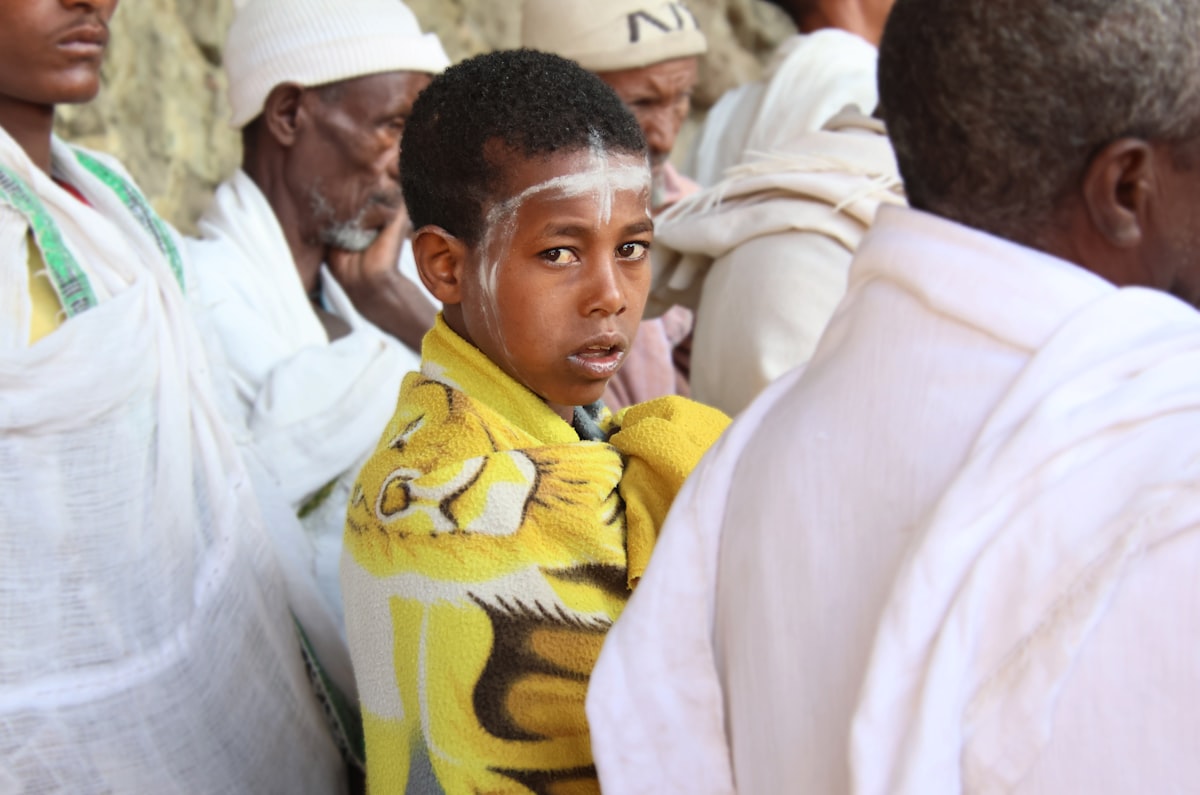
Post-Timkat calm descends — crowds thin but the dry highland air and 9 daily sun hours make this one of the finest months to explore the churches unhurried.
24°C
High
7°C
Low
20mm
Rain
9h
Sun/day
What you gain
- ↑Timkat often falls in late January or early February — check the Ethiopian Orthodox calendar for the exact date each year
- ↑Visitor numbers drop sharply after Timkat week, making the northern church cluster navigable without the January crush
- ↑Cool 7–24°C temperature range with near-zero rainfall — perfect for the outdoor passages connecting Bete Medhane Alem to Bete Maryam
What you sacrifice
- ↓If Timkat falls in early February, hotel rates spike for that week before dropping
- ↓Evenings drop to 7°C at 2,500m altitude — pack warm layers for pre-dawn church visits
Feb scores highest overall — reliable weather and strong local atmosphere. Set your priorities below to personalise this result.
Feb
Post-Timkat calm descends — crowds thin but the dry highland air and 9 daily sun hours make this one of the finest months to explore the churches unhurried.
24°C
High
20mm
Rain
9h
Sun
- ↑Timkat often falls in late January or early February — check the Ethiopian Orthodox calendar for the exact date each year
- ↑Visitor numbers drop sharply after Timkat week, making the northern church cluster navigable without the January crush
- ↑Cool 7–24°C temperature range with near-zero rainfall — perfect for the outdoor passages connecting Bete Medhane Alem to Bete Maryam
- ↓If Timkat falls in early February, hotel rates spike for that week before dropping
- ↓Evenings drop to 7°C at 2,500m altitude — pack warm layers for pre-dawn church visits
Top travel windows
★ BestFebruary
Best overall
Highest combined score
24°C
High
20mm
Rain
9h
Sun
June
Best for value
Lowest prices & fees
23°C
High
130mm
Rain
5h
Sun
May
Fewest crowds
Quietest month
25°C
High
45mm
Rain
7.5h
Sun
Breakdown by priority
Best for weather
February
24°C high · 20mm rain · 9hrs sun/day
Best for budget
June
Budget-level accommodation and flights — the cheapest month to visit Lalibela by a significant margin
Fewest crowds
May
Lowest tourist numbers of the entire year — Bete Giyorgis and the northern cluster essentially deserted outside local morning prayers
Worst time to visit
July, August
230mm of rain makes this the wettest month — daily heavy downpours disrupt any outdoor itinerary
Where to stay in Lalibela
All neighbourhoods →Northern Cluster
The heart of the complex — seven interconnected churches including the vast Bete Medhane Alem and the richly decorated Bete Maryam.
10/10
Central
9/10
Walk
6/10
Transit
Bete Giyorgis Area
Home of the iconic cross-shaped St George church — the most photographed monument in Ethiopia.
7/10
Central
8/10
Walk
5/10
Transit
Also exploring
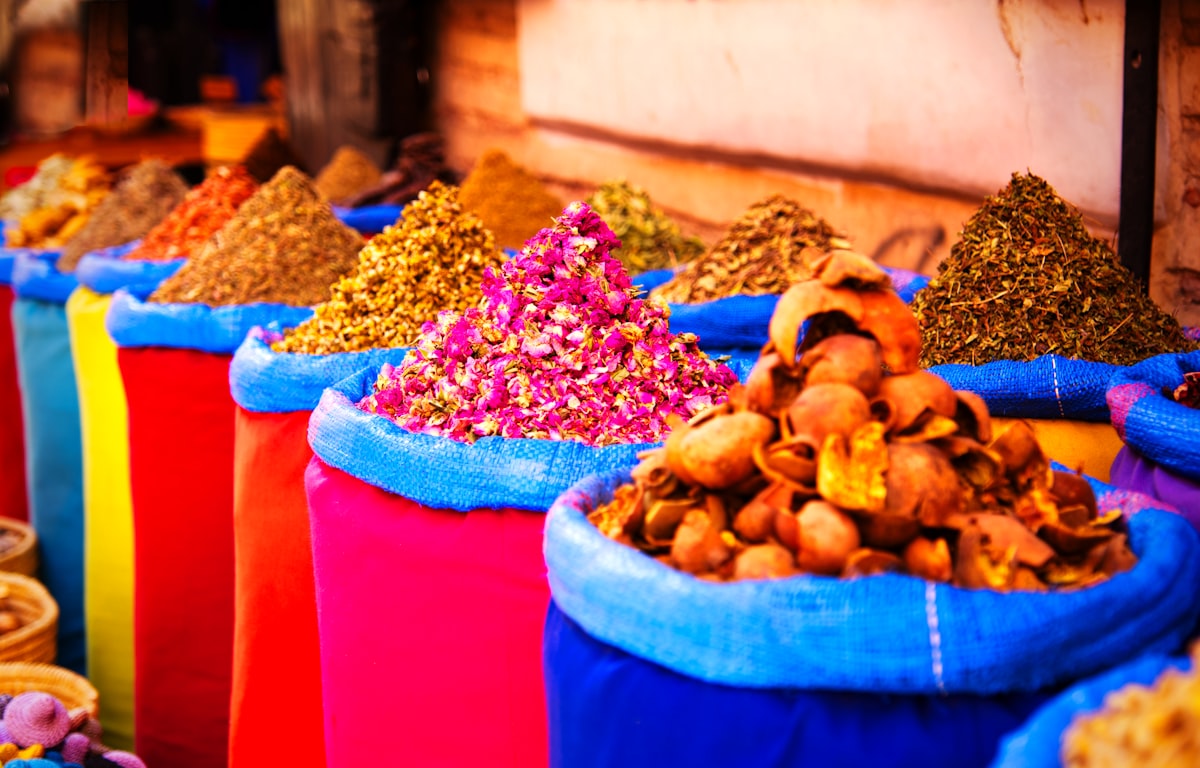
Marrakech
Morocco
A city of medieval medina markets, orange groves, and Atlas Mountain views where summer heat is genuinely dangerous and spring timing is everything.

Cape Town
South Africa
Africa's most dramatic city — where timing means choosing between the dry, sunny austral summer (November–March) for beaches and hiking, and the cooler winter months when southern right whales arrive in False Bay and the wildflowers transform the West Coast.

Zanzibar
Tanzania
A UNESCO-listed Swahili trading city, world-class kite surfing, whale shark encounters, and Indian Ocean beaches — Tanzania's island extension is one of Africa's most compelling destinations, shaped by two distinct rainy seasons that divide the year sharply into when to go and when not to.
Worth knowing
February scores highest overall. December is the most crowded month — avoid if you can. See crowd-free ranking →
Month by month breakdown
January#4▾
Gains
- ↑Genna (Jan 7): pilgrims fill every carved courtyard with candlelight, chanting, and incense — the most atmospheric event in the Ethiopian Orthodox calendar
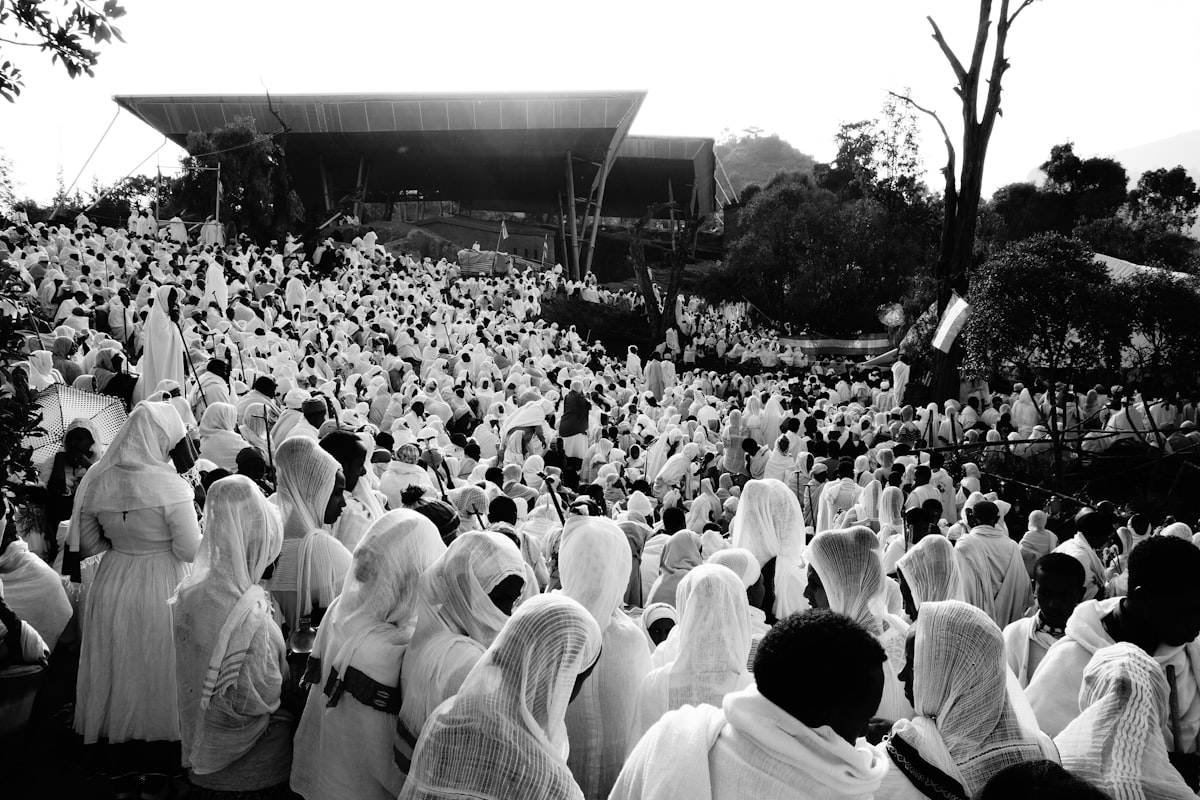
- ↑Timkat (Epiphany, ~Jan 19): priests carry the Ark of the Covenant replicas through the streets in colourful processions at dawn
- ↑Peak dry season with 9 sunshine hours daily and cool 5–22°C range ideal for exploring the underground church passages on foot
Sacrifices
- ↓Festival weeks push accommodation to annual peak prices — book 3–4 months ahead for anything near the churches
- ↓Crowds at Genna and Timkat can make the narrow rock-cut passages difficult to navigate
- ↓International flights to Lalibela via Addis Ababa book out early in December for January dates
February#1▾
Gains
- ↑Timkat often falls in late January or early February — check the Ethiopian Orthodox calendar for the exact date each year
- ↑Visitor numbers drop sharply after Timkat week, making the northern church cluster navigable without the January crush
- ↑Cool 7–24°C temperature range with near-zero rainfall — perfect for the outdoor passages connecting Bete Medhane Alem to Bete Maryam
Sacrifices
- ↓If Timkat falls in early February, hotel rates spike for that week before dropping
- ↓Evenings drop to 7°C at 2,500m altitude — pack warm layers for pre-dawn church visits
March#7▾
Gains
- ↑Lowest international tourist numbers of the cool season — the Bete Giyorgis courtyard often deserted in the morning
- ↑Prices drop 25–30% from January peak across all accommodation categories
- ↑Fasika (Ethiopian Easter) sometimes falls in March — check the Ethiopian Orthodox calendar for an alternative major festival
Sacrifices
- ↓Short rains bring 55mm across the month — occasional afternoon showers can disrupt outdoor exploration
- ↓Humidity rising to 50% makes the carved passages feel slightly damp
April#8▾
Gains
- ↑Most affordable month for flights and accommodation — budget guesthouses near the Bete Giyorgis complex are excellent value
- ↑Fasika (Ethiopian Easter) often falls in April — colourful pre-dawn liturgies at Bete Maryam are open to respectful visitors
- ↑Thin crowds mean private access to the underground tunnel connecting Bete Merkorios to the eastern cluster
Sacrifices
- ↓70mm monthly rainfall means muddy paths between churches — waterproof sandals essential for the rock-cut trenches
- ↓Overcast skies reduce sunshine to 7 hours — photography of the church facades can be flat compared to the dry months
May#6▾
Gains
- ↑Lowest tourist numbers of the entire year — Bete Giyorgis and the northern cluster essentially deserted outside local morning prayers
- ↑Rainfall dropping back to 45mm gives mostly dry mornings ideal for exploring the Asheton Maryam monastery trail
- ↑Budget prices across all categories — comfortable guesthouses available for a fraction of January rates
Sacrifices
- ↓No major festival anchor — a visit in May is about the architecture and solitude rather than pilgrimage atmosphere
- ↓Overcast periods still possible in the afternoons as the rainy season approaches
June#9▾
Gains
- ↑Budget-level accommodation and flights — the cheapest month to visit Lalibela by a significant margin
- ↑The churches themselves are carved into rock and fully accessible regardless of rain
- ↑Ethiopian local feast days continue year-round — morning liturgies at the northern cluster proceed in all weather
Sacrifices
- ↓130mm monthly rainfall makes outdoor passages between churches muddy and slippery — good waterproof footwear is mandatory
- ↓Only 5 sunshine hours daily; overcast skies flatten the dramatic shadows that define church photography
- ↓The mule trail to Asheton Maryam monastery becomes treacherous in heavy rain
July#11▾
Gains
- ↑Rock-hewn churches remain fully accessible and open — the underground interiors are unaffected by rainfall
- ↑Budget prices at their lowest: rock-bottom guesthouse rates, near-empty sites, and negotiable guide fees
Sacrifices
- ↓230mm of rain makes this the wettest month — daily heavy downpours disrupt any outdoor itinerary
- ↓Roads to outlying sites and the Asheton Maryam mountain monastery become impassable in peak rain
- ↓Only 4 daily sunshine hours; landscape photography essentially impossible
August#12▾
Gains
- ↑Absolute cheapest rates for flights and accommodation of the entire year
- ↑Church interiors are quiet, cool, and unaffected by rain — a contemplative visit to the carved sanctuaries is still possible
Sacrifices
- ↓240mm is the single wettest month — near-daily heavy downpours make outdoor movement uncomfortable and some trails impassable
- ↓82% humidity alongside cool 20°C air creates persistently damp conditions — pack accordingly
- ↓Surrounding highland landscape is cloud-covered most days; the panoramic views from the plateau are hidden
September#10▾
Gains
- ↑Meskel (Sep 27): the Finding of the True Cross festival brings bonfires, singing, and yellow meskel flowers across the town — a genuine highlight
- ↑Rains easing late in the month — the last week of September offers much improved conditions as the dry season approaches
- ↑Prices still near rainy-season lows even as weather improves
Sacrifices
- ↓140mm rainfall in September means heavy rain for the first three weeks — the festival window in the final days of the month is the reward
- ↓Paths between churches remain muddy throughout most of the month
October#2▾
Gains
- ↑Post-rainy season clarity: the highland landscape turns emerald green beneath brilliant blue skies — the best photography conditions of the year
- ↑Meskel (late September into early October atmosphere): the town still carries the festive energy of the True Cross celebrations
- ↑Comfortable 7–24°C range ideal for the full church circuit plus the hike up to Asheton Maryam monastery
Sacrifices
- ↓Tourist numbers beginning to rebuild from rainy-season lows — prices tick up from September
- ↓Early October can still see occasional residual showers as the rainy season officially closes
November#5▾
Gains
- ↑Near-perfect weather: 5–23°C with only 10mm of rain across the entire month and 9 daily sunshine hours
- ↑Moderate visitor levels mean comfortable access to all 11 churches without January congestion
- ↑Highland air at its clearest — sharp photographs of the Bete Giyorgis cross-shaped roof and the Bete Medhane Alem facade
Sacrifices
- ↓Cool nights at 5°C at 2,500m altitude — warm sleeping bags needed for budget accommodation without heating
- ↓Prices climbing as the December pilgrimage season approaches
December#3▾
Gains
- ↑Pre-Genna atmosphere intensifies through December — daily morning masses at all 11 churches draw increasing numbers of pilgrims
- ↑Only 8mm of rain across the month and 9 daily sunshine hours — the best photographic light of the year on the church facades
- ↑Cool 4–22°C range ideal for walking between all clusters; cold nights add to the contemplative highland atmosphere
Sacrifices
- ↓Accommodation books out weeks in advance for the Genna period — plan and pay upfront
- ↓Annual peak prices across flights and hotels; budget options fill first
How this is calculated
Climate data
Open Meteo ERA5
30-year normals (1991–2020). Temperature, rainfall, sunshine, humidity.
Price & crowd
Tourism research
Seasonal pricing from tourism authority data. Directional — compares months within a destination only.
Personalisation
Weighted scoring
Your priorities change the weights. Budget-first users get different results than weather-first users.
Share this result
February is the best time to visit Lalibela
Travel timing updates
New destinations and timing guides, when they land.
No spam. Unsubscribe anytime.