
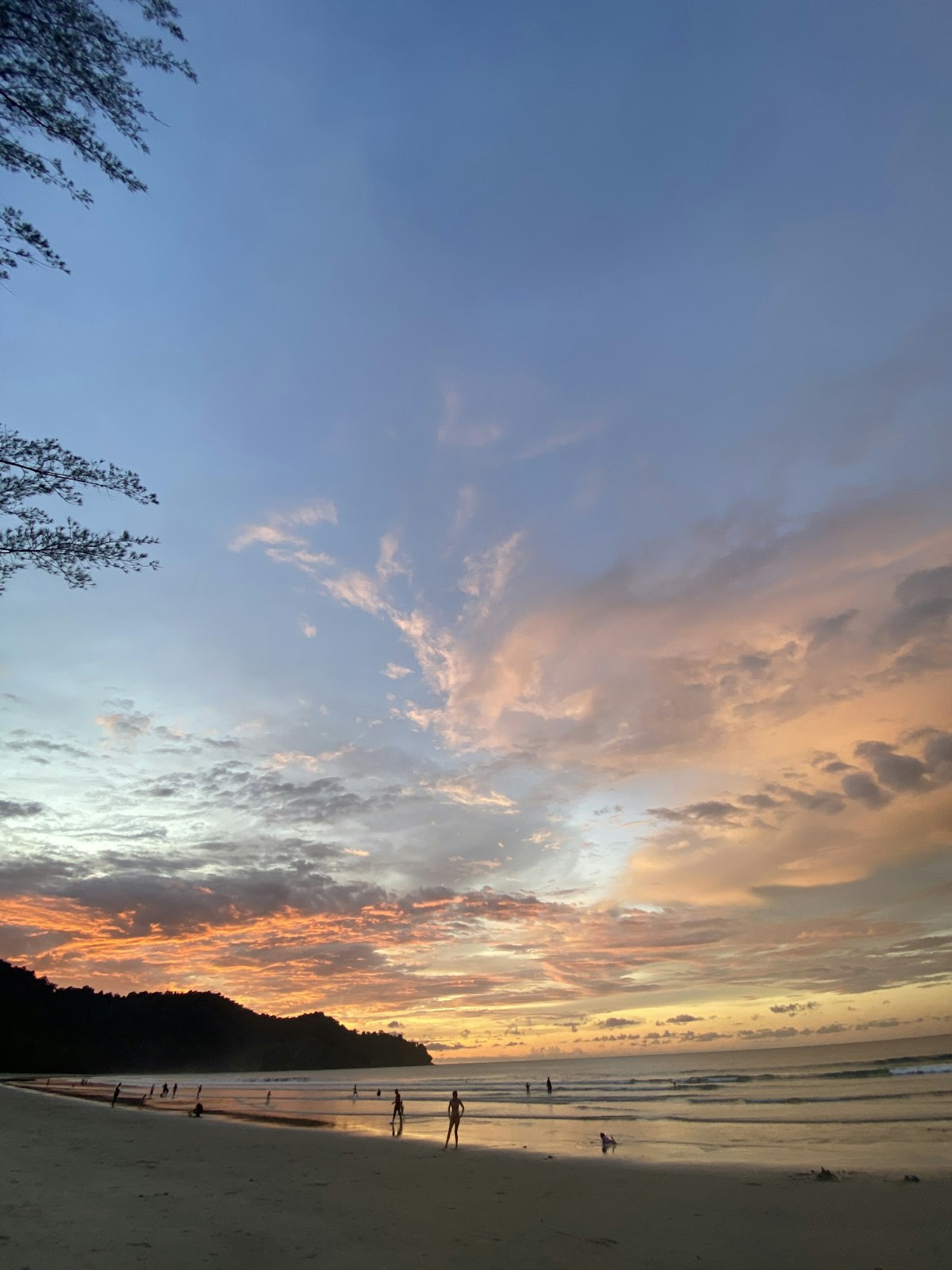
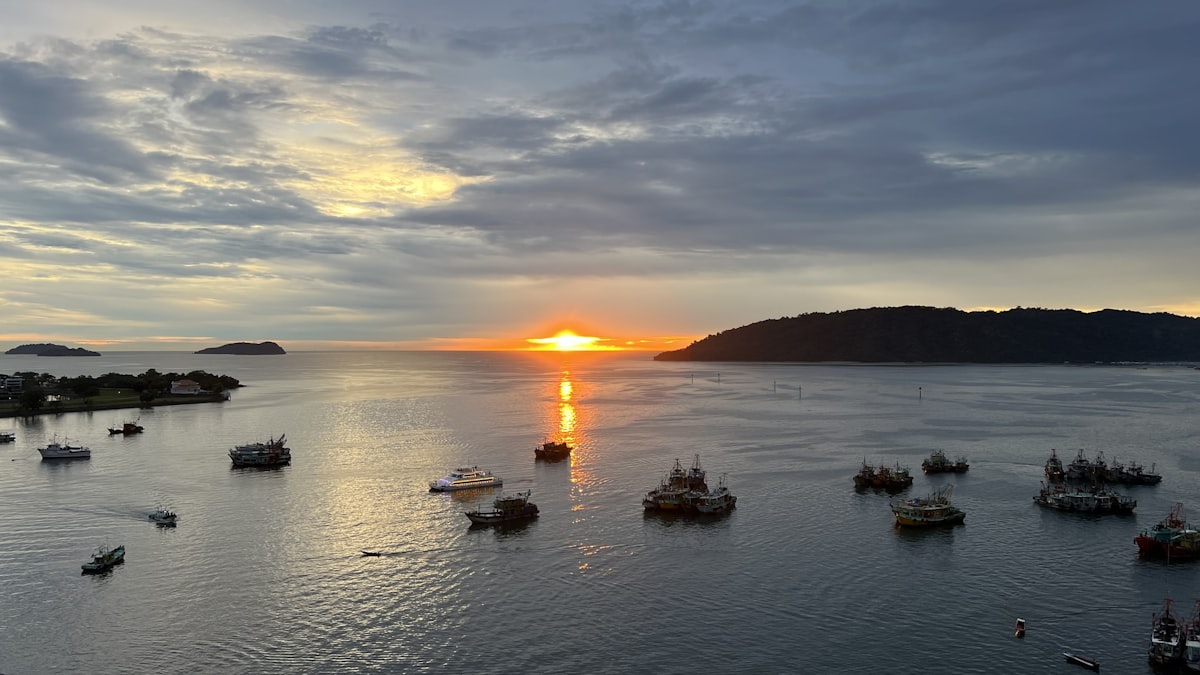
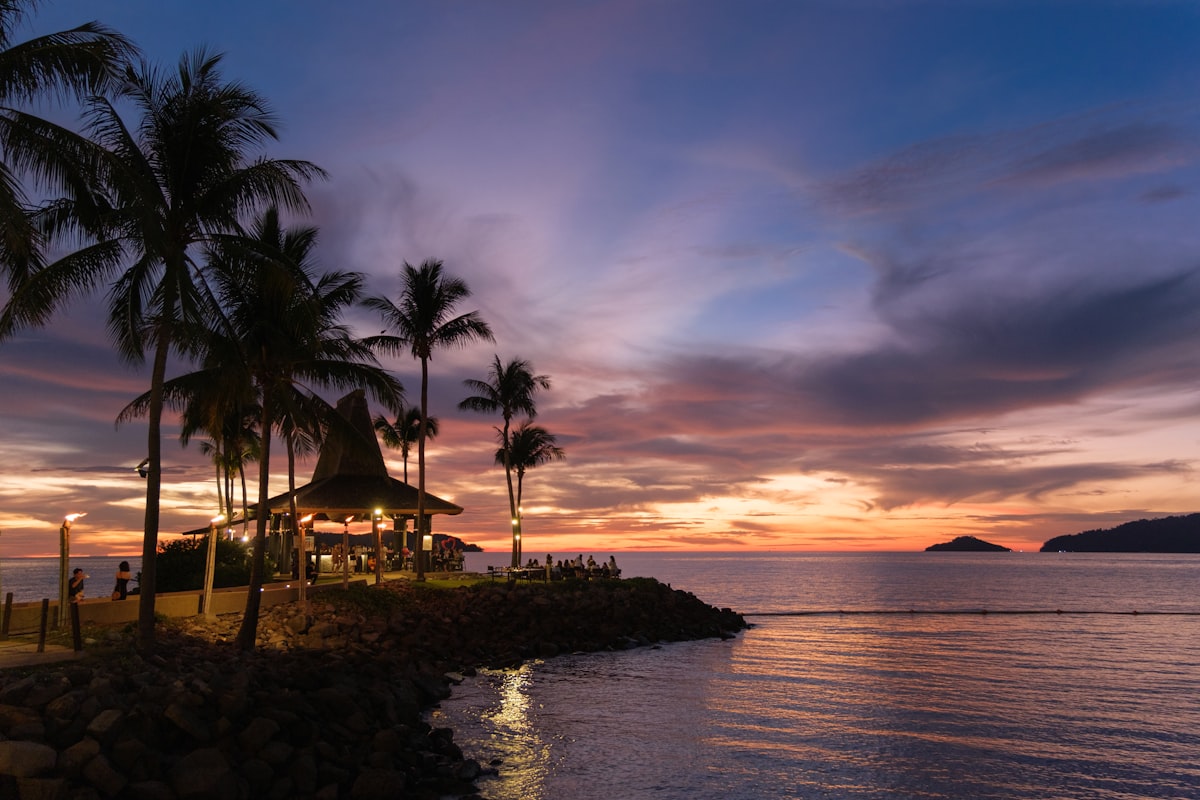
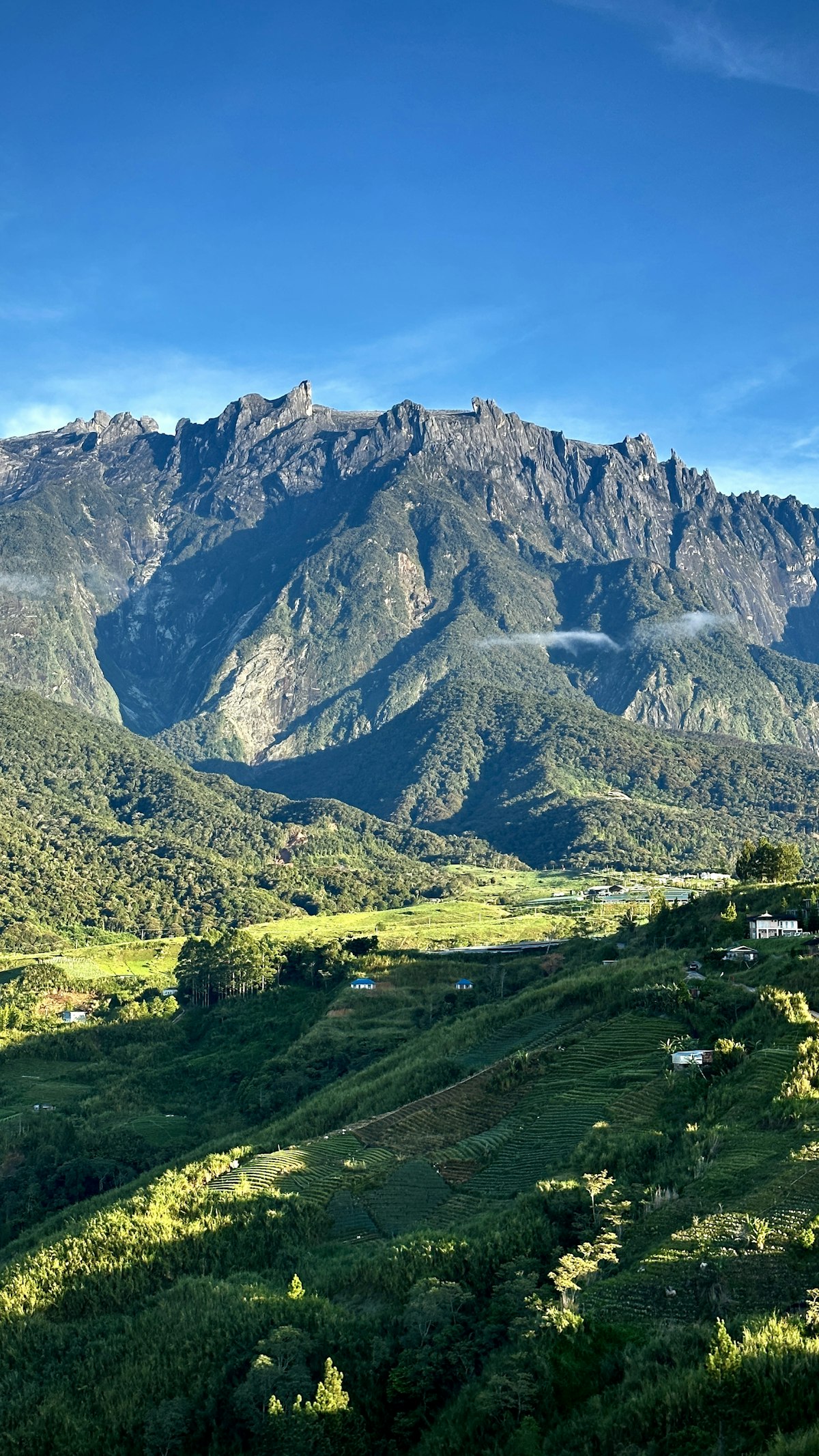
Showing: Mar · Bryan Heng / Unsplash
Malaysia · Southeast Asia
Best time to visit Kota Kinabalu
March
Mar scores highest overall — reliable weather and strong local atmosphere. Set your priorities below to personalise this result.
What matters most to you?
All 12 months — click any to expand
Mar
Bryan Heng / Unsplash
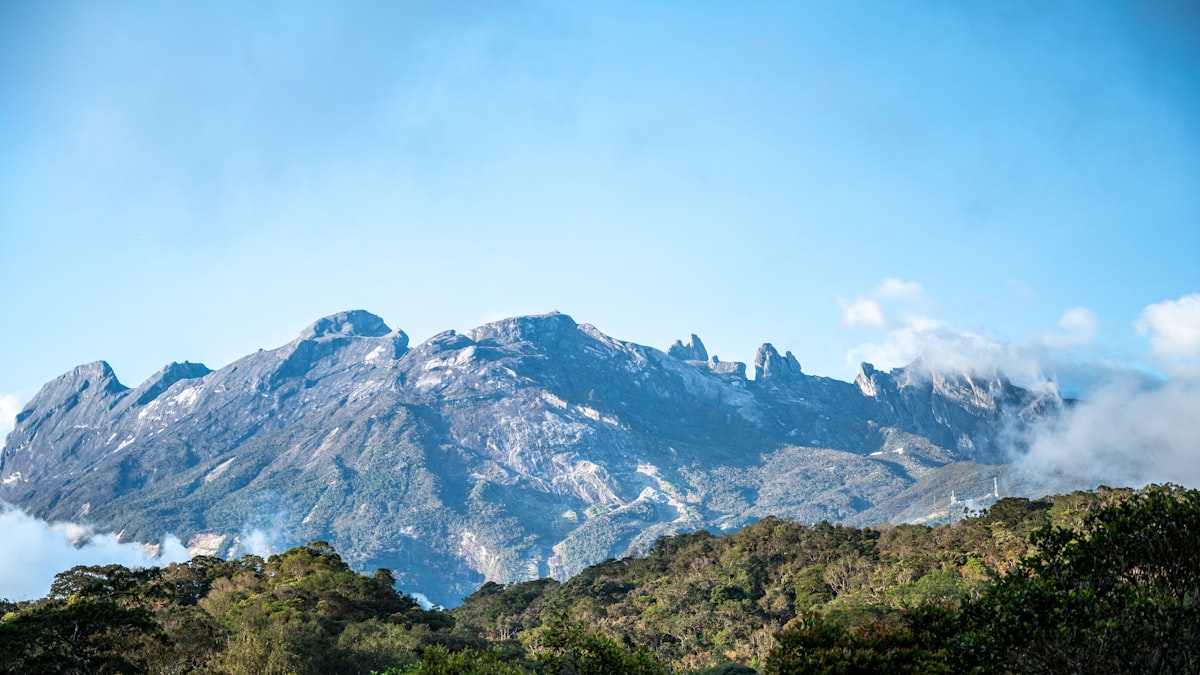
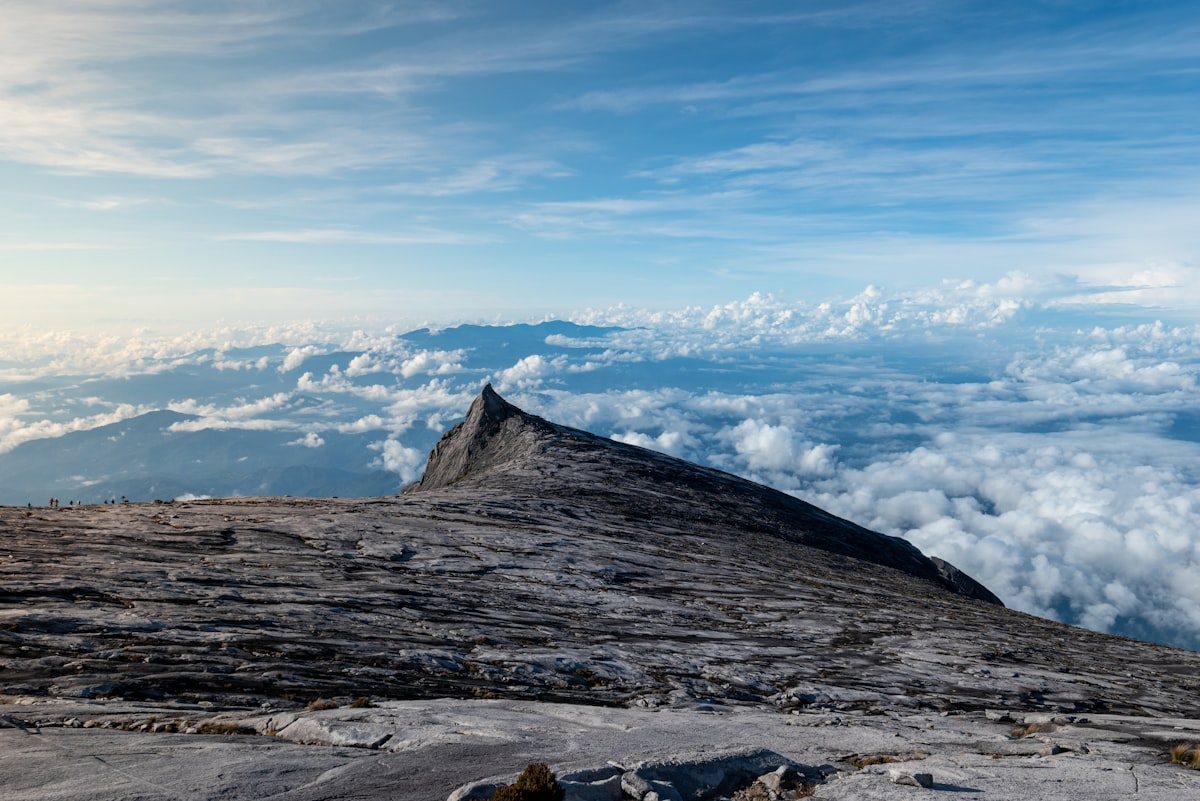
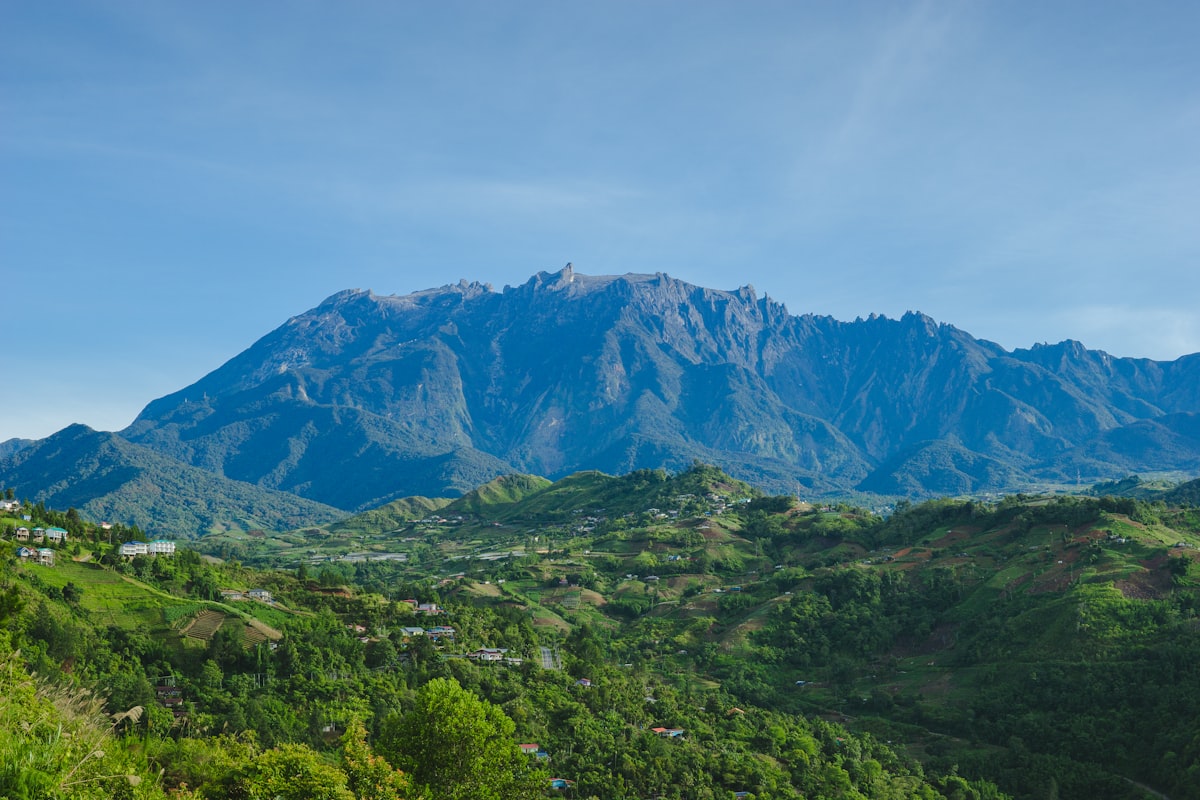
Best month overall: 32°C, 95mm rain, and the clearest views of Mount Kinabalu.
32°C
High
24°C
Low
95mm
Rain
7.5h
Sun/day
What you gain
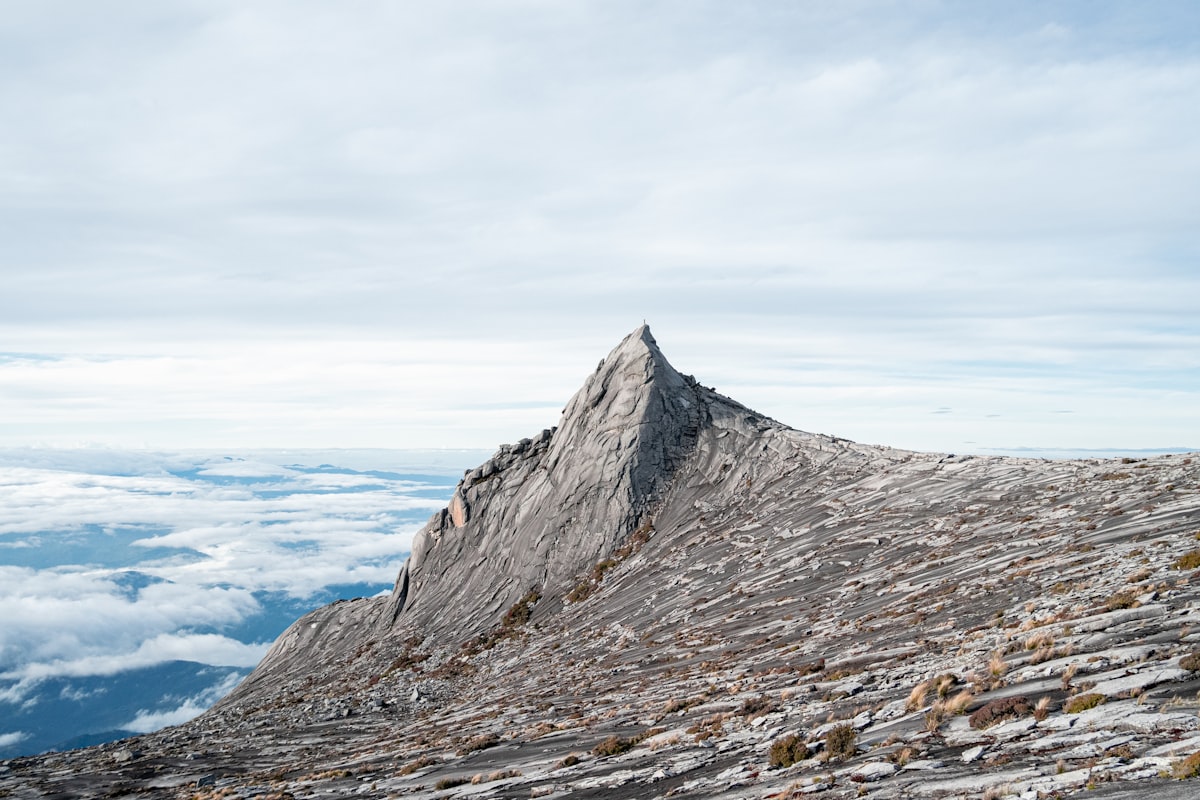
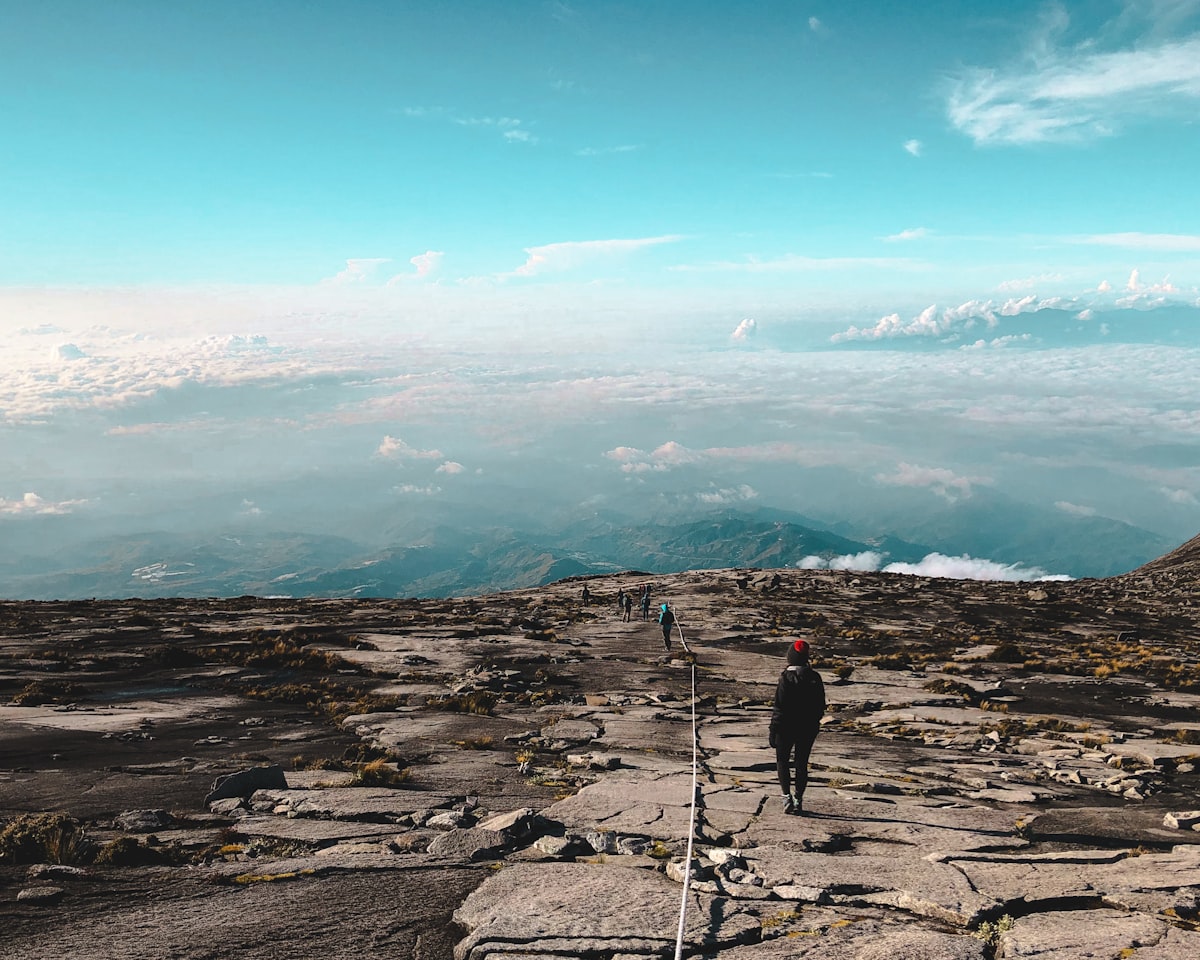
- ↑Driest skies of the year — Mt Kinabalu summit at 4,095m rewards climbers with panoramas across Borneo
- ↑Marine park islands at their best: clear coral visibility, calm seas, and white sand beaches uncrowded
- ↑Firefly river tours on the Klias and Garama rivers run reliably; low water clarity aids the spectacle
What you sacrifice
- ↓Mt Kinabalu summit permits book out fast — plan and pay at least 2 months in advance
- ↓Prices rising from February lows as word spreads about the dry season
- ↓Humidity still 76% — midday in the city centre is hot even on sunny days
Mar scores highest overall — reliable weather and strong local atmosphere. Set your priorities below to personalise this result.
Mar
Best month overall: 32°C, 95mm rain, and the clearest views of Mount Kinabalu.
32°C
High
95mm
Rain
7.5h
Sun
- ↑Driest skies of the year — Mt Kinabalu summit at 4,095m rewards climbers with panoramas across Borneo
- ↑Marine park islands at their best: clear coral visibility, calm seas, and white sand beaches uncrowded
- ↑Firefly river tours on the Klias and Garama rivers run reliably; low water clarity aids the spectacle
- ↓Mt Kinabalu summit permits book out fast — plan and pay at least 2 months in advance
- ↓Prices rising from February lows as word spreads about the dry season
- ↓Humidity still 76% — midday in the city centre is hot even on sunny days
Top travel windows
★ BestMarch
Best overall
Highest combined score
32°C
High
95mm
Rain
7.5h
Sun
February
Best for value
Lowest prices & fees
31°C
High
120mm
Rain
7h
Sun
November
Fewest crowds
Quietest month
30°C
High
270mm
Rain
5h
Sun
Breakdown by priority
Best for weather
March
32°C high · 95mm rain · 7.5hrs sun/day
Best for budget
February
Significant improvement over January — mostly sunny mornings with short afternoon showers
Fewest crowds
November
Quietest month for foreign visitors: city centre hotels at rock-bottom rates
Where to stay in Kota Kinabalu
All neighbourhoods →
City Centre & Waterfront
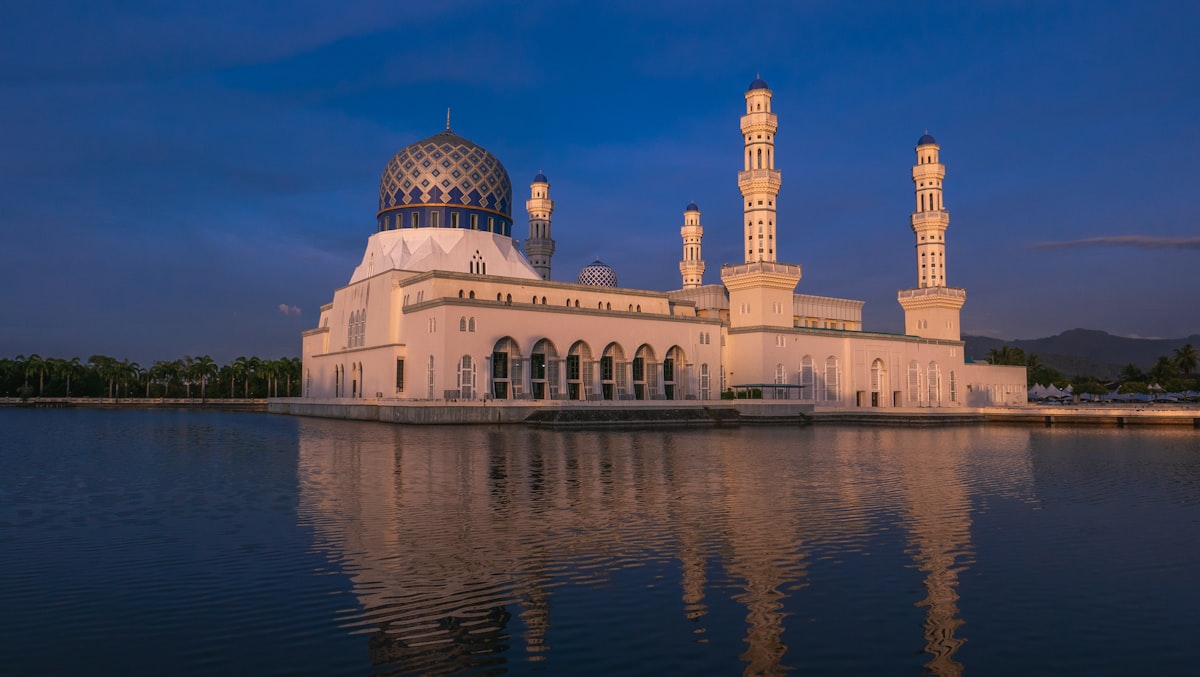
KK's compact hub — night market seafood, Signal Hill views, the State Mosque, and the marine park boat jetty.
10/10
Central
8/10
Walk
6/10
Transit
Tunku Abdul Rahman Marine Park
Five islands 15 minutes by boat — Sapi, Manukan, and Gaya offer snorkelling, white beaches, and zero-car tranquillity.
7/10
Central
7/10
Walk
3/10
Transit
Also exploring
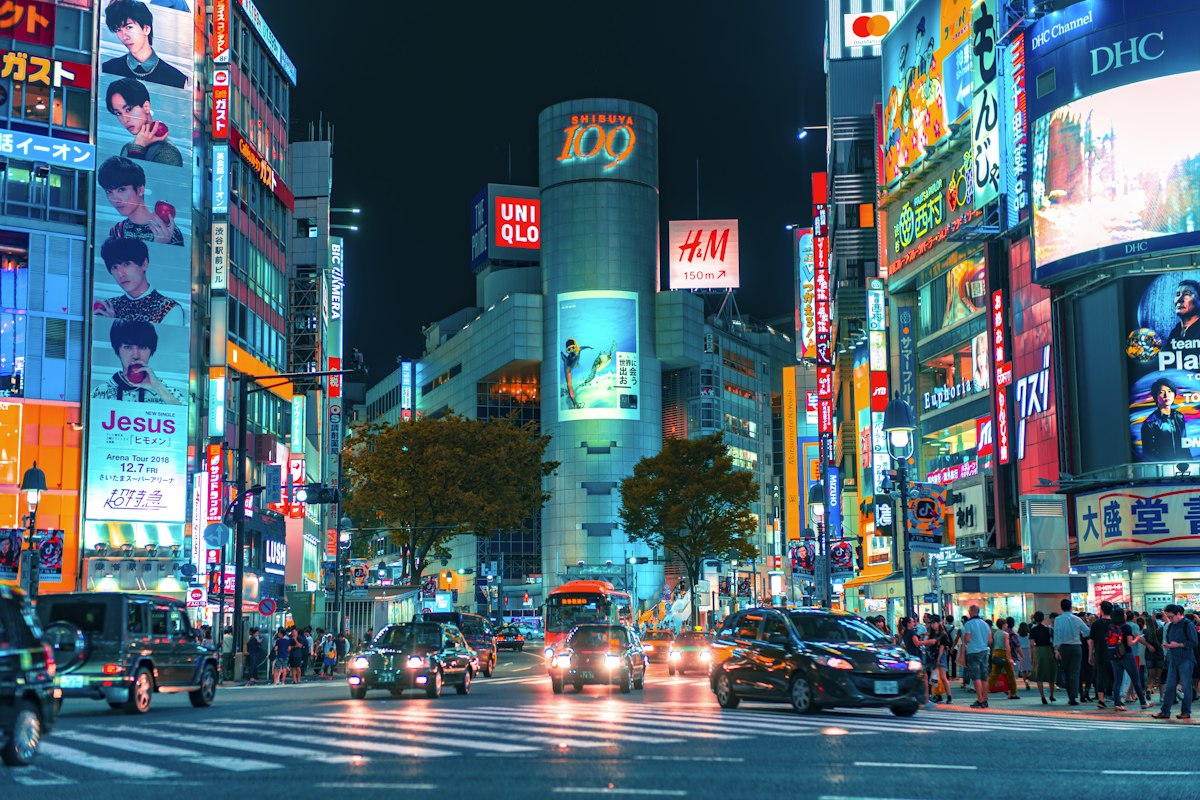
Tokyo
Japan
A city of dramatic seasonal contrasts — cherry blossom crowds, oppressive summer humidity, and golden autumn foliage — where the wrong timing can make or break the trip.
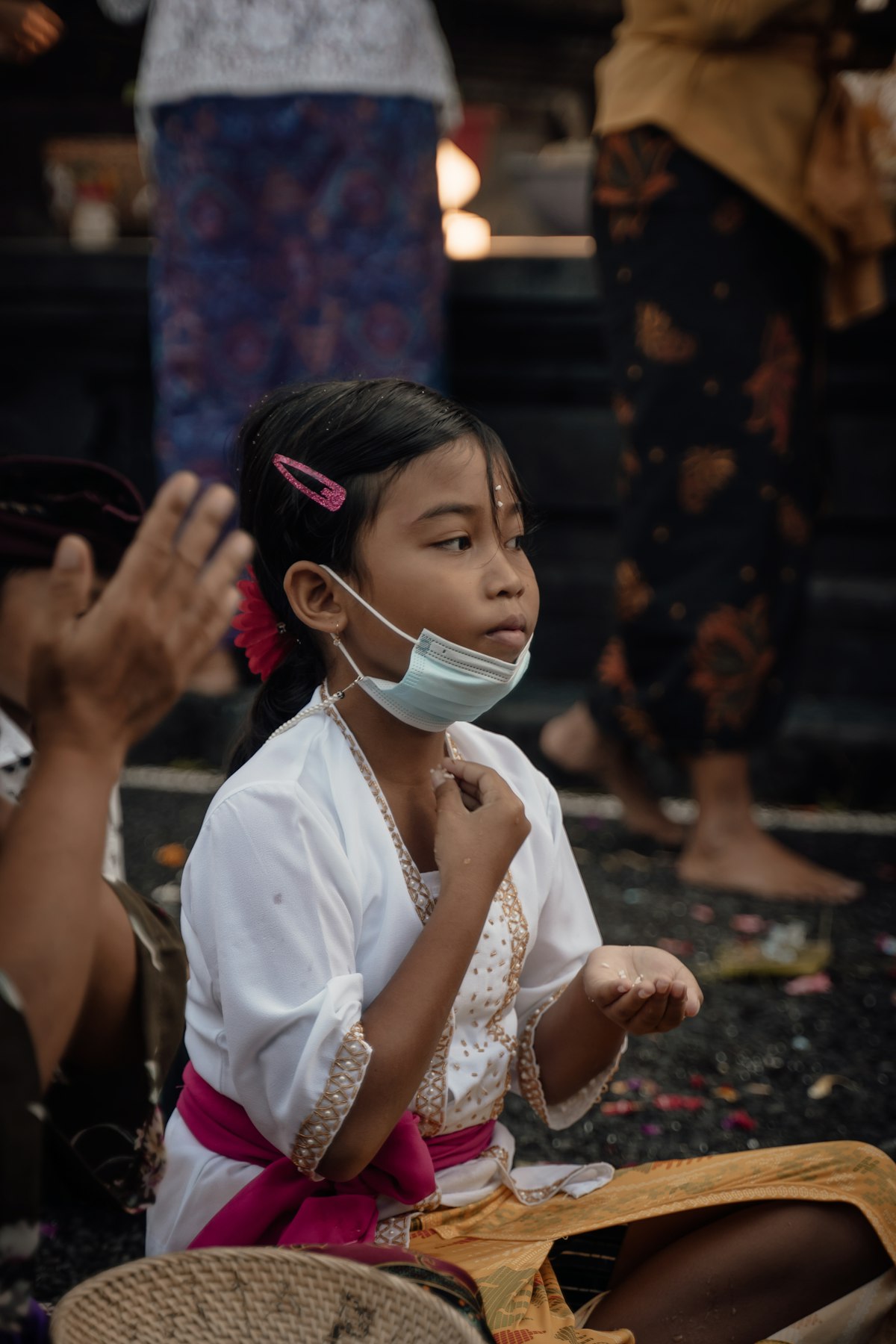
Bali
Indonesia
A Hindu island of rice terraces, temple ceremonies, and surf breaks where the monsoon makes timing genuinely binary — the difference between dry and wet season is not subtle.
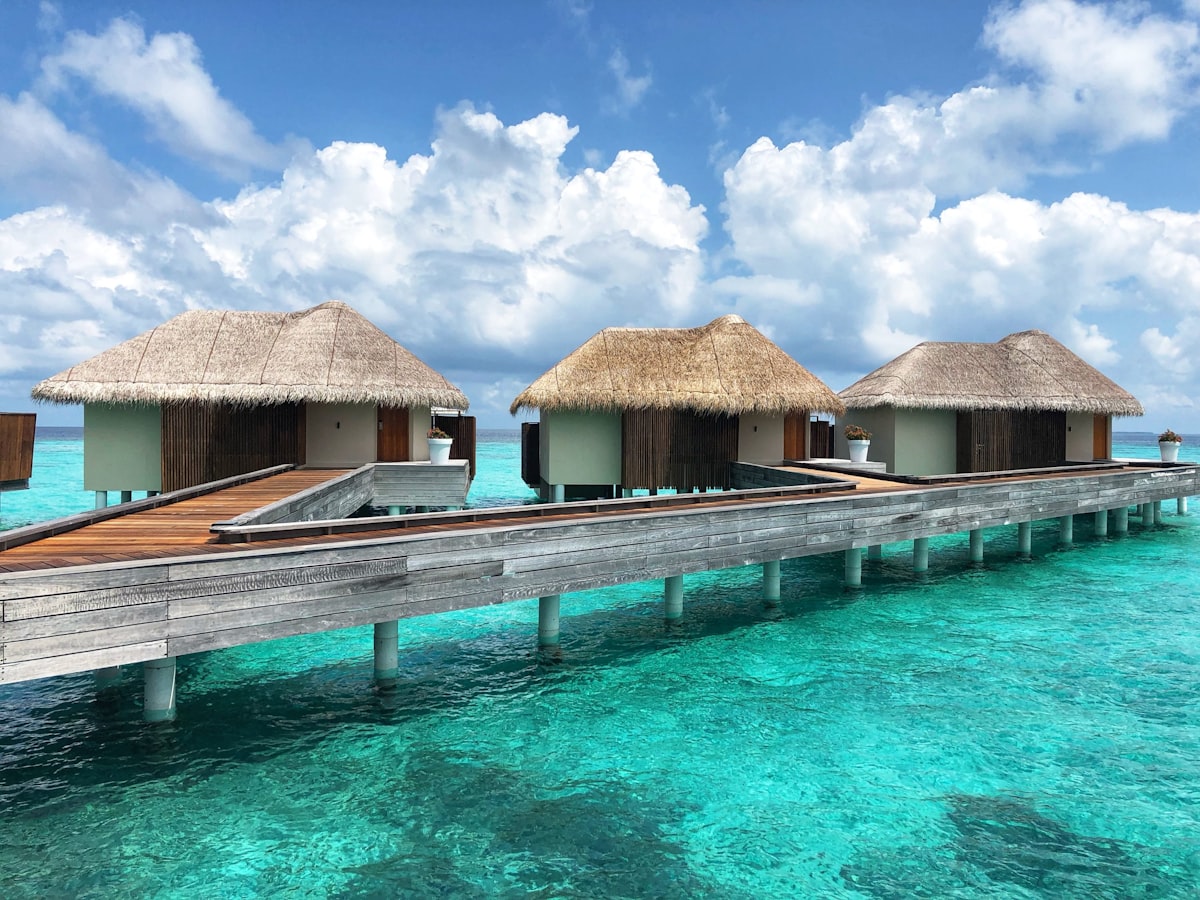
Maldives
Maldives
A destination defined almost entirely by its monsoon calendar — the difference between the NE dry season (November–April) and SW wet season (May–October) is not subtle and shapes every aspect of the experience.
Worth knowing
March scores highest overall. December is the most crowded month — avoid if you can. See crowd-free ranking →
Month by month breakdown
January#10▾
Gains
- ↑Accommodation prices at their lowest — guesthouses and city hotels 25–30% below March peak
- ↑Sabah Museum and Kadazan-Dusun cultural sites uncrowded and unhurried
- ↑Lush jungle around Kinabalu Park at its most vivid green after heavy rains
Sacrifices
- ↓215mm of rain — prolonged downpours disrupt marine park boat trips to Sapi and Manukan islands
- ↓Mt Kinabalu summit attempts inadvisable: trail slippery, views absent above the cloud line
- ↓Humidity at 82% makes city sightseeing genuinely uncomfortable in the midday heat
February#3▾
Gains
- ↑Significant improvement over January — mostly sunny mornings with short afternoon showers
- ↑Mt Kinabalu permit availability best now before the March–April rush; book 2–3 months ahead
- ↑Tunku Abdul Rahman Marine Park islands fully operational: snorkelling visibility excellent
Sacrifices
- ↓120mm is still a meaningful amount of rain — afternoon island trips need weather flexibility
- ↓Some river and jungle trails around Crocker Range remain muddy from January
- ↓Fewer budget flight deals than the November low season
March#1▾
Gains
- ↑Driest skies of the year — Mt Kinabalu summit at 4,095m rewards climbers with panoramas across Borneo
- ↑Marine park islands at their best: clear coral visibility, calm seas, and white sand beaches uncrowded
- ↑Firefly river tours on the Klias and Garama rivers run reliably; low water clarity aids the spectacle
Sacrifices
- ↓Mt Kinabalu summit permits book out fast — plan and pay at least 2 months in advance
- ↓Prices rising from February lows as word spreads about the dry season
- ↓Humidity still 76% — midday in the city centre is hot even on sunny days
April#2▾
Gains
- ↑Almost as dry as March with equally good summit and island conditions
- ↑Coral reefs at Tunku Abdul Rahman Park alive with colour — snorkelling without crowds
- ↑Kundasang highland market at Desa Cattle Farm open and serene; strawberry farms in season
Sacrifices
- ↓Mt Kinabalu permits even more contested as bookings roll from March into April
- ↓Easter travel pushes Western visitor numbers up slightly on the islands
- ↓Heat peaks at 32°C — pack light and plan outdoor activities before 10am
May#4▾
Gains
- ↑Sabah Fest (early May) and Kaamatan Harvest Festival: Kadazan-Dusun rice wine, traditional dance, and longhouse visits
- ↑Rain mostly in afternoon bursts — mornings still reliably sunny for island trips
- ↑Festival atmosphere lifts the city; local markets and food stalls extended into evenings
Sacrifices
- ↓145mm of rain — just under the hard cap, but afternoon plans need contingency
- ↓Mt Kinabalu summit views less consistent than March–April; trail busier with festival visitors
- ↓Accommodation tighter during festival weekends — book 6–8 weeks in advance
June#7▾
Gains
- ↑Kaamatan festival often spills into June — longhouse hospitality and traditional games continue
- ↑City seafood restaurants at their most lively; Night Market prawns and grilled fish at low prices
- ↑Firefly tours still run on calm evenings; mangrove river atmosphere particularly atmospheric
Sacrifices
- ↓160mm crosses the hard-cap threshold — rain is frequent and heavy, not just afternoon showers
- ↓Marine park boat operators cancel regularly; factor in a lost day when planning island trips
- ↓Mt Kinabalu summit shrouded in cloud for most of the month; summit climbs rarely reward
July#5▾
Gains
- ↑130mm — well under the hard cap; mornings reliably clear for island and summit activities
- ↑International arrivals add energy to the waterfront; night markets busier and more diverse
- ↑Orangutan visits to Sepilok Rehabilitation Centre (3h drive) bookable alongside a KK base
Sacrifices
- ↓Hotel prices rise as European holiday demand kicks in — book accommodation 6+ weeks ahead
- ↓Mt Kinabalu summit permits at peak competition from July through August
- ↓Sapi and Manukan islands get noticeably busier on weekends; arrive on the 8am boat
August#6▾
Gains
- ↑140mm — under the cap; island boat services run daily and snorkelling visibility is strong
- ↑Malaysia National Day preparations (31 Aug) add festive decorations to the waterfront
- ↑Diving at nearby Layang-Layang Atoll at its best for this month — hammerhead season
Sacrifices
- ↓Highest visitor numbers of the year — Manukan Island feels crowded by midday
- ↓Accommodation rates at peak; mid-range city hotels sold out weeks in advance
- ↓Heat and humidity persistent — plan all outdoor activities for early morning
September#8▾
Gains
- ↑Crowds thinning from August peak with prices dropping noticeably at guesthouses
- ↑City food scene at its most local-facing: hawker stalls and seafood markets less crowded
- ↑Firefly river cruises (Klias River) still excellent — river levels favourable for boat access
Sacrifices
- ↓170mm crosses the hard cap — boat cancellations and trail closures occur several times a month
- ↓Mt Kinabalu summit shrouded in cloud; overnight hut stays often deliver zero views at dawn
- ↓Coral visibility at marine park islands reduced by increased runoff from the interior
October#11▾
Gains
- ↑Mt Kinabalu Climbathon (elite race event, late Oct) brings an exciting energy to Kinabalu Park
- ↑Lowest visitor numbers since January — hotels and restaurants are genuinely quiet
- ↑Prices at their lowest: excellent for budget trips focused on city food and culture rather than islands
Sacrifices
- ↓220mm — well above the hard cap; expect multiple full-day rain events throughout the month
- ↓Marine park island trips frequently cancelled; operators may not run boats for days at a time
- ↓Jungle trails at Kinabalu Park become slippery and waterlogged; summit views very unlikely
November#9▾
Gains
- ↑Quietest month for foreign visitors: city centre hotels at rock-bottom rates
- ↑Sabah Museum and Mari Mari Cultural Village (living museum of tribal houses) entirely uncrowded
- ↑Long-haul flight deals to KK are abundant; good entry point for a December Borneo trip
Sacrifices
- ↓270mm is close to the annual peak — island boats cancel often and Mt Kinabalu permits feel futile
- ↓Outdoor activities severely limited; jungle treks and reef snorkelling unreliable for weeks at a time
- ↓Sustained heavy rain makes exploring the Crocker Range villages muddy and logistically difficult
December#12▾
Gains
- ↑Christmas and New Year celebrations in the waterfront district are festive and low-key
- ↑Filipino Market and Handicraft Night Market bustling with gift shoppers
- ↑Gateway for New Year dive liveaboards to Sipadan — book months in advance for January departures
Sacrifices
- ↓280mm — the wettest month in KK: sustained heavy rain dominates and boat trips cancel for days
- ↓Holiday demand pushes prices back up despite the worst weather of the year
- ↓Mt Kinabalu summit essentially unavailable for meaningful views; permits still required but largely wasted
How this is calculated
Climate data
Open Meteo ERA5
30-year normals (1991–2020). Temperature, rainfall, sunshine, humidity.
Price & crowd
Tourism research
Seasonal pricing from tourism authority data. Directional — compares months within a destination only.
Personalisation
Weighted scoring
Your priorities change the weights. Budget-first users get different results than weather-first users.
Share this result
March is the best time to visit Kota Kinabalu
Travel timing updates
New destinations and timing guides, when they land.
No spam. Unsubscribe anytime.