Showing: Apr · Red Shuheart / Unsplash
Japan · East Asia
Best time to visit Kanazawa
April
Apr scores highest overall — reliable weather and strong local atmosphere. Set your priorities below to personalise this result.
What matters most to you?
All 12 months — click any to expand
Apr
Red Shuheart / Unsplash
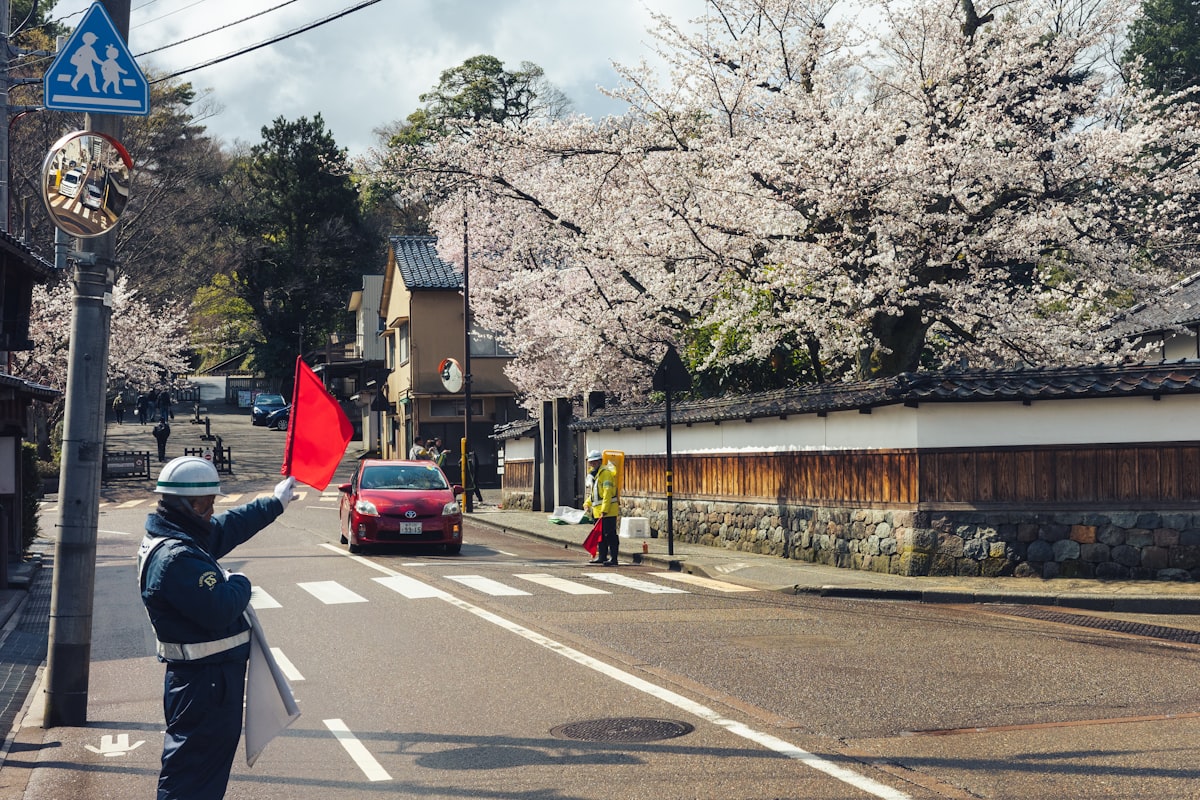
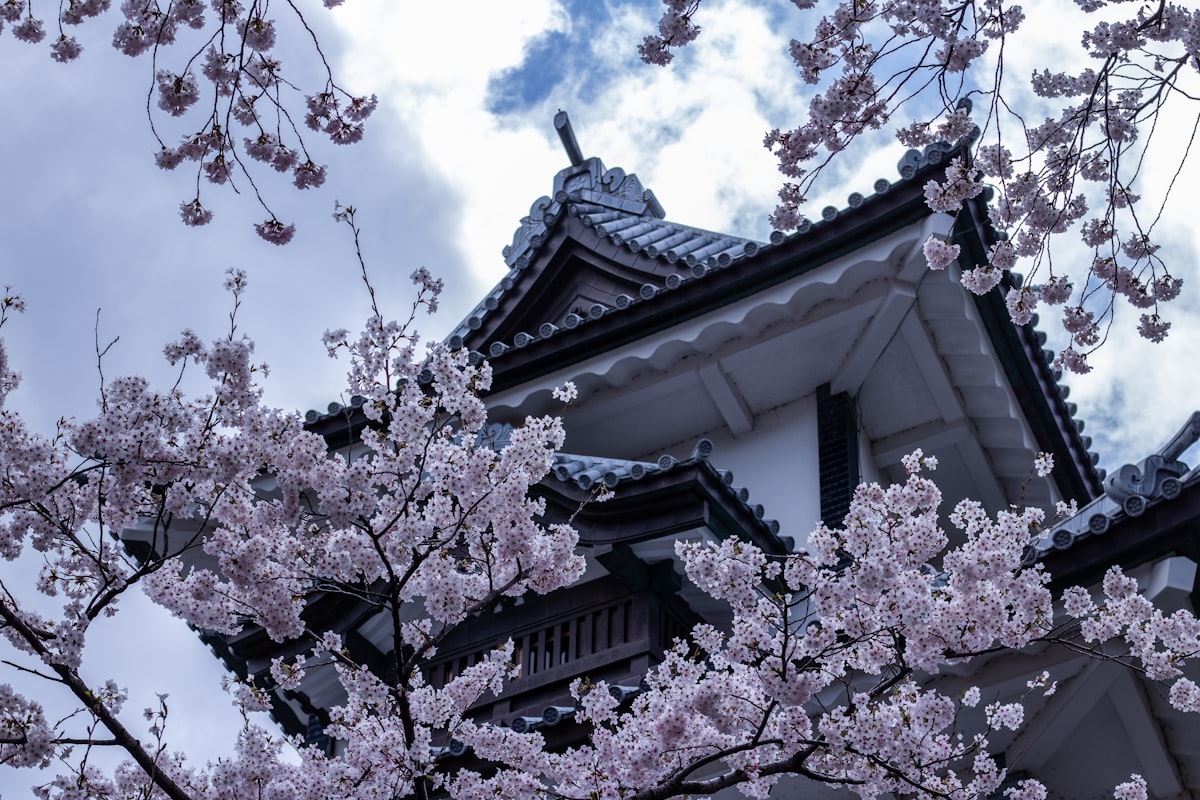
Cherry blossoms in Kenroku-en — the single best reason to visit Kanazawa, and the most competitive month for accommodation.
18°C
High
10°C
Low
130mm
Rain
6h
Sun/day
What you gain
- ↑Kenroku-en cherry blossoms (late March to mid-April): over 420 cherry trees in one of Japan's three great gardens — less crowded than Kyoto but equally spectacular
- ↑Kanazawa Castle Park moat ringed with sakura: the castle walls and pink blossom combination is one of the most striking compositions in Japan
- ↑18°C highs and 6 hours of sunshine make this the most pleasant weather month for extended outdoor exploration
What you sacrifice
- ↓Peak season: Kanazawa's most popular window brings higher hotel prices and greater competition for quality accommodation — book well in advance
- ↓Cherry blossom timing varies year to year by 1–2 weeks; late arrivals or early bookers can miss the peak entirely
- ↓130mm of April rain means blossom days can be disrupted; the sakura window is short and weather-dependent
Apr scores highest overall — reliable weather and strong local atmosphere. Set your priorities below to personalise this result.
Apr
Cherry blossoms in Kenroku-en — the single best reason to visit Kanazawa, and the most competitive month for accommodation.
18°C
High
130mm
Rain
6h
Sun
- ↑Kenroku-en cherry blossoms (late March to mid-April): over 420 cherry trees in one of Japan's three great gardens — less crowded than Kyoto but equally spectacular
- ↑Kanazawa Castle Park moat ringed with sakura: the castle walls and pink blossom combination is one of the most striking compositions in Japan
- ↑18°C highs and 6 hours of sunshine make this the most pleasant weather month for extended outdoor exploration
- ↓Peak season: Kanazawa's most popular window brings higher hotel prices and greater competition for quality accommodation — book well in advance
- ↓Cherry blossom timing varies year to year by 1–2 weeks; late arrivals or early bookers can miss the peak entirely
- ↓130mm of April rain means blossom days can be disrupted; the sakura window is short and weather-dependent
Top travel windows
★ BestApril
Best overall
Highest combined score
18°C
High
130mm
Rain
6h
Sun
February
Best for value
Lowest prices & fees
8°C
High
175mm
Rain
3h
Sun
February
Fewest crowds
Quietest month
8°C
High
175mm
Rain
3h
Sun
Breakdown by priority
Best for weather
April
18°C high · 130mm rain · 6hrs sun/day
Best for budget
February
Second cheapest month: rates at Kanazawa's ryokan and boutique hotels remain at their lowest before spring demand builds
Fewest crowds
February
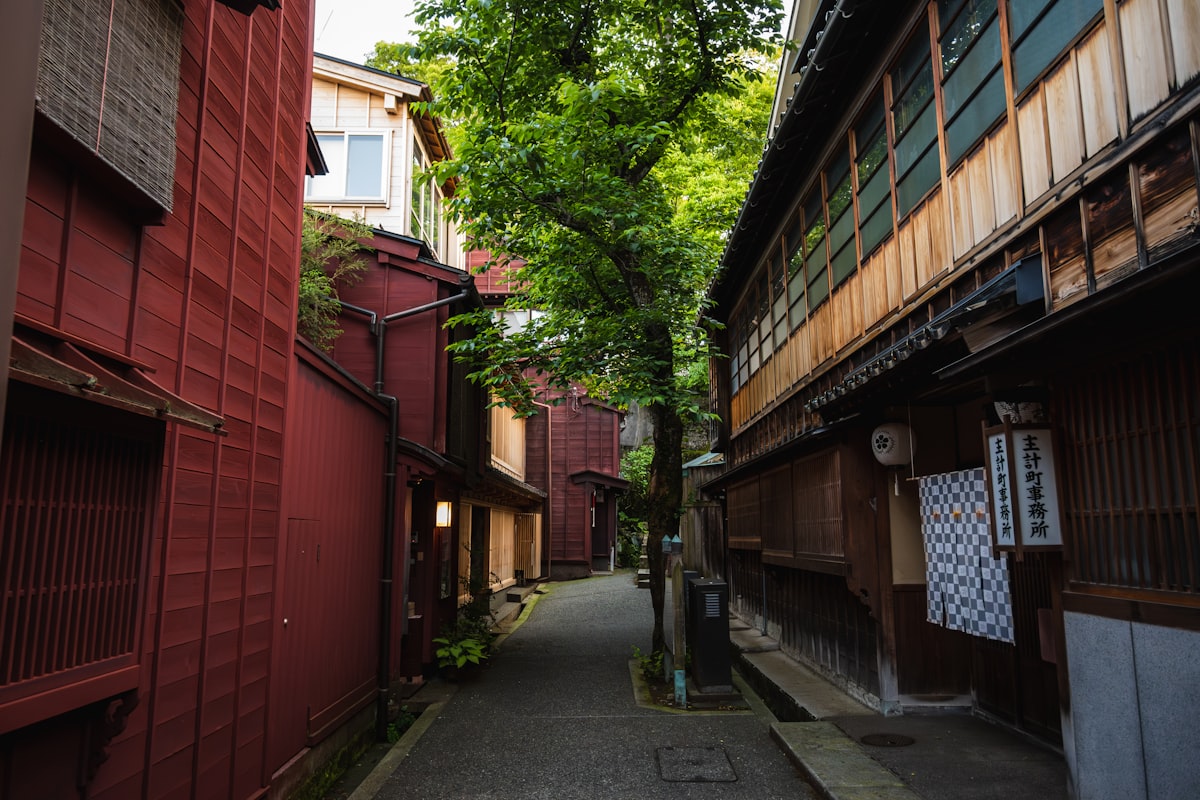
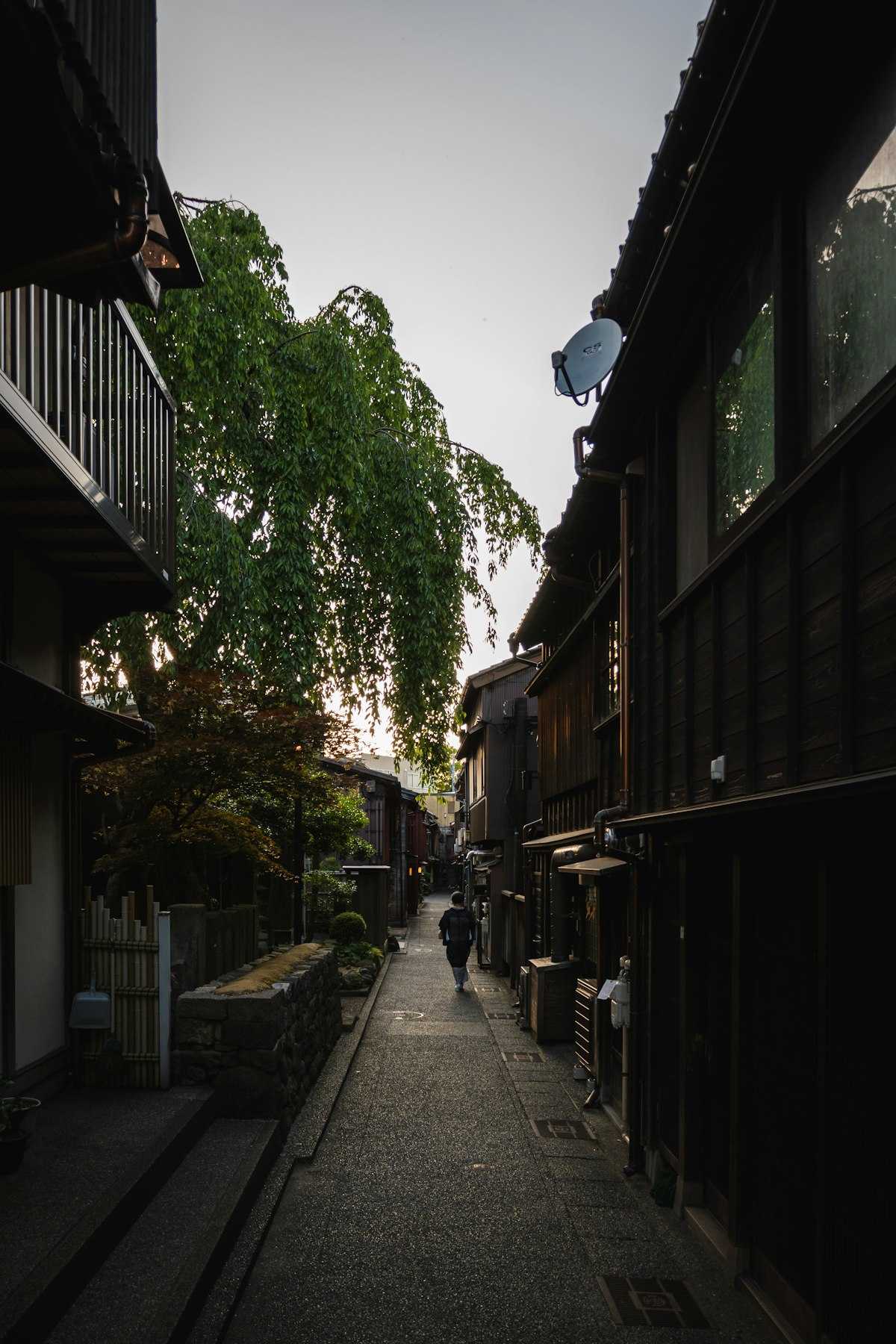
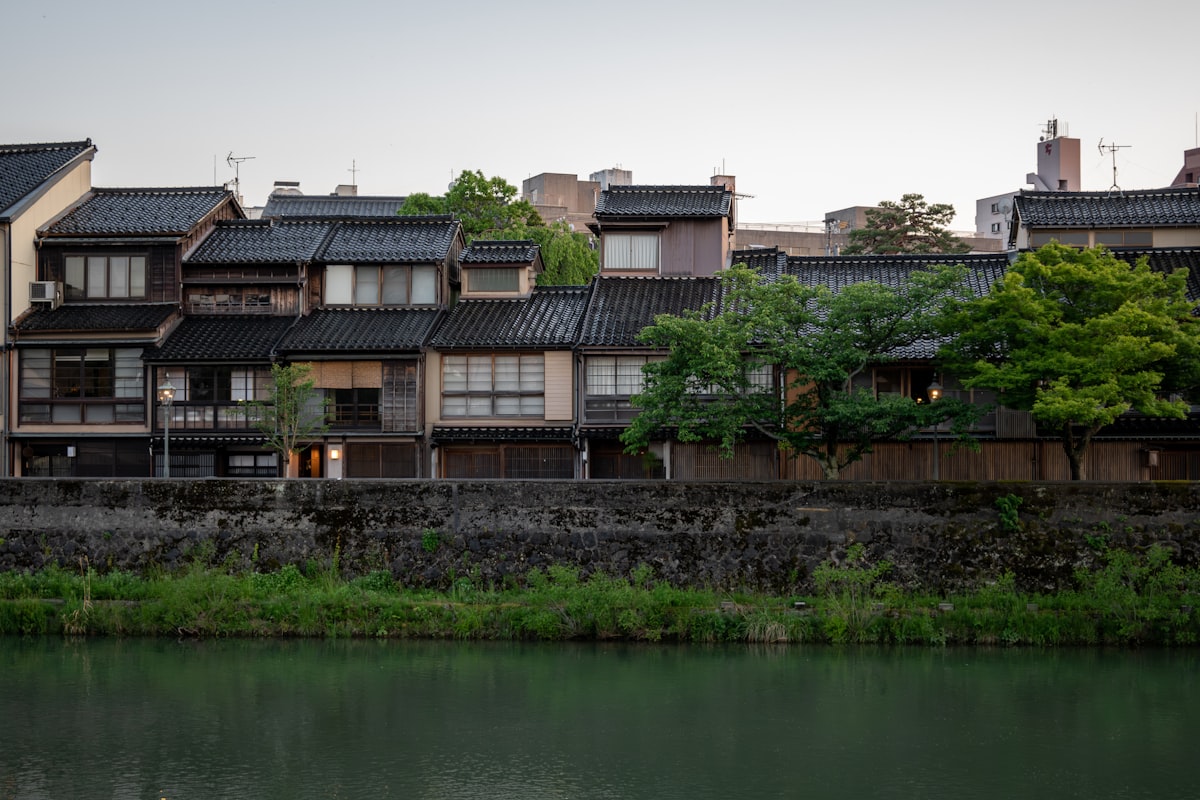
Higashi Chaya and Nagamachi districts practically deserted by tourists — early morning walks through the historic lanes feel genuinely private
Worst time to visit
December, January
260mm of December precipitation — the heaviest month of the year; a combination of rain, sleet, and snow is common across the month
Where to stay in Kanazawa
All neighbourhoods →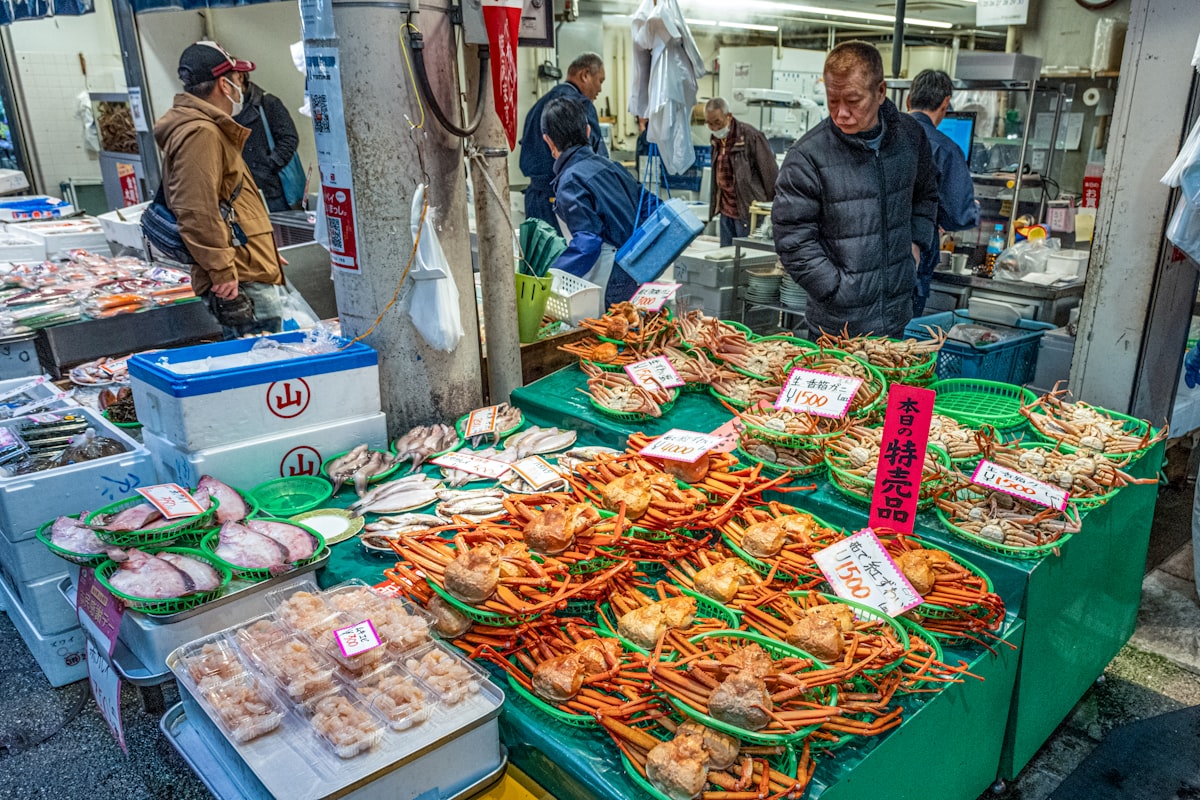
Omicho Market / Central
Kanazawa's Kitchen — a covered historic market of fresh seafood and local produce connecting to the city centre.
10/10
Central
9/10
Walk
8/10
Transit
Kenroku-en & Castle Area
The cultural heart — one of Japan's three great gardens, Kanazawa Castle Park, and the 21st Century Museum.
9/10
Central
9/10
Walk
7/10
Transit
Also exploring
Tokyo
Japan
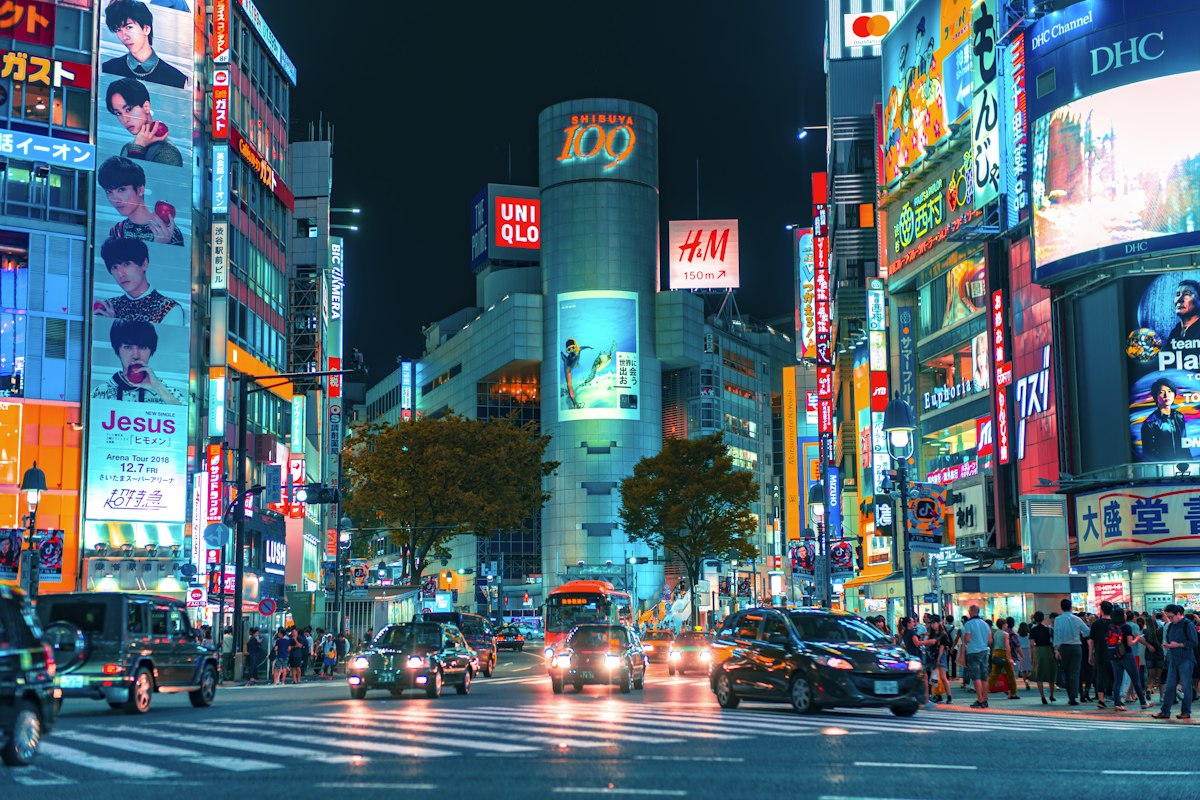
A city of dramatic seasonal contrasts — cherry blossom crowds, oppressive summer humidity, and golden autumn foliage — where the wrong timing can make or break the trip.
Bali
Indonesia
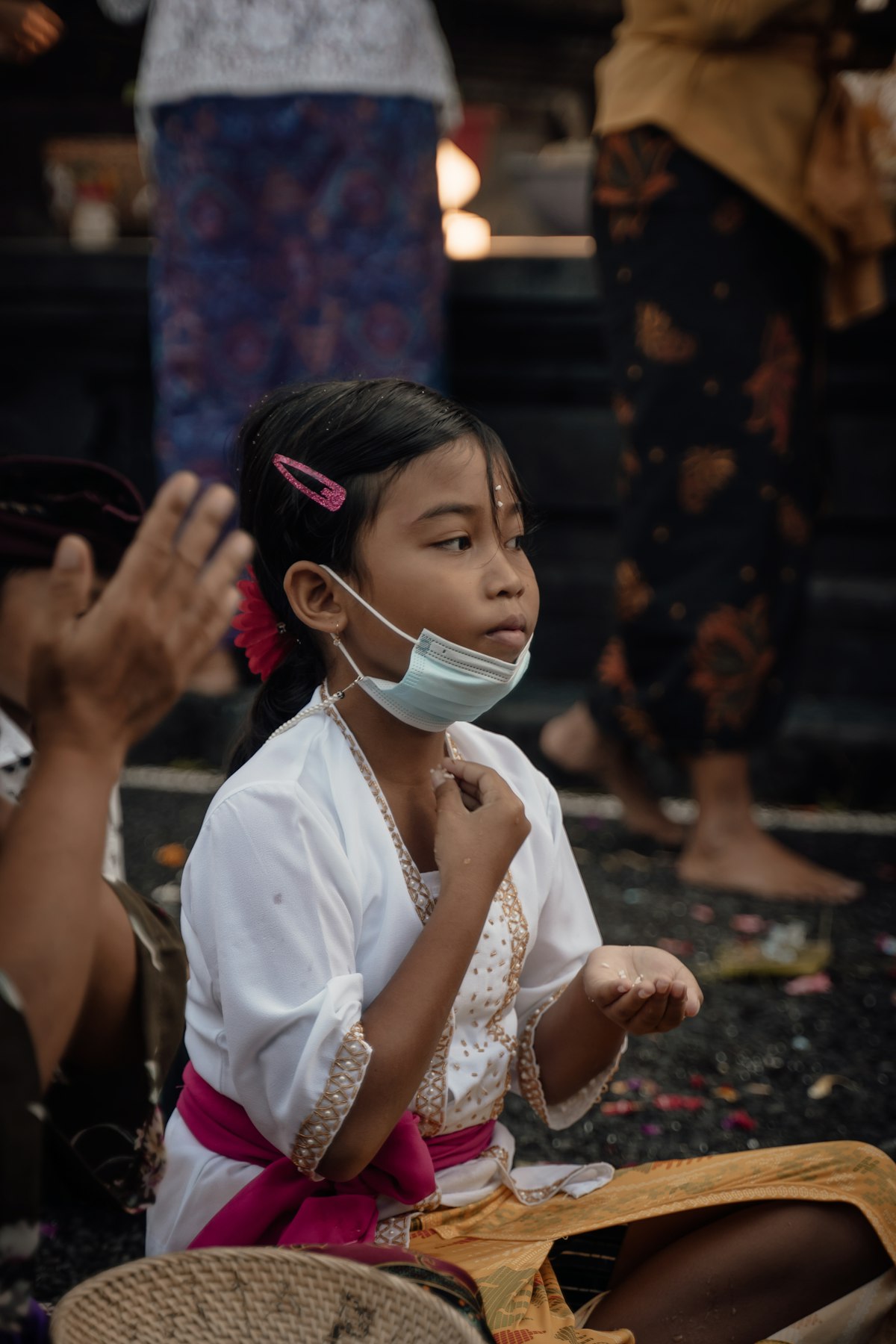
A Hindu island of rice terraces, temple ceremonies, and surf breaks where the monsoon makes timing genuinely binary — the difference between dry and wet season is not subtle.
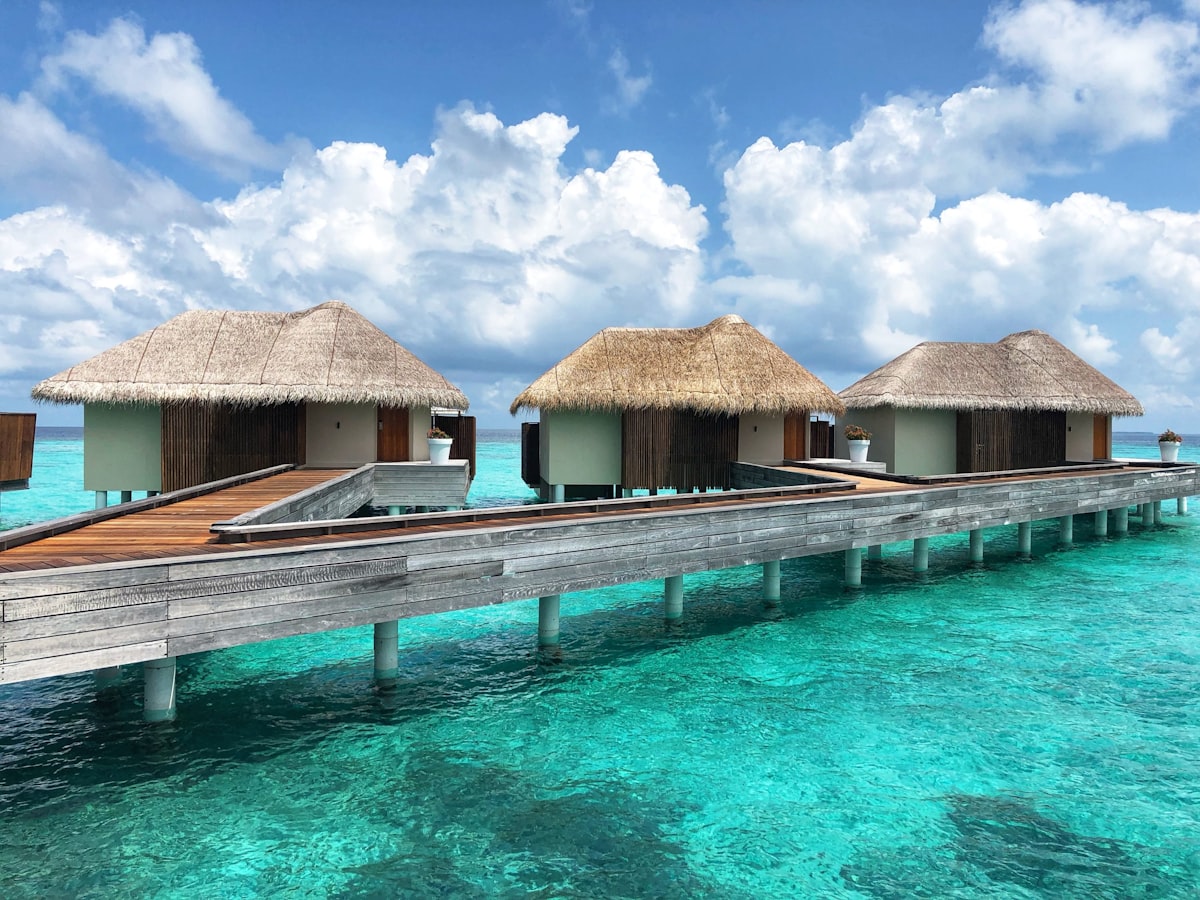
Maldives
Maldives
A destination defined almost entirely by its monsoon calendar — the difference between the NE dry season (November–April) and SW wet season (May–October) is not subtle and shapes every aspect of the experience.
Month by month breakdown
January#9▾
Gains
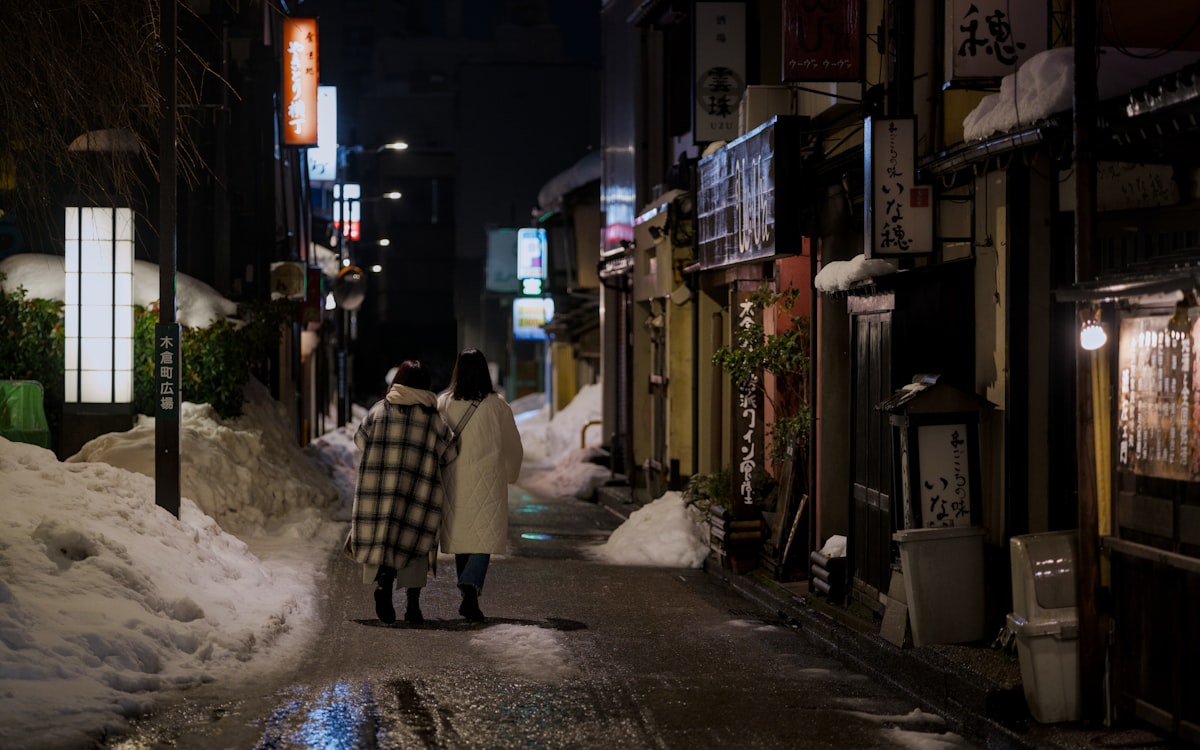
- ↑Kanazawa's lowest prices of the year: Higashi Chaya machiya guesthouses and city hotels at their cheapest
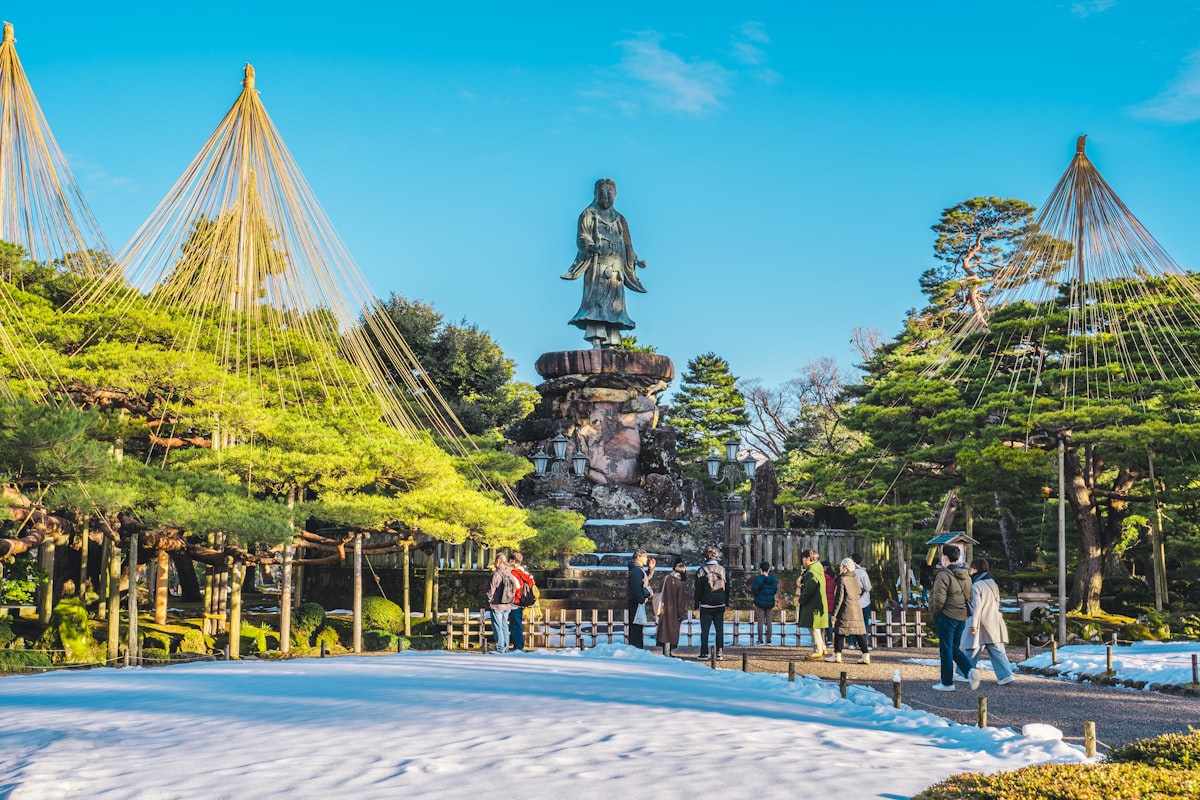
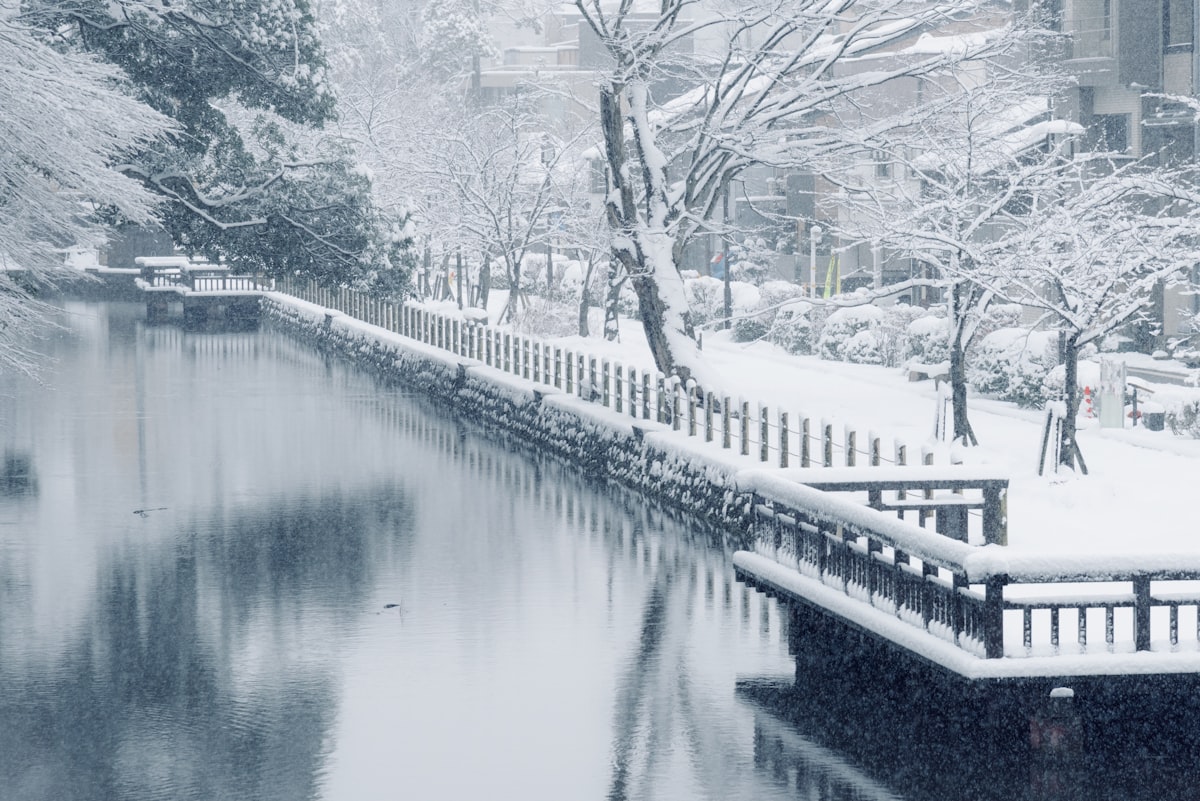
- ↑Snow transforms Kenroku-en into a rarely photographed winter landscape; yukitsuri rope-tied pine trees are a sight unique to this garden
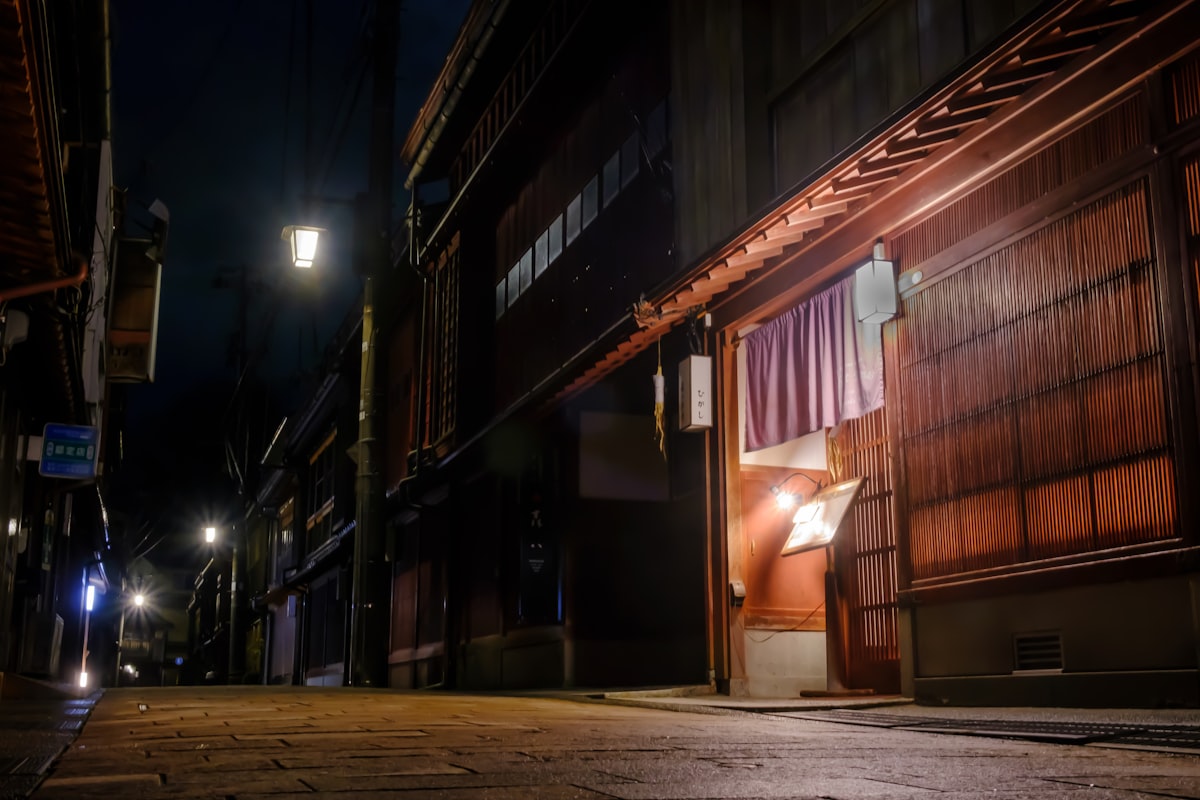
- ↑Nagamachi mud-walled lanes and Higashi Chaya empty of tourists — the city at its most atmospheric for those willing to brave the cold
Sacrifices
- ↓240mm of snow-heavy precipitation and only 2 hours of daily sunshine make extended outdoor sightseeing punishing
- ↓Some Kenroku-en sections and outdoor gardens partially restricted during heavy snowfall for visitor safety
- ↓Sea of Japan coastal weather is highly unpredictable; multi-day grey skies and snowstorms are routine throughout January
February#5▾
Gains
- ↑Second cheapest month: rates at Kanazawa's ryokan and boutique hotels remain at their lowest before spring demand builds
- ↑Higashi Chaya and Nagamachi districts practically deserted by tourists — early morning walks through the historic lanes feel genuinely private
- ↑Occasional winter sun breaks reveal the city's white-roofed historic architecture at its most photogenic
Sacrifices
- ↓175mm of precipitation across the month means rain and snow are frequent; outdoor sightseeing requires full waterproofing
- ↓Three hours of daily sunshine at best — Kenroku-en's garden beauty is muted under persistent grey skies
- ↓Cold (1°C lows) limits comfortable garden and outdoor exploration to midday windows
March#3▾
Gains
- ↑Temperatures climb to 12°C highs: full-day sightseeing circuits through Kenroku-en, Nagamachi, and Higashi Chaya become comfortable
- ↑Crowds still well below spring peak — major sites accessible without queuing, accommodation still affordable
- ↑Kenroku-en begins its spring transition: early plum blossom and the garden's winter preparations dismantled as the season opens
Sacrifices
- ↓145mm of rainfall keeps March wet — a packable rain jacket is essential for every day out
- ↓Cherry blossoms not yet arrived; visitors seeking the famous Kenroku-en sakura should plan for late March at the earliest or early April
- ↓Prices beginning to rise from mid-March as spring interest builds; last-minute bookings harder to find
April#1▾
Gains
- ↑Kenroku-en cherry blossoms (late March to mid-April): over 420 cherry trees in one of Japan's three great gardens — less crowded than Kyoto but equally spectacular
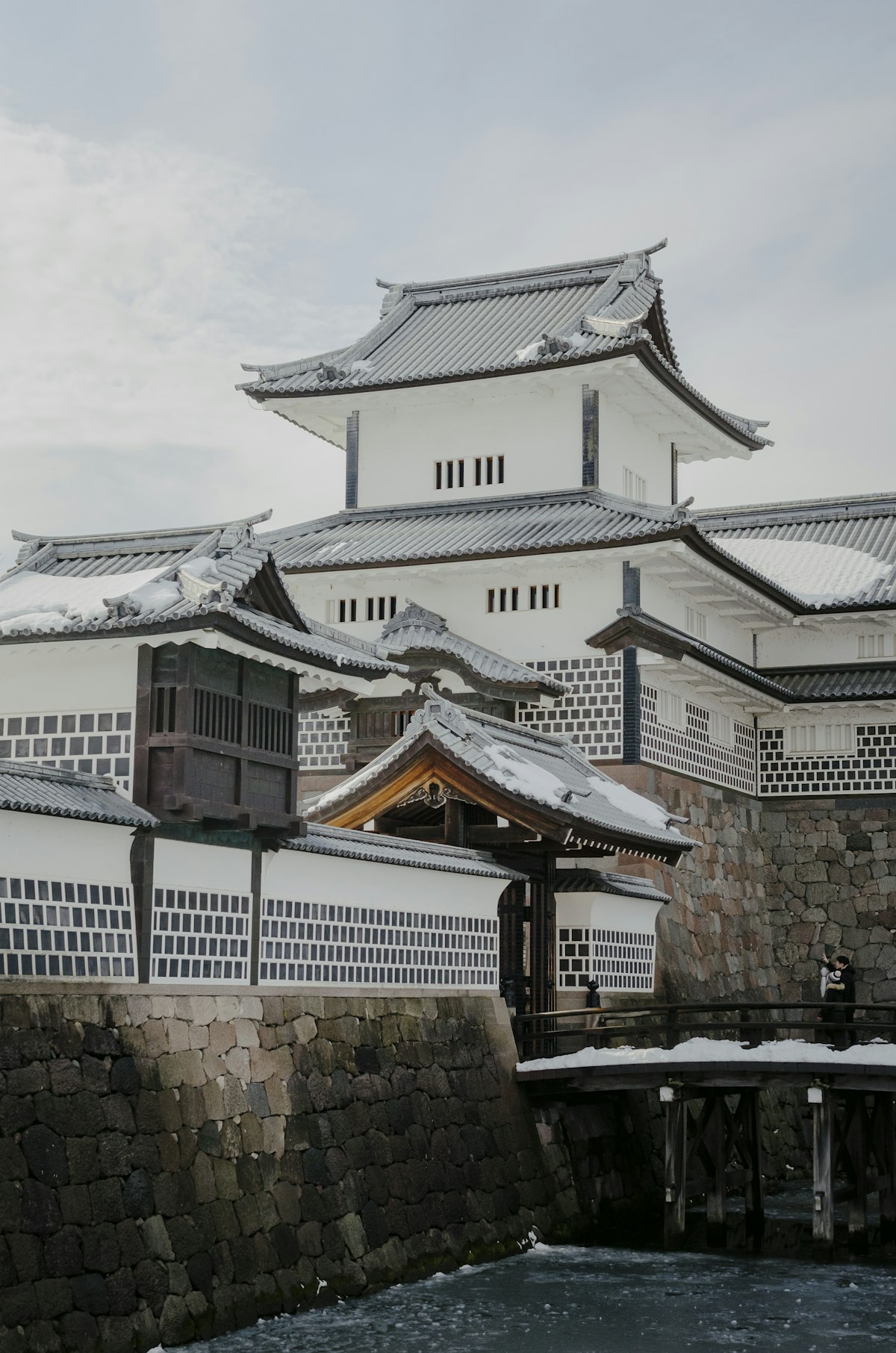
- ↑Kanazawa Castle Park moat ringed with sakura: the castle walls and pink blossom combination is one of the most striking compositions in Japan
- ↑18°C highs and 6 hours of sunshine make this the most pleasant weather month for extended outdoor exploration
Sacrifices
- ↓Peak season: Kanazawa's most popular window brings higher hotel prices and greater competition for quality accommodation — book well in advance
- ↓Cherry blossom timing varies year to year by 1–2 weeks; late arrivals or early bookers can miss the peak entirely
- ↓130mm of April rain means blossom days can be disrupted; the sakura window is short and weather-dependent
May#2▾
Gains
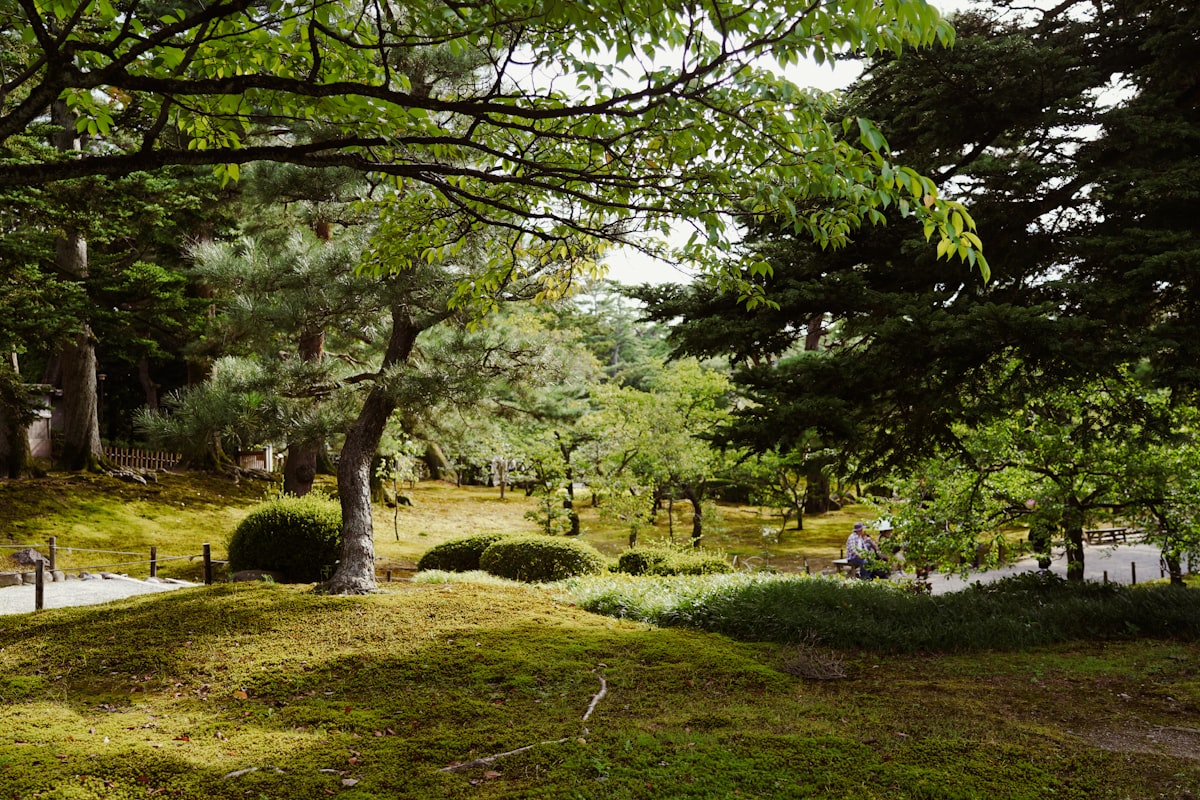
- ↑Post-blossom Kenroku-en: the garden at its most lush and green, without the crush of cherry blossom peak visitors
- ↑Warm, comfortable temperatures (23°C highs) and 7 hours of sunshine — ideal conditions for walking the full circuit of historic districts in a day
- ↑Crowds below April's peak: Higashi Chaya, Nagamachi, and the 21st Century Museum all accessible at reasonable times
Sacrifices
- ↓125mm of rainfall means showery days are common — a light rain jacket remains necessary throughout the month
- ↓Golden Week (late April to early May) brings a short but intense spike in domestic Japanese tourists; accommodation in this window books out fast
- ↓Prices remain at moderate spring levels rather than returning to winter budget rates
June#10▾
Gains
- ↑Kanazawa Hyakumangoku Matsuri (early June): the city's greatest annual festival commemorates Lord Maeda's 1583 entry with parades, Noh theatre, and traditional performing arts throughout the city
- ↑International tourist numbers drop sharply: Higashi Chaya and Nagamachi far quieter than spring peak, with good availability at mid-range accommodation
- ↑Prices fall from May levels: one of the best budget windows in the calendar for a city that's genuinely worth visiting year-round
Sacrifices
- ↓190mm of June rainfall — tsuyu (plum rain season) brings persistent overcast days and regular downpours; outdoor sightseeing requires full waterproofing
- ↓Hot and humid: 19°C lows with high moisture make the air feel heavier than the temperature suggests
- ↓Kenroku-en and the castle grounds lose much of their visual appeal under constant grey skies and rain
July#11▾
Gains
- ↑Post-rainy-season sun breaks return by late July: 7 sunshine hours on clear days make afternoon visits to Kenroku-en and the 21st Century Museum worthwhile
- ↑Domestic summer tourism drives some activity but international visitors remain sparse — easy access to indoor cultural sites
- ↑Omicho Market in full summer mode: local seasonal seafood and produce at their summer peak
Sacrifices
- ↓195mm of rainfall and 31°C highs with 76% humidity — midday outdoor sightseeing in Kanazawa in July is genuinely uncomfortable
- ↓Heat and moisture make Nagamachi's enclosed mud-walled lanes particularly stifling in afternoon hours
- ↓Accommodation demand rises slightly with domestic summer travel; prices above winter and shoulder lows
August#4▾
Gains
- ↑8 hours of daily sunshine: the highest of the year — Kenroku-en and the castle park are at their most photogenic in good early-morning light
- ↑Rainfall falls to 140mm (below the weather-score cap): the best summer weather window for outdoor sightseeing in Kanazawa
- ↑Obon mid-August brings traditional festivals and lantern events to the city's shrines and temples — atmospheric evening programming
Sacrifices
- ↓33°C highs with 74% humidity make midday outdoor sightseeing exhausting; early morning (before 9am) or late afternoon are the viable windows
- ↓Domestic Obon holidays (mid-August) push accommodation demand; the city's hotels and ryokan fill up and prices spike
- ↓Sea of Japan summer heat is oppressive; the enclosed lanes of Nagamachi and Higashi Chaya retain heat particularly badly
September#12▾
Gains
- ↑Tourist numbers low relative to spring and autumn peak: major sites open and accessible without competition
- ↑Temperatures beginning to ease from August peak: 27°C highs feel more manageable than summer extremes
- ↑Omicho Market in transition to autumn produce: early matsutake mushroom and seasonal seafood beginning to appear
Sacrifices
- ↓195mm of September rainfall — one of the wettest months of the year; outdoor days require flexibility and waterproofing
- ↓Typhoon season risk: late September can bring significant weather disruptions to travel plans across western Japan
- ↓Autumn foliage not yet visible; the colour payoff that justifies the autumn visit is still 5–7 weeks away
October#6▾
Gains
- ↑Temperatures comfortable at 21°C highs: the humidity of summer is gone and all-day outdoor walking becomes enjoyable again
- ↑Early koyo (autumn colour) at Kenroku-en and the castle park: maples and ginkgos begin their turn from mid-October
- ↑Good availability and moderate pricing before November's foliage peak drives up demand and accommodation rates
Sacrifices
- ↓155mm of rainfall means October is still a wet month — the autumn foliage season in Kanazawa comes with persistent rain risk
- ↓Foliage not yet at peak; visitors specifically seeking the full Kenroku-en autumn colour experience should hold out for early to mid-November
- ↓Weather score hard-capped: despite the visual appeal of early autumn, persistent cloud and rain limit photographic opportunities
November#7▾
Gains
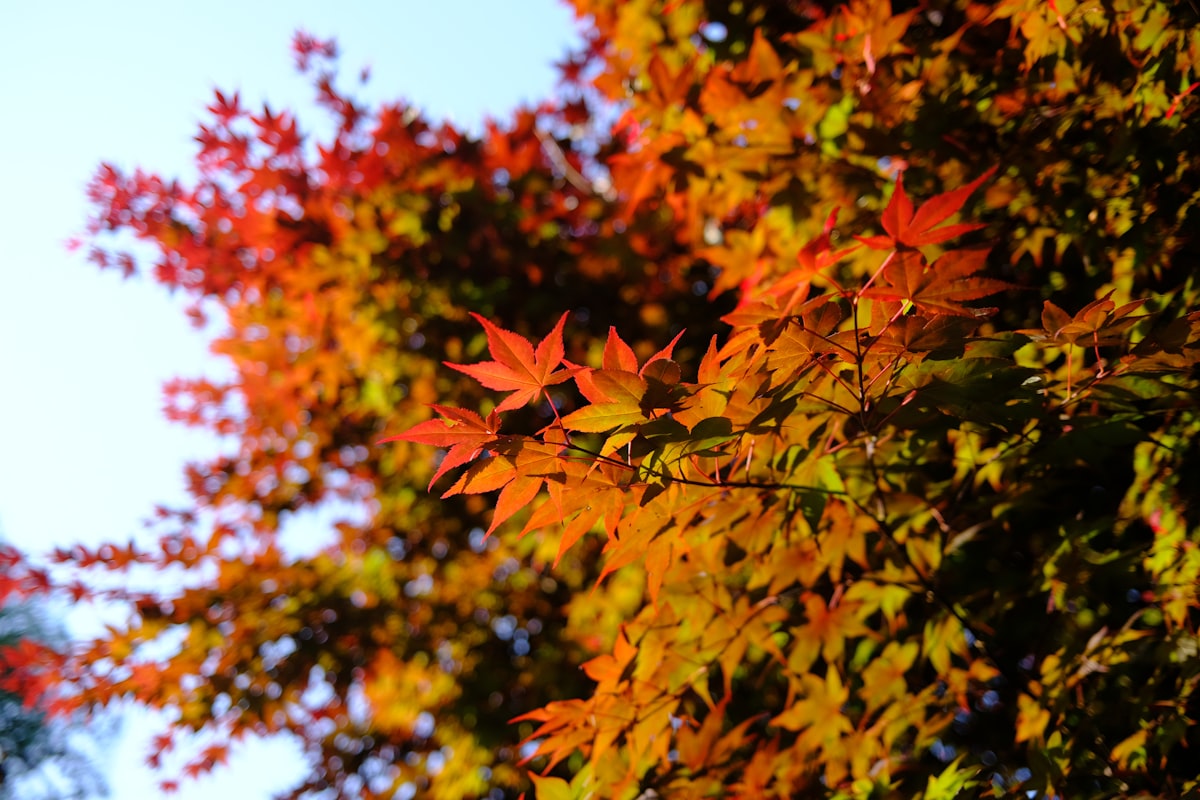
- ↑Kenroku-en autumn foliage peak (mid-to-late November): the garden's maples, ginkgos, and zelkovas turn gold and crimson — one of Japan's finest koyo experiences
- ↑Higashi Chaya and Nagamachi in autumn: the historic districts framed by fallen leaves are at their most cinematic
- ↑Less crowded than Kyoto in November: Kanazawa's foliage season is genuinely spectacular but attracts far fewer visitors than the Kansai equivalents
Sacrifices
- ↓195mm of November rainfall — the Sea of Japan winter weather is closing in; rain is near-certain on any multi-day visit
- ↓Only 3.5 hours of sunshine daily: the famous Kenroku-en koyo is often photographed under grey skies rather than the golden light of October
- ↓Prices beginning to rise from October levels as domestic Japanese autumn tourism builds toward the month's end
December#8▾
Gains
- ↑December matches January for the lowest prices of the year: quality accommodation across all tiers at their annual cheapest
- ↑Kenroku-en's yukitsuri rope installations appear in early December: the famous snow-supported pine-tying is both beautiful and unique to this garden
- ↑Higashi Chaya, Nagamachi, and Omicho Market almost entirely free of international tourists through the month
Sacrifices
- ↓260mm of December precipitation — the heaviest month of the year; a combination of rain, sleet, and snow is common across the month
- ↓Only 2 hours of daily sunshine: the garden and historic district photography that defines Kanazawa's appeal is severely compromised
- ↓Cold (3°C lows) combined with Sea of Japan dampness makes outdoor sightseeing genuinely challenging for anything beyond short bursts
How this is calculated
Climate data
Open Meteo ERA5
30-year normals (1991–2020). Temperature, rainfall, sunshine, humidity.
Price & crowd
Tourism research
Seasonal pricing from tourism authority data. Directional — compares months within a destination only.
Personalisation
Weighted scoring
Your priorities change the weights. Budget-first users get different results than weather-first users.
Share this result
April is the best time to visit Kanazawa
Travel timing updates
New destinations and timing guides, when they land.
No spam. Unsubscribe anytime.