Kanazawa
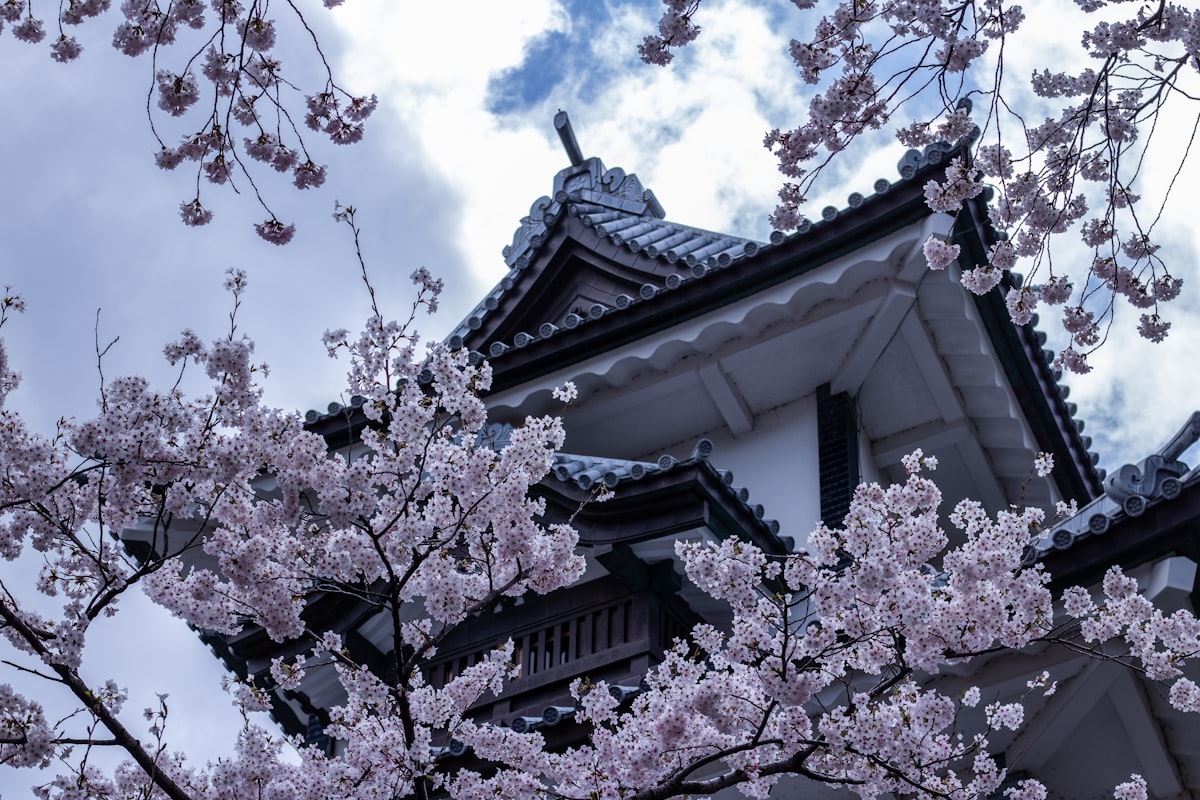
Kenroku-en & Castle Area
Robby McCullough / Unsplash
The cultural heart — one of Japan's three great gardens, Kanazawa Castle Park, and the 21st Century Museum.
The Kenroku-en and Castle area is Kanazawa's geographical and cultural centre of gravity. Kenroku-en — meaning "garden of six attributes" — is one of Japan's three great landscape gardens, a 25-acre composition of streams, ponds, stone lanterns, pine trees, and seasonal colour that has been considered a benchmark of classical Japanese garden design since the 18th century. The adjacent Kanazawa Castle Park wraps the restored white-walled castle in cherry blossoms in April and crimson maples in November. Immediately to the south sits the 21st Century Museum of Contemporary Art, a circular landmark by SANAA architects that balances the area's heritage concentration with world-class contemporary work.
Scores
Walkability
Transit
Price
Local feel
Nightlife
Family-friendly
Centrality
What you gain
- ↑Kenroku-en in cherry blossom (late March–April) and autumn foliage (November) — these two seasonal windows in one of Japan's finest gardens represent the primary reason to visit Kanazawa
- ↑The 21st Century Museum of Contemporary Art: SANAA's transparent circular building houses one of Japan's most engaging contemporary collections, with Leandro Erlich's Swimming Pool installation among the most photographed works in the country
- ↑The most central location in Kanazawa: Higashi Chaya, Nagamachi, and Omicho Market all within 15 minutes on foot, making this the most practical base for a full city circuit
What you sacrifice
- ↓The most visited area in the city: Kenroku-en and the Castle Park draw significant crowds on spring and autumn peak weekends — early morning visits (the garden opens at 7am) are strongly recommended
- ↓Accommodation closest to the garden and castle skews toward business hotels and higher-end ryokan; budget options are limited within walking distance
Best for
Avoid if
Other Kanazawa neighbourhoods
Kanazawa's Kitchen — a covered historic market of fresh seafood and local produce connecting to the city centre.
Preserved mud-walled lanes where samurai once lived — Nomura-ke house, Oyama Shrine, and genuine quiet.
Japan's largest preserved geisha district — machiya townhouses, ochaya teahouses, and gold leaf shops.
Know where to stay — now find when to go.
Best time to visit Kanazawa →