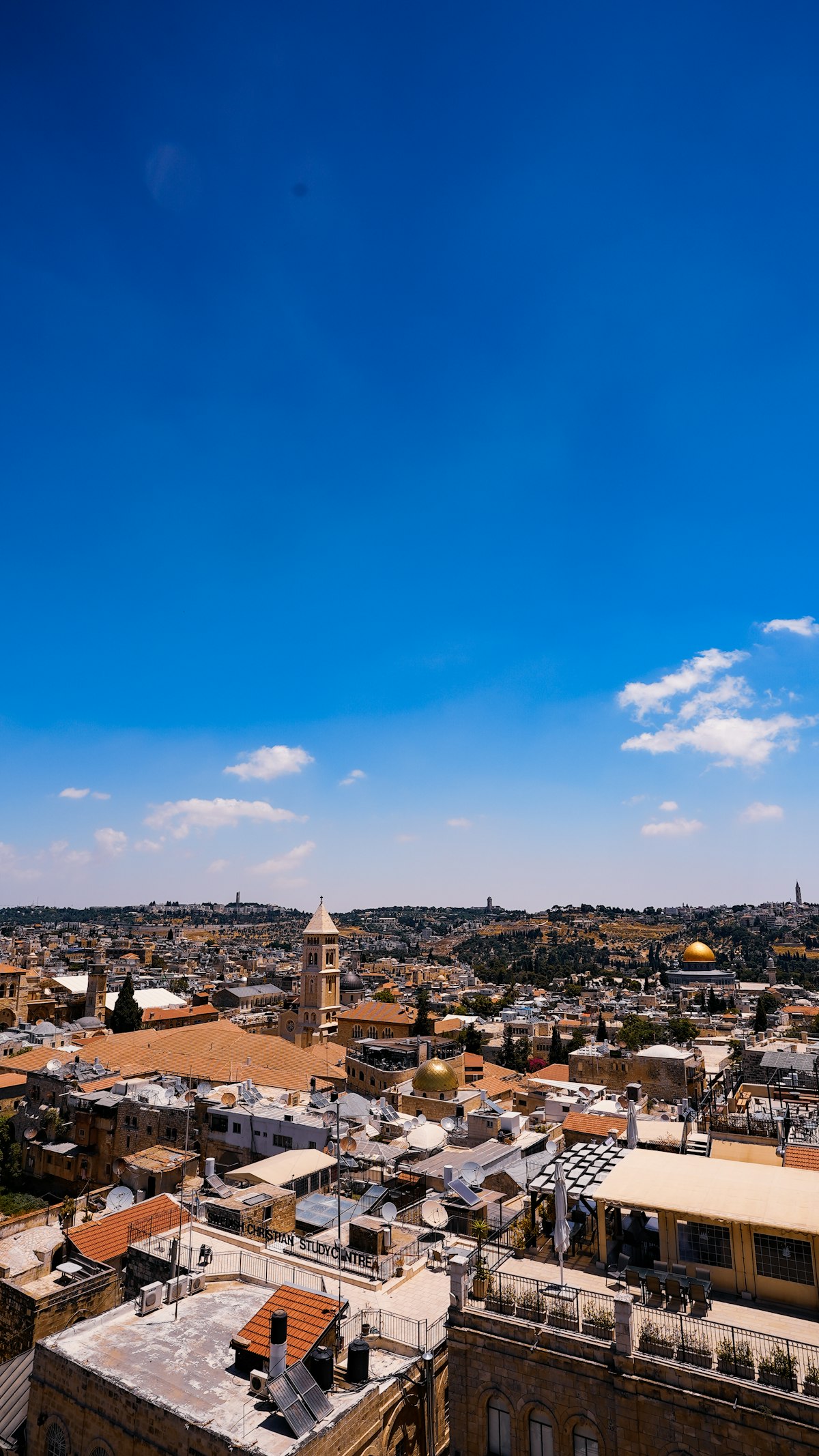
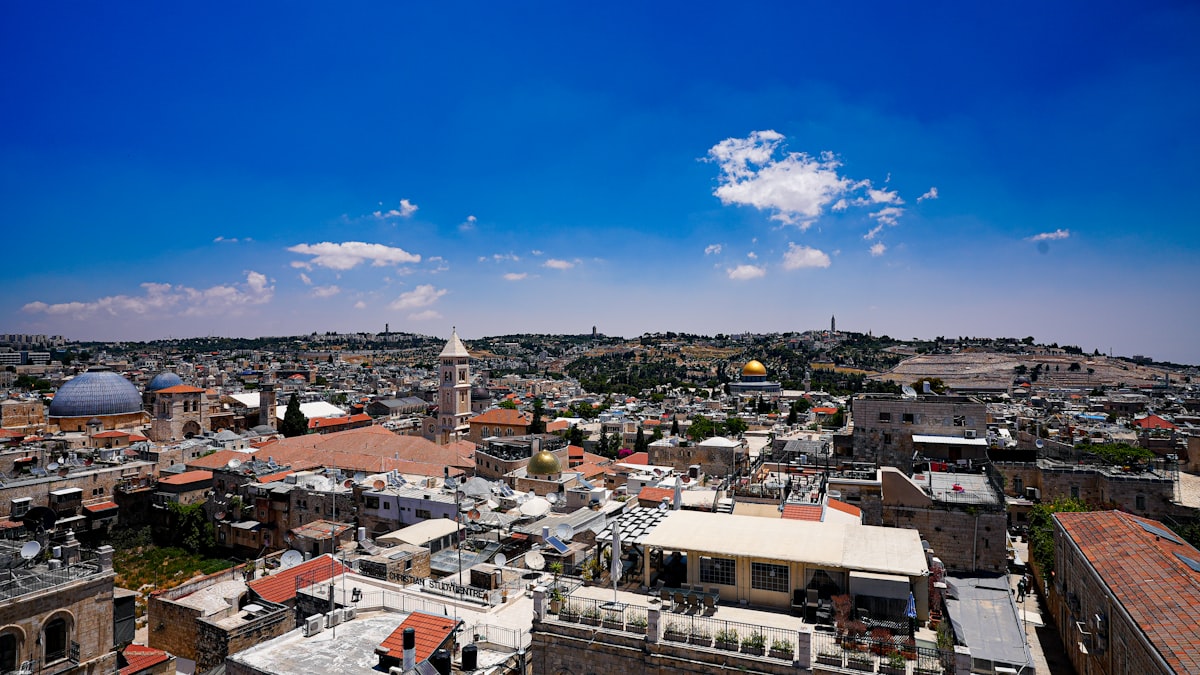
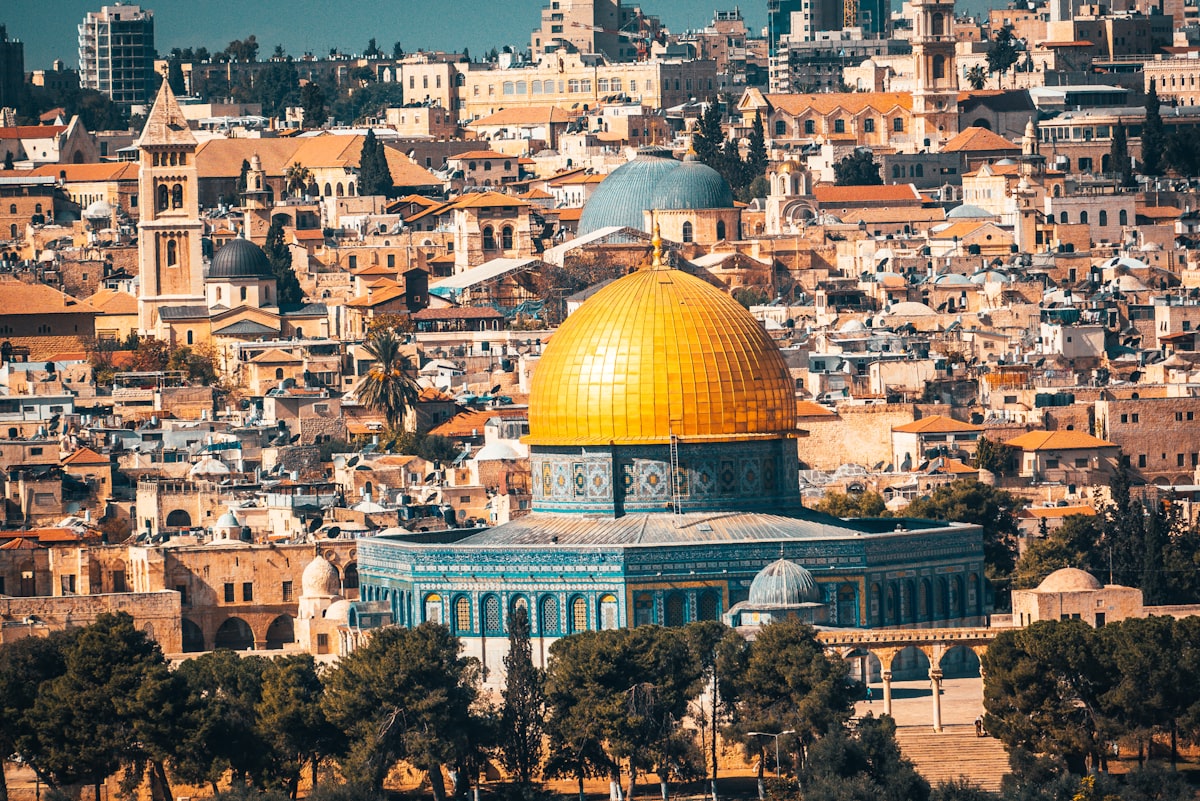
Jerusalem · Unsplash / Unsplash
Israel · Middle East
Best time to visit Jerusalem
May
May scores highest overall — reliable weather and good value. Set your priorities below to personalise this result.
What matters most to you?
All 12 months — click any to expand
May
Unsplash / Unsplash
The informed traveller's sweet spot: superb weather, crowds easing post-Passover, the city still fully alive.
25°C
High
16°C
Low
4mm
Rain
10.5h
Sun/day
What you gain
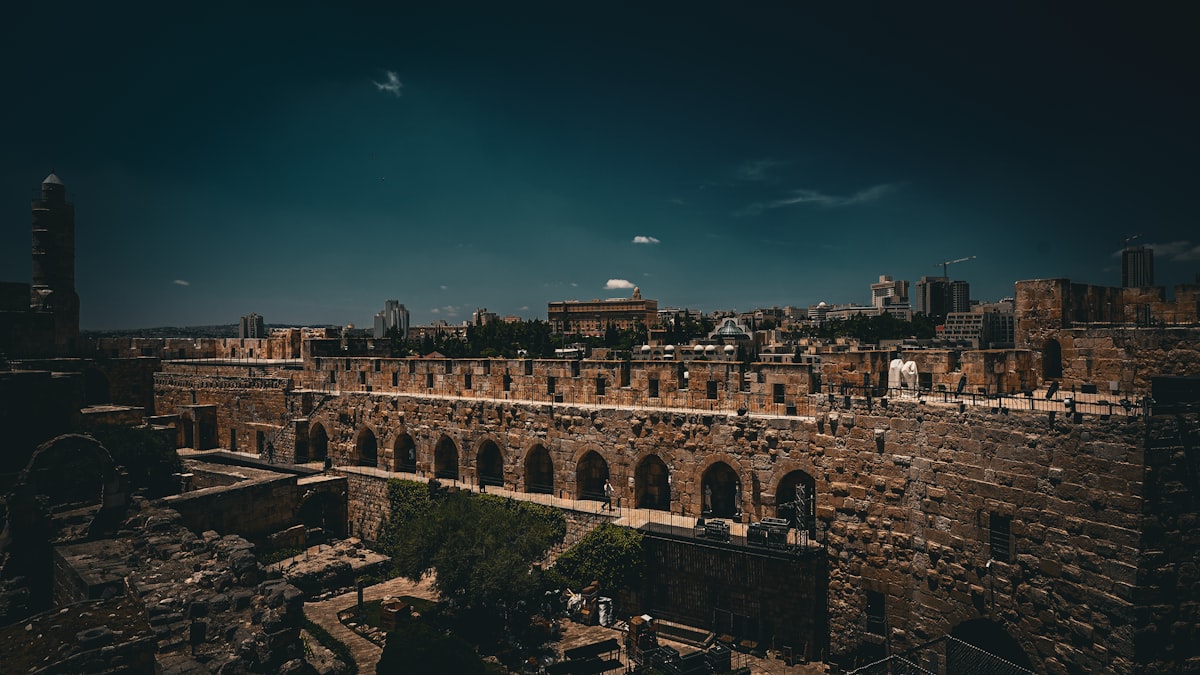
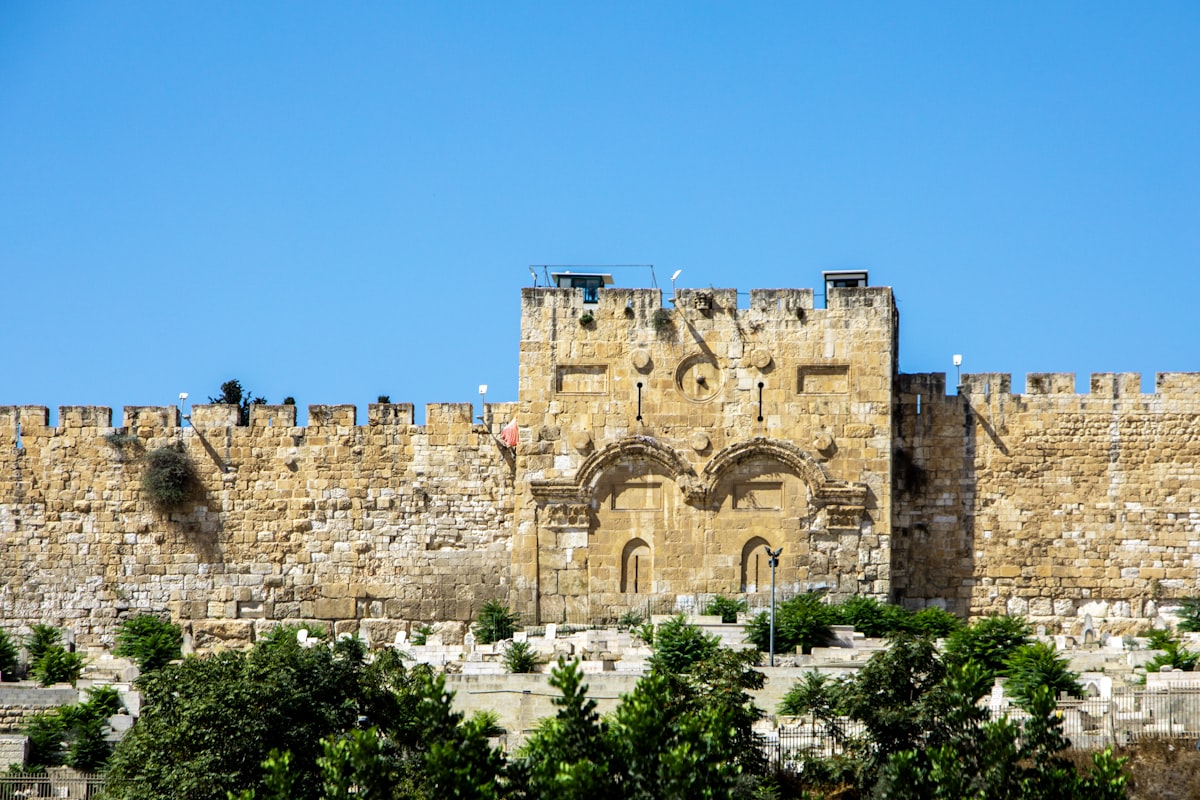
- ↑25°C, 10.5 hours of sun, virtually no rain — the best conditions of the year for walking the full length of the Old City walls and visiting Temple Mount at dawn
- ↑Israeli Independence Day and Yom Hazikaron (Memorial Day): a moving and uniquely local experience — the contrast between national mourning and celebration is profound
- ↑Post-Passover calm: hotel prices drop 30–40% from April peaks while the weather is at its finest
What you sacrifice
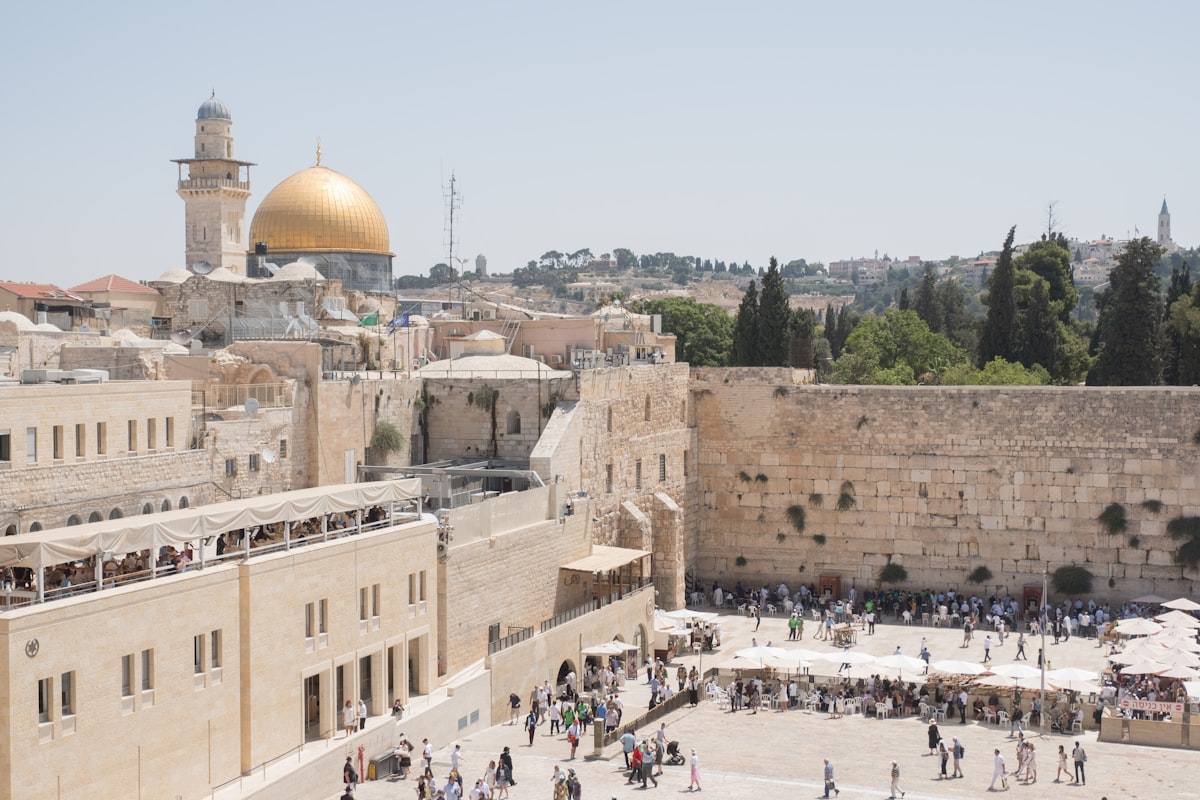
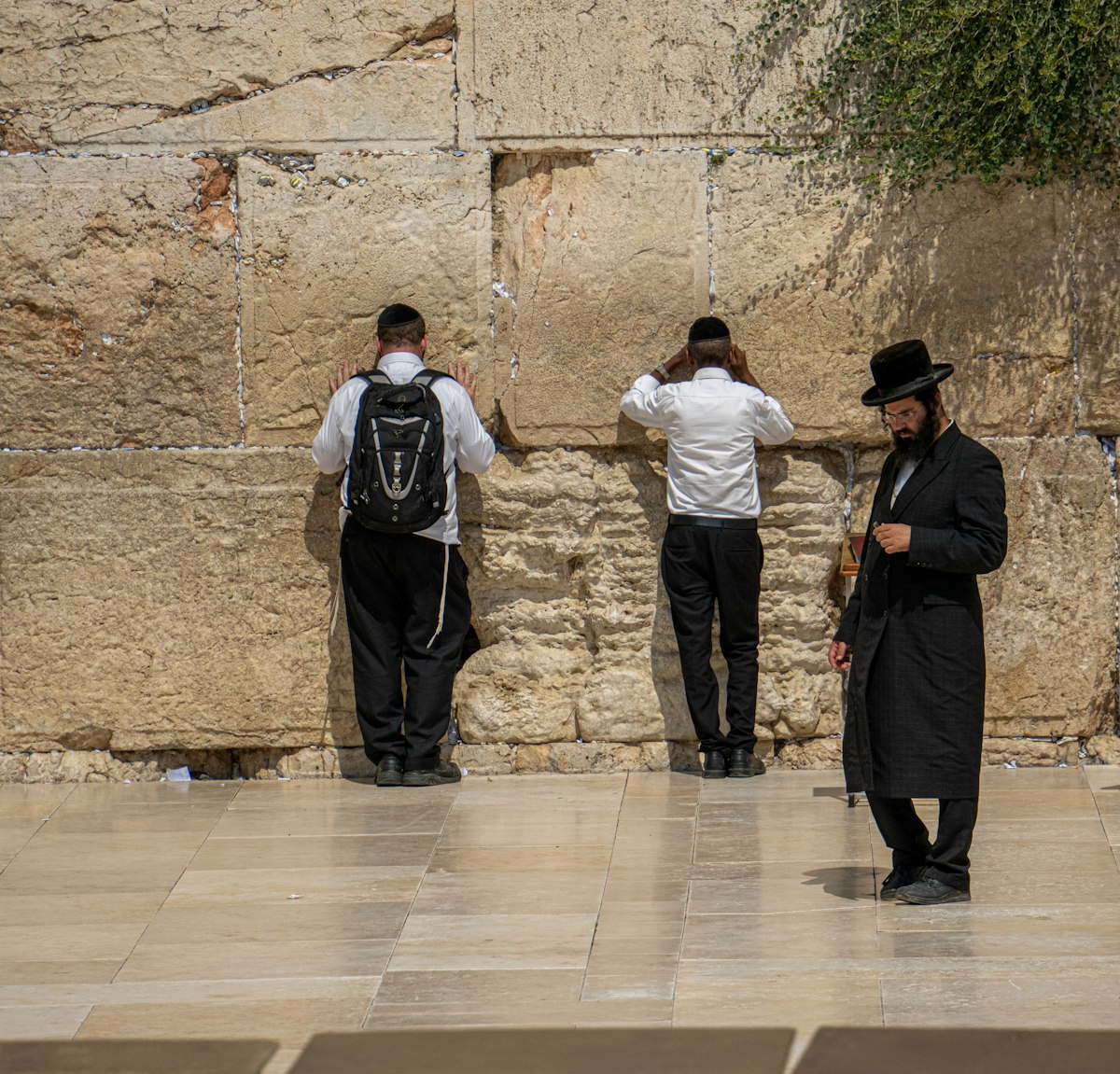
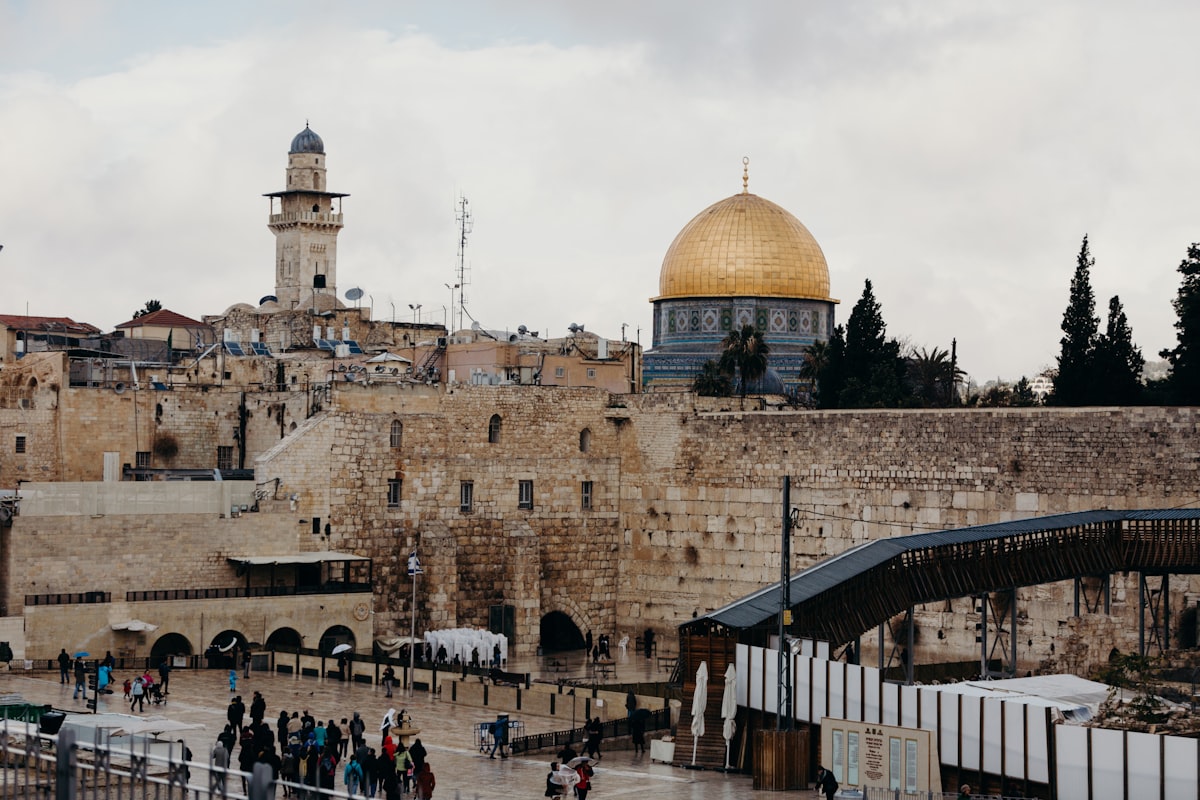
- ↓Tourist volumes remain significant: the Western Wall and Church of the Holy Sepulchre still busy enough to require early-morning visits for quiet access
- ↓Shavuot (late May/early June): another overnight pilgrimage surge to the Western Wall — the all-night prayer gatherings are beautiful but the surrounding accommodation fills quickly
- ↓Late May humidity beginning to rise toward summer levels
May scores highest overall — reliable weather and good value. Set your priorities below to personalise this result.
May
The informed traveller's sweet spot: superb weather, crowds easing post-Passover, the city still fully alive.
25°C
High
4mm
Rain
10.5h
Sun
- ↑25°C, 10.5 hours of sun, virtually no rain — the best conditions of the year for walking the full length of the Old City walls and visiting Temple Mount at dawn
- ↑Israeli Independence Day and Yom Hazikaron (Memorial Day): a moving and uniquely local experience — the contrast between national mourning and celebration is profound
- ↑Post-Passover calm: hotel prices drop 30–40% from April peaks while the weather is at its finest
- ↓Tourist volumes remain significant: the Western Wall and Church of the Holy Sepulchre still busy enough to require early-morning visits for quiet access
- ↓Shavuot (late May/early June): another overnight pilgrimage surge to the Western Wall — the all-night prayer gatherings are beautiful but the surrounding accommodation fills quickly
- ↓Late May humidity beginning to rise toward summer levels
Top travel windows
★ BestMay
Best overall
Highest combined score
25°C
High
4mm
Rain
10.5h
Sun
November
Best for value
Lowest prices & fees
17°C
High
63mm
Rain
6.5h
Sun
November
Fewest crowds
Quietest month
17°C
High
63mm
Rain
6.5h
Sun
Breakdown by priority
Best for weather
May
25°C high · 4mm rain · 10.5hrs sun/day
Best for budget
November
Hotel prices fall sharply — the best budget window alongside January for central accommodation
Fewest crowds
November
The Western Wall, Church of the Holy Sepulchre, and Temple Mount at their least crowded: quiet enough in early morning to have significant spaces almost to yourself
Where to stay in Jerusalem
All neighbourhoods →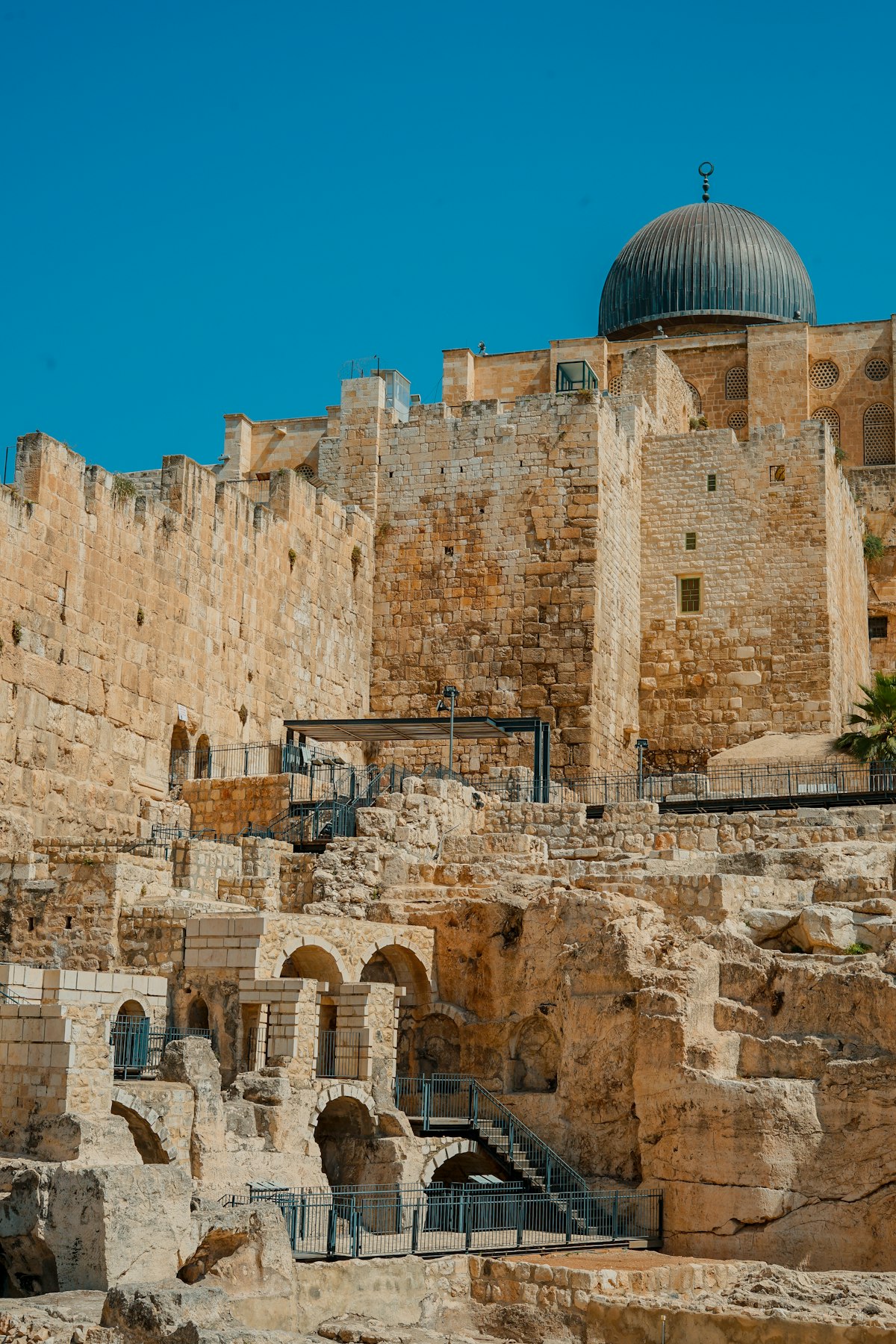
Mahane Yehuda & Nachlaot
The market district where Jerusalem is youngest and loudest — bars in the converted market stalls, street art, and genuinely local energy.
6/10
Central
9/10
Walk
8/10
Transit
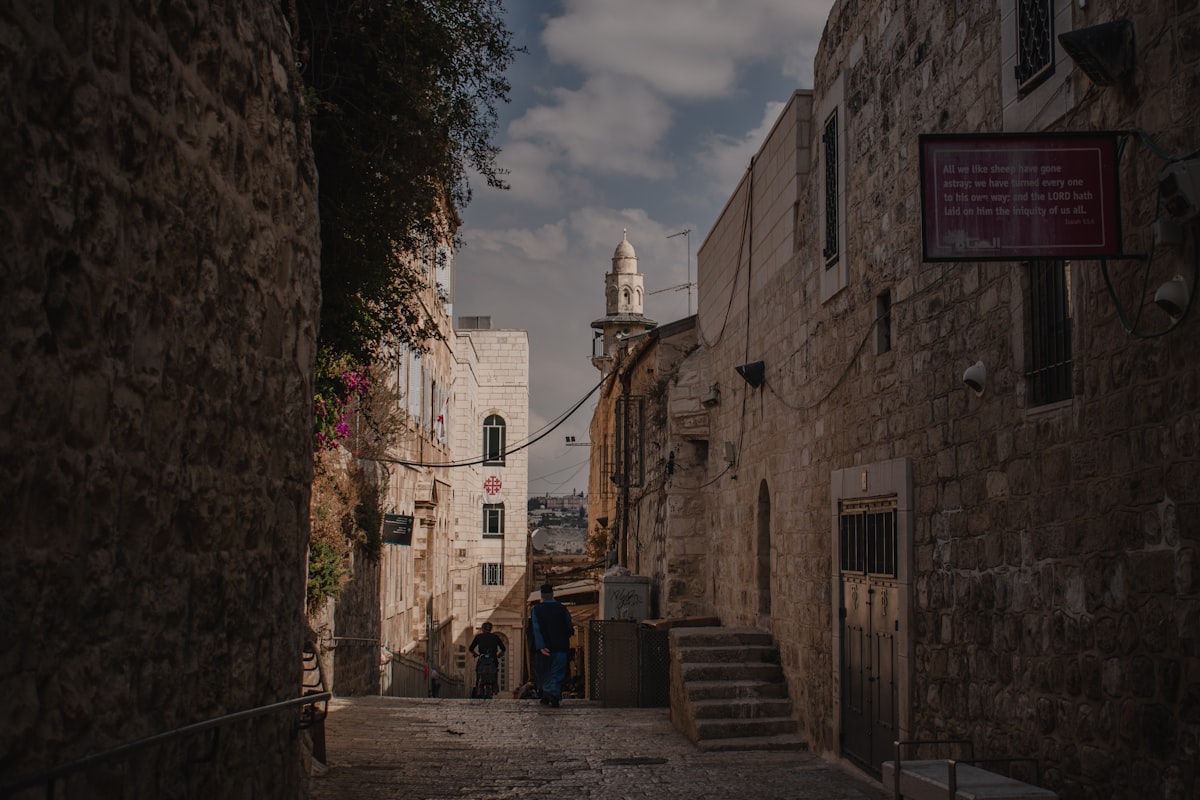
West Jerusalem / City Centre
Modern Israeli Jerusalem — the Mahane Yehuda market, Jaffa Road tram, restaurants, and the best practical base for most visitors.
7/10
Central
8/10
Walk
9/10
Transit
Also exploring
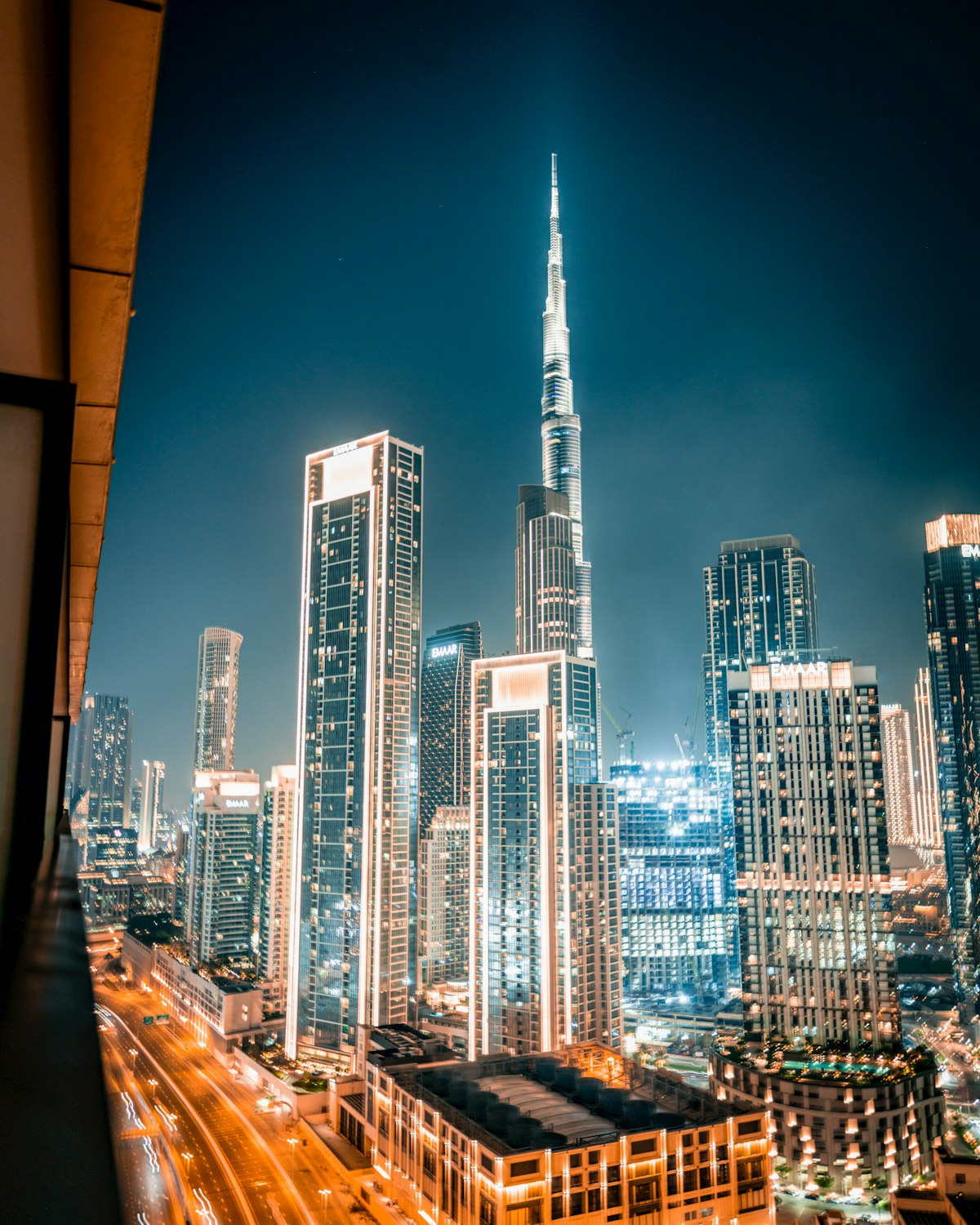
Dubai
United Arab Emirates
A city where timing is everything — the difference between October (perfect beach weather, outdoor dining, world-class events) and July (45°C, functionally unbearable outdoors) is the same destination with opposite verdicts.
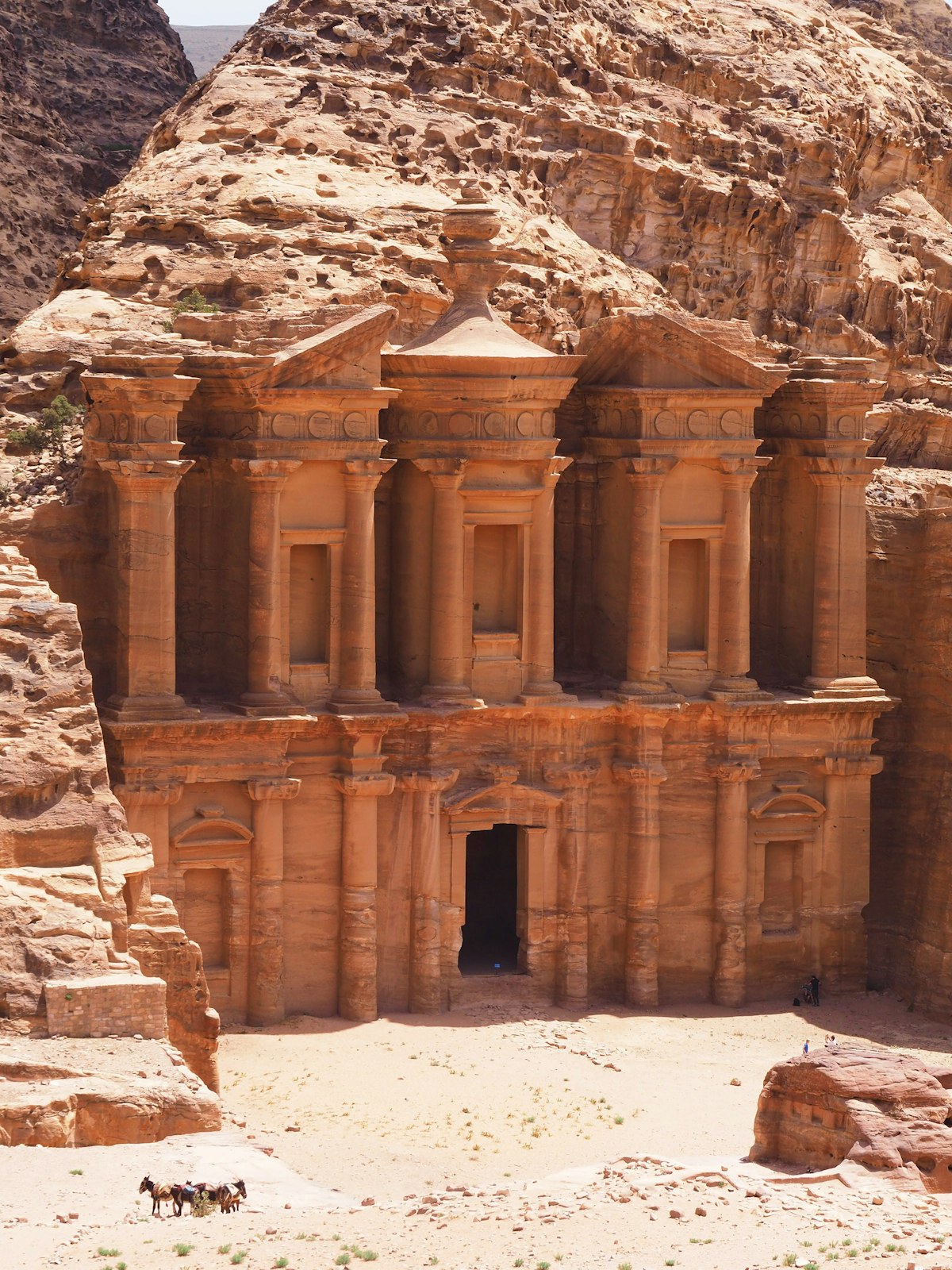
Jordan
Jordan
A desert kingdom of extraordinary depth — the rose-red city of Petra carved by the Nabataeans, the silence of Wadi Rum's vast sandstone desert, the lowest point on Earth at the Dead Sea, and the Islamic architecture of Amman; Jordan is the Middle East at its most accessible and most magnificent.
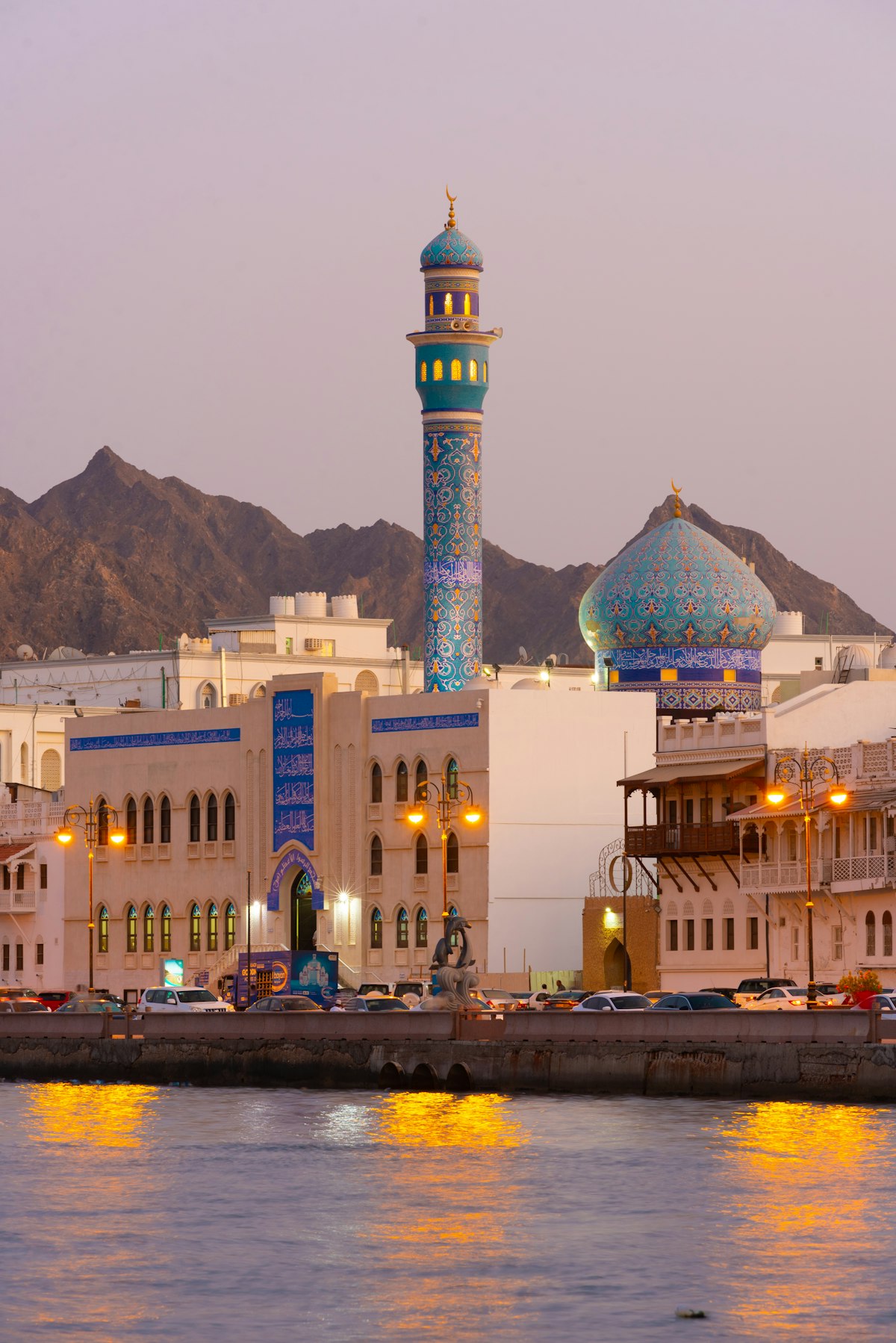
Muscat
Oman
Arabia's most beautiful secret — turquoise fjords, dramatic wadis, the Sultan Qaboos Grand Mosque, frankincense souqs, and a hospitality culture more open and gracious than any other Gulf state.
Worth knowing
May scores highest overall. July is the most crowded month — avoid if you can. See crowd-free ranking →
Month by month breakdown
January#8▾
Gains
- ↑Jerusalem's rare snow falls mostly in January — the Old City walls and Dome of the Rock dusted in white is an extraordinary and uncrowded sight
- ↑The Western Wall plaza and Church of the Holy Sepulchre at near-empty capacity: the religious sites without the usual crush of pilgrims
- ↑Hotel rates at annual lows across the city — central accommodation well below peak-season prices
Sacrifices
- ↓133mm of rainfall and temperatures as low as 5°C make outdoor exploration genuinely cold and wet; a proper waterproof layer is essential
- ↓Short days and overcast skies limit photography windows at the Old City walls and Dome of the Rock
- ↓Some smaller guesthouses and tour operators reduce hours or close in the low-season trough
February#9▾
Gains
- ↑February begins the wildflower season on the Mount of Olives and Kidron Valley slopes — unexpected colour against the ancient stone
- ↑The Via Dolorosa and Christian Quarter at a fraction of Easter crowd levels — processional routes walkable without the usual congestion
- ↑Budget hotels in West Jerusalem and East Jerusalem at the lowest prices of the year
Sacrifices
- ↓120mm of rain keeps the heaviest precipitation going — pack for full winter weather including wind
- ↓Cold evenings (5°C lows) limit the rooftop and outdoor terrace experience in the Mahane Yehuda area
- ↓Pre-Easter religious programming not yet in full swing: fewer special services and ceremonies
March#4▾
Gains
- ↑Purim celebrations (usually March): the Jewish festival brings costumes, music, and street celebration to the Mahane Yehuda market and throughout West Jerusalem
- ↑If Easter falls in March, the Christian Quarter of the Old City fills with extraordinary candlelit processions — the most significant Christian pilgrimage moment of the year
- ↑Wildflowers in full bloom across the hills surrounding the city: the Mount of Olives in March is one of the most photographically rewarding moments
Sacrifices
- ↓64mm of rain still possible: spring showers require a layered approach to outdoor sightseeing
- ↓If Easter falls in March, accommodation prices in the Old City and East Jerusalem spike significantly in the final weeks
- ↓Crowds beginning to build from mid-month; the Via Dolorosa noticeably busier than in January or February
April#3▾
Gains
- ↑Passover (Pesach): the most important Jewish festival sees hundreds of thousands of Jewish pilgrims at the Western Wall — the Seder nights create a city-wide electricity unlike any other time
- ↑Christian Easter (often April): the Via Dolorosa on Good Friday fills with international processions; the Church of the Holy Sepulchre hosts some of the most moving religious ceremonies on earth
- ↑Perfect spring weather: 21°C, 9 hours of sun, almost no rain — the Old City in April light is extraordinarily beautiful
Sacrifices
- ↓Passover week sees hotel prices in Jerusalem triple or more — book six months ahead or accept displacement to the outskirts
- ↓The three concurrent religious festivals (Jewish, Christian, Muslim if Ramadan overlaps) create a unique but genuinely crowded situation: narrow Old City lanes impassable at peak times
- ↓Some restaurants and shops operate on festival schedules — pre-plan meals for Passover Seder nights when much of the city is closed
May#1▾
Gains
- ↑25°C, 10.5 hours of sun, virtually no rain — the best conditions of the year for walking the full length of the Old City walls and visiting Temple Mount at dawn
- ↑Israeli Independence Day and Yom Hazikaron (Memorial Day): a moving and uniquely local experience — the contrast between national mourning and celebration is profound
- ↑Post-Passover calm: hotel prices drop 30–40% from April peaks while the weather is at its finest
Sacrifices
- ↓Tourist volumes remain significant: the Western Wall and Church of the Holy Sepulchre still busy enough to require early-morning visits for quiet access
- ↓Shavuot (late May/early June): another overnight pilgrimage surge to the Western Wall — the all-night prayer gatherings are beautiful but the surrounding accommodation fills quickly
- ↓Late May humidity beginning to rise toward summer levels
June#10▾
Gains
- ↑Zero rainfall and 12 hours of sun: completely reliable weather for every outdoor plan
- ↑Long evenings allow outdoor dining until 22:00 in the German Colony and Mahane Yehuda market — the outdoor café culture at its peak
- ↑Jerusalem International Film Festival (usually June) brings open-air cinema to the Sultan's Pool amphitheatre beneath the Old City walls
Sacrifices
- ↓28°C and full summer sun make midday visits to the exposed limestone of the Temple Mount genuinely uncomfortable — start at 07:00 or finish by 11:00
- ↓International tourist volumes peak: the Old City's narrow Muslim Quarter lanes and Via Dolorosa crowded throughout the day
- ↓Hotel prices 30–40% above spring levels; the better-located Old City accommodation fully booked
July#11▾
Gains
- ↑Absolute reliability: zero rain, 12.5 hours of sun — every outdoor plan will proceed without weather disruption
- ↑Tisha B'Av (late July): the Jewish day of mourning sees a solemn, deeply authentic gathering at the Western Wall — one of the most genuinely moving religious observances in the city
- ↑Long daylight hours allow evening walks along the Ottoman walls and rooftop dinners in the cool of dusk
Sacrifices
- ↓Peak tourist volumes: the Western Wall plaza, Via Dolorosa, and Church of the Holy Sepulchre at their most congested — independent navigation of the Old City lanes is significantly impeded
- ↓Hotel prices at annual peak across the city — Old City guesthouses and German Colony boutique hotels fully booked months in advance
- ↓29°C with intense sun and no sea breeze: the reflective stone surfaces of the Temple Mount create a heat sink that requires serious preparation
August#12▾
Gains
- ↑Israel Museum summer programming: extended opening hours and special exhibitions make the world-class collection accessible in cool interiors during the heat of the day
- ↑Zero rainfall: the cleanest air and clearest light of the year for viewing the Jerusalem skyline from the Mount of Olives
- ↑The Mahane Yehuda market evening bar scene is at its most vibrant in summer — converted market stalls packed with locals and visitors alike
Sacrifices
- ↓Tourist volumes at the absolute annual peak; guided group tours clog the Jewish Quarter and Christian Quarter from 09:00 to 17:00 daily
- ↓The Old City's lack of shade on the exposed Temple Mount plateau makes unprotected midday visits genuinely risky in the heat
- ↓Local Israelis on summer holiday means some neighbourhood restaurants operate on reduced staff
September#5▾
Gains
- ↑Rosh Hashanah (Jewish New Year, usually September): the most significant domestic holiday in Israel — the Western Wall fills for special prayer services, the city takes on a genuinely sacred quality
- ↑Yom Kippur: Israel's holiest day and one of the most extraordinary experiences in any city on earth — streets empty of cars, a 25-hour fast, and a silence that makes Jerusalem feel outside ordinary time
- ↑Sukkot (Feast of Tabernacles): the Old City fills with the wooden booth structures of Jewish families, and the city operates with a festive communal energy
Sacrifices
- ↓The High Holidays drive a significant accommodation spike: book at least three months ahead and expect Yom Kippur-week prices to match or exceed Passover levels
- ↓Tourism remains high through September — the sites haven't emptied enough to feel significantly less crowded than August
- ↓Yom Kippur itself: virtually all restaurants and services close for the day — plan food and logistics ahead
October#2▾
Gains
- ↑Post-High-Holiday calm: international tourism drops noticeably from the September peak, while 23°C weather and 9 hours of sun make outdoor exploration nearly perfect
- ↑Sukkot celebrations (if in early October): the most visually festive Jewish holiday — the Old City covered in sukkah booths, the Jewish Quarter alive with outdoor family meals
- ↑The autumn golden light on Jerusalem's limestone is at its most photogenic: the Dome of the Rock in October afternoon sun is exceptional
Sacrifices
- ↓11mm of rain arrives toward month end — the first precipitation since April; outdoor plans need a contingency layer
- ↓Accommodation prices haven't fallen fully to winter levels: October is still moderately priced
- ↓The festive energy of the High Holidays has passed, replaced by a quieter civic mood — some visitors find October slightly flat after September's intensity
November#7▾
Gains
- ↑The Western Wall, Church of the Holy Sepulchre, and Temple Mount at their least crowded: quiet enough in early morning to have significant spaces almost to yourself
- ↑Hotel prices fall sharply — the best budget window alongside January for central accommodation
- ↑The Mahane Yehuda market returns to its local mode: food stalls and bars for residents rather than tourists, with prices to match
Sacrifices
- ↓63mm of rain and falling temperatures (10°C lows) make outdoor sightseeing increasingly grey and wet
- ↓Only 6.5 hours of daily sun compress the outdoor photography window — the Old City in overcast November light is atmospheric but not as photogenic
- ↓The festive and religious energy that defines Jerusalem at its best is absent until December brings Christmas preparations
December#6▾
Gains
- ↑Christmas Eve Midnight Mass in Bethlehem (20 minutes from Jerusalem): one of the most extraordinary religious experiences available to any traveller, with the Church of the Nativity at the heart of the world's Christian pilgrimage
- ↑Hanukkah (usually December): the Jewish festival of lights fills Jerusalem with outdoor menorahs and a festive winter energy quite unlike any other city
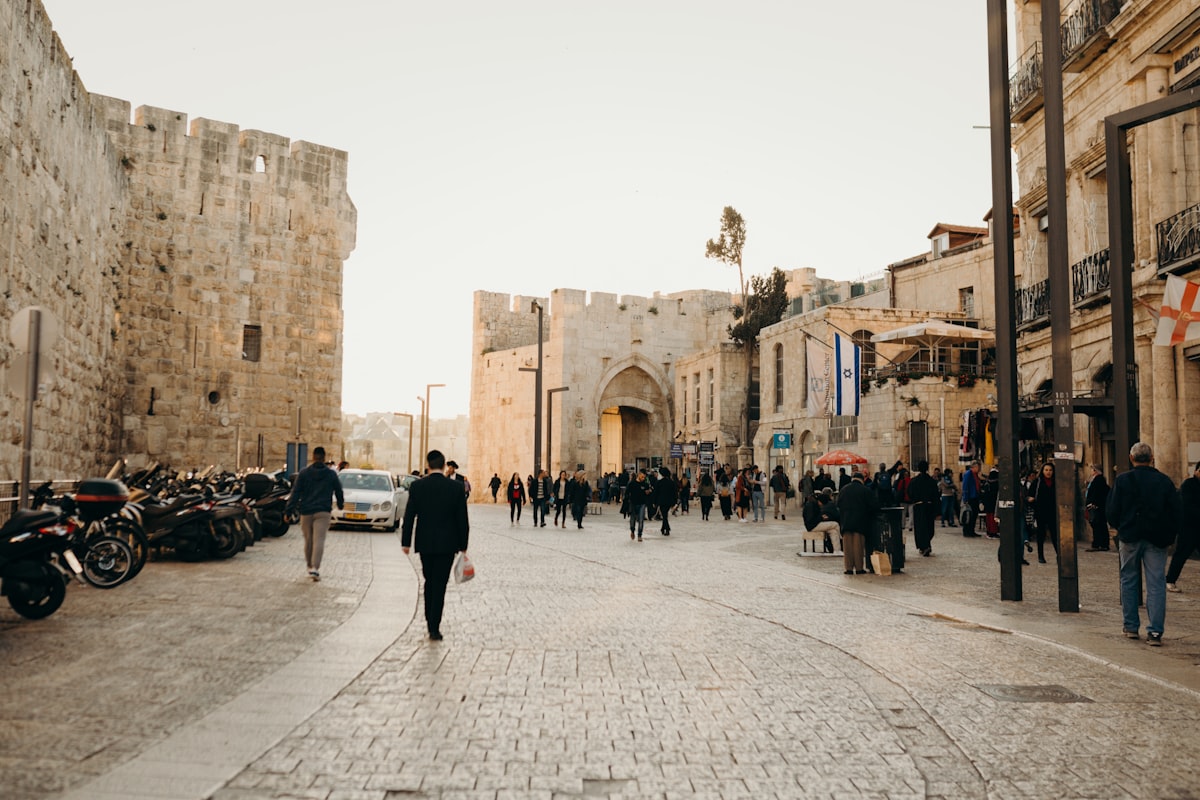
- ↑The Old City's Christian Quarter in December has an authentic pilgrimage atmosphere — carol services, candlelit processions, and Christmas markets around the Jaffa Gate
Sacrifices
- ↓103mm of rain makes December the wettest month of the year — be prepared for extended wet periods
- ↓Christmas week sees significant international pilgrimage crowds in the Christian Quarter and on the road to Bethlehem — a once-in-a-lifetime experience, but not a quiet one
- ↓Cold evenings (6°C lows) and limited sunshine (5.5 hours daily) make outdoor sightseeing physically demanding in winter gear
How this is calculated
Climate data
Open Meteo ERA5
30-year normals (1991–2020). Temperature, rainfall, sunshine, humidity.
Price & crowd
Tourism research
Seasonal pricing from tourism authority data. Directional — compares months within a destination only.
Personalisation
Weighted scoring
Your priorities change the weights. Budget-first users get different results than weather-first users.
Share this result
May is the best time to visit Jerusalem
Travel timing updates
New destinations and timing guides, when they land.
No spam. Unsubscribe anytime.