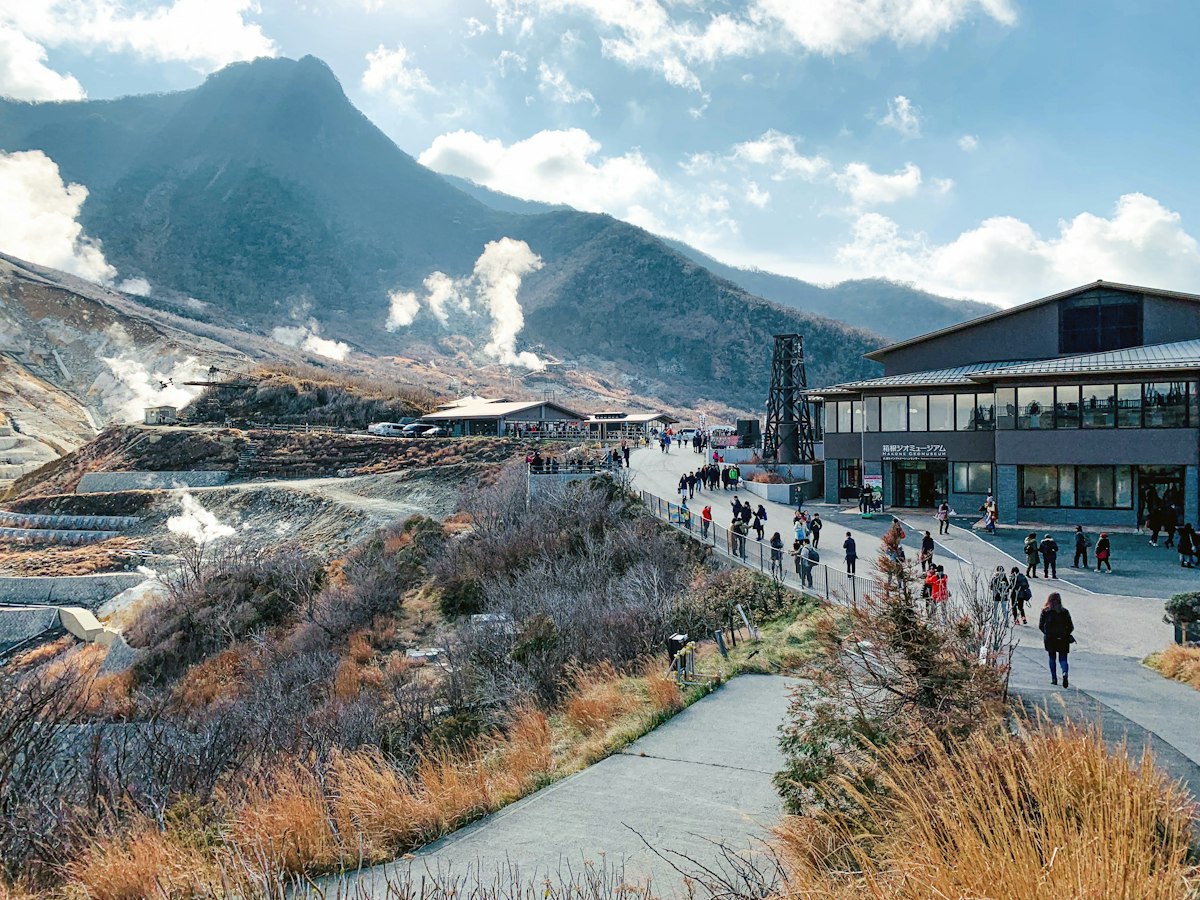
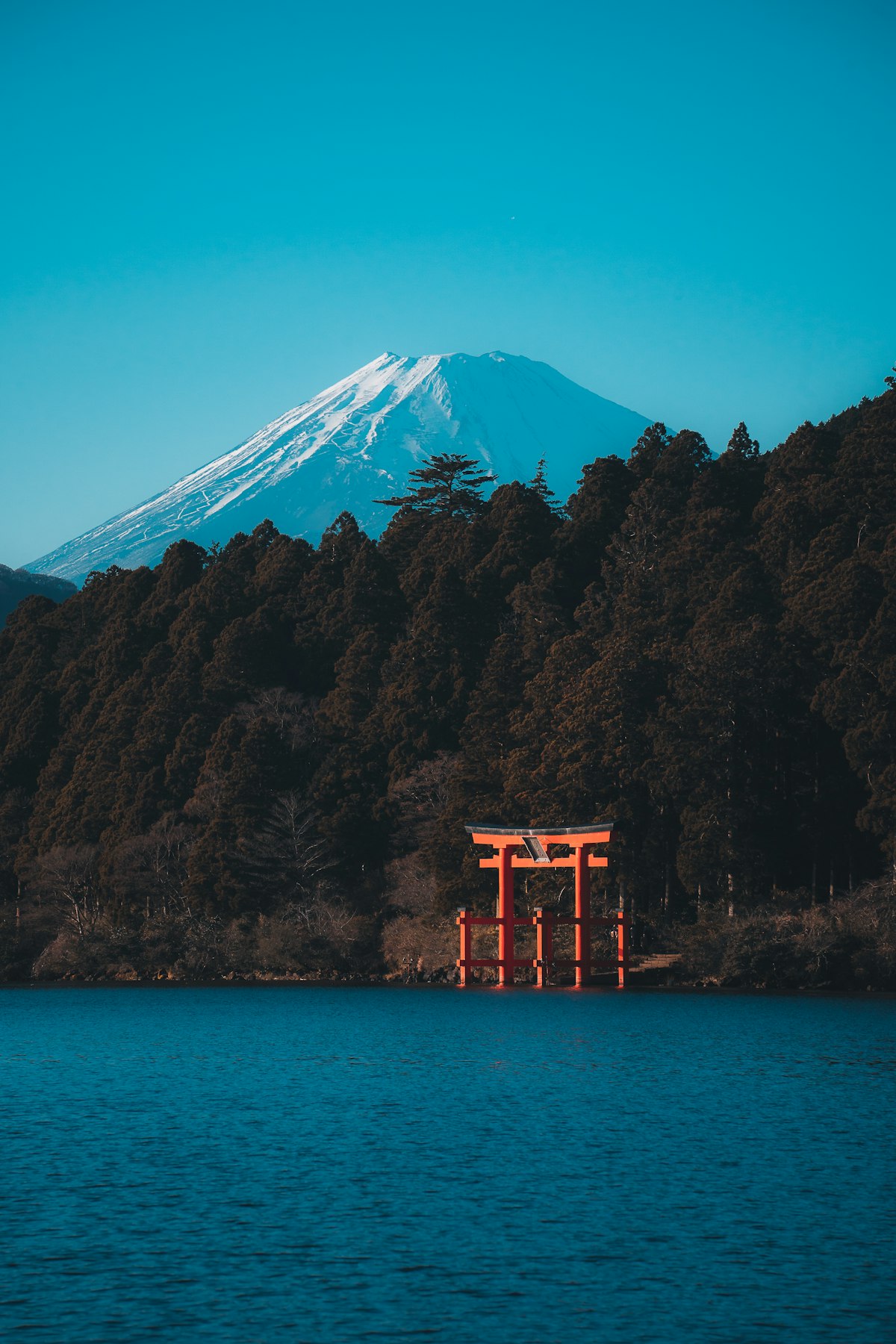
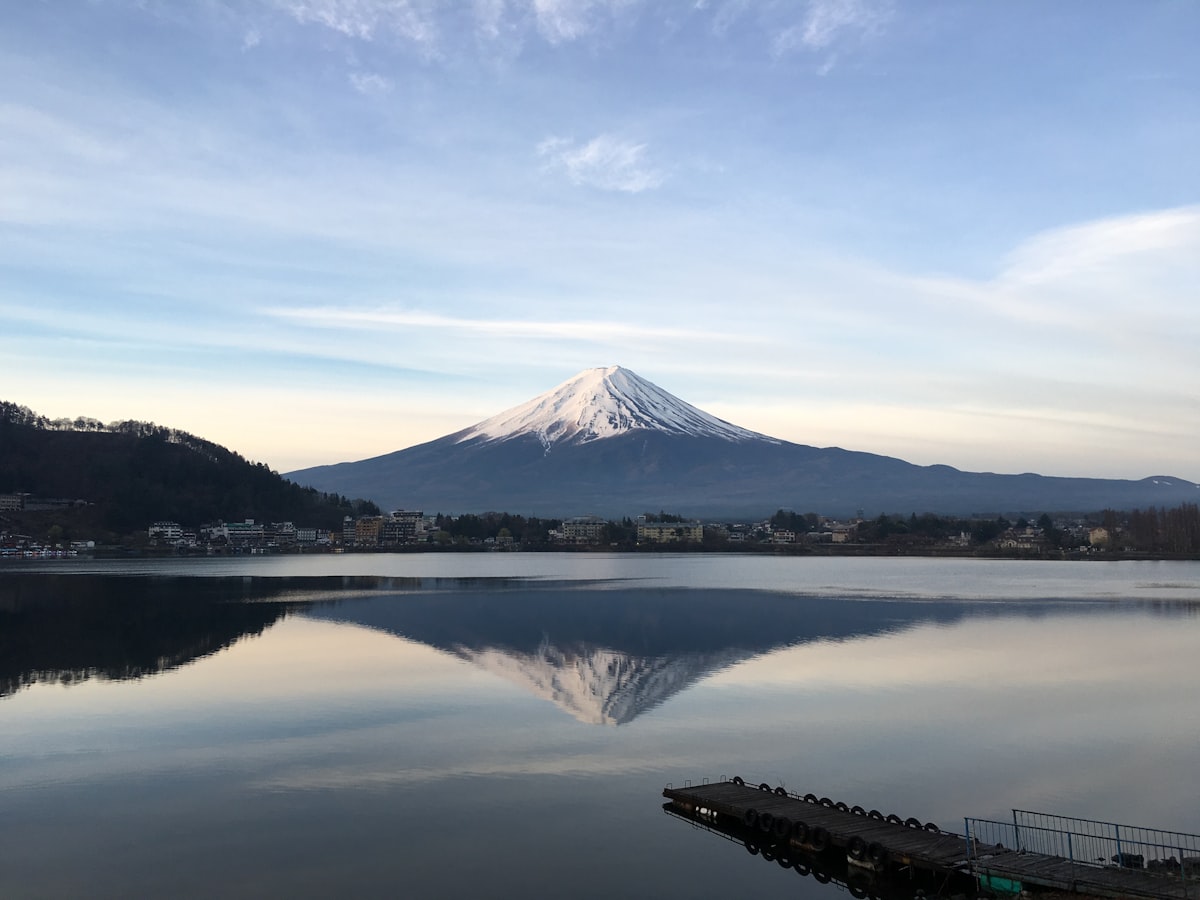
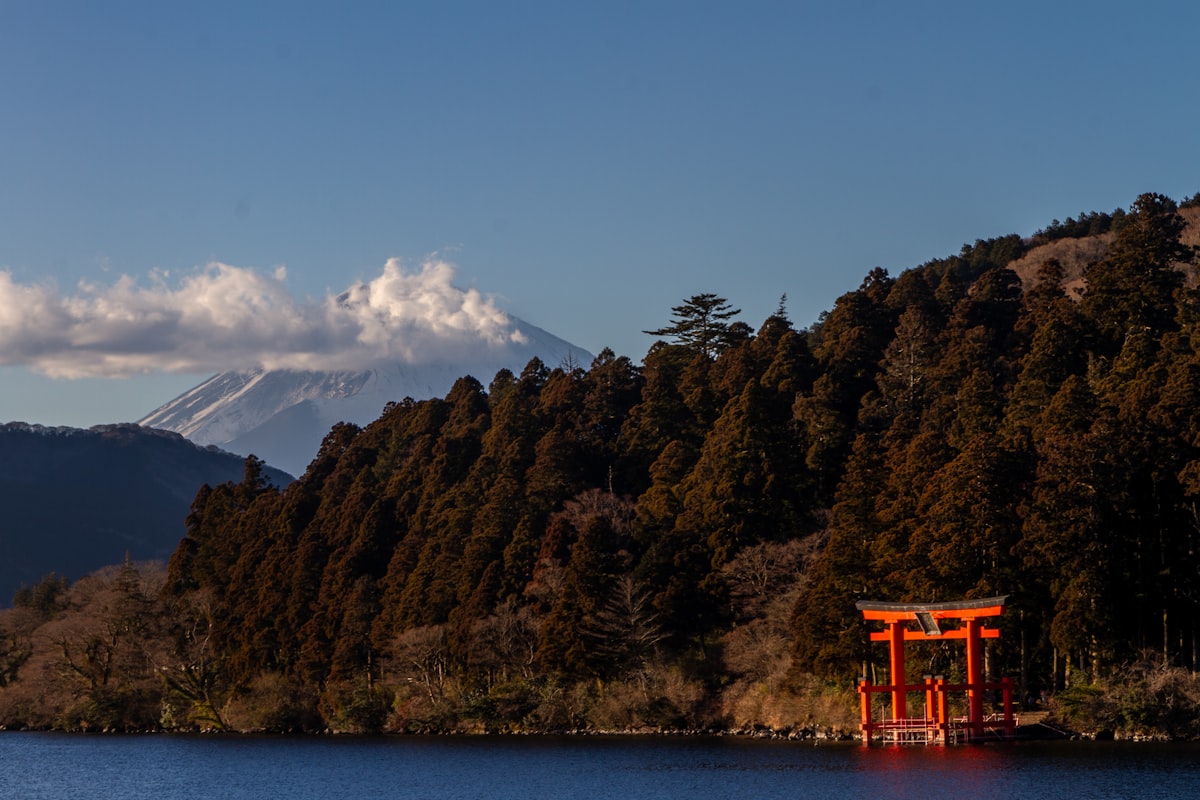
Showing: Dec · Yusheng Deng / Unsplash
Japan · East Asia
Best time to visit Hakone
December
Dec scores highest overall — reliable weather and good value. Set your priorities below to personalise this result.
What matters most to you?
All 12 months — click any to expand
Dec
Yusheng Deng / Unsplash
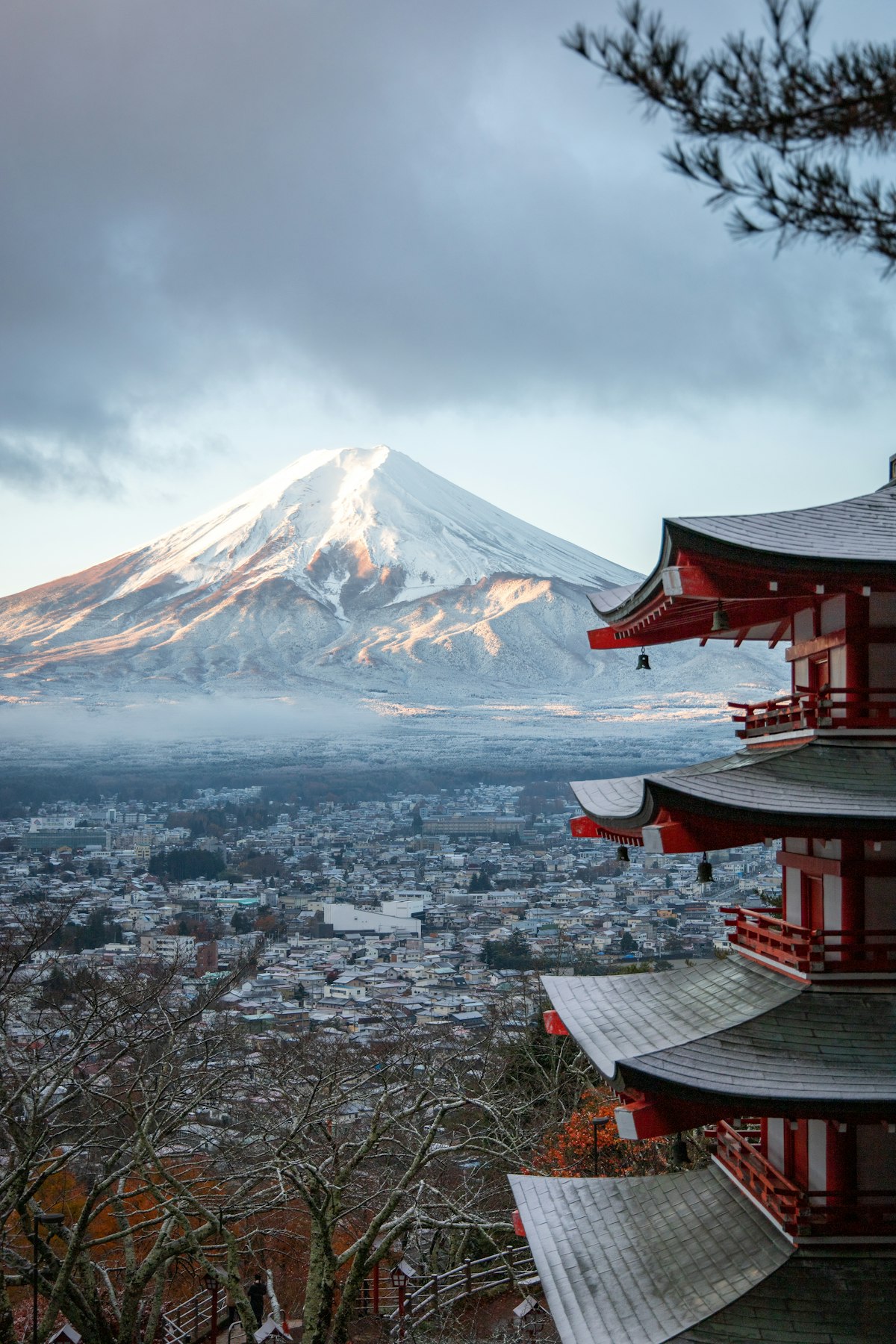
Crisp and clear — winter onsen season opens with excellent Fuji visibility and low crowds.
9°C
High
2°C
Low
65mm
Rain
6h
Sun/day
What you gain
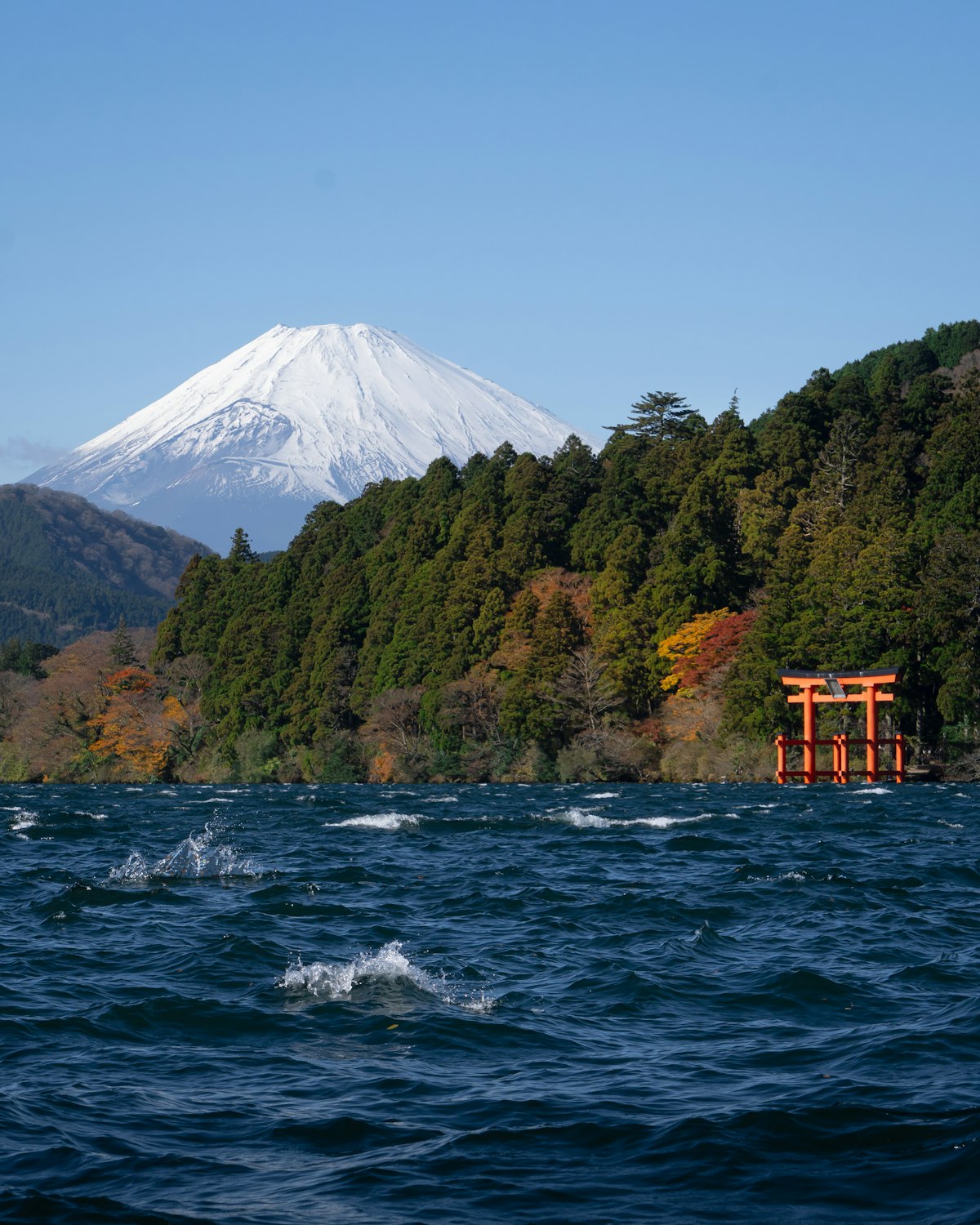
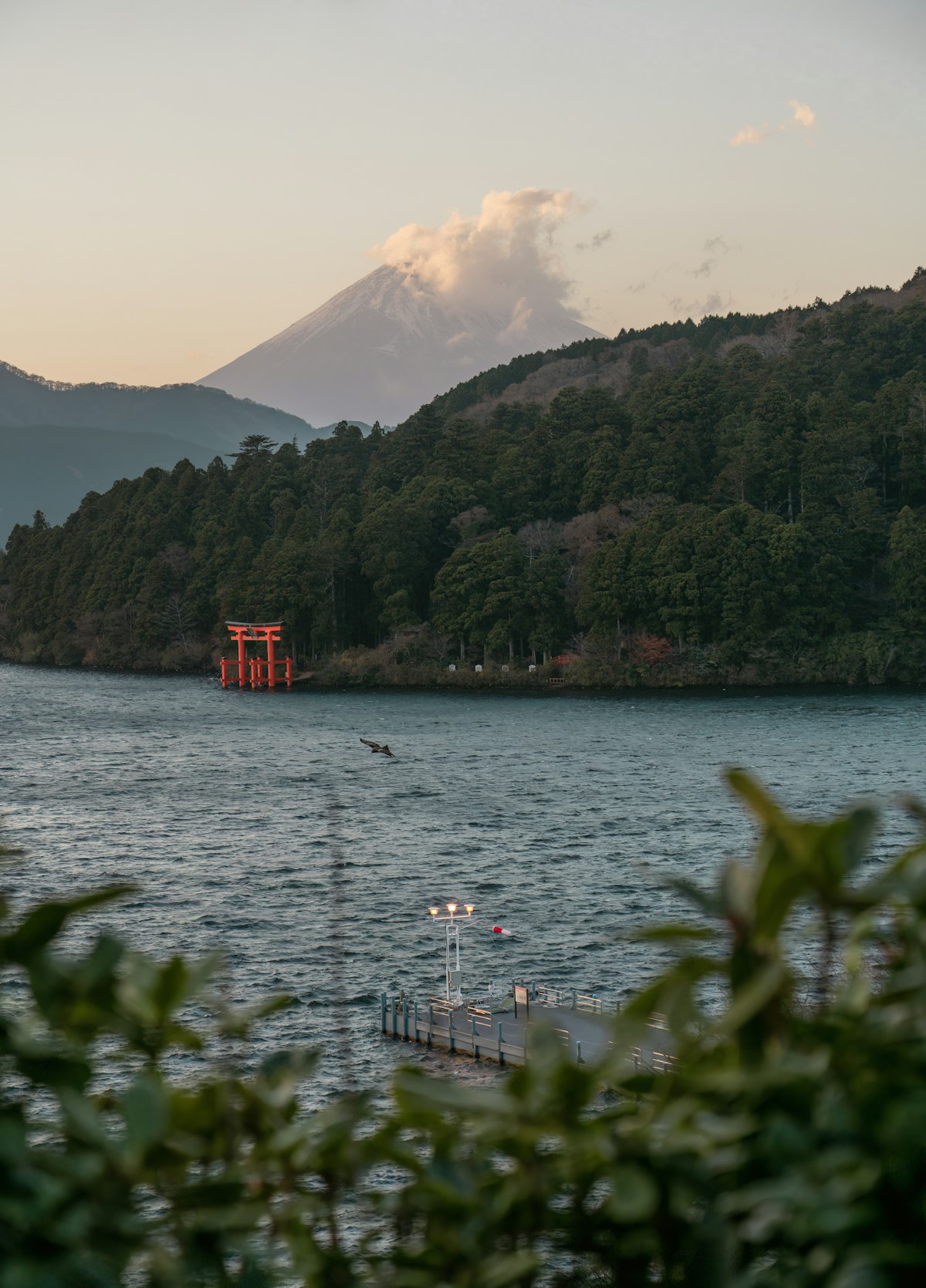
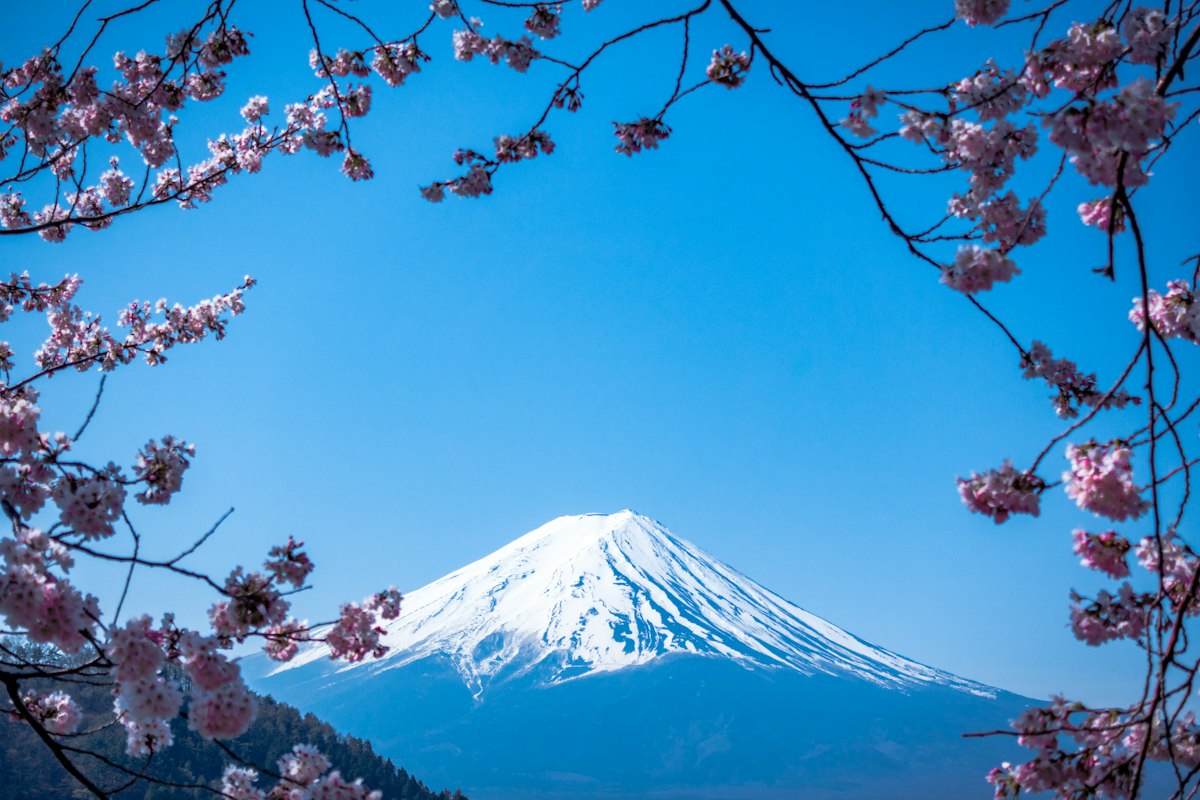
- ↑Excellent Mt Fuji clarity: December air is dry and clean, producing sharp sightlines from Lake Ashi and the ropeway
- ↑Lowest crowds of the post-autumn period: accommodation rates drop sharply after the foliage rush
- ↑Outdoor onsen (rotenburo) in cold crisp air with mountain views — the quintessential Hakone experience at its purest
What you sacrifice
- ↓Cold: 2°C lows require proper layering for all outdoor activities including ropeway and lake walks
- ↓Christmas and New Year week (Dec 28–Jan 3) sees a brief price and crowd spike
- ↓Short daylight hours limit afternoon photography windows; the golden hour arrives before 4:30pm
Dec scores highest overall — reliable weather and good value. Set your priorities below to personalise this result.
Dec
Crisp and clear — winter onsen season opens with excellent Fuji visibility and low crowds.
9°C
High
65mm
Rain
6h
Sun
- ↑Excellent Mt Fuji clarity: December air is dry and clean, producing sharp sightlines from Lake Ashi and the ropeway
- ↑Lowest crowds of the post-autumn period: accommodation rates drop sharply after the foliage rush
- ↑Outdoor onsen (rotenburo) in cold crisp air with mountain views — the quintessential Hakone experience at its purest
- ↓Cold: 2°C lows require proper layering for all outdoor activities including ropeway and lake walks
- ↓Christmas and New Year week (Dec 28–Jan 3) sees a brief price and crowd spike
- ↓Short daylight hours limit afternoon photography windows; the golden hour arrives before 4:30pm
Top travel windows
★ BestDecember
Best overall
Highest combined score
9°C
High
65mm
Rain
6h
Sun
★ BestDecember
Best for value
Lowest prices & fees
9°C
High
65mm
Rain
6h
Sun
★ BestDecember
Fewest crowds
Quietest month
9°C
High
65mm
Rain
6h
Sun
Breakdown by priority
Best for weather
December
9°C high · 65mm rain · 6hrs sun/day
Best for budget
December
Lowest crowds of the post-autumn period: accommodation rates drop sharply after the foliage rush
Fewest crowds
December
Lowest crowds of the post-autumn period: accommodation rates drop sharply after the foliage rush
Where to stay in Hakone
All neighbourhoods →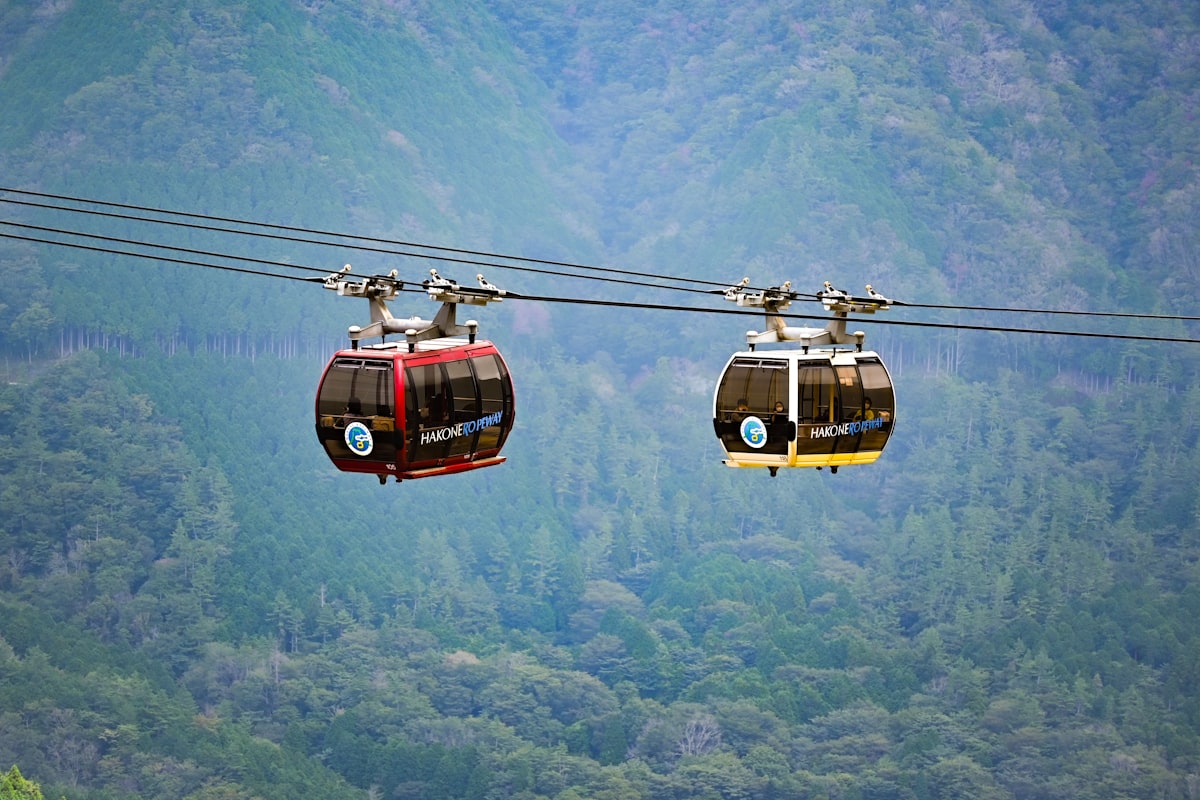
Hakone-Yumoto
The gateway to Hakone — a traditional onsen town where the Romancecar arrives and the hot spring streets begin.
6/10
Central
7/10
Walk
9/10
Transit
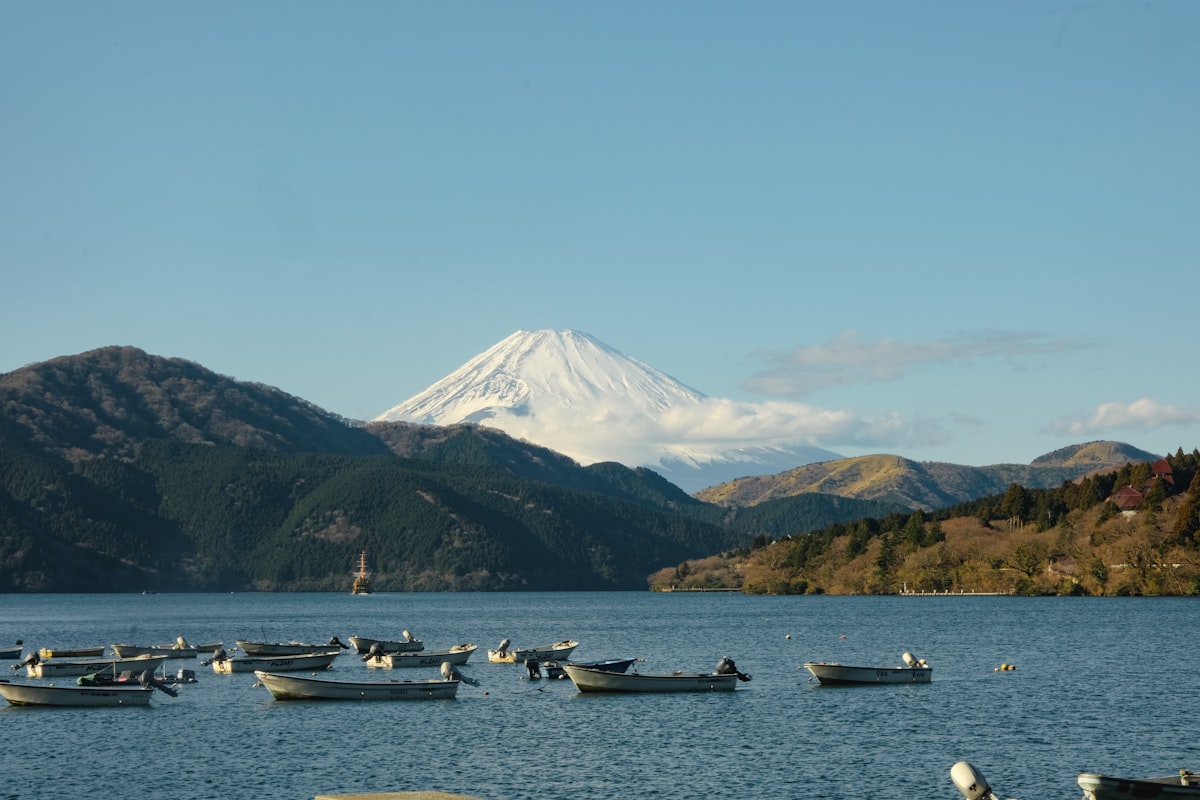
Gora & Owakudani
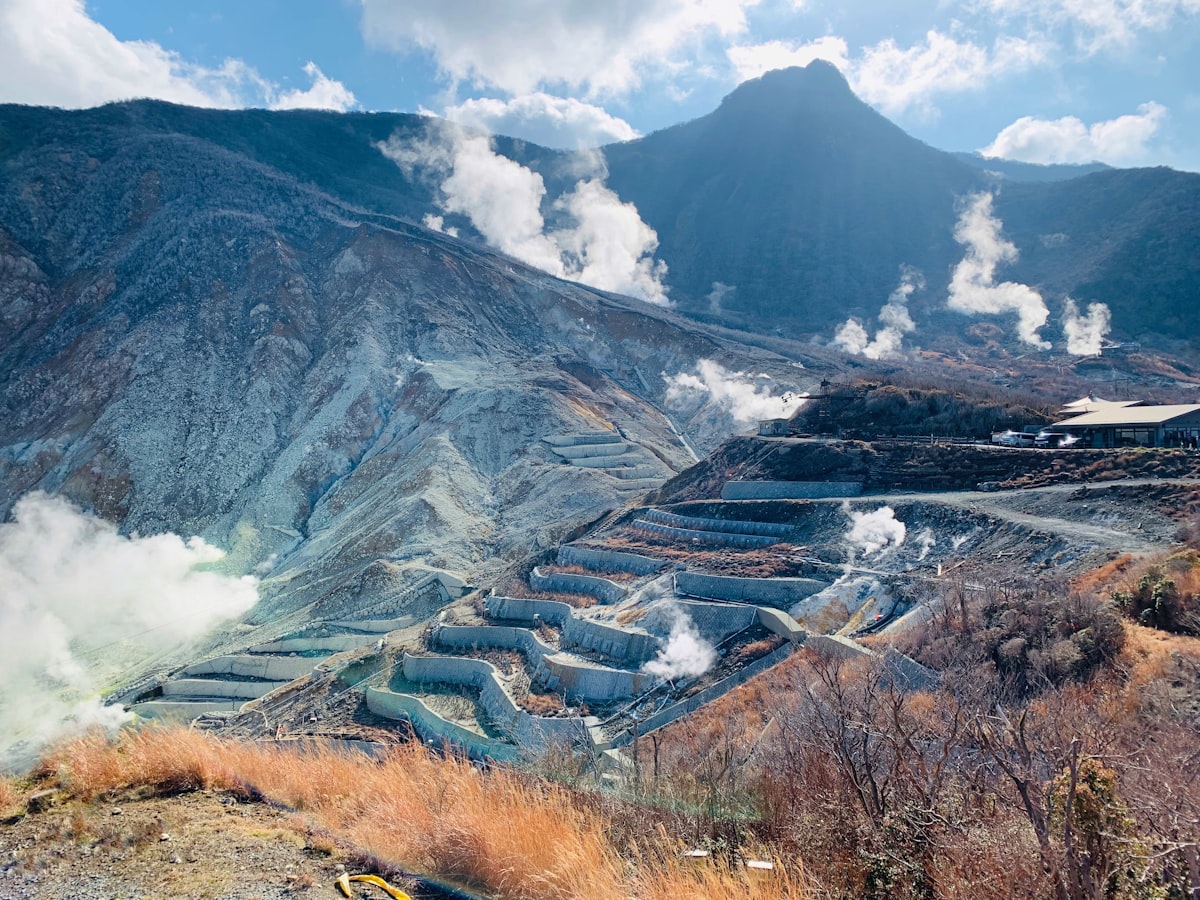
The upper plateau — the Open Air Museum, Gora Park, and the ropeway over Japan's most active volcanic valley.
8/10
Central
5/10
Walk
7/10
Transit
Also exploring
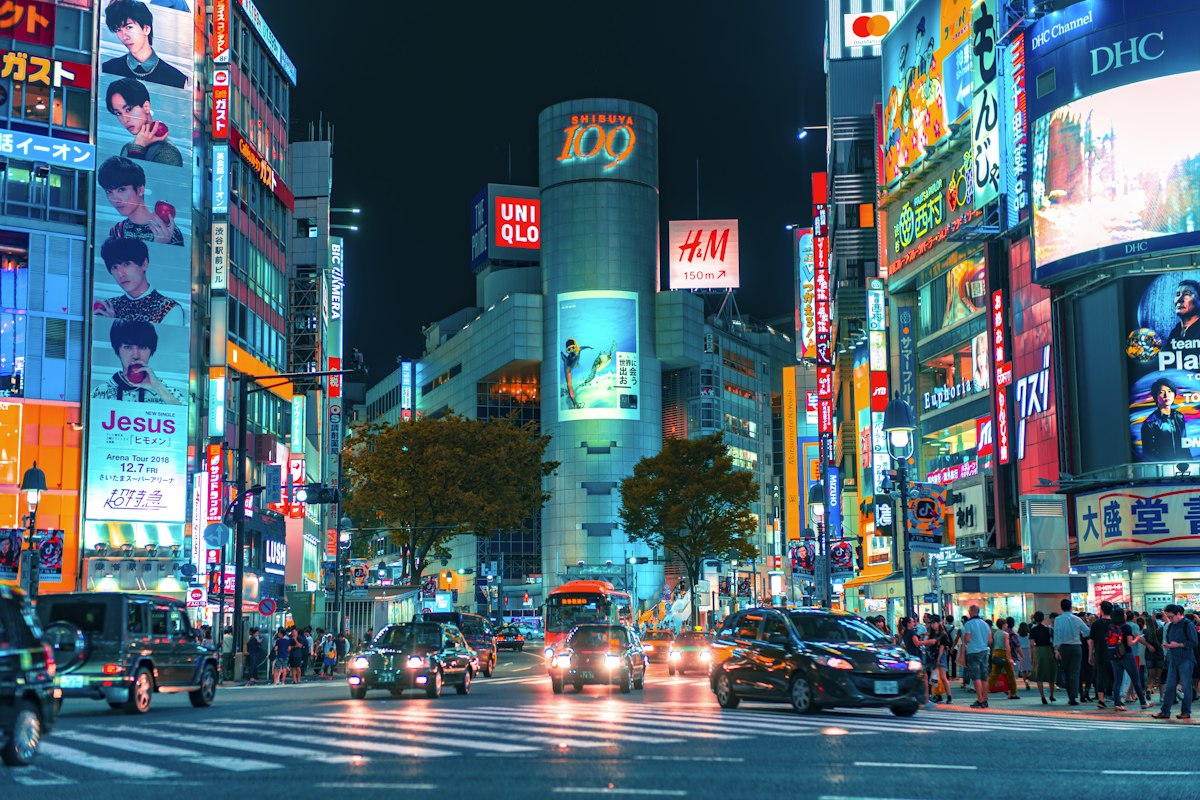
Tokyo
Japan
A city of dramatic seasonal contrasts — cherry blossom crowds, oppressive summer humidity, and golden autumn foliage — where the wrong timing can make or break the trip.
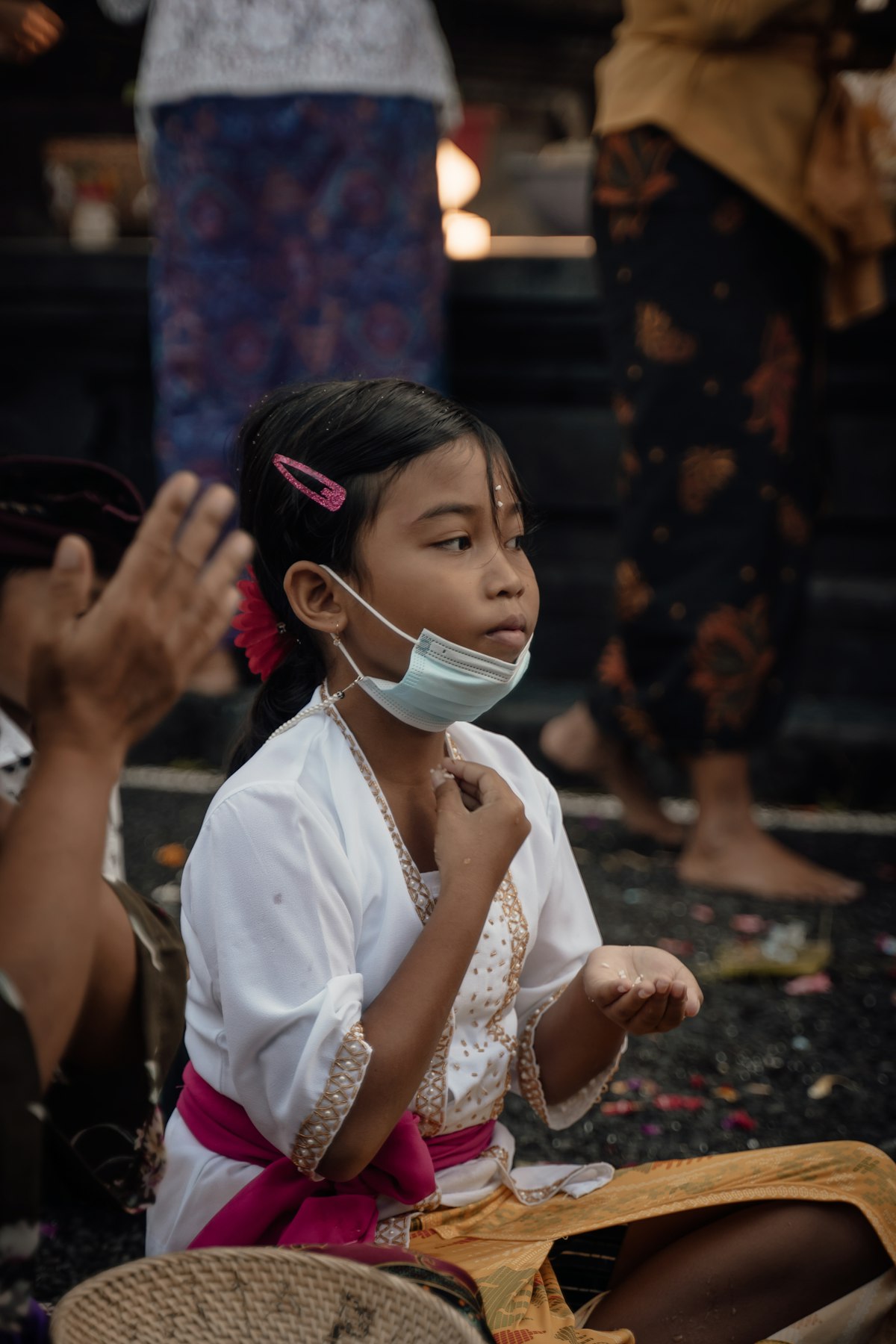
Bali
Indonesia
A Hindu island of rice terraces, temple ceremonies, and surf breaks where the monsoon makes timing genuinely binary — the difference between dry and wet season is not subtle.
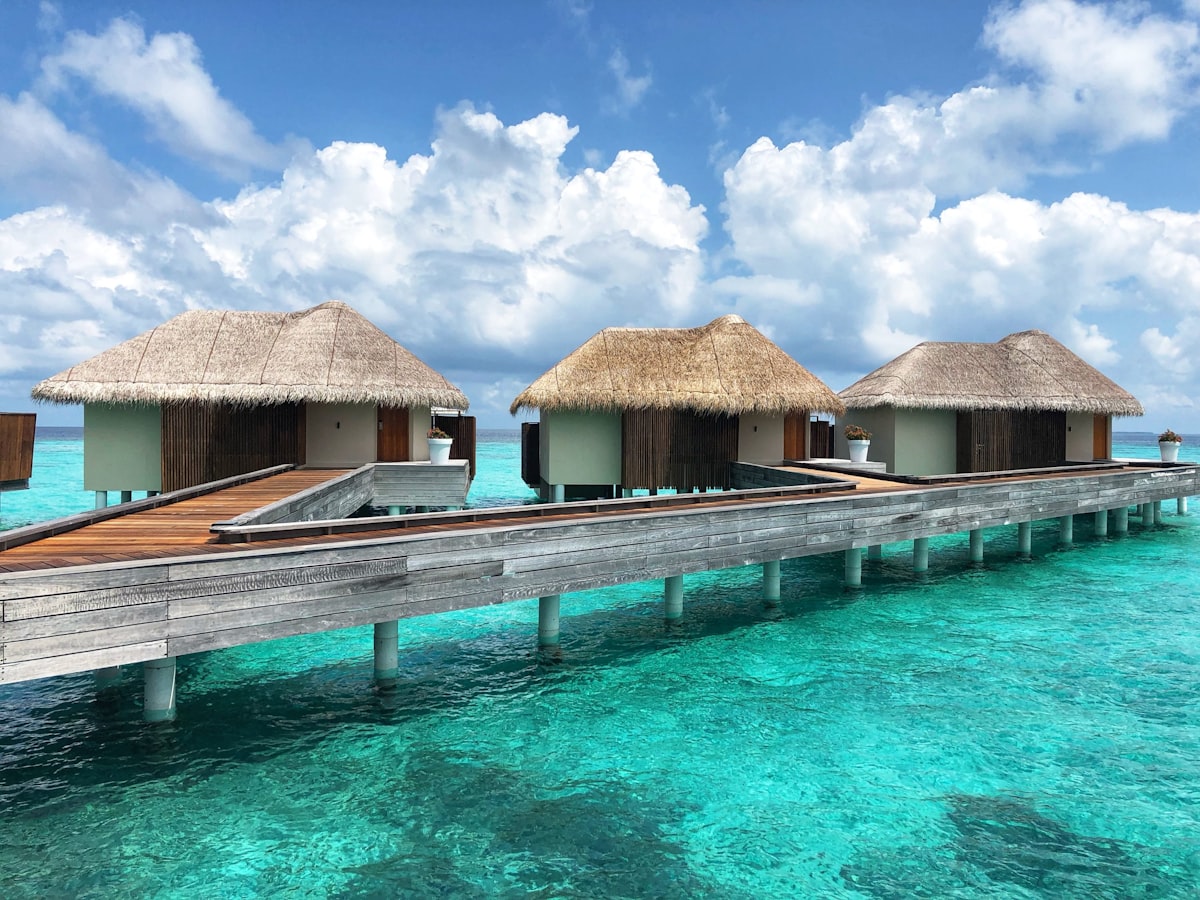
Maldives
Maldives
A destination defined almost entirely by its monsoon calendar — the difference between the NE dry season (November–April) and SW wet season (May–October) is not subtle and shapes every aspect of the experience.
Worth knowing
December scores highest overall. July is the most crowded month — avoid if you can. See crowd-free ranking →
Month by month breakdown
January#3▾
Gains
- ↑Mt Fuji clearest visibility of the year from Lake Ashi and Owakudani on crisp winter mornings
- ↑Onsen culture at its most satisfying: outdoor rotenburo with snow-dusted mountains above
- ↑Hakone Ekiden marathon relay (Jan 2–3) turns the Tokaido road into a national spectacle
Sacrifices
- ↓0°C nights require serious layering for any outdoor activity
- ↓Some higher trails and ropeway segments close briefly after heavy snowfall
- ↓Shorter days limit late-afternoon lake and mountain photography
February#4▾
Gains
- ↑Statistically clearest Mt Fuji sightlines of the year with dry winter air and low humidity
- ↑Very low crowds: Lake Ashi and Hakone Shrine walkable without queues at any hour
- ↑Ryokan prices at near-annual lows — the best window for a splurge that feels affordable
Sacrifices
- ↓Coldest month: 1°C lows make all-day outdoor exploration demanding without full winter gear
- ↓No foliage or blossoms — the landscape is stark brown and grey outside of the snow peaks
- ↓Limited evening activities; the resort town slows considerably after dinner
March#5▾
Gains
- ↑Temperatures climbing toward double figures: comfortable for full-day lake walks and ropeway trips
- ↑Early spring light transforms Lake Ashi — calm reflections before the cherry blossom crowds build
- ↑Prices still near winter lows before the April surge; good ryokan value without peak-season premiums
Sacrifices
- ↓120mm of rain across the month — waterproof layers essential for outdoor sightseeing
- ↓Cherry blossoms not yet open; those timing for blossom should target late March at earliest
- ↓Mt Fuji increasingly obscured by spring haze and cloud cover as the season transitions
April#7▾
Gains
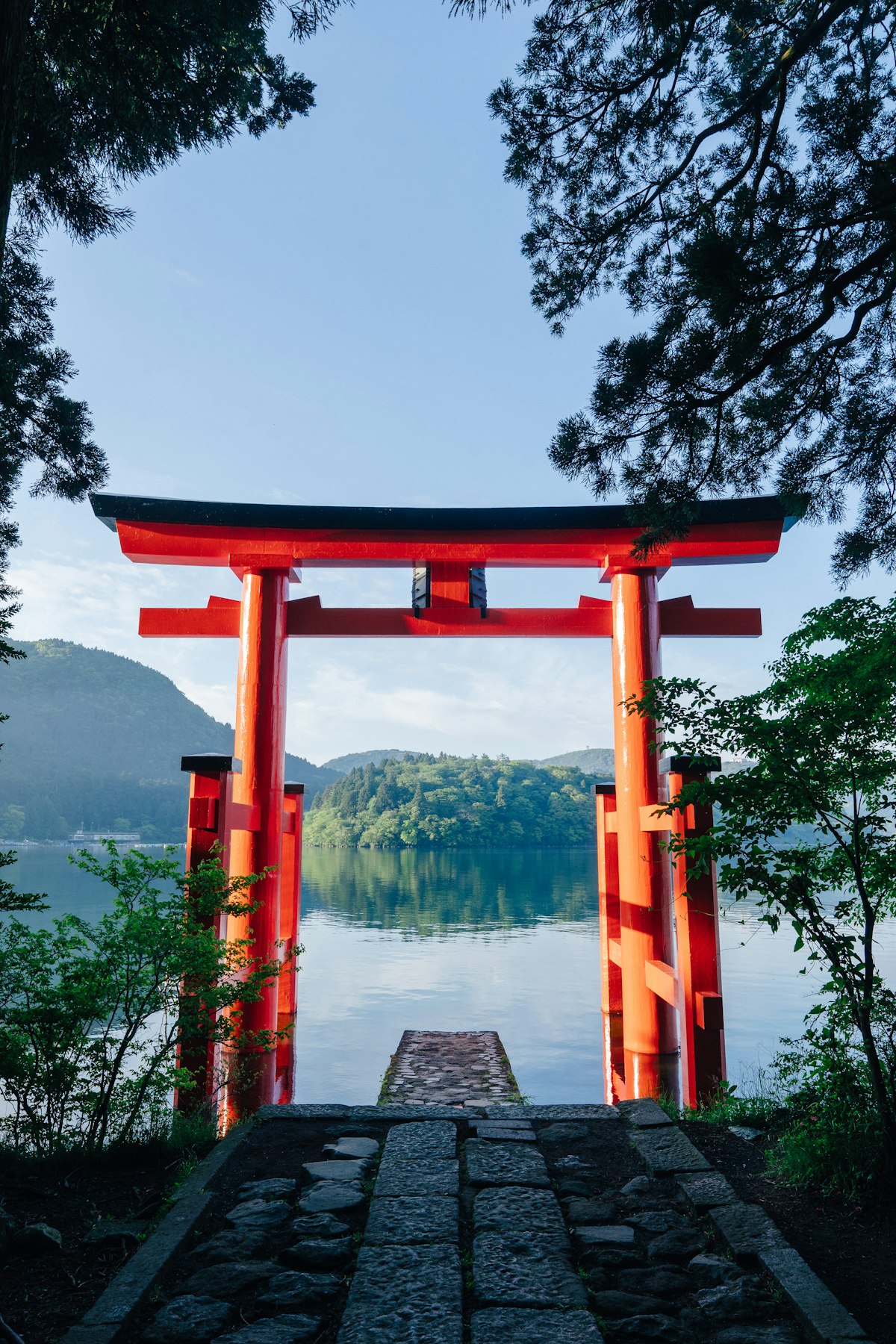
- ↑Cherry blossoms frame Lake Ashi and the Hakone Shrine torii gate in early April: one of the great spring scenes in Japan
- ↑Warm 18°C days ideal for ropeway rides and outdoor onsen with petals drifting overhead
- ↑Golden Week (late April) brings a festival atmosphere; Hakone Shrine events and lakeside stalls
Sacrifices
- ↓165mm of rainfall — hard cap applies; heavy spring rain disrupts outdoor plans regularly
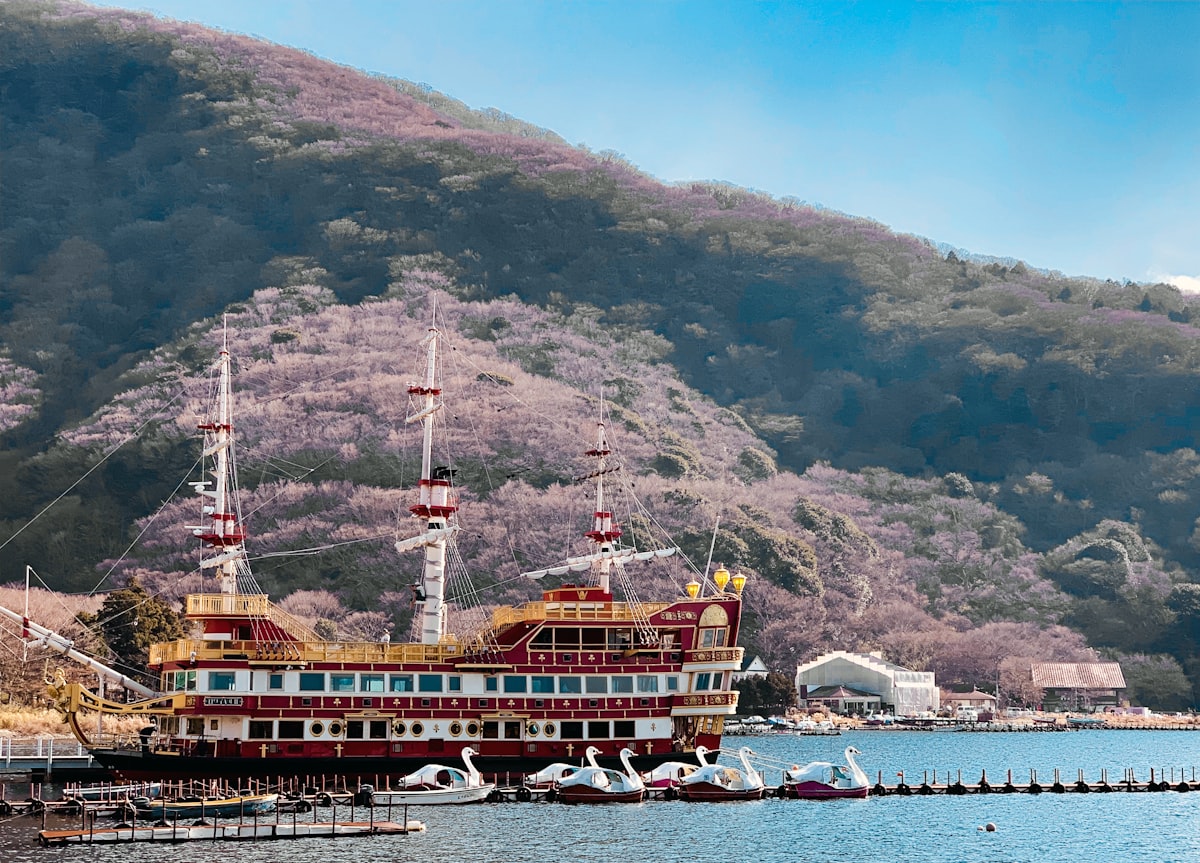
- ↓Very crowded: pirate ship cruises and Hakone Open Air Museum book out days in advance
- ↓Accommodation prices sharply elevated; ryokan rates at or near annual high from late March through early May
May#8▾
Gains
- ↑Pleasant 22°C highs for outdoor activities on the dry days between rain fronts
- ↑Golden Week crowds (early May) clear quickly; mid-to-late May is calmer and underrated
- ↑Fresh green forests around Gora and Sengokuhara with no summer heat or humidity yet
Sacrifices
- ↓190mm of rainfall — hard cap applies; tsuyu rainy season is imminent by month end
- ↓Mt Fuji views increasingly obscured by cloud and haze; summer fog becomes a daily reality
- ↓Some days render ropeway rides to Owakudani pointless: visibility zero in cloud
June#9▾
Gains
- ↑Lowest accommodation prices of the year: ryokan rates drop significantly during tsuyu
- ↑Fewest domestic and international tourists: Hakone Shrine and Open Air Museum genuinely uncrowded
- ↑Onsen resorts quietest: outdoor baths and indoor facilities available without waiting
Sacrifices
- ↓250mm of rain — the wettest month; persistent overcast and daily heavy showers are the norm
- ↓Mt Fuji invisible for most or all of the month — lake reflections and ropeway views largely wasted
- ↓Only 4 hours of sunshine daily; the mountain atmosphere is oppressively grey and muggy
July#11▾
Gains
- ↑Post-tsuyu break occasionally clears mid-July for brief Fuji views after extended cloud
- ↑Hakone summer festivals and fireworks over Lake Ashi (mid-July) are atmospheric
- ↑Full range of outdoor activities available on clear days: ropeway, pirate ships, lakeside cycling
Sacrifices
- ↓210mm of rainfall — hard cap applies; summer fog is near-permanent and Fuji largely invisible
- ↓Japanese school holidays drive significant domestic crowds; ryokan and hotel rates spike
- ↓Humid 21°C nights make outdoor onsen less refreshing; the cool mountain air of winter is gone
August#12▾
Gains
- ↑Hakone Fireworks Festival over Lake Ashi (early August): dramatic illumination of the lake at night
- ↑Late August mornings occasionally clear briefly; early risers get rare summer Fuji glimpses
- ↑Full summer resort atmosphere with lake activities, outdoor art, and evening events at Gora
Sacrifices
- ↓195mm of rainfall and persistent fog — hard cap applies; Fuji views rare and unpredictable
- ↓Most expensive month: peak summer rates apply across all accommodation categories
- ↓Hot and humid enough that walking between Gora and Lake Ashi in midday heat is genuinely tiring
September#10▾
Gains
- ↑Summer crowds abruptly thin after Obon: Hakone returns to manageable visitor levels from mid-September
- ↑Prices drop sharply from August peak; affordable window before the autumn foliage surge
- ↑Temperatures easing from summer highs: 25°C days are comfortable when the weather cooperates
Sacrifices
- ↓250mm of rainfall — hard cap applies; typhoon risk can force ropeway closures and transport disruption
- ↓Mt Fuji virtually invisible for most of the month under rain and cloud
- ↓Only 4.5 sunshine hours daily; the combination of heat, fog, and rain makes sightseeing frustrating
October#6▾
Gains
- ↑Koyo (autumn foliage) begins mid-October: the ropeway over Owakudani framed by red and gold is one of Hakone's iconic sights
- ↑Mt Fuji increasingly visible as summer fog retreats: the combination of foliage and Fuji views is uniquely Hakone
- ↑Hakone Art Triennale events and outdoor sculpture installations at the Open Air Museum in ideal walking temperatures
Sacrifices
- ↓155mm of rainfall — hard cap applies; foliage-viewing days can be wet and overcast
- ↓Crowds building sharply toward the November foliage peak; accommodation booking needed weeks ahead
- ↓Rain can strip the foliage from trees early, narrowing the peak colour window unpredictably
November#2▾
Gains
- ↑Peak autumn foliage: the ropeway over Owakudani, Gora Park, and Lake Ashi shores in full red and gold — Hakone at its most spectacular
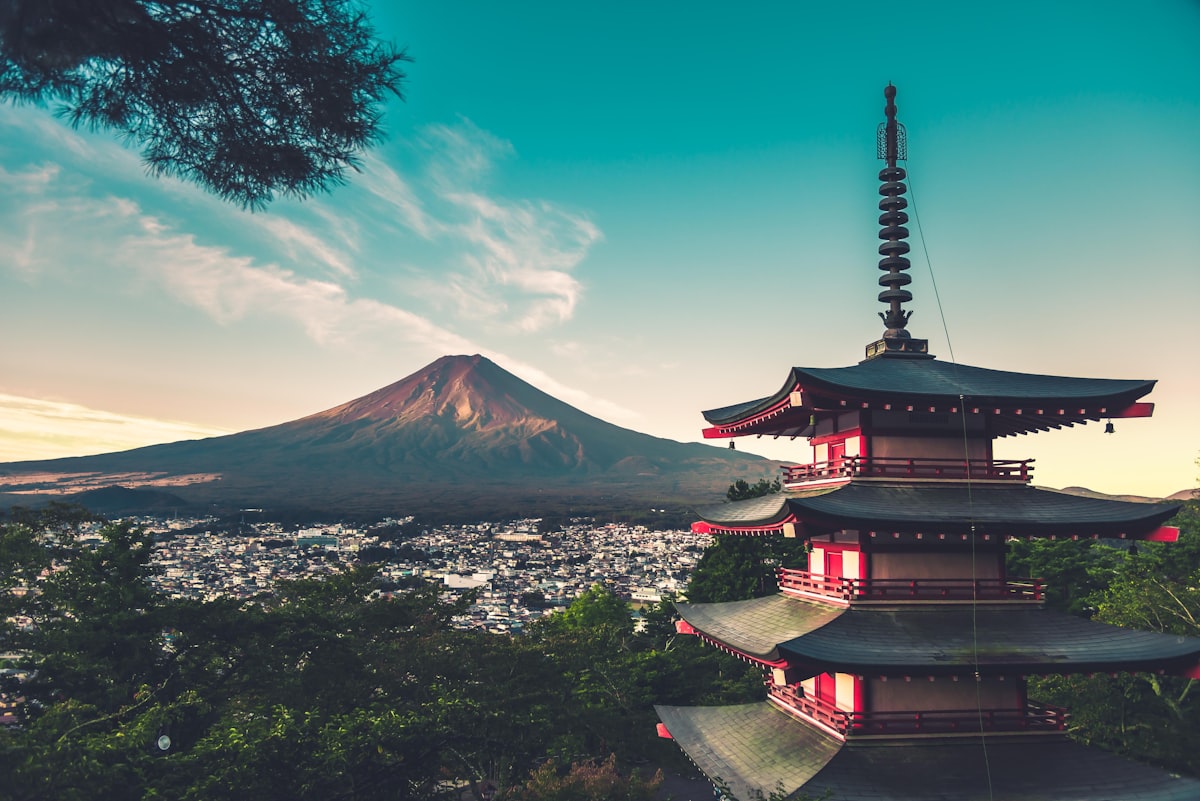
- ↑Mt Fuji visibility returns strongly from mid-November; the mountain above a red foliage canopy is the definitive Hakone photograph
- ↑Hakone Daimyo Gyoretsu (Nov 3): a recreated feudal lord procession through Yumoto with hundreds of participants in full Edo-period costume
Sacrifices
- ↓High crowds: the autumn foliage peak draws significant domestic tourism; Hakone Shrine and ropeway busy on weekends
- ↓Accommodation rates elevated throughout November — ryokan prices near cherry-blossom-season levels
- ↓Foliage window is 2–3 weeks and shifts year to year; early arrivals in November may find it still building
December#1▾
Gains
- ↑Excellent Mt Fuji clarity: December air is dry and clean, producing sharp sightlines from Lake Ashi and the ropeway
- ↑Lowest crowds of the post-autumn period: accommodation rates drop sharply after the foliage rush
- ↑Outdoor onsen (rotenburo) in cold crisp air with mountain views — the quintessential Hakone experience at its purest
Sacrifices
- ↓Cold: 2°C lows require proper layering for all outdoor activities including ropeway and lake walks
- ↓Christmas and New Year week (Dec 28–Jan 3) sees a brief price and crowd spike
- ↓Short daylight hours limit afternoon photography windows; the golden hour arrives before 4:30pm
How this is calculated
Climate data
Open Meteo ERA5
30-year normals (1991–2020). Temperature, rainfall, sunshine, humidity.
Price & crowd
Tourism research
Seasonal pricing from tourism authority data. Directional — compares months within a destination only.
Personalisation
Weighted scoring
Your priorities change the weights. Budget-first users get different results than weather-first users.
Share this result
December is the best time to visit Hakone
Travel timing updates
New destinations and timing guides, when they land.
No spam. Unsubscribe anytime.