Hakone
Gora & Owakudani
Jayant / Unsplash
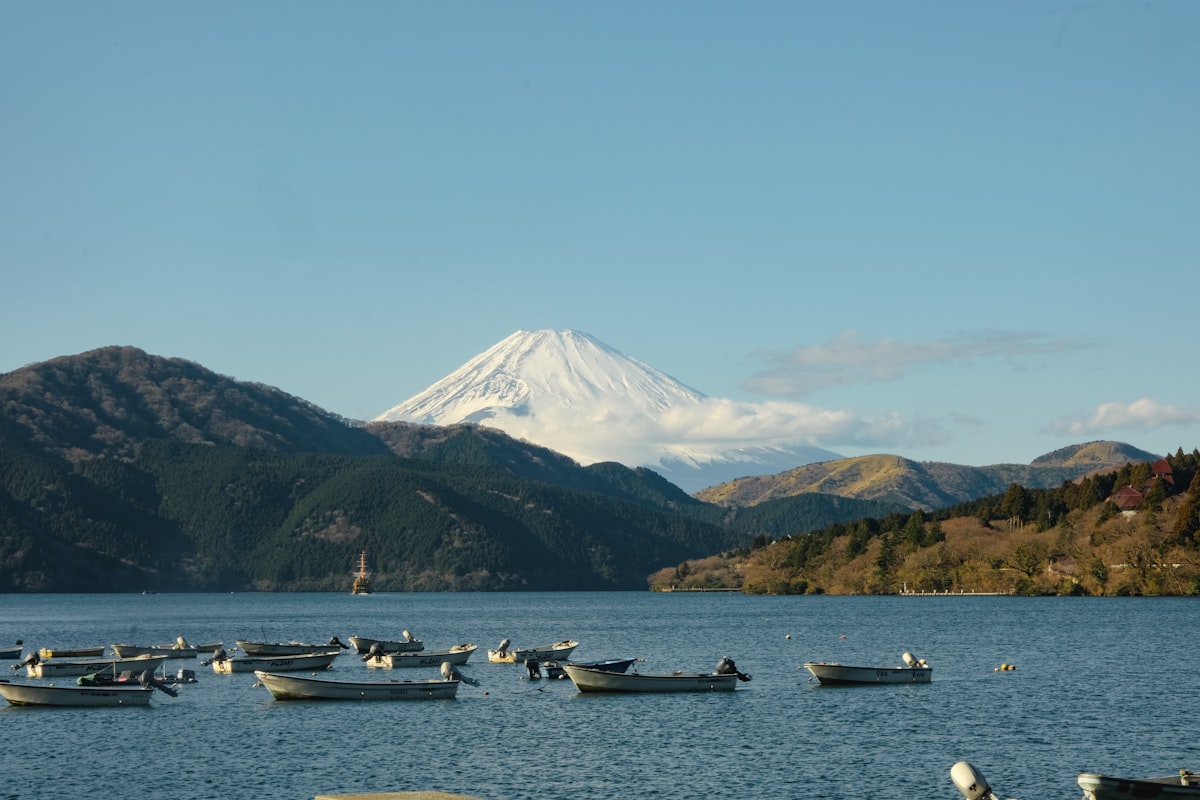
The upper plateau — the Open Air Museum, Gora Park, and the ropeway over Japan's most active volcanic valley.
Gora is the terminus of the Hakone Tozan Railway and the hub for the upper mountain area: the Hakone Open Air Museum sits just below the station with its extraordinary collection of sculptures and Picasso pavilion set against mountain scenery, while Gora Park occupies a formal garden above the town. From Gora, the Hakone Ropeway climbs over Owakudani — a still-active volcanic valley venting sulphurous steam — and down to Lake Ashi, making this the most dramatic transit journey in the region. The famous kuro-tamago black eggs, hard-boiled in the volcanic springs, are sold only here.
Scores
Walkability
Transit
Price
Local feel
Nightlife
Family-friendly
Centrality
What you gain
- ↑Hakone Open Air Museum: one of Japan's finest outdoor sculpture collections, including a full Picasso pavilion, set in landscaped grounds with mountain views
- ↑Owakudani ropeway: the most dramatic ride in Hakone — volcanic steam vents below, Mt Fuji visible on clear days from the summit station
- ↑Kuro-tamago black eggs at Owakudani: a genuinely unique local food experience tied directly to the volcanic geography
What you sacrifice
- ↓Ropeway closes in adverse weather and during volcanic activity alerts — always check before visiting
- ↓Less atmospheric for evening onsen; Gora is functional rather than traditionally charming
- ↓Limited independent restaurant options near Gora station; most visitors eat within their ryokan
Best for
Avoid if
Other Hakone neighbourhoods
The gateway to Hakone — a traditional onsen town where the Romancecar arrives and the hot spring streets begin.
Hakone's centrepiece — Mt Fuji reflections, the red torii of Hakone Shrine, and the pirate ship cruises.
The quieter north — pampas grass plateaus in autumn, outlet shopping at Gotemba, and secluded ryokan.
Know where to stay — now find when to go.
Best time to visit Hakone →