Hakone
Lake Ashi (Ashinoko)
Tianshu Liu / Unsplash
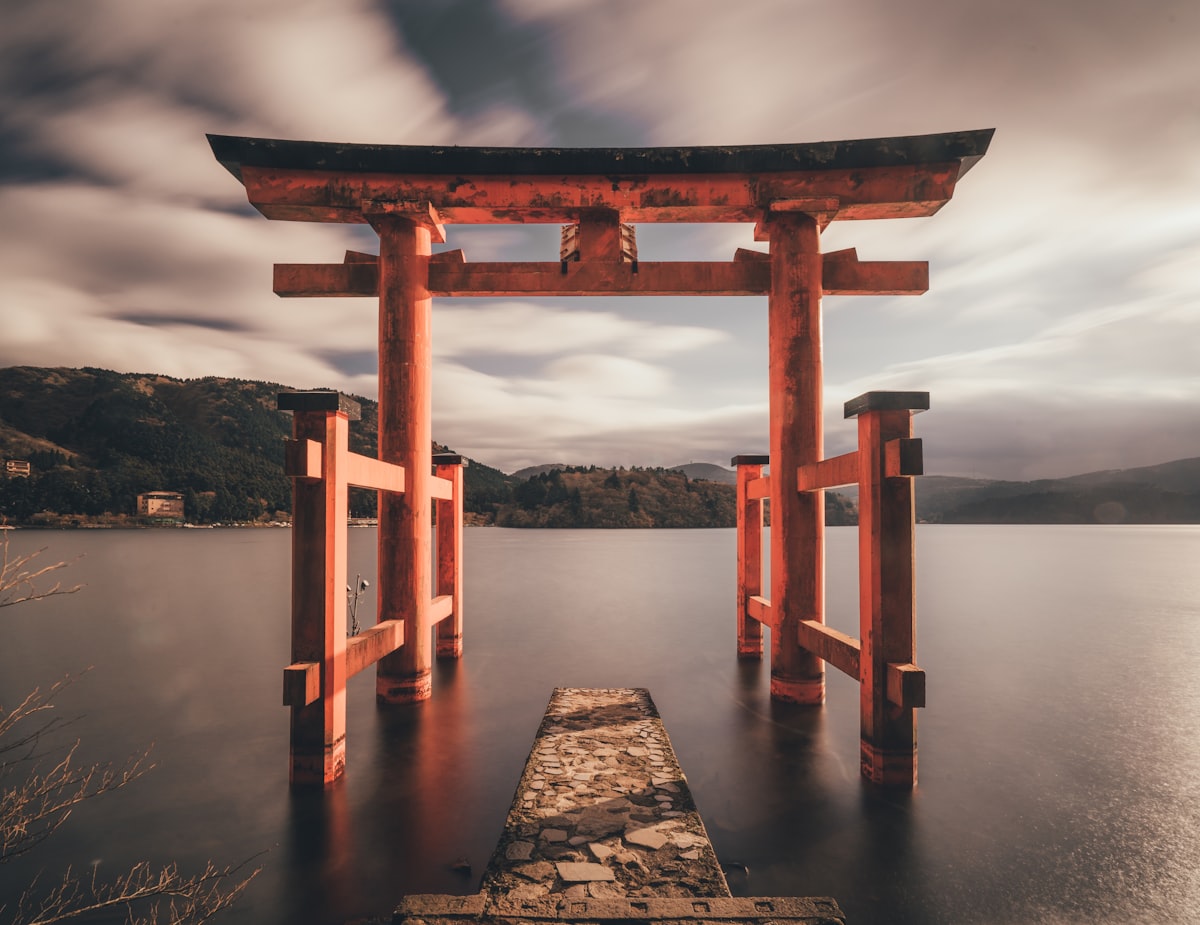
Hakone's centrepiece — Mt Fuji reflections, the red torii of Hakone Shrine, and the pirate ship cruises.
Lake Ashi is why people come to Hakone: a volcanic caldera lake with Mt Fuji rising above the southern shore on clear days, the red torii gate of Hakone Shrine standing in the shallows, and the Hakone pirate ship cruising between Togendai, Hakone-machi, and Moto-Hakone. The lakeside villages of Moto-Hakone and Hakone-machi offer a slower pace than the station areas above, with cedar-lined sections of the old Tokaido highway, lakeside cafés, and some of the best Fuji-reflection photography spots in the country. Staying here means waking to lake views from your ryokan window.
Scores
Walkability
Transit
Price
Local feel
Nightlife
Family-friendly
Centrality
What you gain
- ↑Hakone Shrine torii gate in the water: the most photographed spot in Hakone, best at dawn before tour groups arrive at 9am
- ↑Pirate ship cruise across the lake: the combination of Fuji views and volcanic ridgeline on a clear day is genuinely memorable
- ↑Old Tokaido cedar avenue at Moto-Hakone: a 500-year-old tree-lined road along the lakeshore, atmospheric in any season
What you sacrifice
- ↓Mt Fuji is only visible on clear days — which rules out large portions of the summer months and rainy season
- ↓Transit connections back to Gora and Yumoto by bus can be slow; the lake sits below the main Tozan railway network
- ↓Accommodation near the lake tends toward the higher end; budget options are limited in Moto-Hakone and Hakone-machi
Best for
Avoid if
Other Hakone neighbourhoods
The gateway to Hakone — a traditional onsen town where the Romancecar arrives and the hot spring streets begin.
The upper plateau — the Open Air Museum, Gora Park, and the ropeway over Japan's most active volcanic valley.
The quieter north — pampas grass plateaus in autumn, outlet shopping at Gotemba, and secluded ryokan.
Know where to stay — now find when to go.
Best time to visit Hakone →