Milan · Unsplash / Unsplash
Italy · Western Europe
Best time to visit Milan
May
May scores highest overall — reliable weather and strong local atmosphere. Set your priorities below to personalise this result.
What matters most to you?
All 12 months — click any to expand
May
Unsplash / Unsplash
Milan's ideal month: 22°C, Navigli terraces in full swing, post-Design-Week prices, and the city's style without its chaos.
21.9°C
High
13.4°C
Low
75mm
Rain
7.1h
Sun/day
What you gain
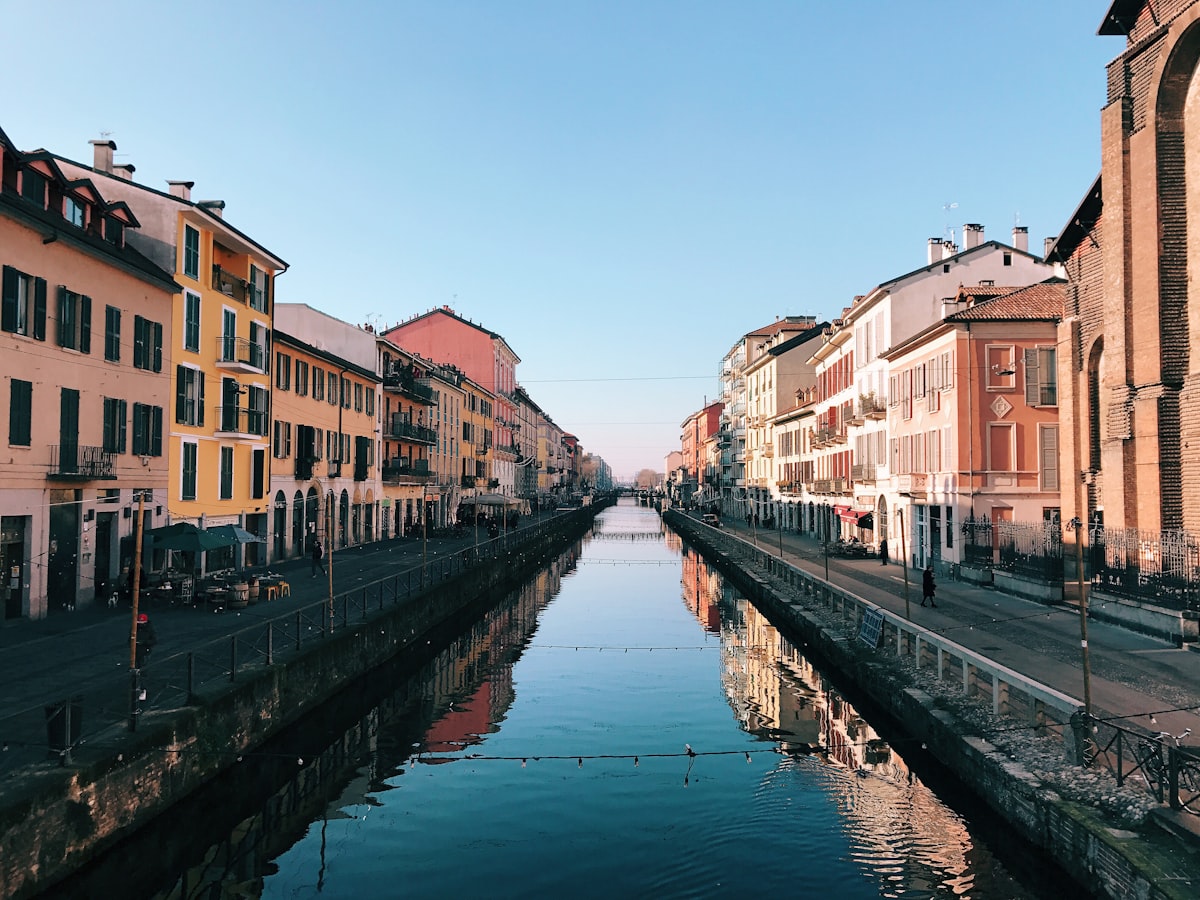
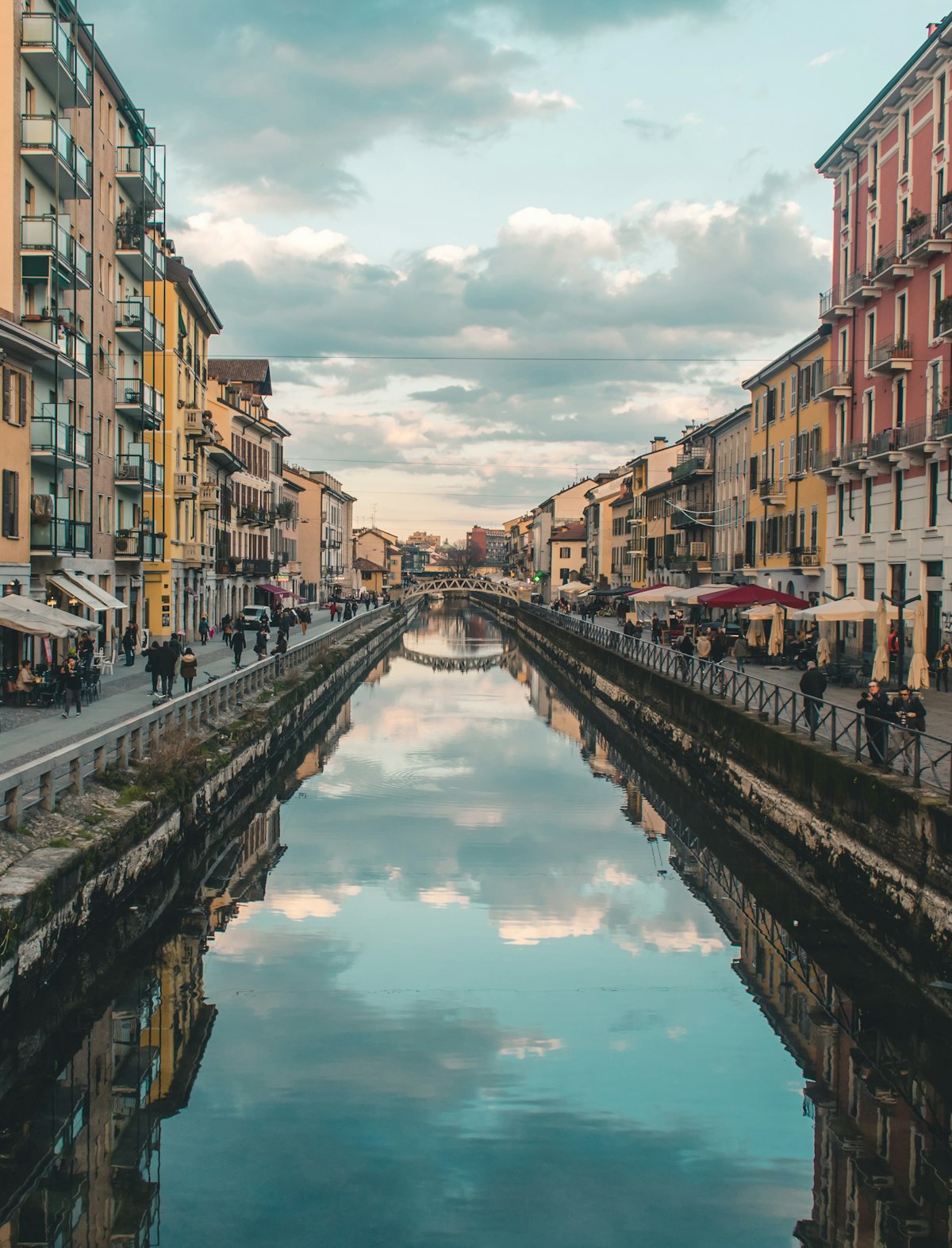
- ↑Navigli aperitivo culture at its peak: outdoor bars along Naviglio Grande and Naviglio Pavese operating from 18:00 to midnight with a local crowd that mixes professionals, designers, and neighbourhood residents
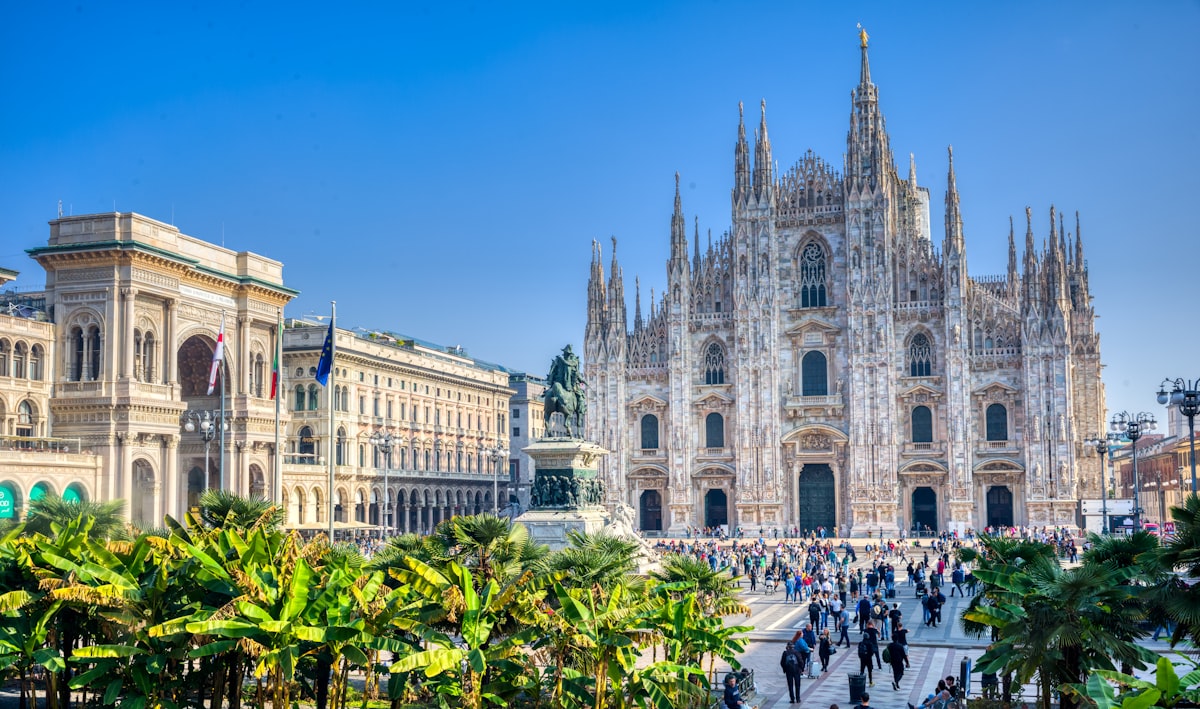
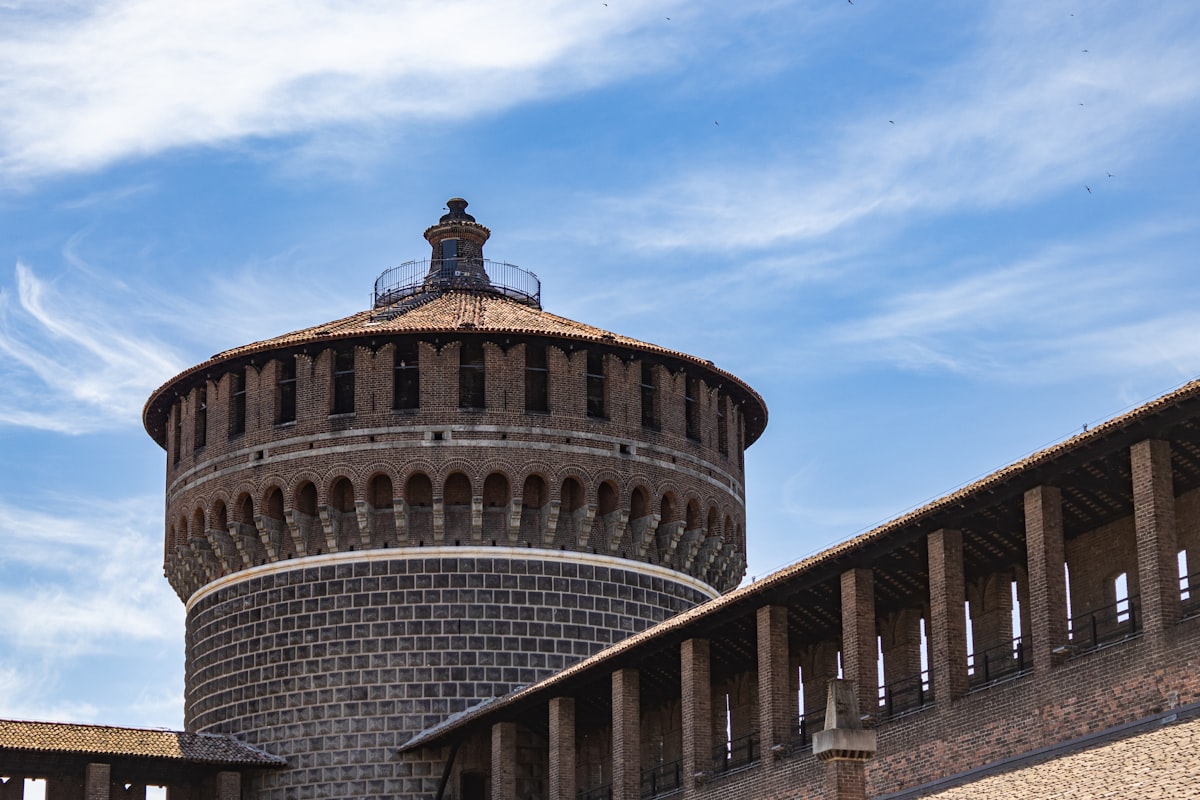
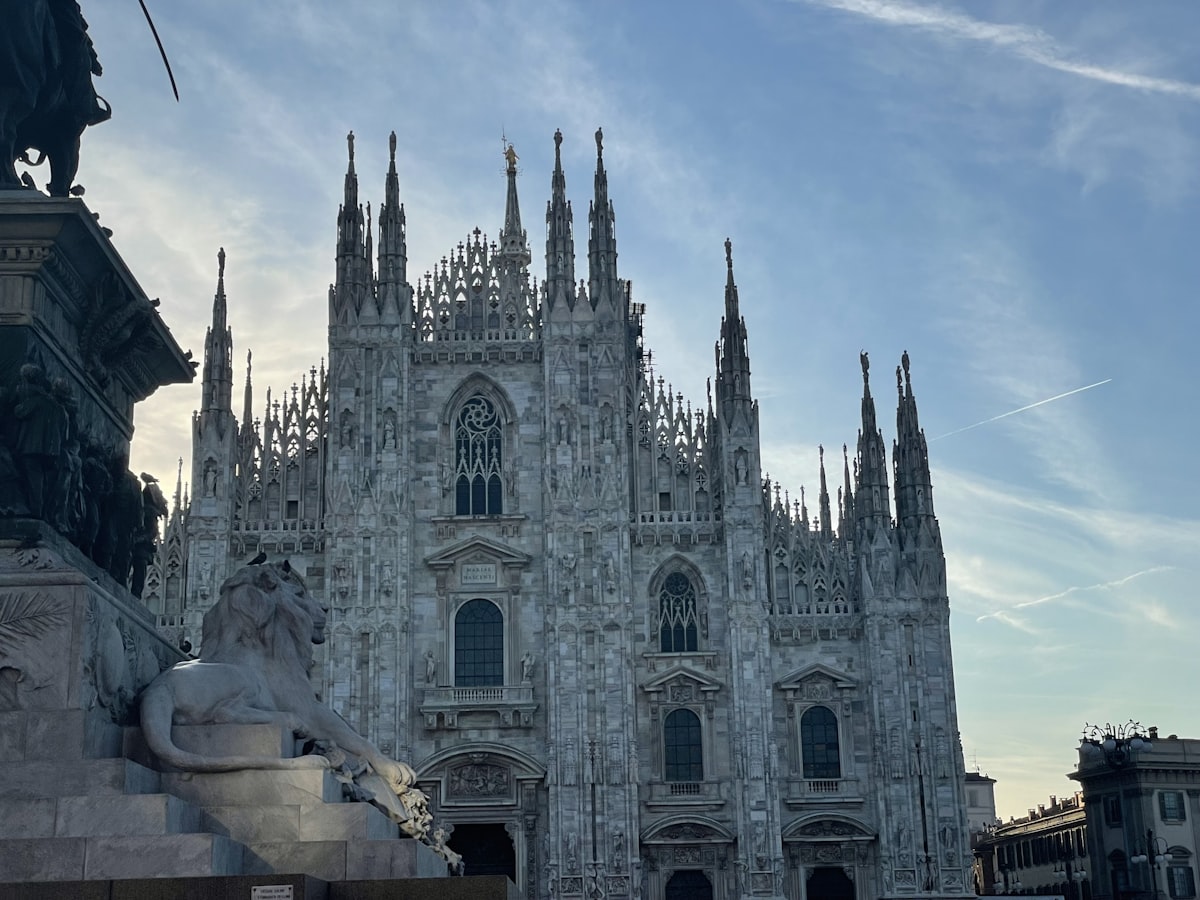
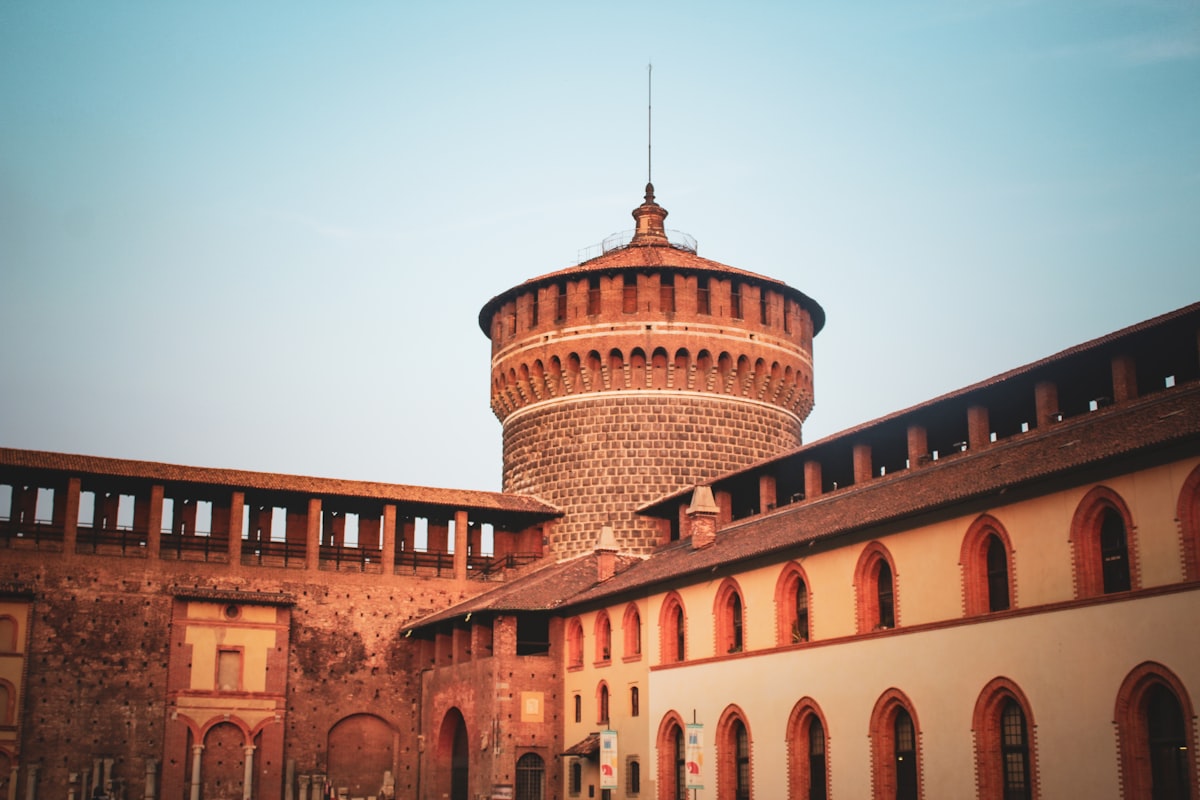
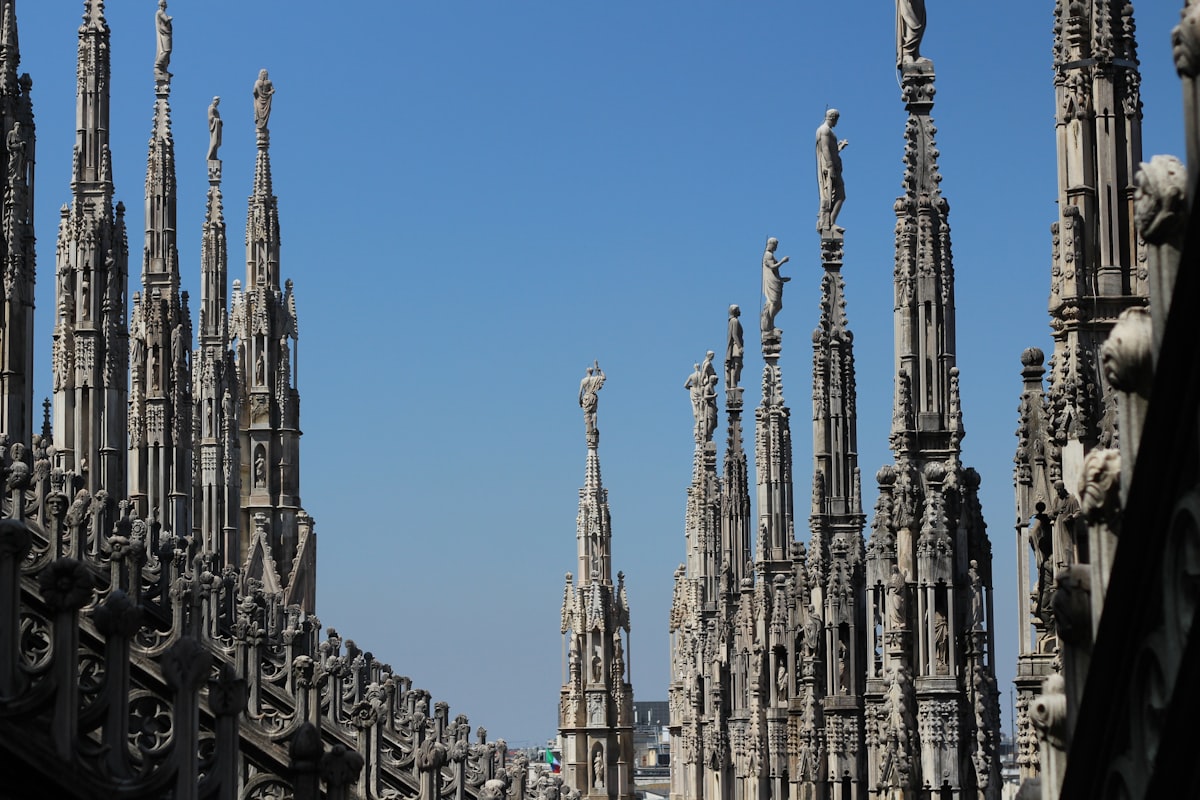
- ↑Parco Sempione and the Duomo rooftop terraces accessible with 15-minute waits rather than timed-ticket booking sessions; Branca Tower viewpoints at their clearest
- ↑Outdoor markets in full operation: Mercato di Wagner, Mercato dell'Isola, and the Brera Antiquarian Market on the third Sunday all providing quality produce and craft without summer tourist pricing
What you sacrifice
- ↓Rainfall remains significant (75mm): afternoon thunderstorms common through May, though they typically clear within an hour
- ↓Fashion industry events continue sporadically: hotel prices can spike without warning when showroom appointments cluster in a particular week
May scores highest overall — reliable weather and strong local atmosphere. Set your priorities below to personalise this result.
May
Milan's ideal month: 22°C, Navigli terraces in full swing, post-Design-Week prices, and the city's style without its chaos.
21.9°C
High
75mm
Rain
7.1h
Sun
- ↑Navigli aperitivo culture at its peak: outdoor bars along Naviglio Grande and Naviglio Pavese operating from 18:00 to midnight with a local crowd that mixes professionals, designers, and neighbourhood residents
- ↑Parco Sempione and the Duomo rooftop terraces accessible with 15-minute waits rather than timed-ticket booking sessions; Branca Tower viewpoints at their clearest
- ↑Outdoor markets in full operation: Mercato di Wagner, Mercato dell'Isola, and the Brera Antiquarian Market on the third Sunday all providing quality produce and craft without summer tourist pricing
- ↓Rainfall remains significant (75mm): afternoon thunderstorms common through May, though they typically clear within an hour
- ↓Fashion industry events continue sporadically: hotel prices can spike without warning when showroom appointments cluster in a particular week
Top travel windows
★ BestMay
Best overall
Highest combined score
21.9°C
High
75mm
Rain
7.1h
Sun
August
Best for value
Lowest prices & fees
28.5°C
High
72mm
Rain
8.2h
Sun
August
Fewest crowds
Quietest month
28.5°C
High
72mm
Rain
8.2h
Sun
Breakdown by priority
Best for weather
May
21.9°C high · 75mm rain · 7.1hrs sun/day
Best for budget
August
Hotel prices at their second-lowest of the year (only January is cheaper): 30–40% below September Fashion Week rates for the same properties
Fewest crowds
August
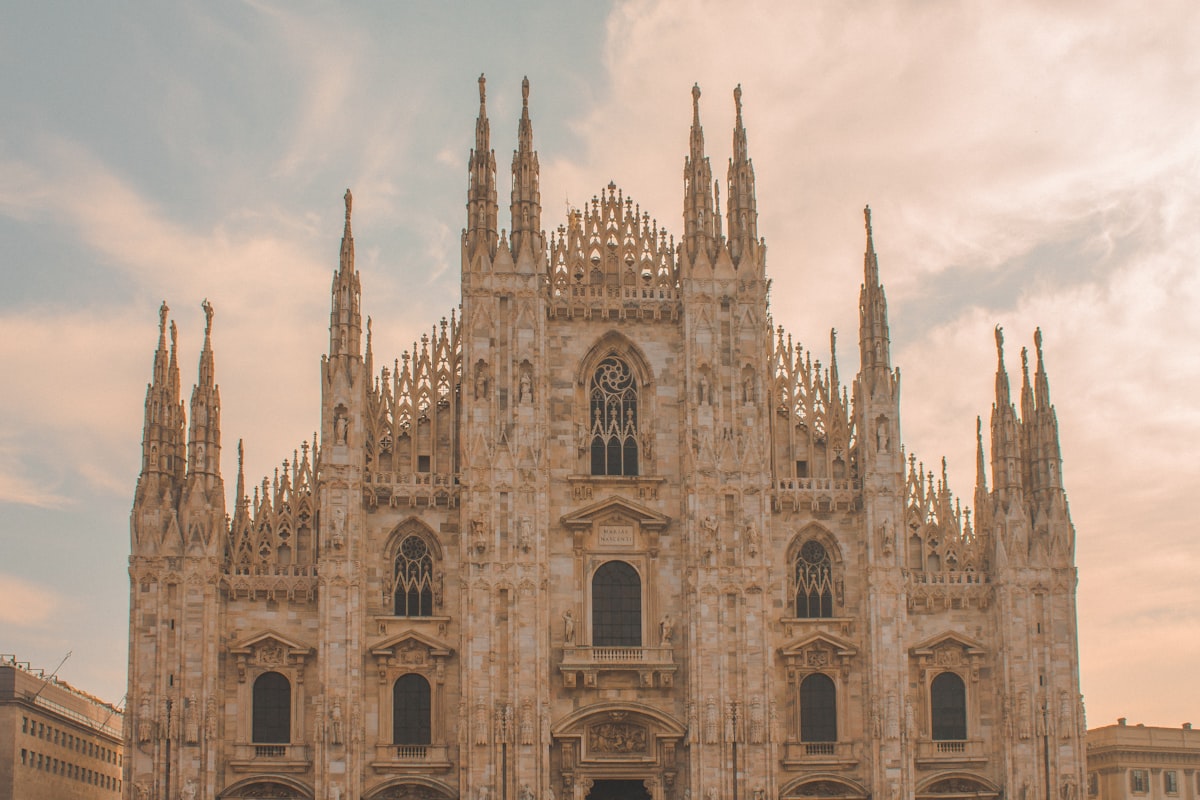
An authentic — if accidental — glimpse of Milan's architecture without its inhabitants: the historic centre legible and photogenic when the streets are quiet
Where to stay in Milan
All neighbourhoods →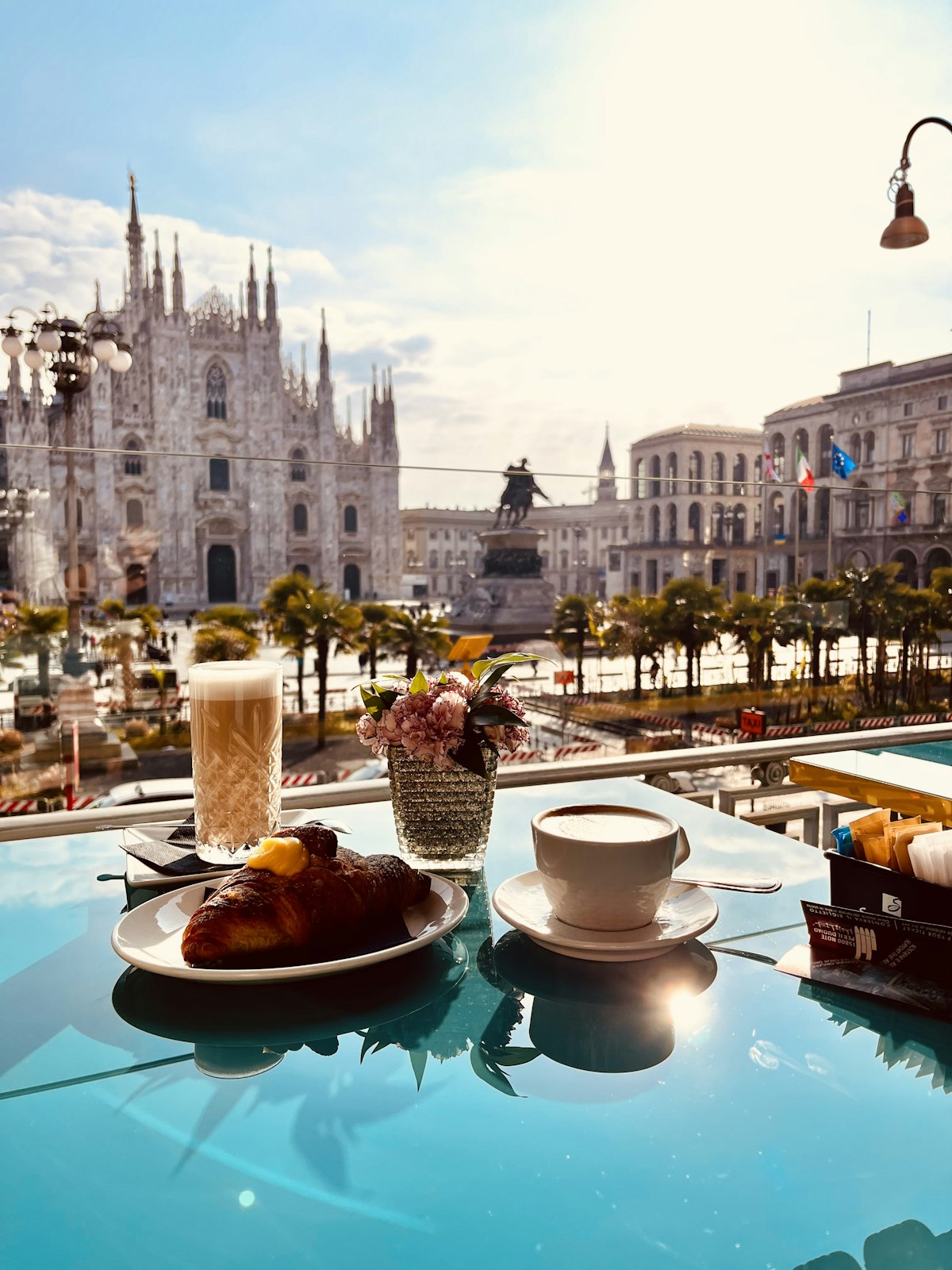
Duomo & Centro Storico
Milan's historic heart — the Duomo, Galleria Vittorio Emanuele II, La Scala, and the luxury Quadrilatero della Moda.
10/10
Central
10/10
Walk
10/10
Transit
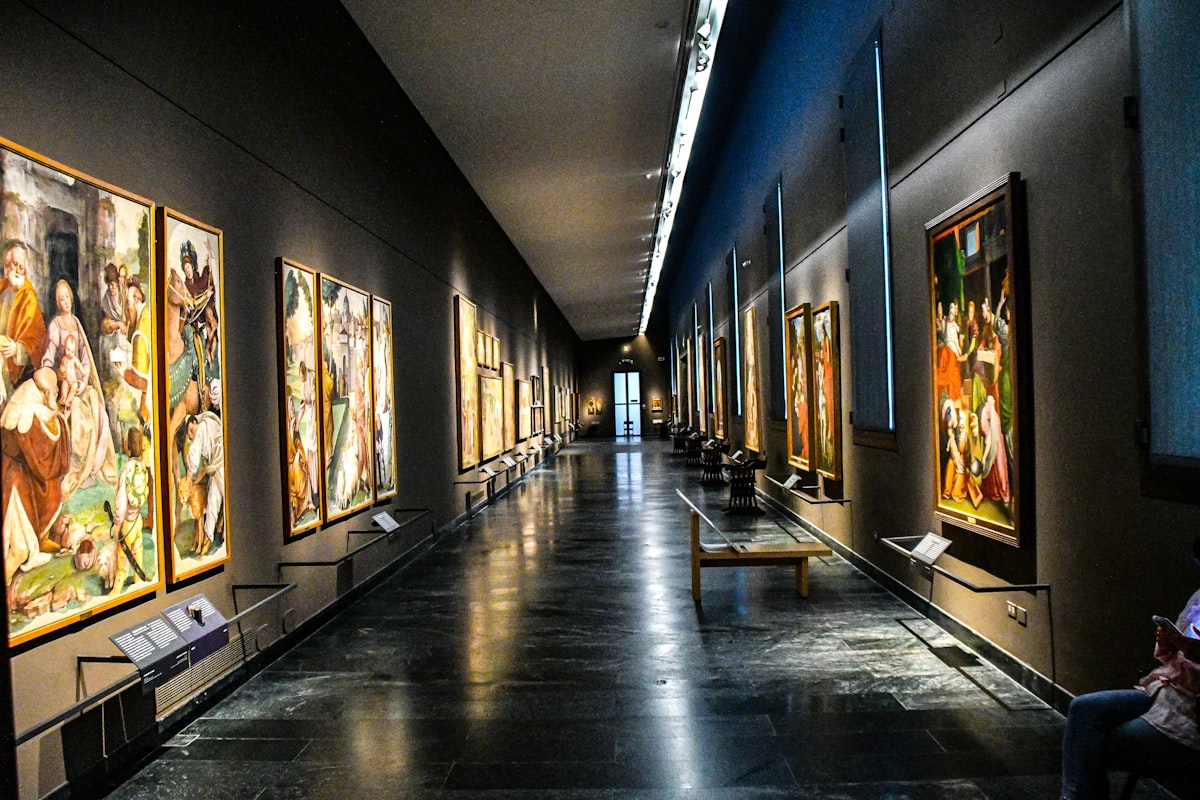
Brera
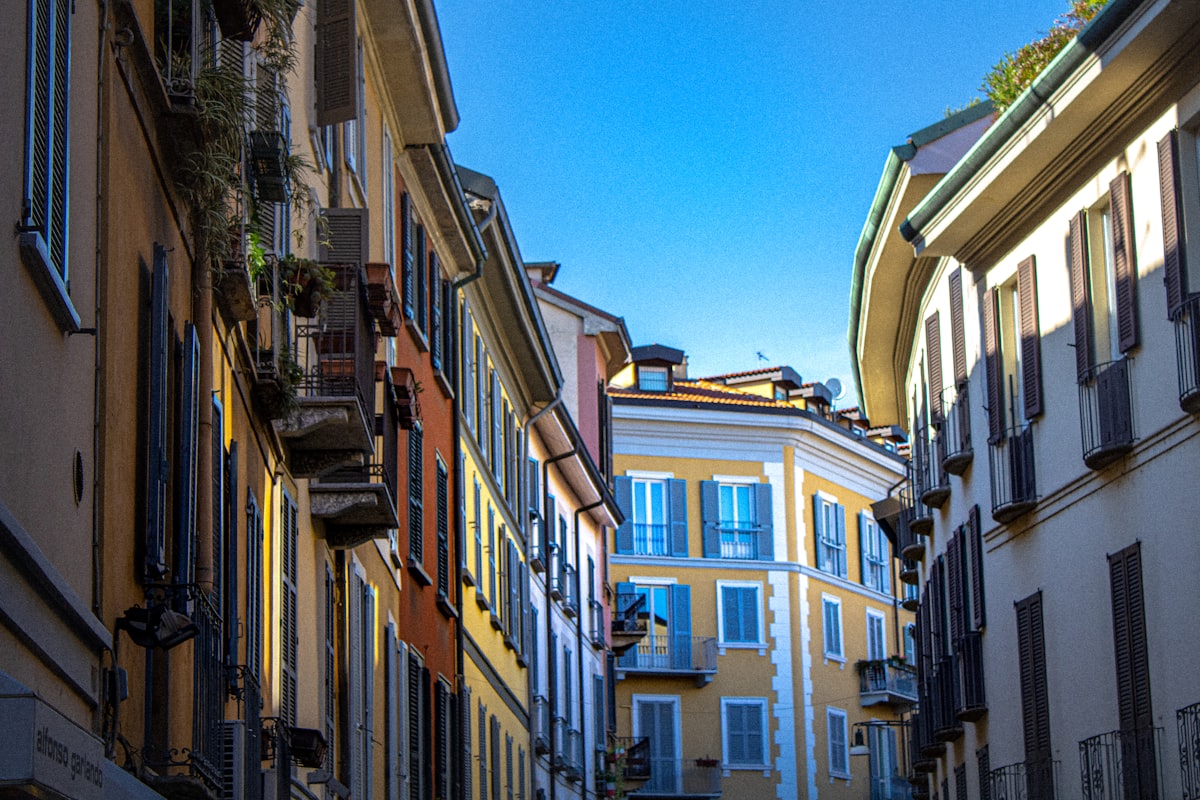
Milan's art district — the Pinacoteca, cobblestone streets, aperitivo bars, and the city's most photogenic neighbourhood.
8/10
Central
9/10
Walk
8/10
Transit
Also exploring
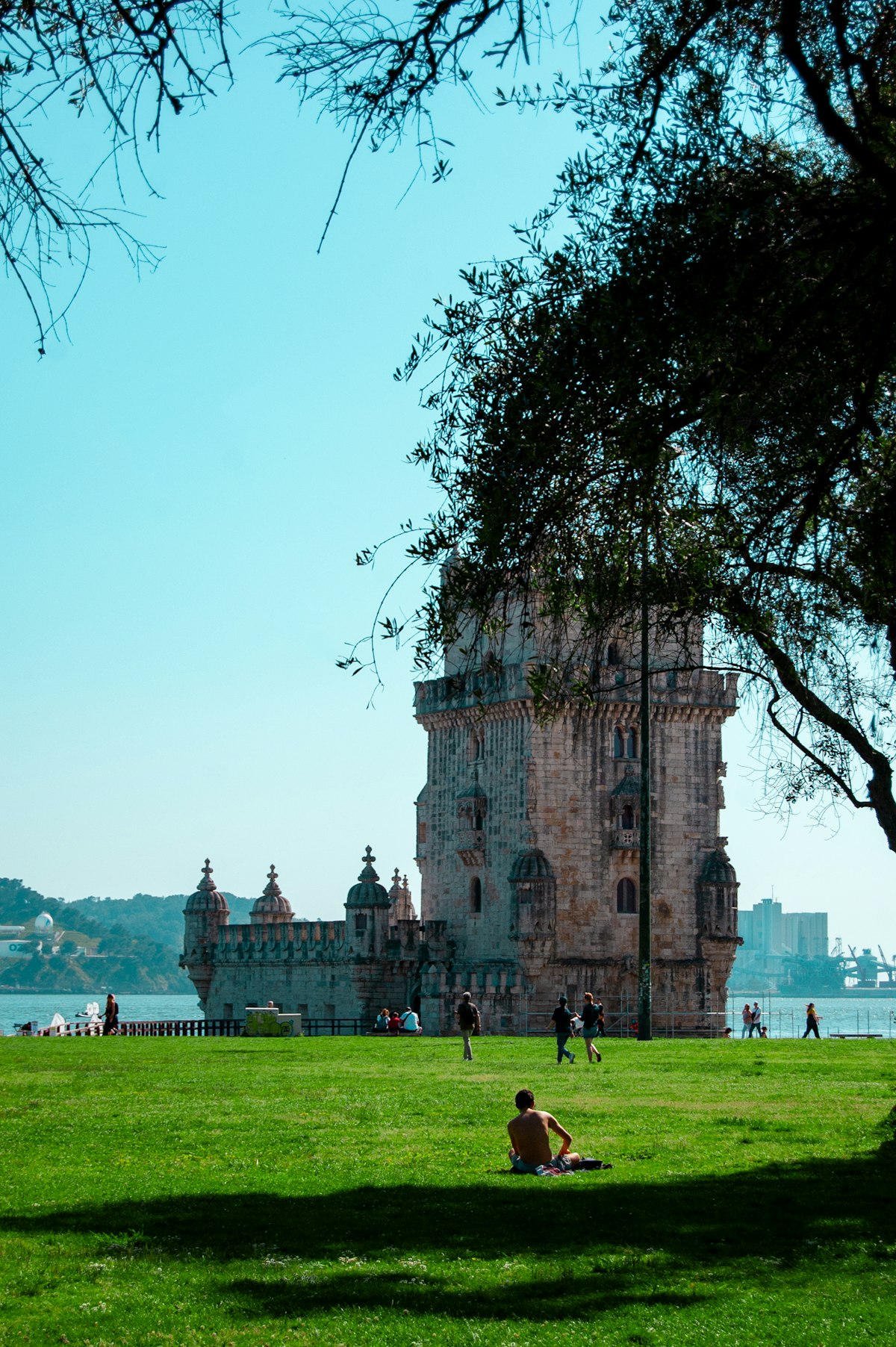
Lisbon
Portugal
A sun-drenched Atlantic capital where tram lines weave through hilltop neighbourhoods and prices stay genuinely affordable by Western European standards.
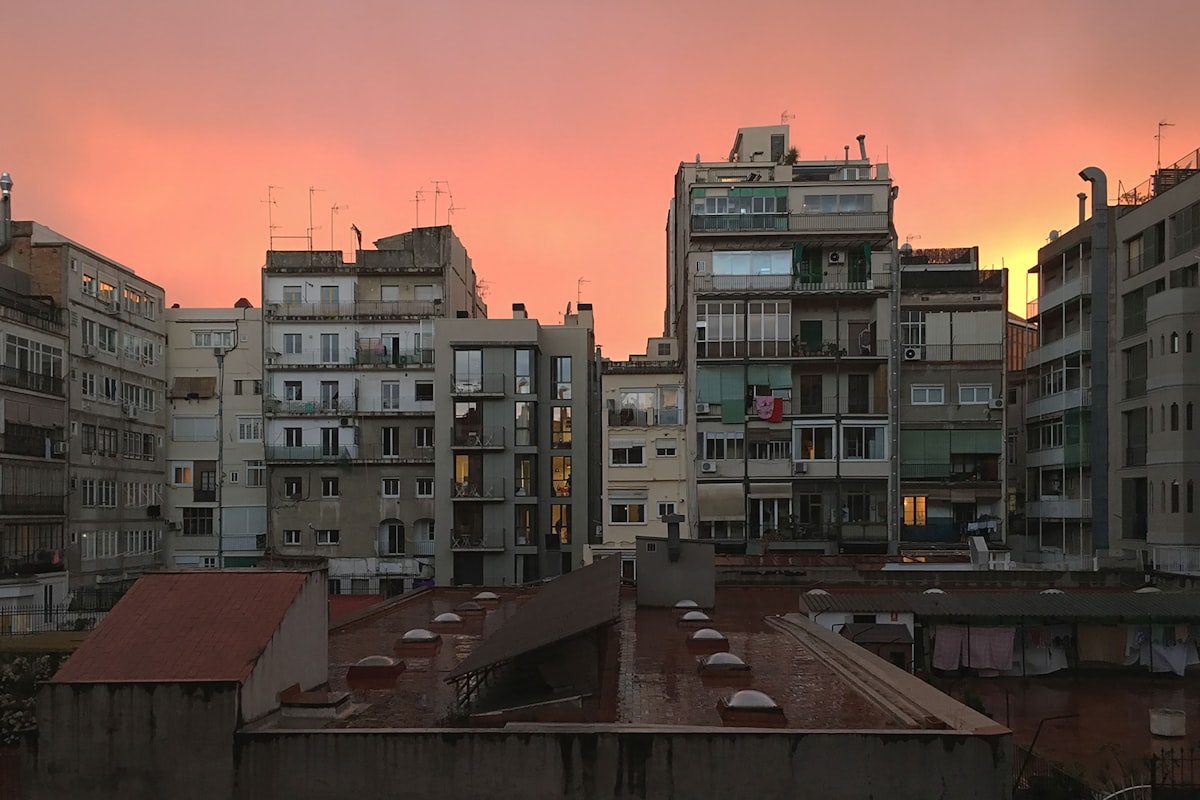
Barcelona
Spain
A Mediterranean city that runs on architecture, food markets, and beach culture — with a tourism problem that makes timing absolutely critical.
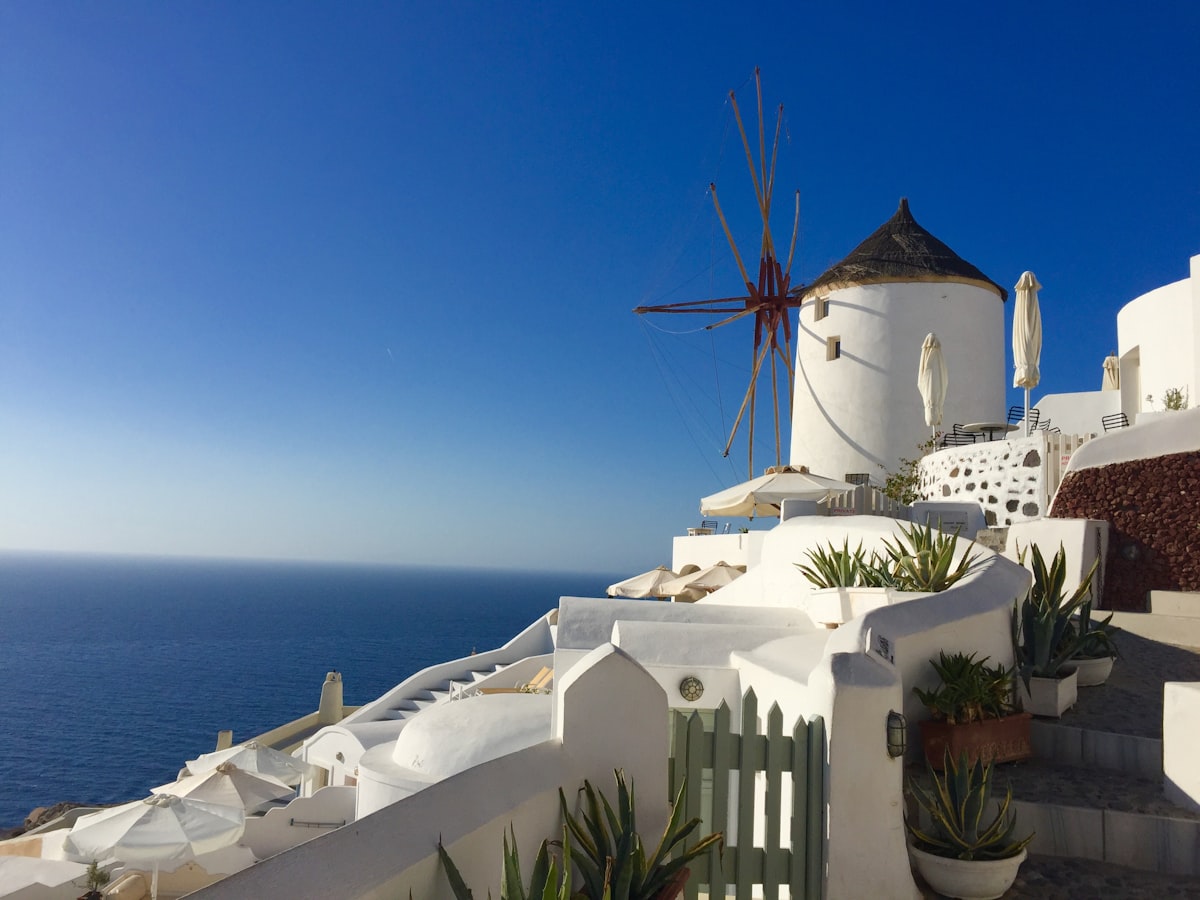
Santorini
Greece
The caldera sunsets and white-washed cliffside villages are real — but so is a tourism infrastructure that was never designed for 3 million annual visitors.
Worth knowing
May scores highest overall. September is the most crowded month — avoid if you can. See crowd-free ranking →
Month by month breakdown
January#12▾
Gains
- ↑La Scala opera season in full swing — January programming is strong and tickets are available without the summer scramble for prestige evenings
- ↑Pinacoteca di Brera and Pinacoteca Ambrosiana at near-empty attendance: the city's museum culture at its most accessible and unhurried
- ↑Hotel rates across Brera, Porta Romana, and the Quadrilatero della Moda at annual lows — the same rooms that cost €400 in September go for €90–130
Sacrifices
- ↓Classic Milanese nebbia (winter fog) keeps visibility under 200m for days at a stretch — the city's architecture muted under grey-white haze that doesn't lift before noon
- ↓Temperatures drop to -1°C overnight and rarely exceed 6°C by day; damp cold amplified by the Po Valley's humidity makes it penetrating rather than crisp
February#7▾
Gains
- ↑Carnevale Ambrosiano (unique to Milan — runs until the Saturday after Ash Wednesday, four days longer than Venice): the historic parade of decorated floats along Corso Buenos Aires on the last Saturday draws 100,000 spectators
- ↑Days noticeably longer than January: some genuinely clear February days as the fog season begins to lift, with the Duomo visible in afternoon sun
- ↑La Scala mid-season with full programming: recitals and concerts accessible at standard price, the haute season months away
Sacrifices
- ↓Still cold (1.5°C overnight) with fog persistent across the Po Valley through most of the month
- ↓Carnevale has a fraction of Venice's tourist draw — expect costume parades and confetti rather than canal-side spectacle
March#6▾
Gains
- ↑Navigli canalside bars open outdoor seating by mid-March — aperitivo along the Naviglio Grande with a Campari spritz for €7, the same experience that costs more and feels more crowded after April
- ↑Castello Sforzesco gardens beginning to show color; Parco Sempione walkable without summer crowd — the 95-acre park at its most spacious
- ↑Design showrooms quietly beginning preview season: the city's creative infrastructure active and accessible without the chaos of the fair itself
Sacrifices
- ↓Heavy spring rainfall (65mm): plan indoor alternatives for wet afternoons, as the Navigli district floods its lowest-lying streets during storms
- ↓Hotels start climbing toward April Design Week rates from mid-March; booking even a week ahead becomes advisable for central properties
April#5▾
Gains
- ↑Salone del Mobile (mid-April, Rho Fiera): 300,000 visitors, 2,400 exhibitors, and the world's most important gathering of furniture and design — more significant commercially than Paris or London design weeks combined
- ↑FuoriSalone (Design Week's off-site program): 900+ events across Brera, Tortona, Porta Venezia, and 18 other districts, most free — the entire city becomes a design exhibition
- ↑Milan in April dresses to a standard that doesn't exist elsewhere in Europe: the street-style culture during Design Week is a spectacle in its own right, entirely separate from the fair
Sacrifices
- ↓Hotel rates triple or quadruple during Design Week: €300 rooms become €900. Book 6 months ahead or accept accommodation 30 minutes by metro from the centre
- ↓Taxi and rideshare waits extend to 30–45 minutes during peak Design Week hours; Rho Fiera requires a 20-minute Metro journey from the Duomo
- ↓300,000 extra visitors temporarily overwhelm even the Navigli district — the local character returns only in the final week of April
May#1▾
Gains
- ↑Navigli aperitivo culture at its peak: outdoor bars along Naviglio Grande and Naviglio Pavese operating from 18:00 to midnight with a local crowd that mixes professionals, designers, and neighbourhood residents
- ↑Parco Sempione and the Duomo rooftop terraces accessible with 15-minute waits rather than timed-ticket booking sessions; Branca Tower viewpoints at their clearest
- ↑Outdoor markets in full operation: Mercato di Wagner, Mercato dell'Isola, and the Brera Antiquarian Market on the third Sunday all providing quality produce and craft without summer tourist pricing
Sacrifices
- ↓Rainfall remains significant (75mm): afternoon thunderstorms common through May, though they typically clear within an hour
- ↓Fashion industry events continue sporadically: hotel prices can spike without warning when showroom appointments cluster in a particular week
June#2▾
Gains
- ↑Milan Fashion Week Men's (mid-June): smaller than September's women's edition but more accessible to non-industry visitors — street-style culture around Brera and Porta Venezia at an annual high without Fashion Week's hotel crisis
- ↑Outdoor cinema at Arianteo venues (Castello Sforzesco grounds and Villa Clerici from June): Italian films in open air for €10 — the most civilised summer evening in Milan
- ↑26°C days and 17°C evenings: aperitivo stretches to 23:00 in the Navigli and Porta Ticinese, one of Europe's most satisfying urban summer routines
Sacrifices
- ↓Humidity building toward July levels — evenings comfortable but midday outdoor sightseeing reaches sticky conditions by the third week
- ↓Fashion Week week (mid-June) causes accommodation price spikes in Brera and central Porta Venezia; book 2 months ahead for that specific week
July#8▾
Gains
- ↑Pinacoteca di Brera, Pinacoteca Ambrosiana, and the Duomo Museum with walk-in entry and room to breathe — the same rooms that require timed tickets from April to June
- ↑Lake Como (1 hour by train) and Lake Maggiore (1 hour) at summer peak: warm enough to swim, cooler than Milan by 5°C, the city's heat providing a compelling reason to leave
- ↑Hotel rates dip from June levels as Italian business travel pauses; some properties offer July discounts to fill occupancy after June conference season
Sacrifices
- ↓29°C with high humidity makes midday outdoor exploration genuinely uncomfortable — the Duomo rooftop at noon inadvisable without sun protection and consistent hydration
- ↓Restaurant quality and variety declines slightly as some popular neighbourhood spots close for the summer vacation period through July
August#9▾
Gains
- ↑The Duomo rooftop and Santa Maria delle Grazie (Last Supper) bookable with 24–48 hours' notice instead of weeks in advance — the single biggest booking advantage of visiting in August
- ↑Hotel prices at their second-lowest of the year (only January is cheaper): 30–40% below September Fashion Week rates for the same properties
- ↑An authentic — if accidental — glimpse of Milan's architecture without its inhabitants: the historic centre legible and photogenic when the streets are quiet
Sacrifices
- ↓30–40% of Milan's independent restaurants and neighbourhood bars close for the August break; walking into a shuttered Navigli on August 15th (Ferragosto) is jarring
- ↓The city at its hottest and most humid (28°C with limited breeze) with peak thunderstorm frequency: August storms arrive suddenly and can be intense
- ↓The Milan that makes Milan interesting — its residents, creative workers, and fashion professionals — is largely absent until September
September#3▾
Gains
- ↑Milan Fashion Week (mid-September, Women's RTW): Gucci, Prada, Dolce & Gabbana, Versace, and 40+ other brands show over five days — street style around Via della Spiga and Brera reaches a level of intensity not found in any other city during any other week of the year
- ↑Post-Fashion-Week September — the last 10 days — delivers Milan at its annual peak: 23°C days, locals back from summer, restaurants fully reopened, without October's rain or April's chaos
- ↑Outdoor season fully operative: Navigli, Parco Sempione, and Castello Sforzesco gardens at ideal temperature for evening aperitivo
Sacrifices
- ↓Fashion Week week: hotels book out 4–6 months ahead; the few remaining rooms price at €500–1,200/night for standard properties in Brera and Porta Nuova
- ↓The 48 hours during which major shows run sees the Quadrilatero della Moda effectively closed to general pedestrian access by photographers and brand security teams
- ↓Even Airbnbs spike 200–300% during Fashion Week — budget visitors must accept accommodation 3+ Metro stations from the city centre
October#4▾
Gains
- ↑Post-Fashion-Week Milan fully local: the Navigli district, Porta Romana restaurants, and Brera galleries return to a residential crowd without the industry invasion
- ↑White truffle season arriving from Alba (1.5 hours by train): the city's Michelin-starred restaurants all accessible without reservation drama that existed in September
- ↑EICMA Motorcycle Show (early November, but preparations visible in October): 1.5 million visitors annually for the world's largest motorcycle event at Rho Fiera — a genuine cultural event for enthusiasts
Sacrifices
- ↓Heaviest rainfall month of the year (85mm): persistent grey spells and occasional flooding in the Navigli district, historically prone to canal overflow during heavy rain
- ↓Daylight shortening rapidly: darkness by 19:00 by month-end, which compresses outdoor aperitivo culture
November#11▾
Gains
- ↑EICMA Motorcycle Show (mid-November at Rho Fiera): 500,000+ specialist visitors with a different crowd profile from Design and Fashion Weeks — worth attending for enthusiasts
- ↑Central hotel rates at annual lows outside August: properties in Brera and Porta Romana at 35–50% below September Fashion Week prices
- ↑La Scala announces its 7 December opening night program — the city's cultural calendar clarifies for December's season-opening prestige
Sacrifices
- ↓98mm of rainfall — the wettest month — with heavy fog returning to the Po Valley: Milan's architecture disappears behind grey-white haze and doesn't fully emerge until March
- ↓Only 2.9 hours of daily sunshine; daylight ends at 16:30 by month-end with consistently overcast conditions throughout
December#10▾
Gains
- ↑La Scala opening night (7 December, Feast of Sant'Ambrogio — Milan's patron saint): the most prestigious evening in Italian opera, with the city's social elite in attendance at the world's most famous opera house; upper-gallery tickets available
- ↑Via Montenapoleone Christmas decoration: the luxury quarter's holiday windows are the most sophisticated retail display in Europe, the street quieter before Christmas than in November but decorated to its full winter spectacle
- ↑Galleria Vittorio Emanuele II illuminated at night and Piazza del Duomo with seasonal installations — the city's two most photogenic locations at their most dramatic
Sacrifices
- ↓Cold (0.5°C overnight) with persistent fog and very short days (sunset at 16:20 on the solstice) — not for visitors who need outdoor warmth or extended daylight
- ↓The week of 7 December and pre-Christmas shopping season cause accommodation price spikes in the Quadrilatero district
How this is calculated
Climate data
Open Meteo ERA5
30-year normals (1991–2020). Temperature, rainfall, sunshine, humidity.
Price & crowd
Tourism research
Seasonal pricing from tourism authority data. Directional — compares months within a destination only.
Personalisation
Weighted scoring
Your priorities change the weights. Budget-first users get different results than weather-first users.
Share this result
May is the best time to visit Milan
Travel timing updates
New destinations and timing guides, when they land.
No spam. Unsubscribe anytime.