Showing: Oct · Unsplash / Unsplash
South Korea · East Asia
Best time to visit Busan
October
Oct scores highest overall — reliable weather and strong local atmosphere. Set your priorities below to personalise this result.
What matters most to you?
All 12 months — click any to expand
Oct
Unsplash / Unsplash
The best month in Busan: BIFF, Fireworks Festival, perfect autumn weather, and meaningfully reduced crowds.
20°C
High
14°C
Low
55mm
Rain
8h
Sun/day
What you gain
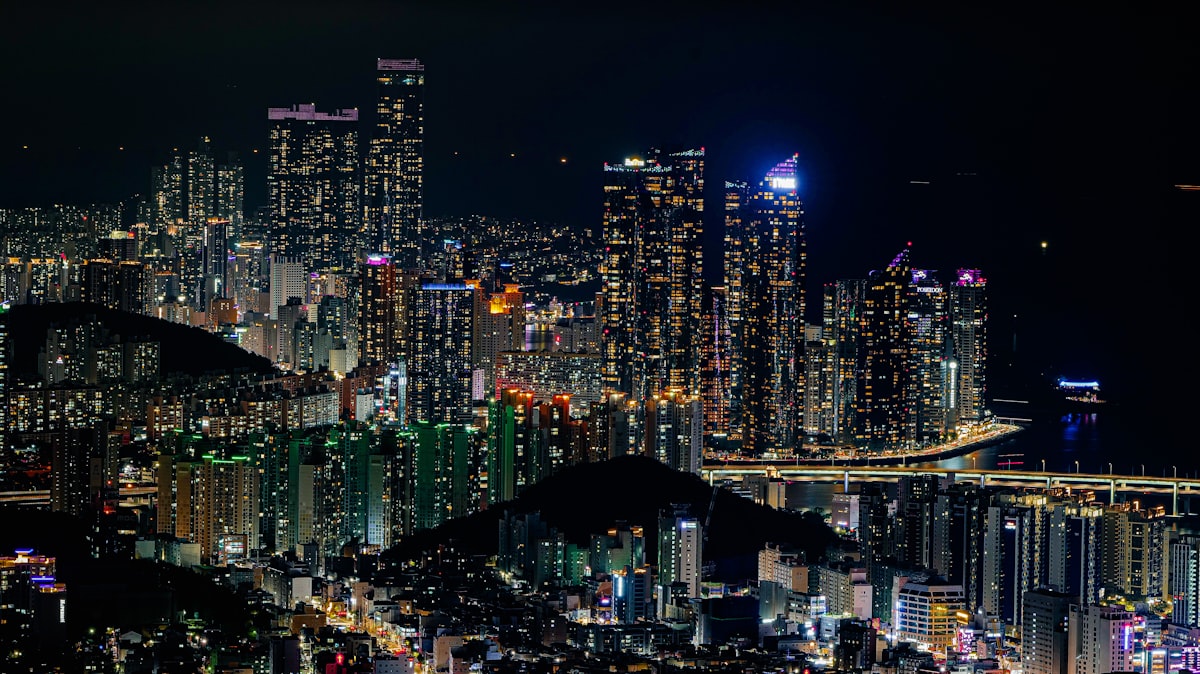
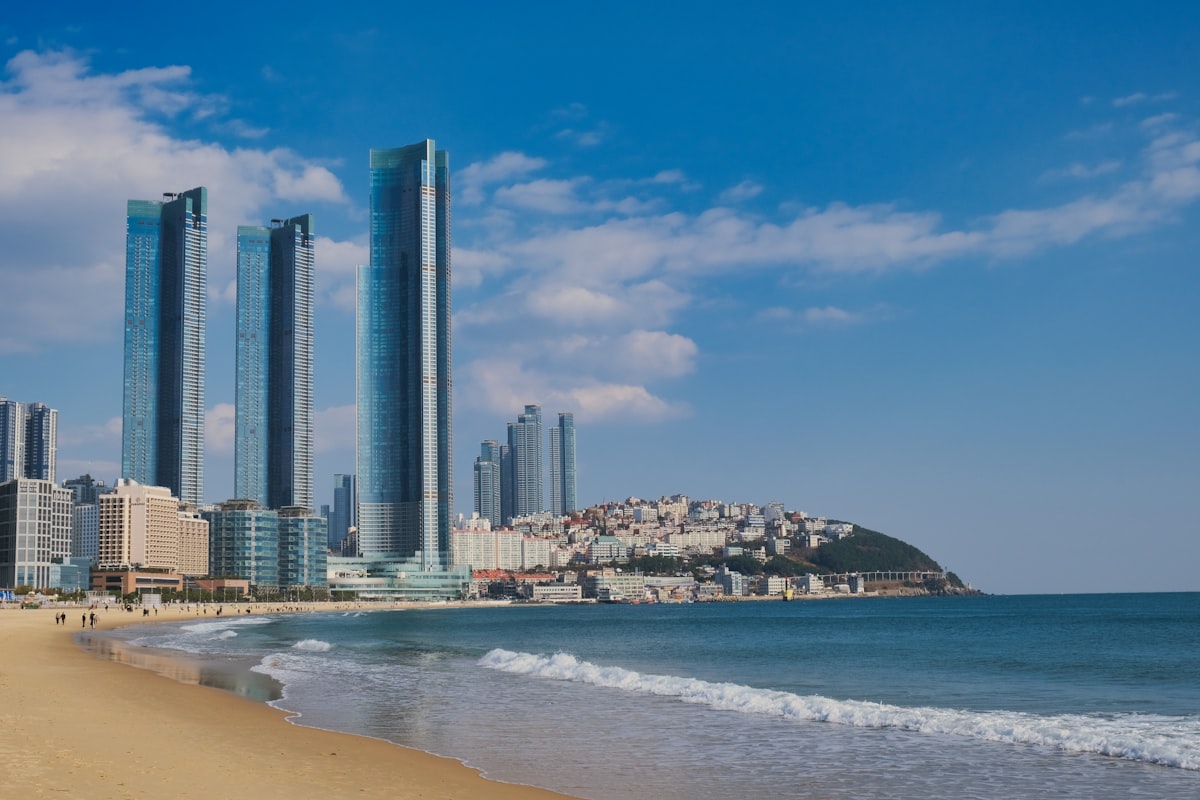
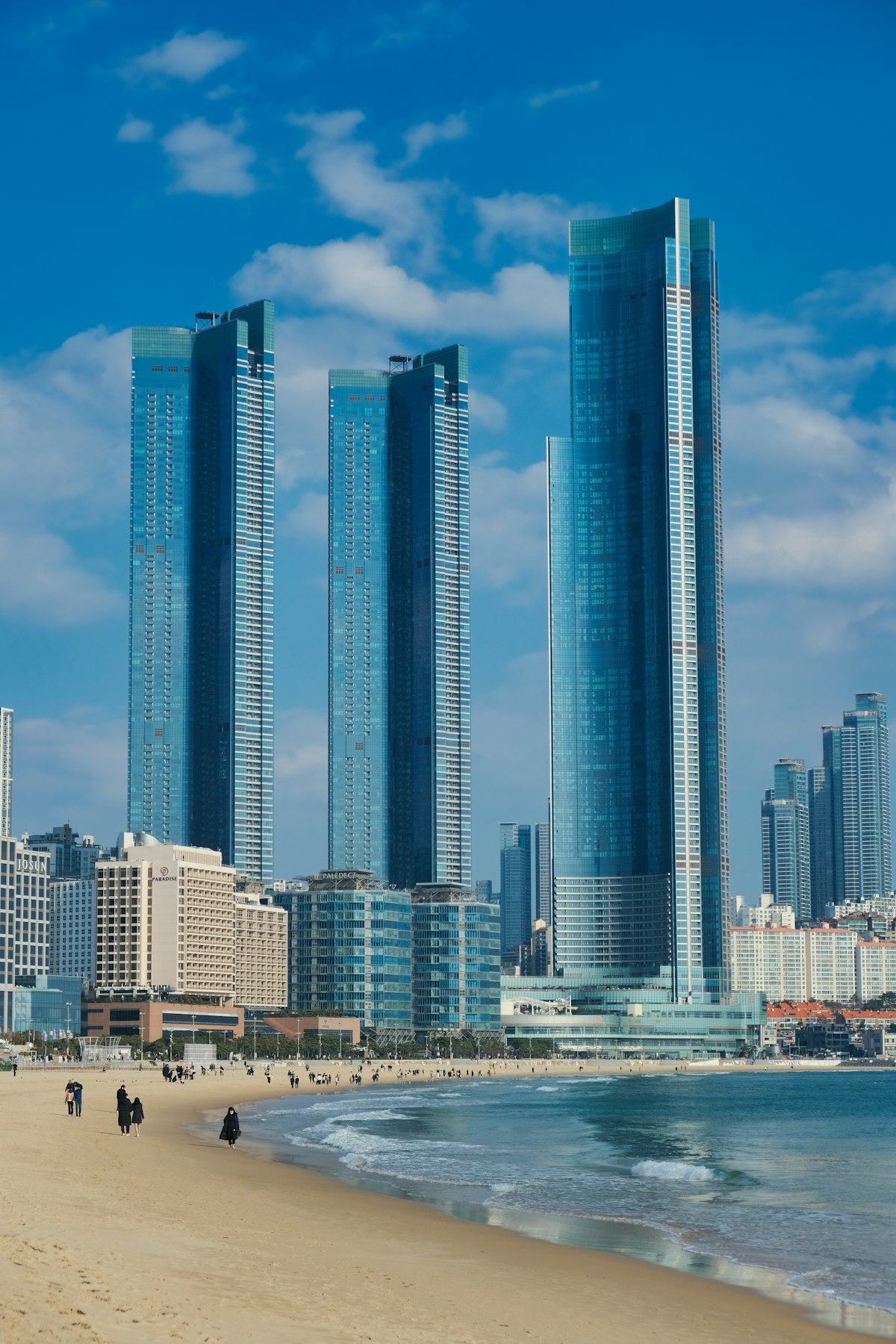
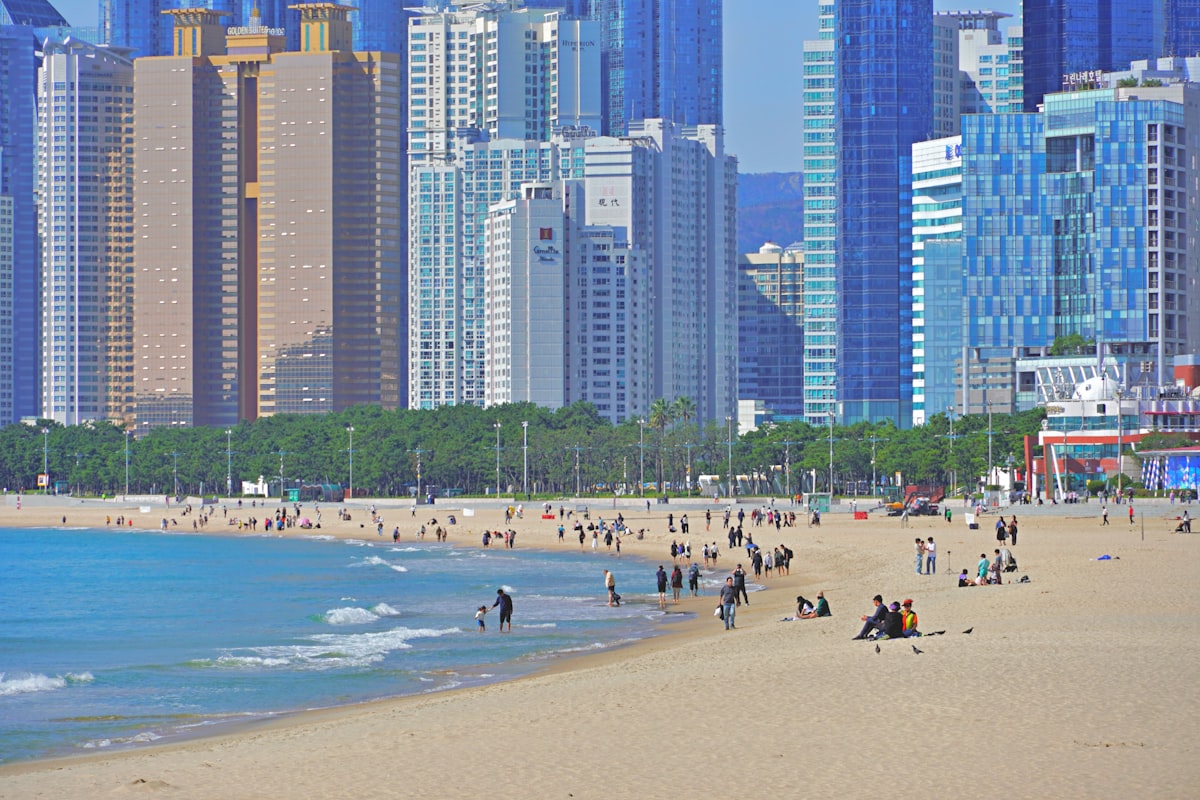
- ↑Busan International Film Festival (BIFF): Asia's premier film event fills the city with Korean and international cinema across outdoor and indoor venues — a unique cultural energy that transforms Haeundae
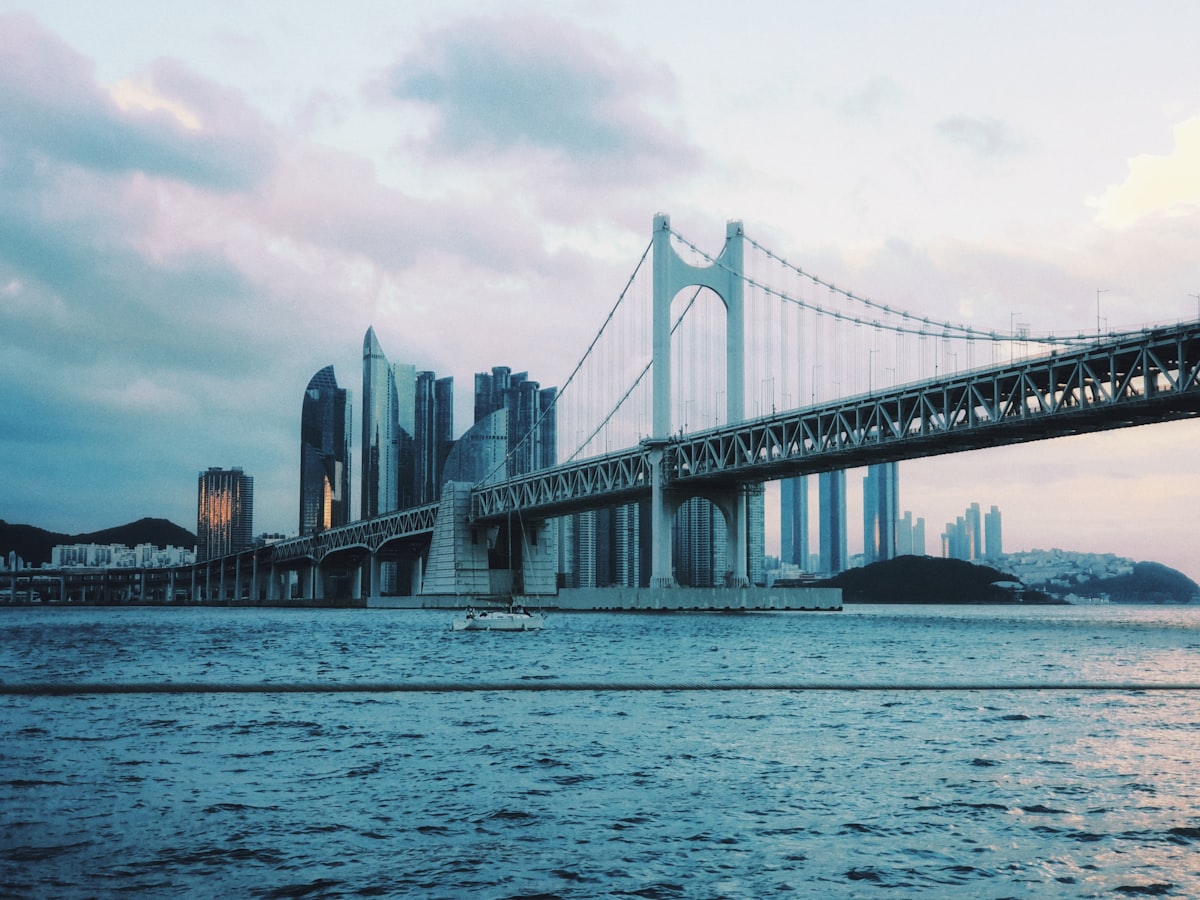
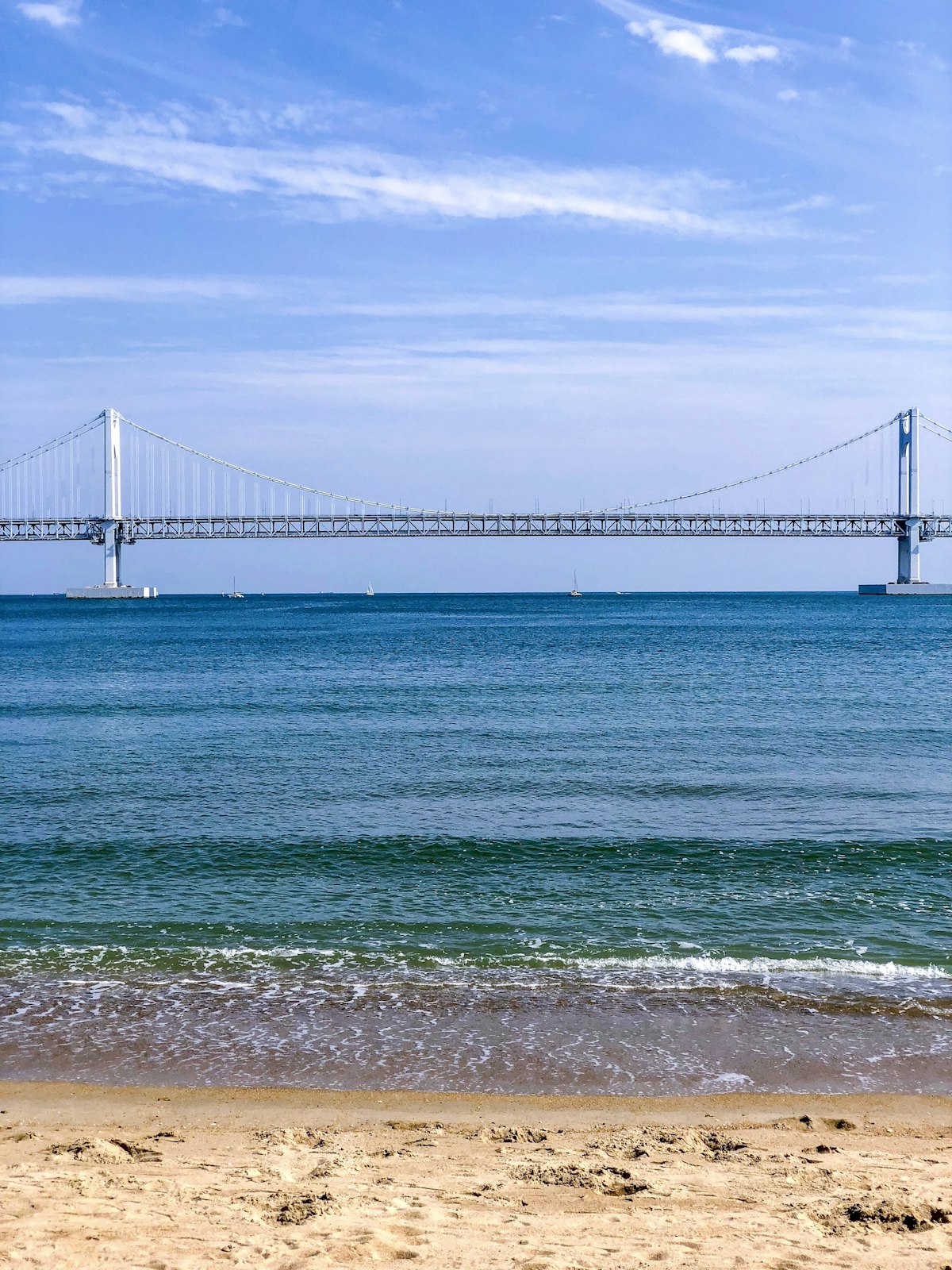
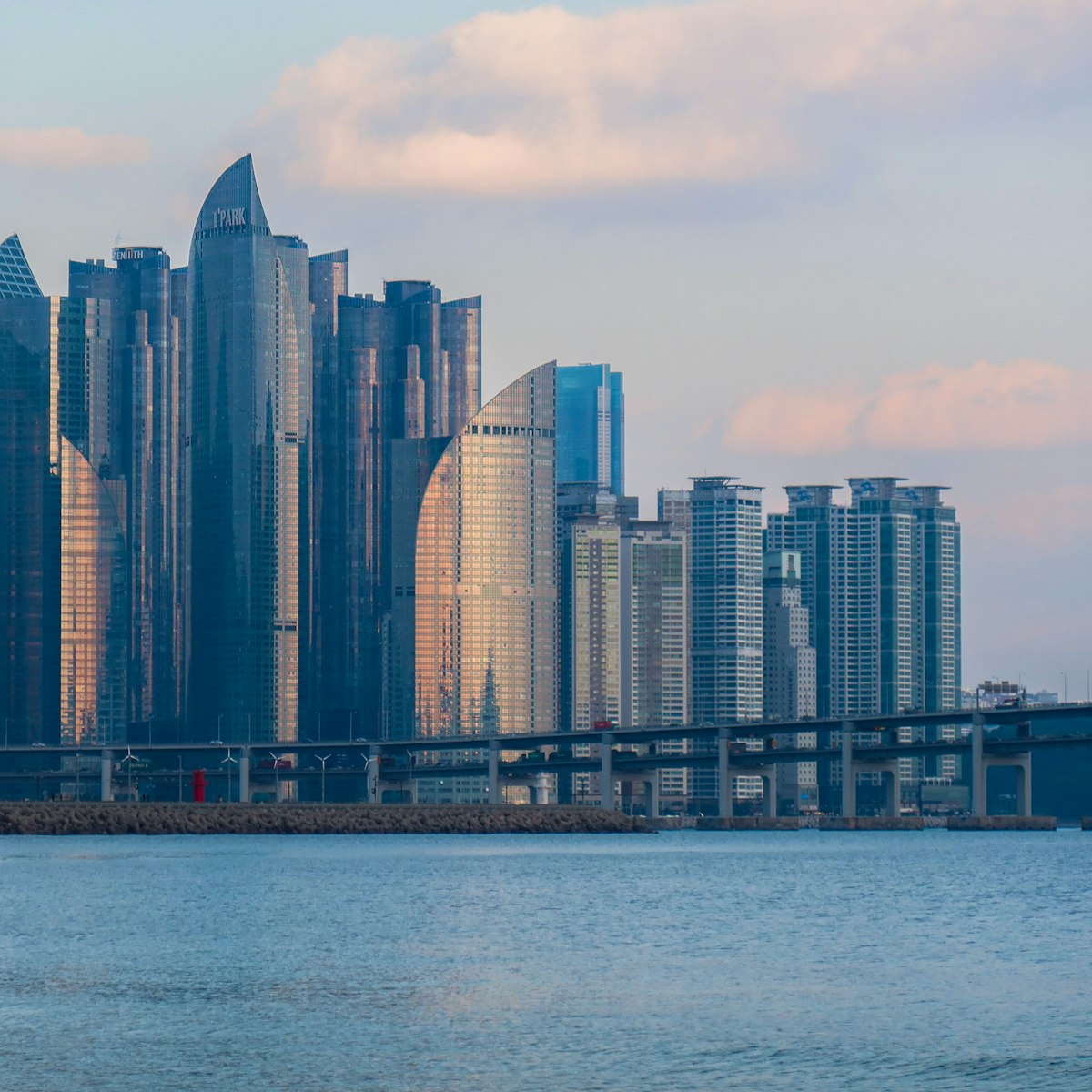
- ↑Busan International Fireworks Festival (late October): one of Korea's largest pyrotechnic spectacles illuminates Gwangan Bridge — 60 minutes of fireworks over the bay watched by over a million people
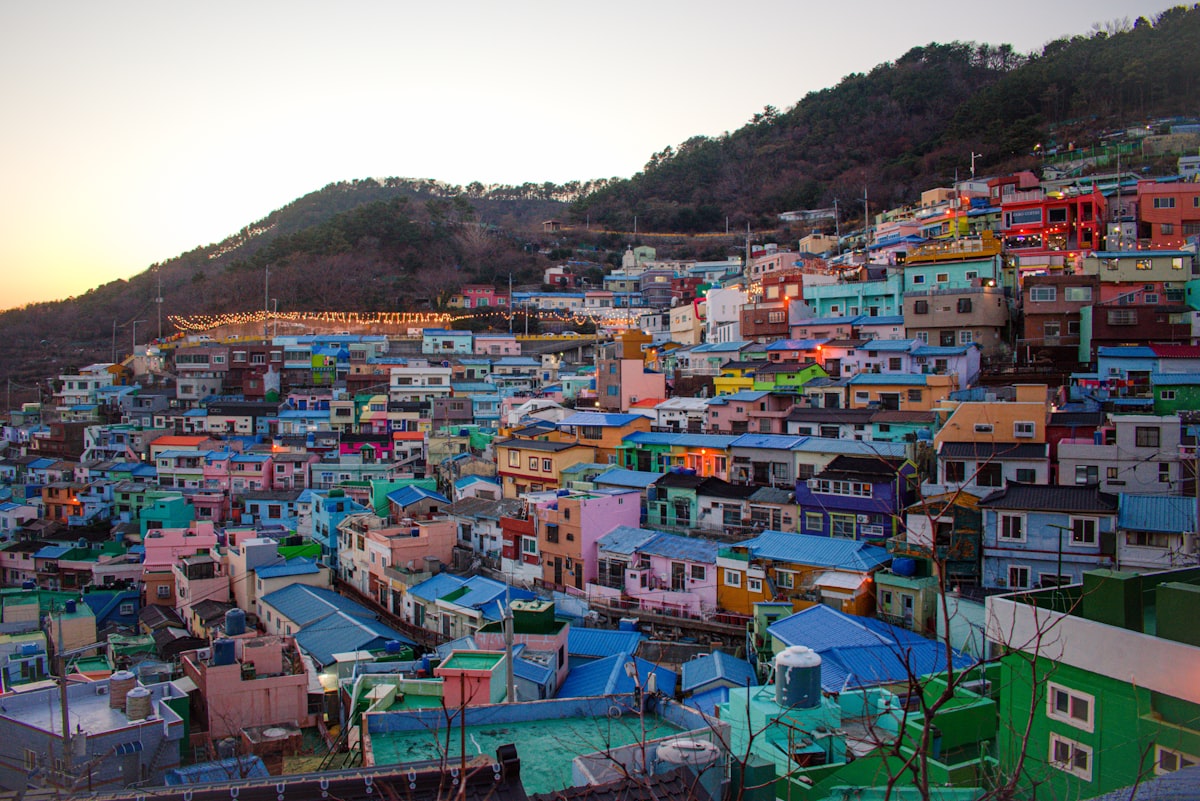
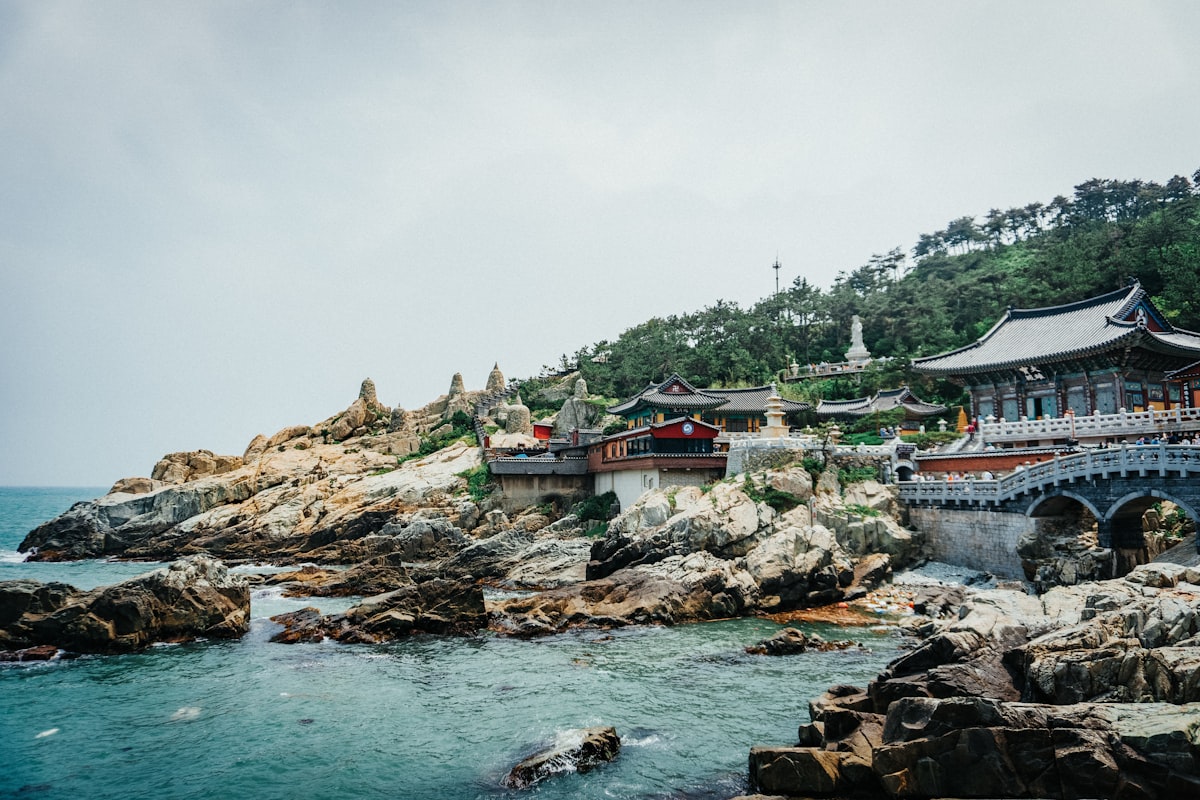
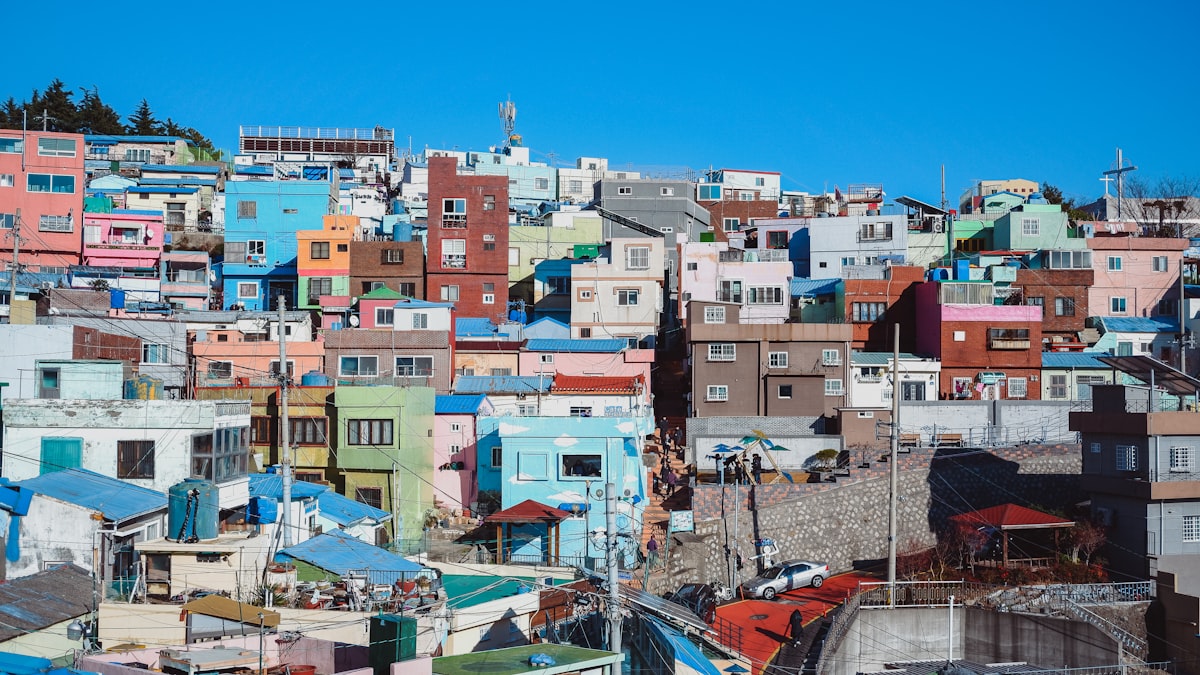
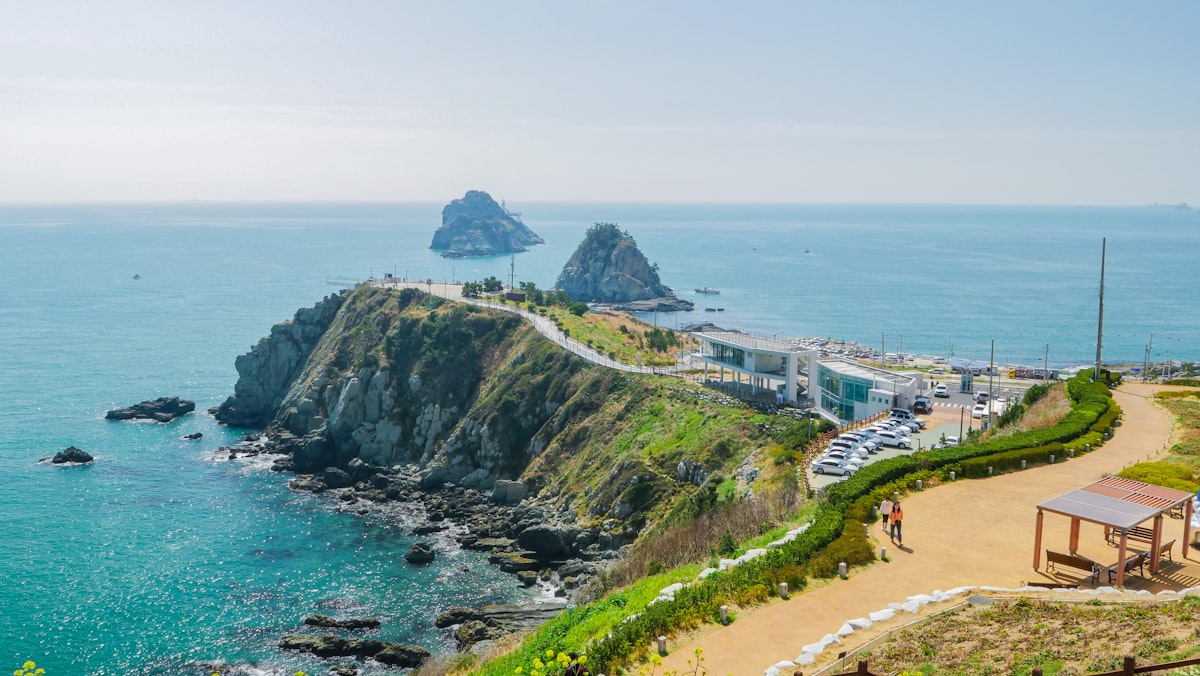
- ↑Perfect autumn weather: 20°C, 8 hours of sun, and dramatically cleaner air than summer — the Haedong Yonggungsa Temple and Gamcheon Culture Village are at their most beautiful in October light
What you sacrifice
- ↓BIFF and Fireworks Festival weeks drive accommodation prices and availability to near-summer levels: book three to four months ahead for any Haeundae-area accommodation in October
- ↓The Fireworks Festival itself draws over a million spectators to the Gwangan Bridge area — extraordinary spectacle but chaotic logistics; build in transport time of 30–45 minutes on event night
- ↓The beach season is definitively over: 20°C is pleasant for walking but swimming is only for the hardy
Oct scores highest overall — reliable weather and strong local atmosphere. Set your priorities below to personalise this result.
Oct
The best month in Busan: BIFF, Fireworks Festival, perfect autumn weather, and meaningfully reduced crowds.
20°C
High
55mm
Rain
8h
Sun
- ↑Busan International Film Festival (BIFF): Asia's premier film event fills the city with Korean and international cinema across outdoor and indoor venues — a unique cultural energy that transforms Haeundae
- ↑Busan International Fireworks Festival (late October): one of Korea's largest pyrotechnic spectacles illuminates Gwangan Bridge — 60 minutes of fireworks over the bay watched by over a million people
- ↑Perfect autumn weather: 20°C, 8 hours of sun, and dramatically cleaner air than summer — the Haedong Yonggungsa Temple and Gamcheon Culture Village are at their most beautiful in October light
- ↓BIFF and Fireworks Festival weeks drive accommodation prices and availability to near-summer levels: book three to four months ahead for any Haeundae-area accommodation in October
- ↓The Fireworks Festival itself draws over a million spectators to the Gwangan Bridge area — extraordinary spectacle but chaotic logistics; build in transport time of 30–45 minutes on event night
- ↓The beach season is definitively over: 20°C is pleasant for walking but swimming is only for the hardy
Top travel windows
★ BestOctober
Best overall
Highest combined score
20°C
High
55mm
Rain
8h
Sun
December
Best for value
Lowest prices & fees
9°C
High
30mm
Rain
5.5h
Sun
December
Fewest crowds
Quietest month
9°C
High
30mm
Rain
5.5h
Sun
Breakdown by priority
Best for weather
October
20°C high · 55mm rain · 8hrs sun/day
Best for budget
December
The Gamcheon Culture Village without a single other foreign visitor: in December, the colourful hillside art district operates entirely for local Korean visitors — a genuinely different experience from the summer crowds
Fewest crowds
December
The Gamcheon Culture Village without a single other foreign visitor: in December, the colourful hillside art district operates entirely for local Korean visitors — a genuinely different experience from the summer crowds
Worst time to visit
August, July
Typhoon risk peaks in August: a direct hit is uncommon but the typhoon season can disrupt travel plans, close beach attractions, and bring emergency weather — always check the forecast
Where to stay in Busan
All neighbourhoods →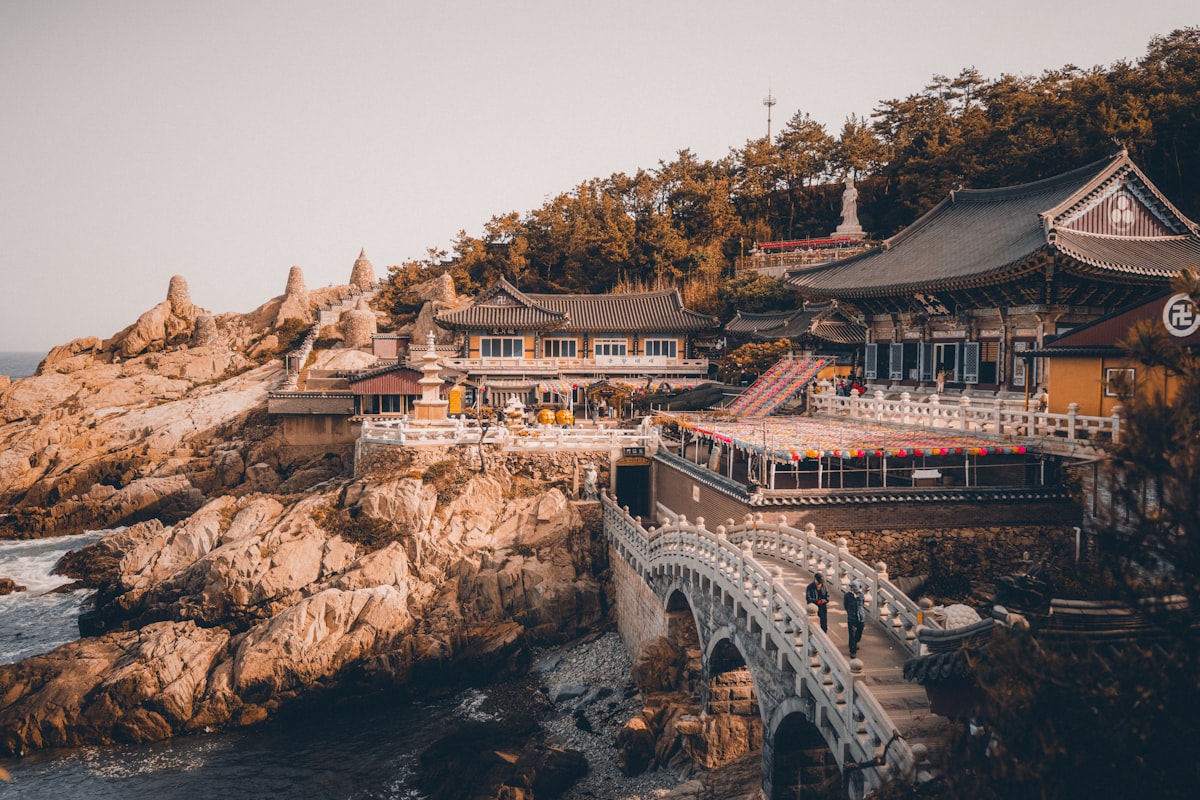
Jagalchi & Nampo-dong
The old port district — Korea's largest seafood market, street food alleys, and the most authentically local neighbourhood in central Busan.
8/10
Central
9/10
Walk
8/10
Transit
Seomyeon & City Centre
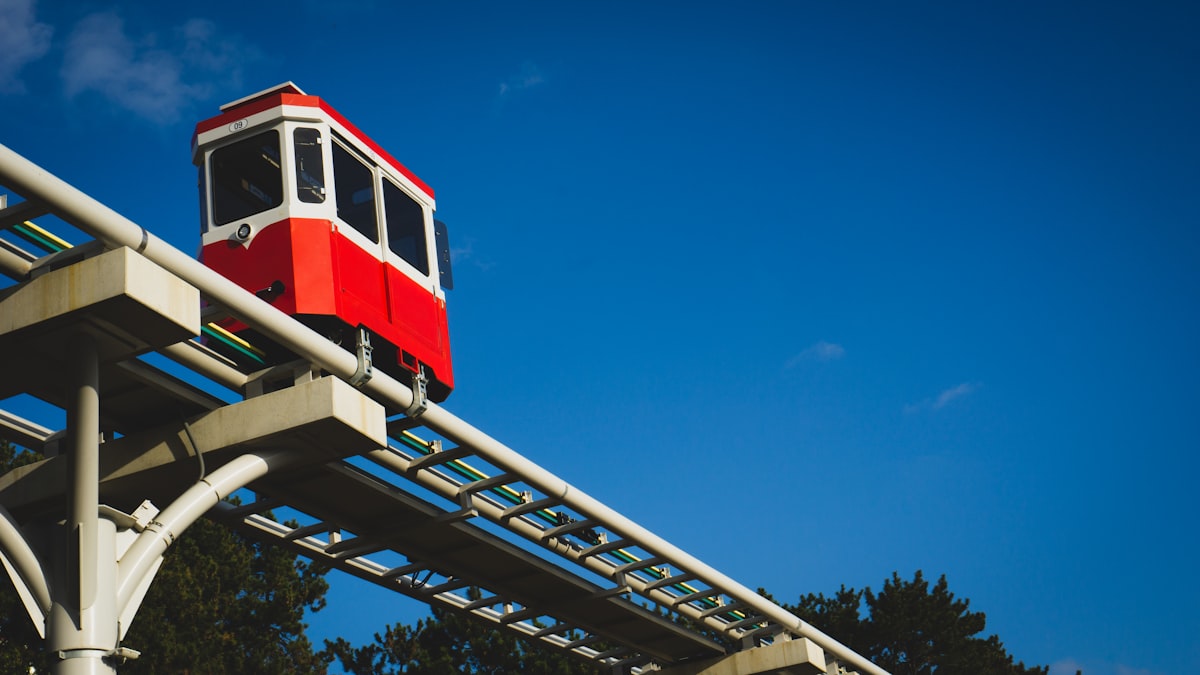
Busan's main transit and commercial hub — the best-connected neighbourhood in the city, with serious shopping, underground nightlife, and local residential energy.
9/10
Central
8/10
Walk
10/10
Transit
Also exploring
Tokyo
Japan
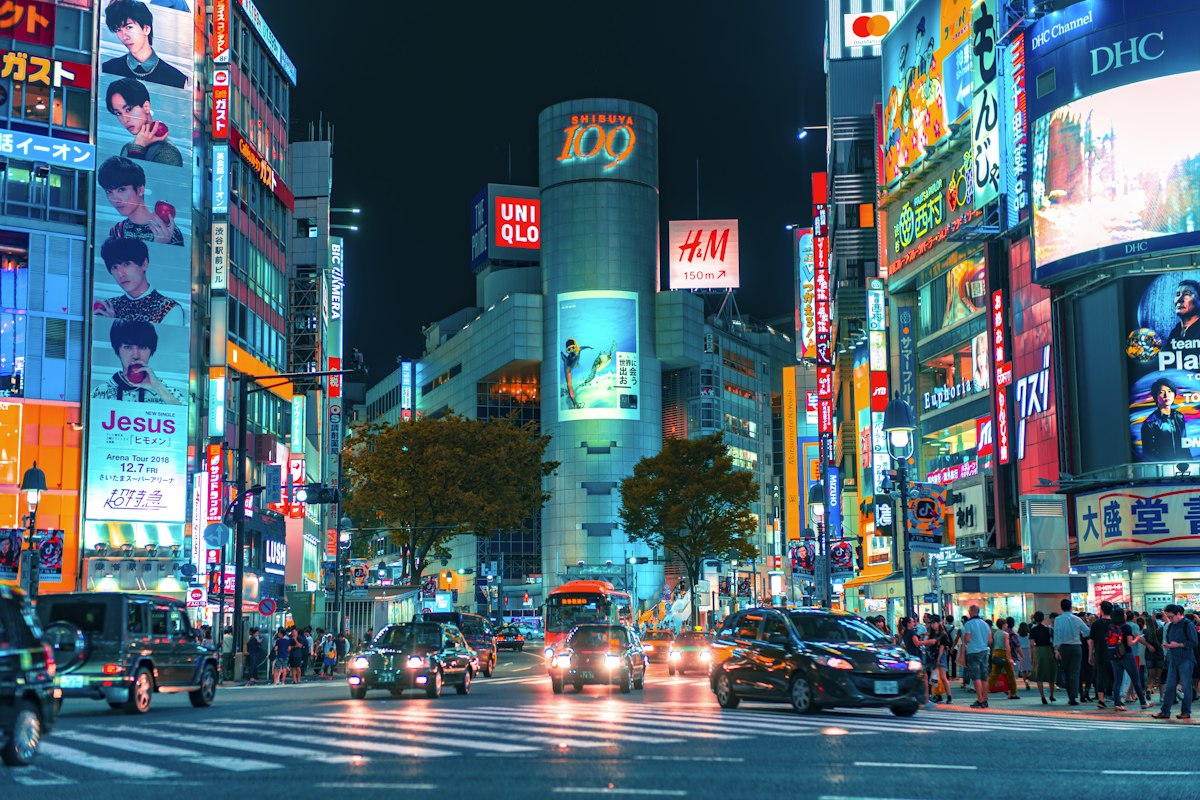
A city of dramatic seasonal contrasts — cherry blossom crowds, oppressive summer humidity, and golden autumn foliage — where the wrong timing can make or break the trip.
Bali
Indonesia
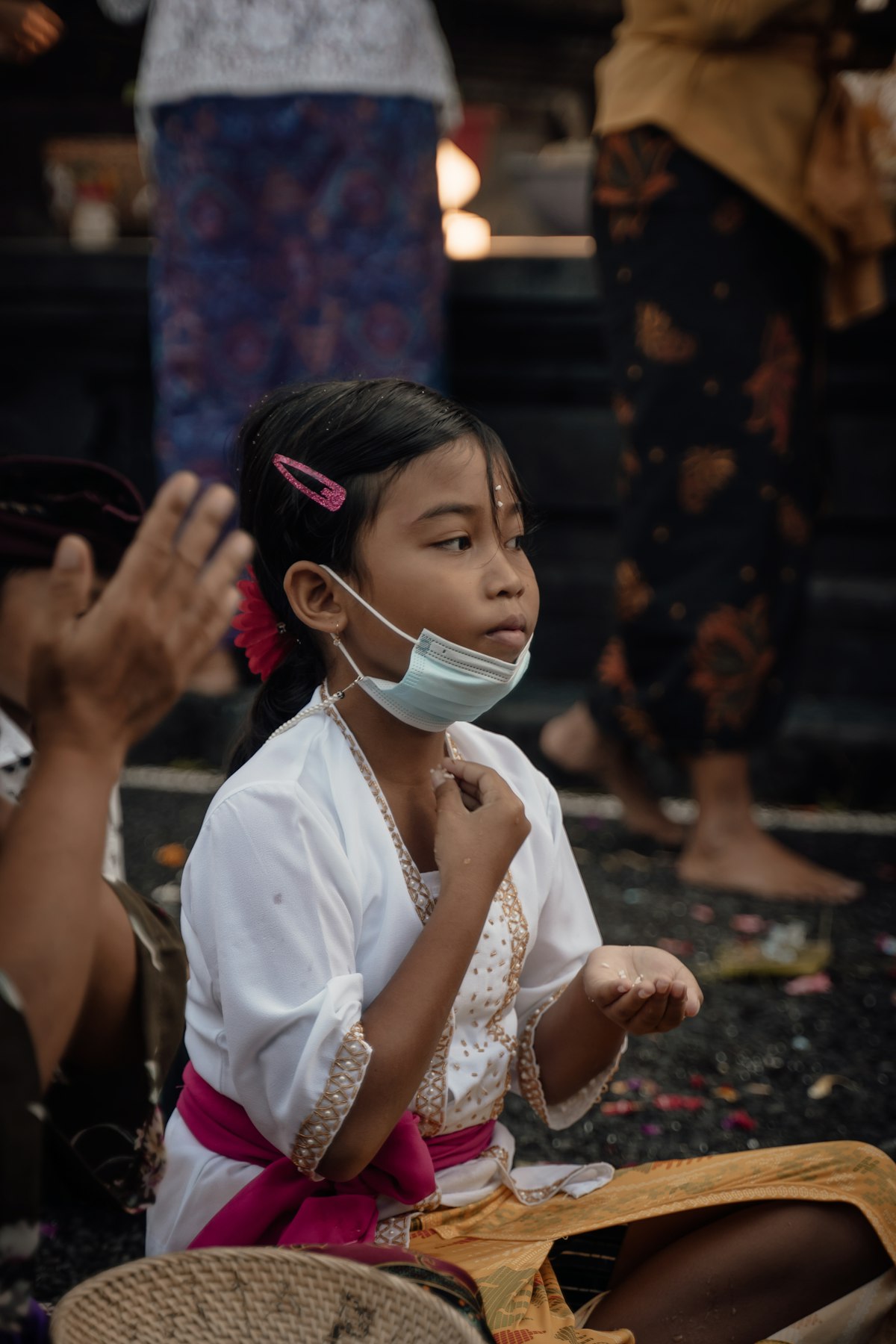
A Hindu island of rice terraces, temple ceremonies, and surf breaks where the monsoon makes timing genuinely binary — the difference between dry and wet season is not subtle.
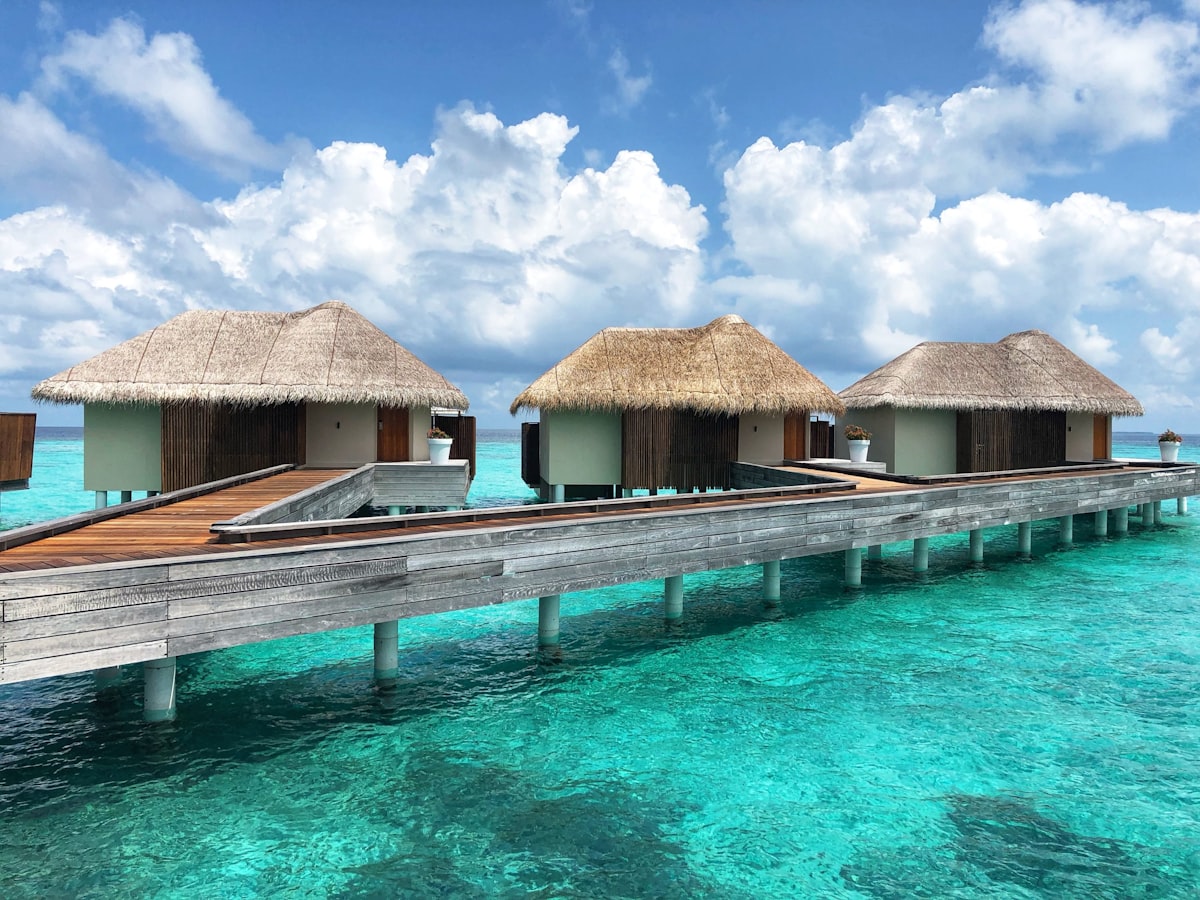
Maldives
Maldives
A destination defined almost entirely by its monsoon calendar — the difference between the NE dry season (November–April) and SW wet season (May–October) is not subtle and shapes every aspect of the experience.
Worth knowing
October scores highest overall. August is the most crowded month — avoid if you can. See crowd-free ranking →
Month by month breakdown
January#8▾
Gains
- ↑Busan's coastal climate is significantly milder than Seoul in winter — 7°C highs versus Seoul's -2°C makes outdoor exploration at the Gamcheon Culture Village and Haedong Yonggungsa Temple still feasible
- ↑Haeundae Beach without a single sunbather: the empty winter strand backed by high-rises is unexpectedly beautiful and entirely photogenic
- ↑Hotel rates at annual lows across all areas: Haeundae luxury hotels available at a fraction of summer pricing
Sacrifices
- ↓1°C overnight temperatures require full winter layering; coastal wind makes the beach walk noticeably colder than the temperature suggests
- ↓The beach culture that defines Busan's character is entirely dormant — beach clubs, outdoor seafood restaurants, and summer activities all closed
- ↓Limited evening entertainment: the outdoor bar scene in Gwangalli and Haeundae retreats almost entirely indoors
February#9▾
Gains
- ↑The Jagalchi fish market in February operates entirely for locals — the freshest seafood bought and eaten by Busan residents without any tourist layer
- ↑Lunar New Year (Seollal) falls in January or February: a uniquely Korean festival that briefly fills the city with returning families and genuine festivity
- ↑Accommodation at its cheapest: Haeundae beach-front hotels available at rates that seem implausible compared to August
Sacrifices
- ↓February's cold winds off the Korea Strait make the coastal walk between Haeundae and Gwangalli genuinely demanding; the sea temperature is around 10°C
- ↓Seollal week itself sees some local restaurants close as proprietors return to their hometowns — plan meals for the three-day holiday
- ↓The city's outdoor attractions — beach, parks, Gamcheon steps — are all accessible but lack the warmth that makes them enjoyable
March#4▾
Gains
- ↑Cherry blossom begins in late March along Haeundae's waterfront and in the parks around Gwangalli: Busan's spring colour is often overlooked in favour of Seoul but genuinely beautiful
- ↑The Haedong Yonggungsa Temple in March, before crowds build, is accessible and dramatically photogenic against the sea — the ideal time to visit Korea's only coastal temple complex
- ↑Prices still well below spring peak: good accommodation available at 30–40% below May rates
Sacrifices
- ↓55mm of rain and 13°C make early March more like late winter than spring — pack layers and expect variable conditions
- ↓Beach activities not yet viable; the outdoor scene hasn't revived — restaurants still primarily operating indoors
- ↓Cherry blossom timing is variable: early March visitors may miss the bloom entirely if temperatures have been slow to rise
April#2▾
Gains
- ↑Full cherry blossom: the Gamcheon Culture Village steps and the hillsides around Dalmaji Hill are spectacular in early April — more photogenic than Gwangalli or Haeundae's flat seafront
- ↑Outdoor café life resumes at Gwangalli Beach with Gwangan Bridge views and warm enough temperatures to sit outside from mid-afternoon
- ↑Prices comfortable: April is a genuine shoulder season — major hotel rates 20–30% below June, and the Jagalchi market restaurants fully operational without crowds
Sacrifices
- ↓75mm of rain: April has more wet days than March as spring rains establish — outdoor plans need contingency options for wet afternoons
- ↓Tourism begins building from mid-month; Gamcheon Culture Village noticeably busier on weekends as Korean domestic tourism picks up
- ↓Sea temperature still 14°C — swimming remains off the agenda for most visitors
May#3▾
Gains
- ↑21°C and the first beach days of the year: Haeundae and Gwangalli are warm enough for sunbathing from mid-May, the sea beginning to reach 18°C toward month end
- ↑The full outdoor café and restaurant scene in Gwangalli operates: evening drinks on the strip with Gwangan Bridge illuminated across the bay is one of the great Busan experiences
- ↑Buddha's Birthday (early May) brings lantern festivals across Busan's Buddhist temples — the Haedong Yonggungsa Temple lantern display is spectacular
Sacrifices
- ↓Humidity beginning to build: May is the transitional month, and by late May conditions feel noticeably more sticky than April
- ↓Korean Children's Day (5 May) and other public holidays bring domestic family tourism that fills popular sites on specific days
- ↓Accommodation prices have risen from spring lows: a 20–30% premium compared to March or April
June#10▾
Gains
- ↑25°C beach weather: Haeundae and Gwangalli open for proper swimming from mid-June, and the sea reaches 22°C by month end
- ↑Summer festival season launches: outdoor events, beach concerts, and the Gwangalli Fireworks Festival preview activity begin in June
- ↑Full summer restaurant and bar scene operational: the Gwangalli Beach strip at its social best before July's crowds overwhelm it
Sacrifices
- ↓120mm of rain and 72% humidity: June sits in the pre-monsoon transition, bringing frequent rainy days and the sticky warmth that defines Korean summer
- ↓Crowds building: Haeundae is noticeably busier from the second week of June as Korean summer holiday preparation begins
- ↓Air conditioning becomes a necessity rather than an option; the humidity makes outdoor sightseeing at Gamcheon Village physically demanding by midday
July#12▾
Gains
- ↑Haeundae in July is a spectacle in itself: one of the most densely packed beaches in the world, with a festival atmosphere that is uniquely Korean and unlike any beach experience in Europe or Southeast Asia
- ↑The Busan Sea Festival runs through July: beach concerts, water sports competitions, and outdoor events that transform the whole seafront
- ↑The seafood at Jagalchi is at its summer peak — the freshest catches landed daily, and the outdoor stalls at their most atmospheric
Sacrifices
- ↓230mm of rainfall during monsoon season — extended periods of heavy rain are frequent, and typhoon watches are possible from late July onward
- ↓80% humidity combined with 29°C makes outdoor sightseeing genuinely exhausting; Gamcheon Culture Village on a hot humid July afternoon is a significant physical undertaking
- ↓Haeundae at peak Korean summer: the beach can host over 100,000 people on a busy weekend — queues for restaurants, parking impossible, and hotel prices at their annual maximum
August#11▾
Gains
- ↑Busan International Rock Festival (typically August): one of Korea's largest outdoor music events draws a young, energetic crowd to the Dadaepo Beach area
- ↑The sea temperature peaks at 26°C: the best actual swimming conditions of the year, even as the beach becomes maximally crowded
- ↑The night market at Haeundae and the Gwangalli Beach strip operate until 03:00: summer nightlife at its maximum
Sacrifices
- ↓Typhoon risk peaks in August: a direct hit is uncommon but the typhoon season can disrupt travel plans, close beach attractions, and bring emergency weather — always check the forecast
- ↓210mm of rainfall and sustained 78% humidity: the heat and moisture combination is genuinely debilitating for outdoor activity without regular breaks in air conditioning
- ↓Hotel and accommodation prices at annual peak across the entire city — book Haeundae hotels four to six months ahead for any summer weekend
September#7▾
Gains
- ↑Busan International Film Festival (BIFF, early October, often with events from late September): one of Asia's most prestigious film festivals transforms the Haeundae area into a genuine cultural event
- ↑The humidity drops noticeably from August levels: 26°C with improving air quality and longer clear days makes sightseeing increasingly comfortable from mid-September
- ↑Crowds at Haeundae reducing: by the final week of September, the beach is manageable on weekdays and weekends without the peak summer crush
Sacrifices
- ↓130mm of rainfall: September is still a significant rain month, with the tail of the monsoon and occasional typhoon activity — the weather is improving but not yet reliable
- ↓Hotel prices still elevated from summer levels: the BIFF period in particular drives accommodation demand in Haeundae
- ↓Sea temperature cooling to 23°C — still pleasant for swimming, but the extended beach season is definitively closing
October#1▾
Gains
- ↑Busan International Film Festival (BIFF): Asia's premier film event fills the city with Korean and international cinema across outdoor and indoor venues — a unique cultural energy that transforms Haeundae
- ↑Busan International Fireworks Festival (late October): one of Korea's largest pyrotechnic spectacles illuminates Gwangan Bridge — 60 minutes of fireworks over the bay watched by over a million people
- ↑Perfect autumn weather: 20°C, 8 hours of sun, and dramatically cleaner air than summer — the Haedong Yonggungsa Temple and Gamcheon Culture Village are at their most beautiful in October light
Sacrifices
- ↓BIFF and Fireworks Festival weeks drive accommodation prices and availability to near-summer levels: book three to four months ahead for any Haeundae-area accommodation in October
- ↓The Fireworks Festival itself draws over a million spectators to the Gwangan Bridge area — extraordinary spectacle but chaotic logistics; build in transport time of 30–45 minutes on event night
- ↓The beach season is definitively over: 20°C is pleasant for walking but swimming is only for the hardy
November#5▾
Gains
- ↑After October's festival intensity, November sees a sharp drop in both visitors and prices: Haeundae hotels available at 30–40% below October rates
- ↑Jagalchi fish market fully back to its local-serving mode: the best time to eat fresh seafood at neighbourhood prices surrounded by Korean regulars rather than tourists
- ↑The Gamcheon Culture Village without queues: the colourful steps and art installations at their most photogenic in the low-angle autumn light, without selfie-stick crowds
Sacrifices
- ↓14°C highs make beach visits largely academic; the coastal wind makes the seafront significantly colder than the temperature suggests
- ↓60mm of rain continues through November: outdoor sightseeing needs flexibility and a waterproof layer
- ↓Evening entertainment contracts sharply from the summer maximum: the outdoor bar scene in Gwangalli is significantly reduced
December#6▾
Gains
- ↑December is the driest month in Busan: only 30mm of rain and frequently crisp, clear days with excellent visibility across the bay and out to sea
- ↑The Gamcheon Culture Village without a single other foreign visitor: in December, the colourful hillside art district operates entirely for local Korean visitors — a genuinely different experience from the summer crowds
- ↑Hotel rates at annual lows: Haeundae beach-front hotels available at prices that reflect their winter reality rather than their summer premium
Sacrifices
- ↓3°C overnight temperatures and coastal wind make this a genuinely cold city in winter: adequate layering is essential for any outdoor activity
- ↓The beach and outdoor restaurant scene entirely dormant: Busan in December is a city of indoor attractions, covered markets, and heated restaurants
- ↓Christmas is not a major public holiday in the same way as in Christian countries: expect normal business operation on 25 December rather than a festive city atmosphere
How this is calculated
Climate data
Open Meteo ERA5
30-year normals (1991–2020). Temperature, rainfall, sunshine, humidity.
Price & crowd
Tourism research
Seasonal pricing from tourism authority data. Directional — compares months within a destination only.
Personalisation
Weighted scoring
Your priorities change the weights. Budget-first users get different results than weather-first users.
Share this result
October is the best time to visit Busan
Travel timing updates
New destinations and timing guides, when they land.
No spam. Unsubscribe anytime.