Showing: Mar · Unsplash / Unsplash
Argentina/Chile · South America
Best time to visit Patagonia
March
Mar scores highest overall — reliable weather and strong local atmosphere. Set your priorities below to personalise this result.
What matters most to you?
All 12 months — click any to expand
Mar
Unsplash / Unsplash
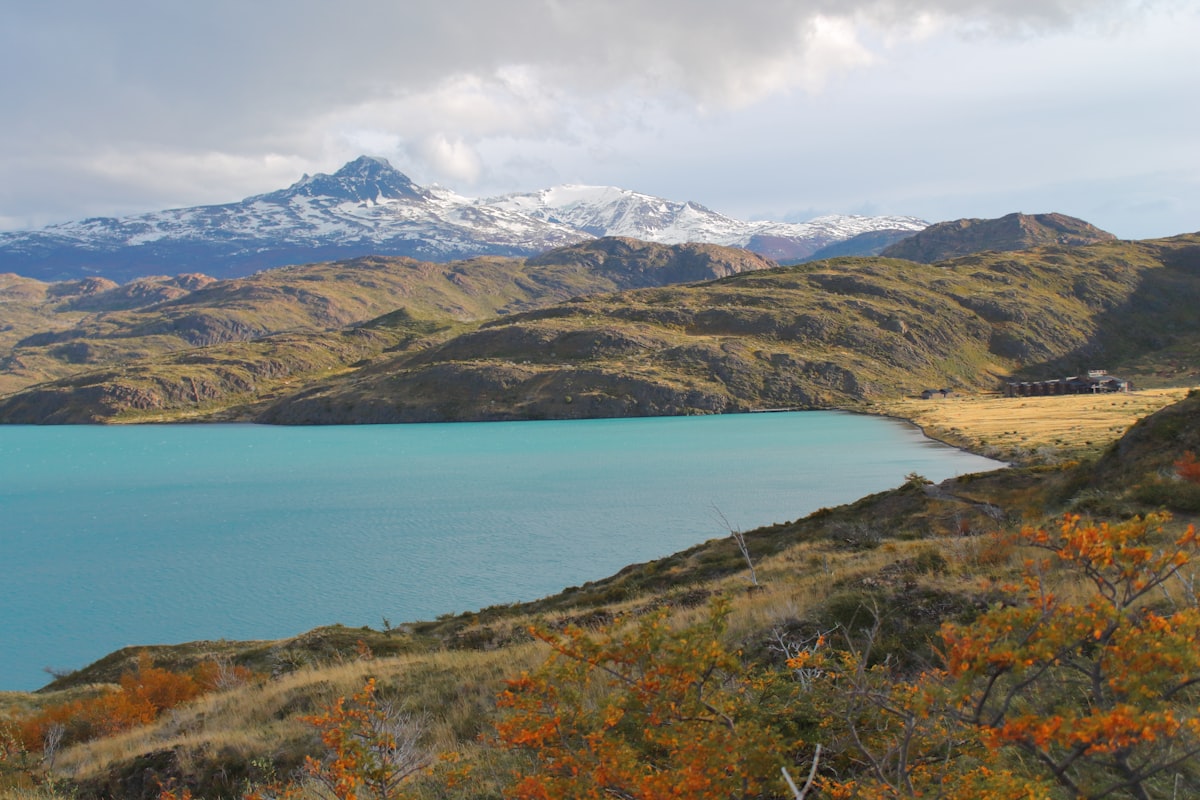
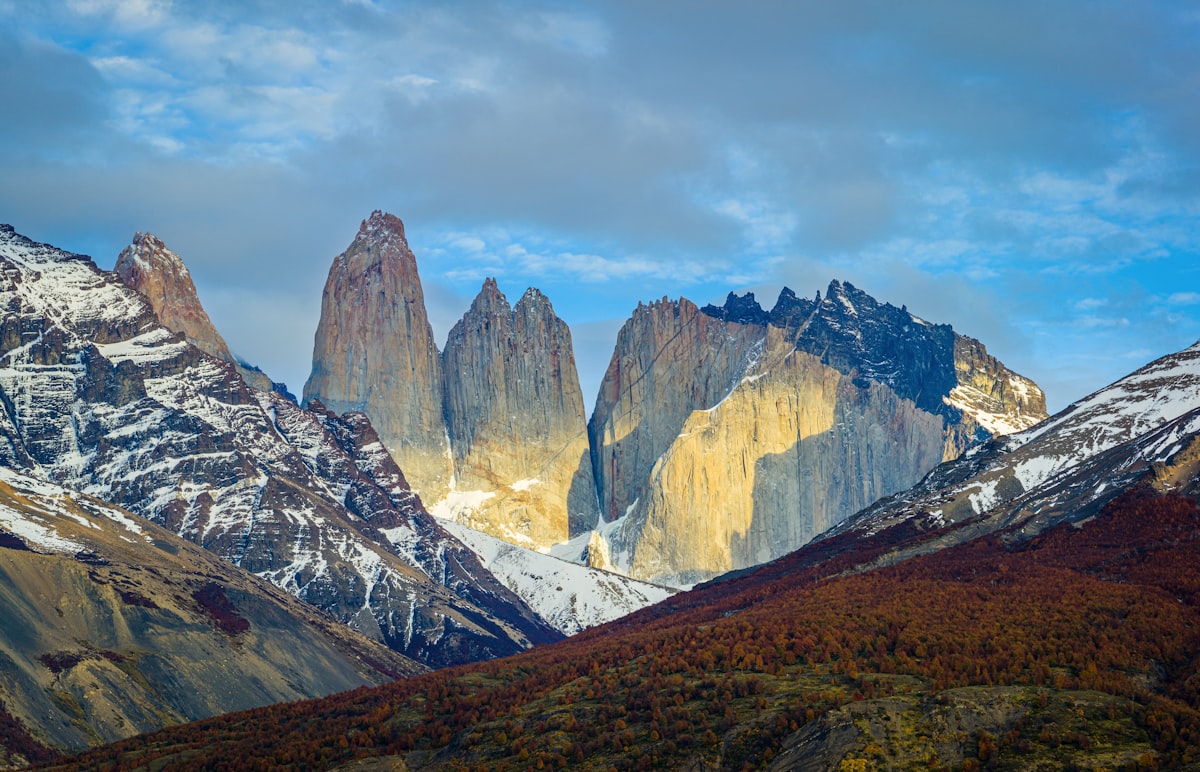
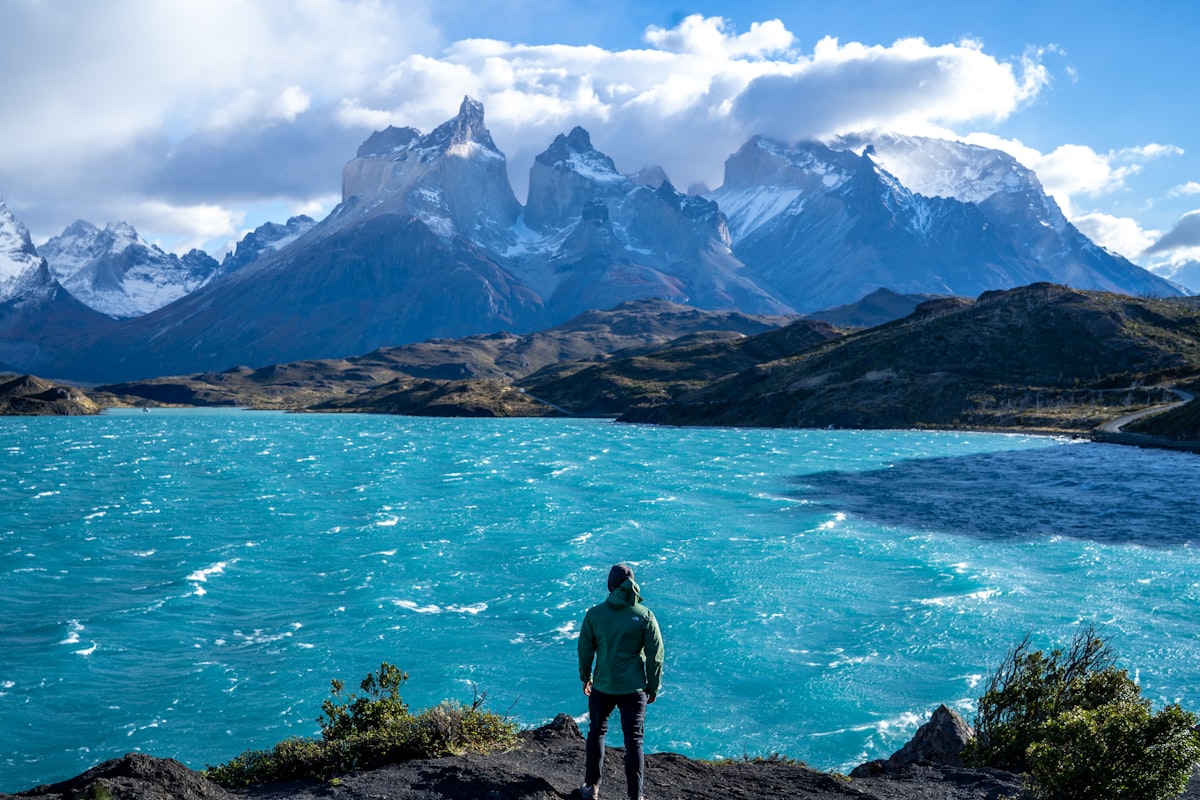
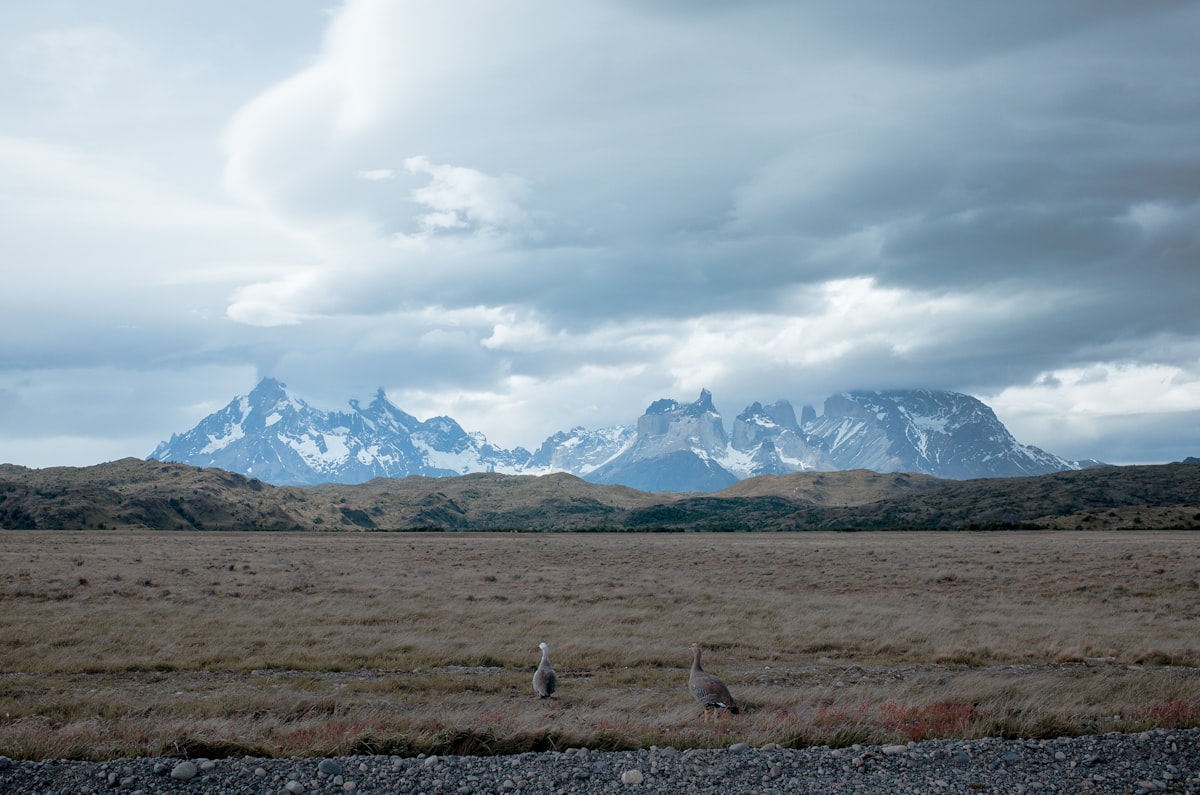
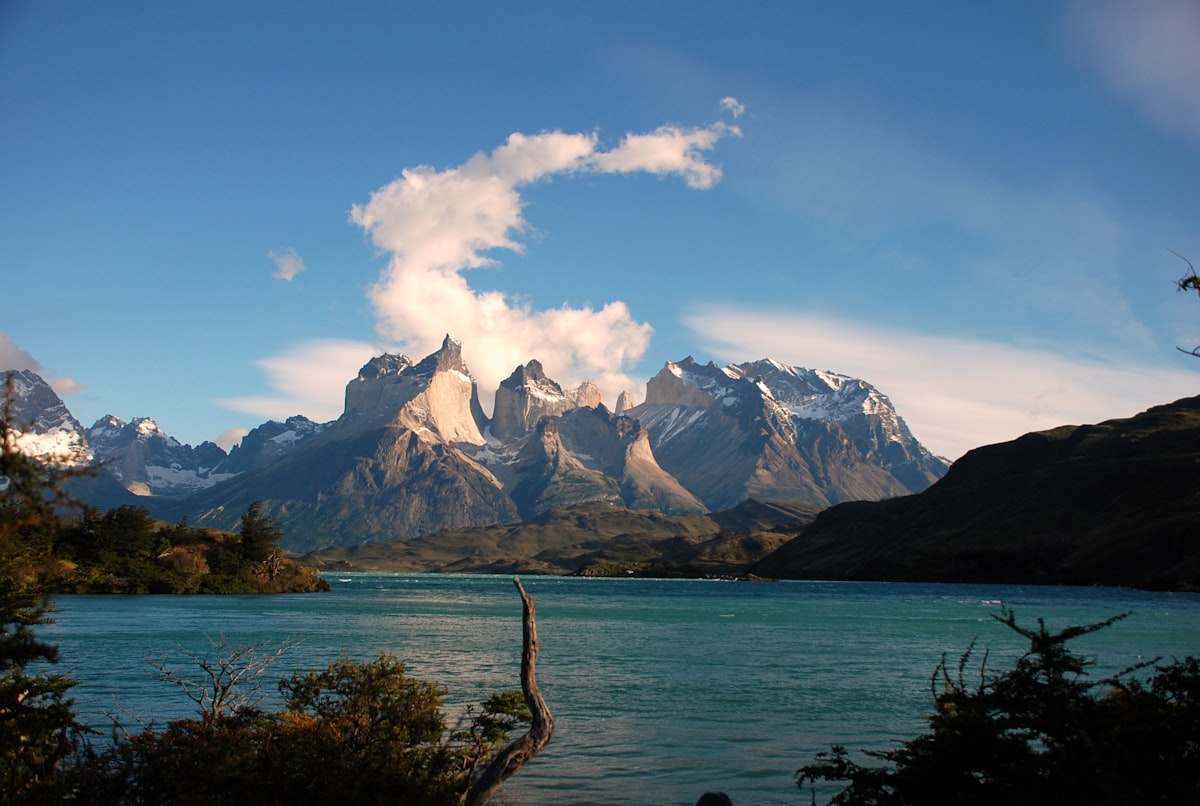
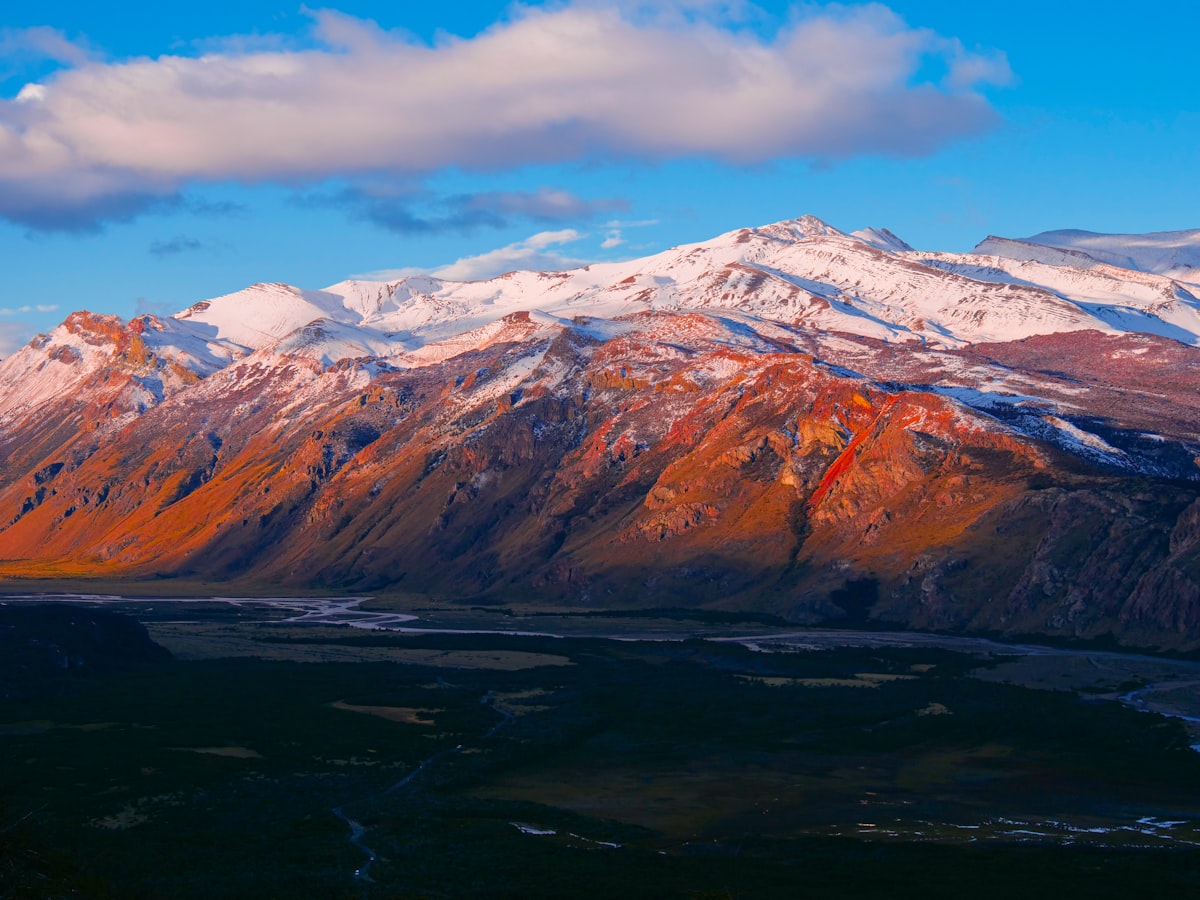
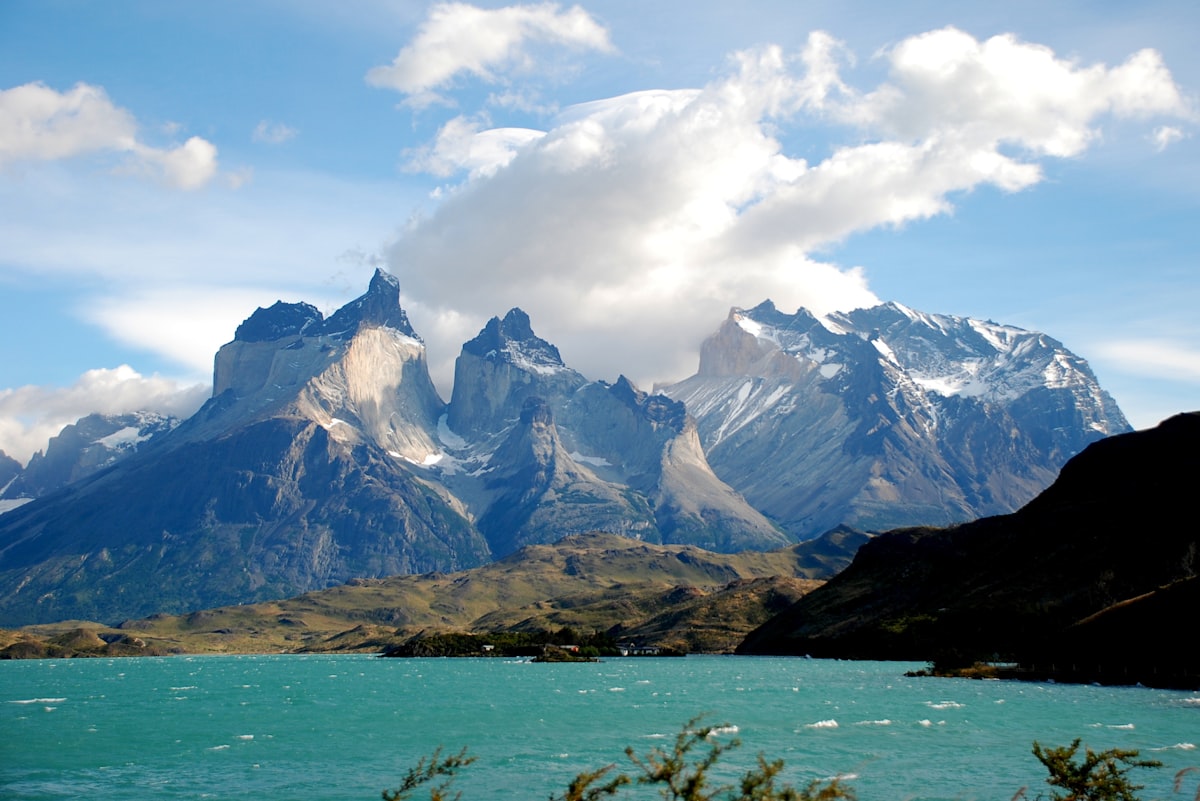
Autumn colors on Patagonia's lenga beech forests — the most photogenic month and increasingly the expert's choice over the summer rush.
12.5°C
High
4.5°C
Low
42mm
Rain
9h
Sun/day
What you gain
- ↑Lenga beech trees (the dominant Patagonian beech species) turn vivid red, orange, and gold from late March: the autumn color on the hillsides around Torres del Paine's Valle del Francés and on the slopes above El Chaltén is the landscape photography equivalent of New England in October
- ↑Crowds beginning to thin from February peak: refugio availability returns without advanced booking, trail experience significantly better with 30–40% fewer hikers on the W-trek
- ↑Prices declining from peak season: all accommodation categories 20–30% below January rates while trails and services remain fully operational
What you sacrifice
- ↓Daylight hours shortening rapidly (16h in early March to 13h by month-end): the long golden evening photography windows of January-February compressing
- ↓Wind patterns becoming less predictable as autumn approaches: calm days alternate with sudden strong gusts more randomly than in the summer season
Mar scores highest overall — reliable weather and strong local atmosphere. Set your priorities below to personalise this result.
Mar
Autumn colors on Patagonia's lenga beech forests — the most photogenic month and increasingly the expert's choice over the summer rush.
12.5°C
High
42mm
Rain
9h
Sun
- ↑Lenga beech trees (the dominant Patagonian beech species) turn vivid red, orange, and gold from late March: the autumn color on the hillsides around Torres del Paine's Valle del Francés and on the slopes above El Chaltén is the landscape photography equivalent of New England in October
- ↑Crowds beginning to thin from February peak: refugio availability returns without advanced booking, trail experience significantly better with 30–40% fewer hikers on the W-trek
- ↑Prices declining from peak season: all accommodation categories 20–30% below January rates while trails and services remain fully operational
- ↓Daylight hours shortening rapidly (16h in early March to 13h by month-end): the long golden evening photography windows of January-February compressing
- ↓Wind patterns becoming less predictable as autumn approaches: calm days alternate with sudden strong gusts more randomly than in the summer season
Top travel windows
★ BestMarch
Best overall
Highest combined score
12.5°C
High
42mm
Rain
9h
Sun
June
Best for value
Lowest prices & fees
2.5°C
High
55mm
Rain
4h
Sun
June
Fewest crowds
Quietest month
2.5°C
High
55mm
Rain
4h
Sun
Breakdown by priority
Best for weather
January
14.5°C high · 45mm rain · 12hrs sun/day
Best for budget
June
Patagonia entirely to yourself: the handful of hotels that stay open in El Calafate and Puerto Natales are essentially empty, and prices are at their absolute minimum
Fewest crowds
June
Cerro Castor ski resort at Ushuaia in mid-season: 40 runs across a 600m vertical drop, uncrowded by European standards with day passes at USD 50–60
Worst time to visit
June, July, August
Torres del Paine National Park closed to trekking: all refugios and campgrounds shut, the park accessible only for day visits to the lower viewpoints where road access remains
Where to base yourself in Patagonia
All regions →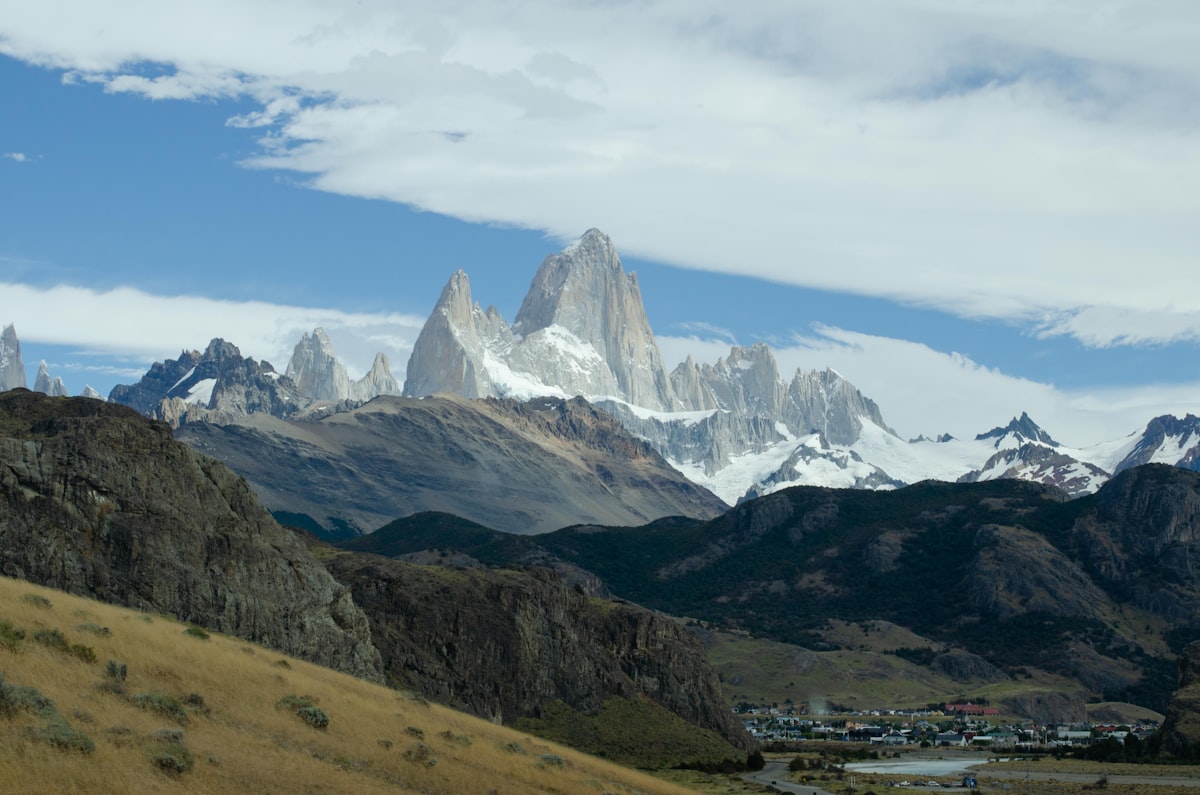
El Chaltén
Argentina's trekking capital — every trail in the national park starts at the village door, and every trail is free.
8/10
Central
10/10
Walk
4/10
Transit
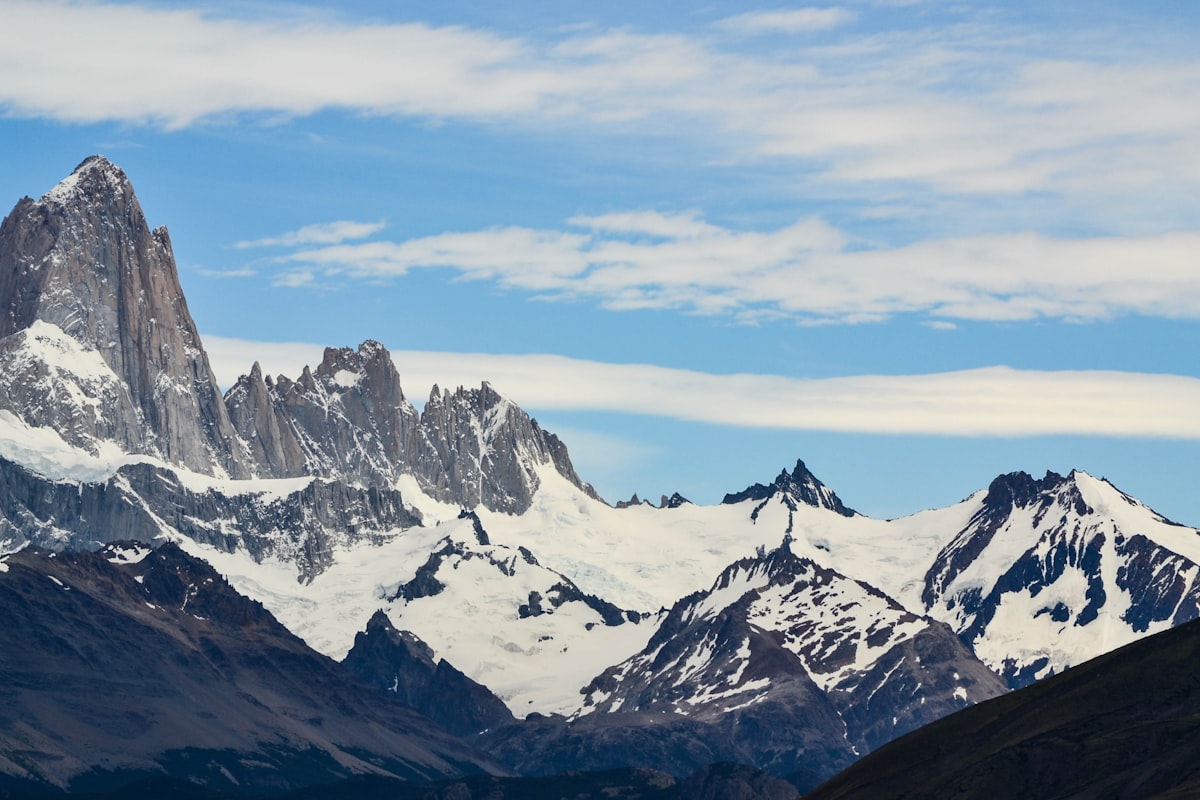
Punta Arenas
Chilean Patagonia's gateway city — Magellanic penguin colonies, the Strait of Magellan, and the logistics hub for Torres del Paine.
6/10
Central
7/10
Walk
9/10
Transit
Also exploring
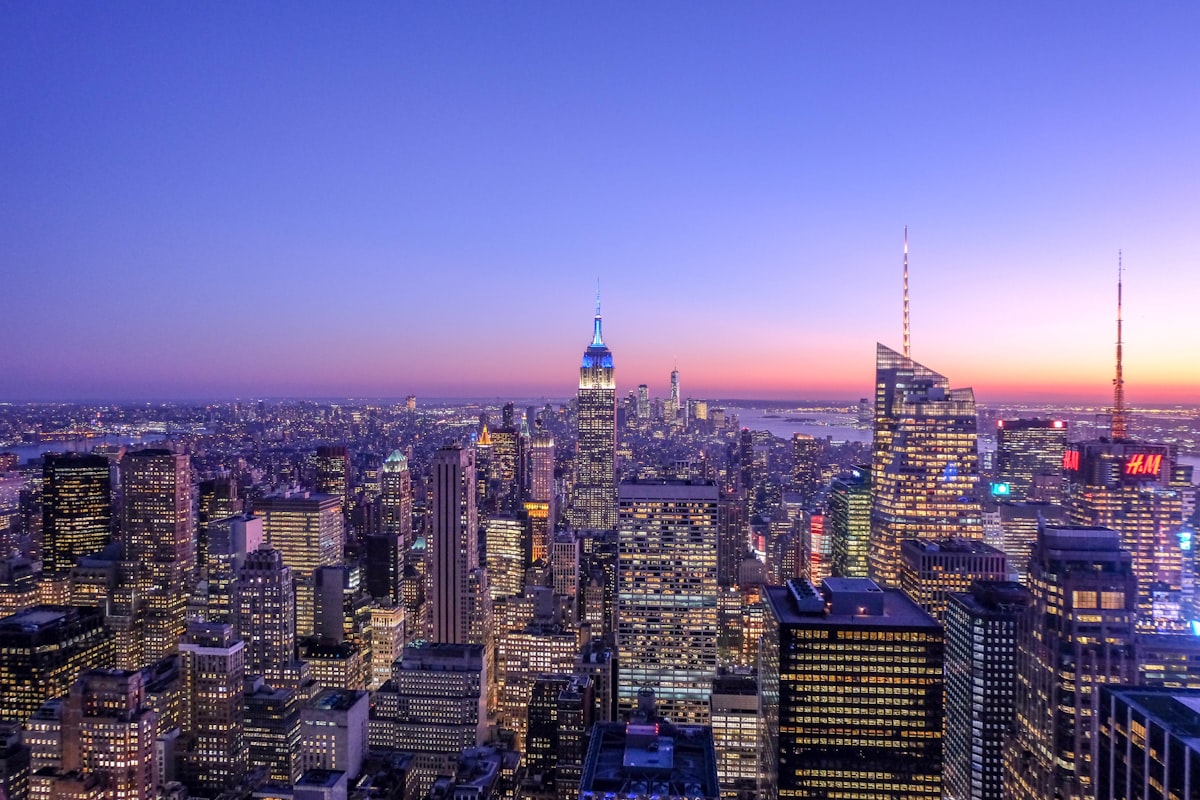
New York
USA
A city that never fully quiets — but its personality shifts dramatically by season, from sweltering humid summers to crisp autumn perfection to blizzard-prone winters.
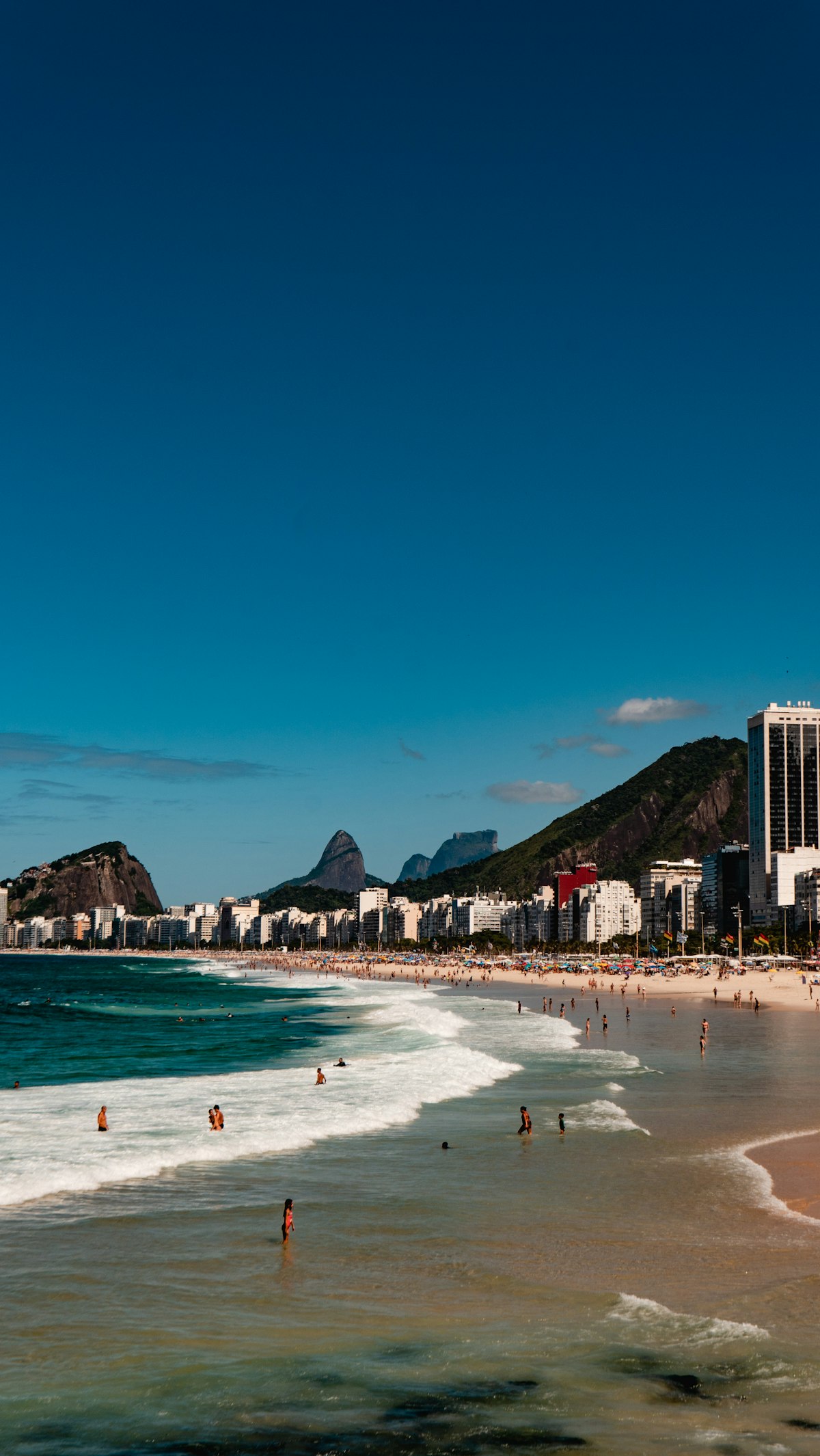
Rio de Janeiro
Brazil
A Southern Hemisphere city where summer (December–March) brings Carnival and 264mm of rain simultaneously, and the real sweet spot is the dry Southern winter — June to September — when most travellers don't think to come.
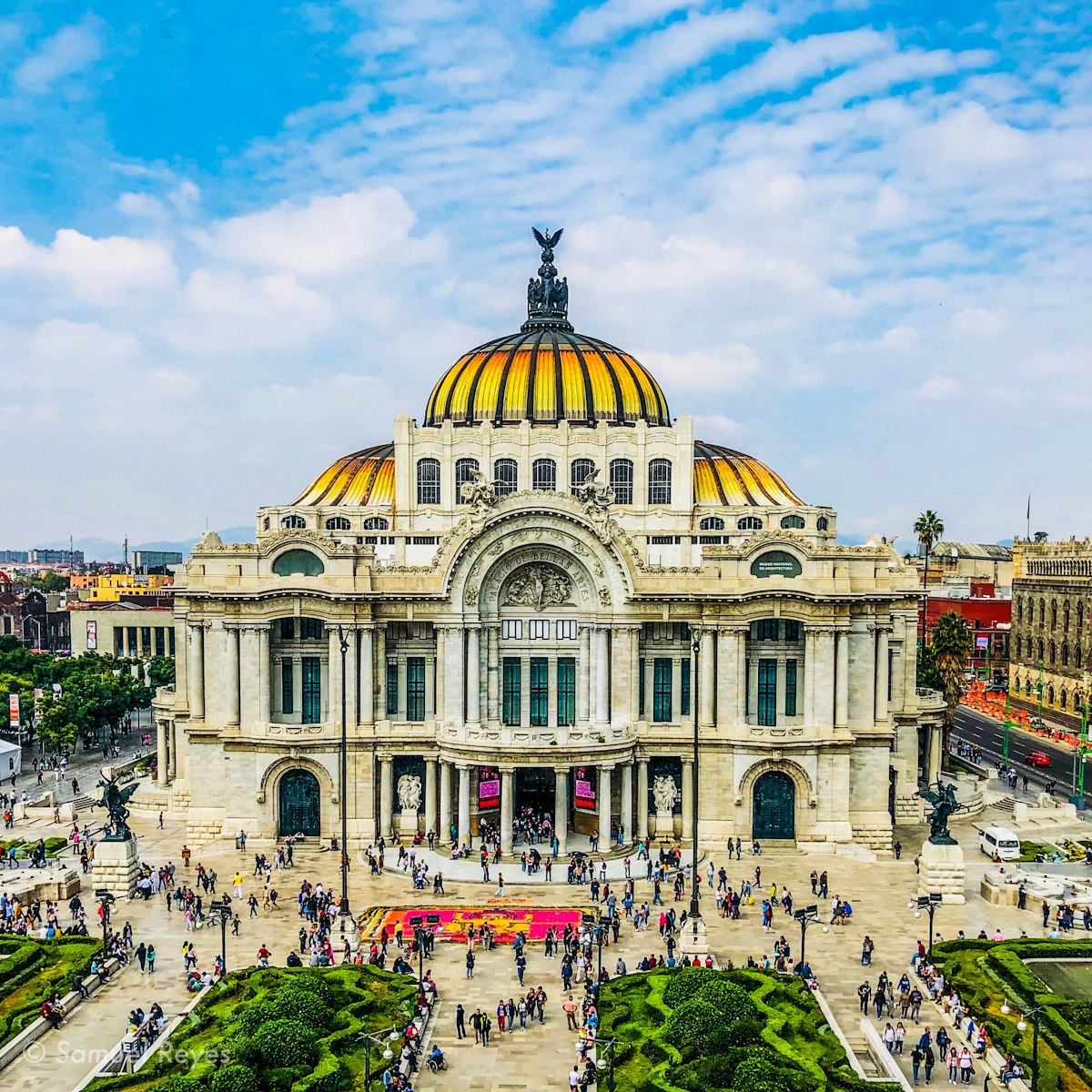
Mexico City
Mexico
A highland metropolis at 2,240 metres where the altitude tempers the heat to perpetual spring in the dry months, Día de Muertos transforms Mixquic and Azcapotzalco into one of the world's great ceremonies, and the October–April dry season gives the clearest conditions for exploring what is genuinely one of the planet's finest food, museum, and architecture cities.
Worth knowing
March scores highest overall. January is the most crowded month — avoid if you can. See crowd-free ranking →
Month by month breakdown
January#5▾
Gains
- ↑Up to 20 hours of daylight in Ushuaia and 17 in Torres del Paine: the extended light creates morning and evening photography windows that no other season provides — golden hour at 22:00 behind the Torres peaks
- ↑Best statistical probability of the year for clear-sky conditions on the Paine massif: the window for the sunrise view of the Torres — one of the world's great landscape photographs — is wider in January than in any other month
- ↑All trails and services operating at full capacity: the W-trek, O-circuit, Fitz Roy trail, Perito Moreno glacier walkways, and Ushuaias Tierra del Fuego National Park all accessible without restriction
Sacrifices
- ↓Peak season prices at their maximum: Torres del Paine's refugios book out in minutes when reservations open each September; the Perito Moreno glacier walkway requires advance booking for January entry
- ↓Patagonian wind at its summer strength: gusts of 80–120 km/h are common at Torre Central viewpoints and along the exposed ridgelines of the W-trek, making some sections genuinely difficult to walk
February#6▾
Gains
- ↑Perito Moreno glacier in its most active calving period: the glacier advances at its summer rate (2m/day), and the dramatic ice calving events — house-sized blocks crashing into Lago Argentino — occur multiple times daily from the public walkways
- ↑Condor sightings at their most reliable over the Paine massif and above El Chaltén: the thermal updrafts from warmed summer rock create consistent soaring conditions for Andean condors with 3m wingspans
- ↑Wind slightly less severe than January on average: still strong by any standard but the days of sustained 120 km/h gusts that close viewpoints are less frequent in February
Sacrifices
- ↓Same peak-season booking crisis as January: all Torres del Paine refugios and campgrounds booked, and El Calafate hotels frequently sold out; this is not a destination for last-minute February travel
- ↓Carretera Austral visitors and Chilean summer holiday travelers add to the cross-border traffic between El Calafate and Puerto Natales, extending wait times at immigration crossings
March#1▾
Gains
- ↑Lenga beech trees (the dominant Patagonian beech species) turn vivid red, orange, and gold from late March: the autumn color on the hillsides around Torres del Paine's Valle del Francés and on the slopes above El Chaltén is the landscape photography equivalent of New England in October
- ↑Crowds beginning to thin from February peak: refugio availability returns without advanced booking, trail experience significantly better with 30–40% fewer hikers on the W-trek
- ↑Prices declining from peak season: all accommodation categories 20–30% below January rates while trails and services remain fully operational
Sacrifices
- ↓Daylight hours shortening rapidly (16h in early March to 13h by month-end): the long golden evening photography windows of January-February compressing
- ↓Wind patterns becoming less predictable as autumn approaches: calm days alternate with sudden strong gusts more randomly than in the summer season
April#3▾
Gains
- ↑Autumn colors peak and then deepen: the lenga beech forests at their darkest red and richest gold before the leaves fall in May — late April is the final week of the color season
- ↑Torres del Paine and El Chaltén still fully open with low occupancy: the refugios and trails accessible without booking for the first time since October
- ↑Quiet season pricing across all accommodation: El Calafate hotels 40% below January rates, Puerto Natales hostels and guesthouses at annual lows
Sacrifices
- ↓Temperatures falling toward single digits by day and near-freezing overnight: full winter hiking gear required for multi-day trekking, lightweight summer kit inadequate
- ↓Some peripheral services and day-tour operators beginning to reduce frequency or close for the season from late April
May#9▾
Gains
- ↑The only month where Perito Moreno glacier is genuinely uncrowded: the walkways open and the glacier in dramatic greyed winter light with no waiting for the prime calving viewpoints
- ↑Cerro Castor ski resort (Ushuaia) opening its season: the southernmost ski resort in the world, with 30+ runs and reliable early-season snow from May
- ↑Budget pricing across the entire region: rooms in El Calafate and Puerto Natales 50–60% below January rates, with no advance booking required
Sacrifices
- ↓Torres del Paine and El Chaltén trekking routes partially or fully closed: the administration closes the W-trek and O-circuit from May 15 in most years due to fire risk and winter conditions
- ↓Freezing overnight temperatures throughout the region: requires full winter camping and hiking kit that most travelers don't carry — not a destination for casual visitors in May
June#10▾
Gains
- ↑Cerro Castor ski resort at Ushuaia in mid-season: 40 runs across a 600m vertical drop, uncrowded by European standards with day passes at USD 50–60
- ↑Patagonia entirely to yourself: the handful of hotels that stay open in El Calafate and Puerto Natales are essentially empty, and prices are at their absolute minimum
- ↑Perito Moreno glacier in winter light: accessible by a single operator running tours from El Calafate — the glacier frosted and dramatically different in character from summer
Sacrifices
- ↓Torres del Paine National Park closed to trekking: all refugios and campgrounds shut, the park accessible only for day visits to the lower viewpoints where road access remains
- ↓El Chaltén effectively a ghost town: most businesses closed, the Fitz Roy and Cerro Torre trails not officially open, and high wind-chill temperatures making outdoor time genuinely dangerous
July#11▾
Gains
- ↑Cerro Castor ski resort at peak season: July typically has the best snow coverage of the year, and the resort is uncrowded relative to any European or North American ski destination
- ↑Icebergs calving into Lago Argentino from the Upsala and Onelli glaciers more dramatic in winter: boat tours from El Calafate to the iceberg fields operate year-round
- ↑The raw Patagonian winter for those who specifically want it: Punta Arenas and El Calafate in winter have a frontier quality that summer can't match
Sacrifices
- ↓All major trekking infrastructure closed: Torres del Paine trails officially shut, El Chaltén Fitz Roy access not authorized, multi-day routes impossible without specialist expedition kit
- ↓Minimal daylight (8 hours in Punta Arenas) combined with persistently overcast skies and high wind-chill: outdoor conditions require full expedition cold-weather clothing
August#12▾
Gains
- ↑Late ski season at Cerro Castor: conditions typically still excellent in August, and the late-season discount pricing makes it the most cost-effective month for ski touring in Ushuaia
- ↑Southern right whale sightings at Peninsula Valdés (Argentina's Atlantic coast, 1,300km from El Calafate but often combined with Patagonia trips): whale watching at its best in August–October
- ↑Final weeks before the spring season begins: those arriving in late August can position for early September trail reopening with minimum accommodation costs
Sacrifices
- ↓Torres del Paine and all major Patagonian trekking destinations remain closed: the spring opening happens gradually from mid-September, not in August
- ↓Winter conditions across the entire region: overnight temperatures still -2 to -3°C at altitude, and the wind-chill factor at exposed viewpoints makes extended outdoor time genuinely challenging
September#8▾
Gains
- ↑Torres del Paine W-trek reopening from approximately 15 September: the first hikers of the season have virtually empty trails, uncrowded refugios at 50% below January rates, and a landscape still partially snow-covered
- ↑El Chaltén trails reopening: the Fitz Roy and Cerro Torre approaches fully accessible from mid-September without the summer crowds — September has the park to oneself
- ↑Spring wildflowers beginning on the Patagonian steppe: calafate bushes (the native berry plant after which El Calafate is named) flowering yellow across the plateau
Sacrifices
- ↓Weather still highly variable: spring snowfall on the peaks is common throughout September, and cold fronts from the south can close the high-elevation trail sections without warning
- ↓Limited services: some refugios and tour operators open on reduced hours or capacity for the first weeks of September — flexibility and contingency planning essential
October#2▾
Gains
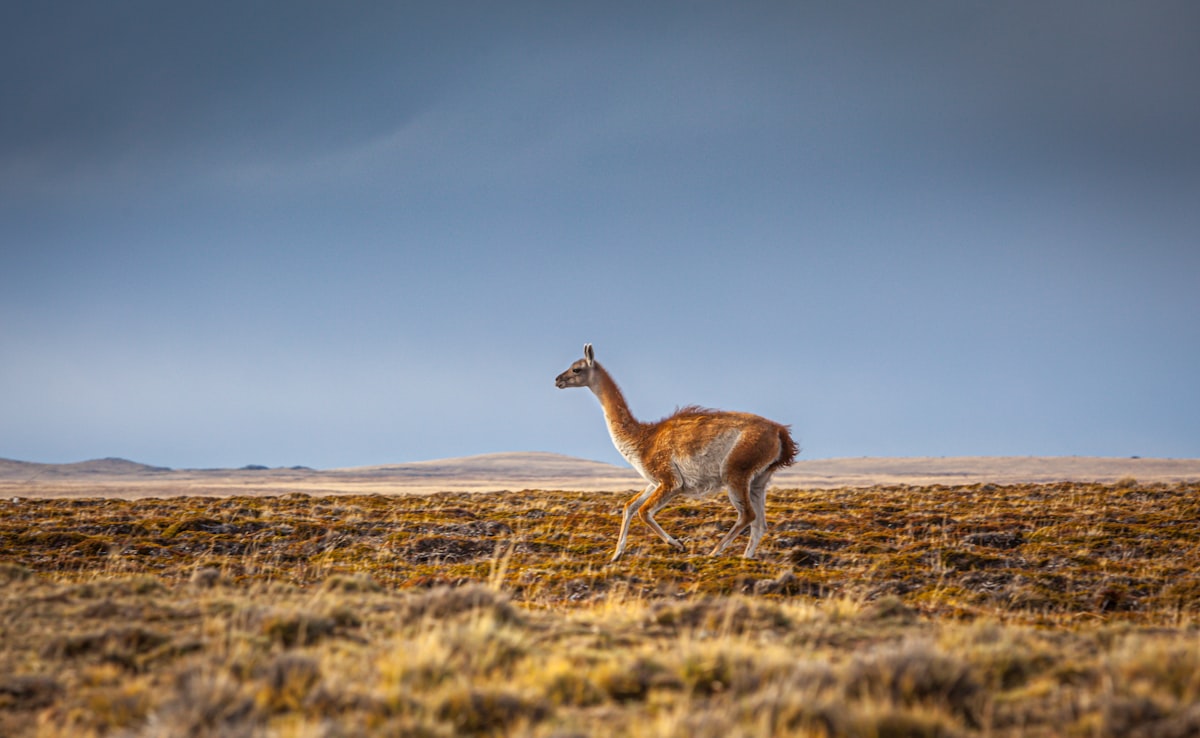
- ↑Guanaco breeding season on the Patagonian steppe: females with young spotted throughout the grasslands around Torres del Paine and along Route 40 — wildlife viewing without the dedicated infrastructure needed for Galápagos or Kenya
- ↑All Patagonian trails fully open by mid-October with spring wildflowers across the lower elevations: the calafate berries ripening and the landscape green before summer's dry season
- ↑Accommodation and tour pricing 35–40% below January peak with full trail availability: the value equation at its best in October for those who accept some weather risk
Sacrifices
- ↓Weather improving but not yet predictable: October is characterized by rapid-fire weather changes — a pattern that experienced Patagonian trekkers call "four seasons in one day"
- ↓Winds building toward summer strength: Patagonia's famous gusts are less severe than January on average but increasingly forceful through the month
November#4▾
Gains
- ↑All Torres del Paine trails and El Chaltén routes fully operational with pre-summer pricing: the same W-trek that costs USD 800+ in refugios in January runs 25–30% cheaper in November, with beds available on short notice
- ↑Daylight extending toward 17 hours by month-end: the evening photography windows lengthening daily, with golden light on the Torres until 21:30 by late November
- ↑Spring wildflowers at peak across the steppe and lower park elevations: the flora more diverse and colorful in November than at any other time of year before the summer drought
Sacrifices
- ↓Patagonian wind at building strength: November sits between October's milder conditions and January's maximum gusts — exposed ridgelines and the Valle del Viento in Torres del Paine can be technically challenging to walk
- ↓Booking pressure increasing from late November: refugios on the W-trek need advance reservation from November onward as the season opens properly
December#7▾
Gains
- ↑18+ hours of daylight in Torres del Paine by the solstice: the extended light makes multi-day trekking logistics easier and provides early morning starts in full daylight for the best sunrise conditions at the Mirador Base Torres
- ↑All infrastructure at full operation: Perito Moreno glacier walkways, Torres del Paine boat excursions, El Chaltén day hikes, and Ushuaia's Tierra del Fuego National Park all accessible without seasonal restriction
- ↑Early December pricing 10–15% below January peak: the season fully started but pre-Christmas pricing marginally better than the January-February peak window
Sacrifices
- ↓W-trek refugio booking crisis in full effect: December departures require booking 6–9 months ahead through the CONAF-authorized operators; independent camping with reserved sites is the only last-minute option
- ↓Summer wind season begins: the strongest multi-day wind events of the year typically arrive in December, making the exposed sections of the W-trek's Day 3 (Paso John Gardner) technically demanding
How this is calculated
Climate data
Open Meteo ERA5
30-year normals (1991–2020). Temperature, rainfall, sunshine, humidity.
Price & crowd
Tourism research
Seasonal pricing from tourism authority data. Directional — compares months within a destination only.
Personalisation
Weighted scoring
Your priorities change the weights. Budget-first users get different results than weather-first users.
Share this result
March is the best time to visit Patagonia
Travel timing updates
New destinations and timing guides, when they land.
No spam. Unsubscribe anytime.