Showing: Jan · Polina Kocheva / Unsplash
Thailand · Southeast Asia
Best time to visit Pai
January
Jan scores highest overall — reliable weather and strong local atmosphere. Set your priorities below to personalise this result.
What matters most to you?
All 12 months — click any to expand
Jan
Polina Kocheva / Unsplash
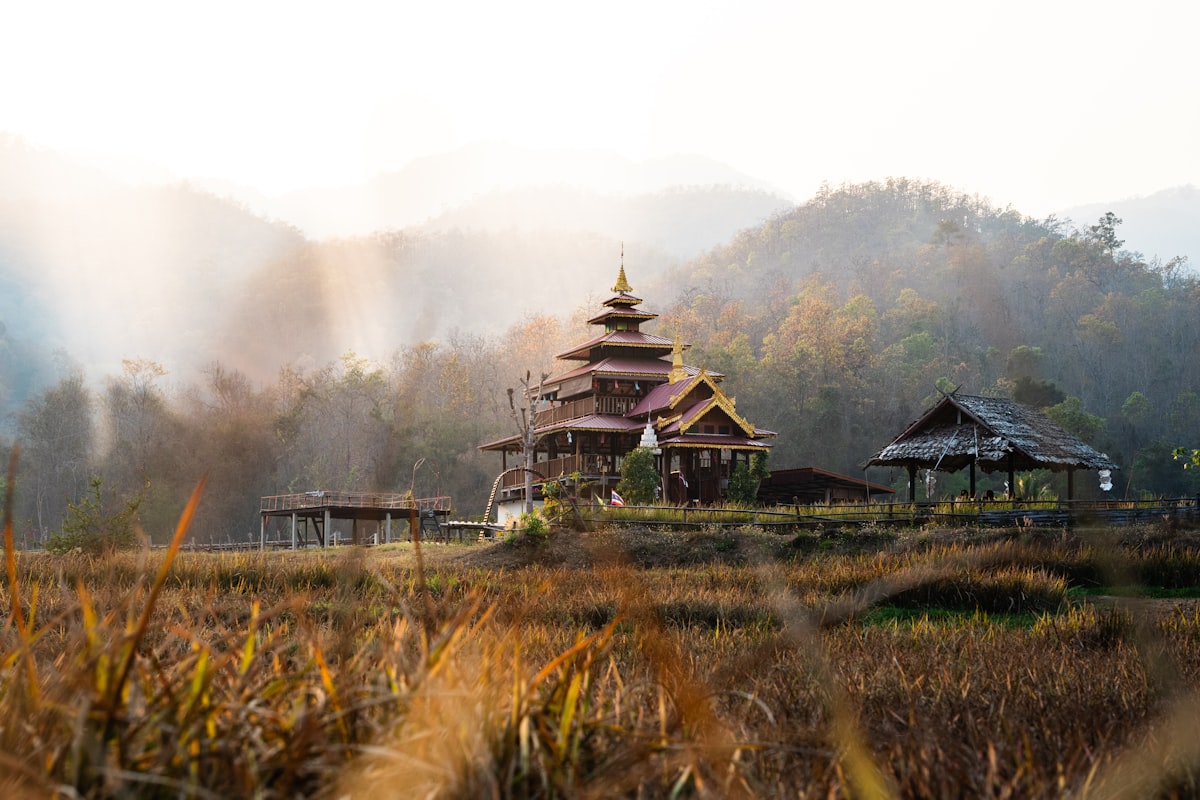
Peak cool season — misty mornings, cold nights, and Pai at its most enchanting.
26°C
High
10°C
Low
15mm
Rain
8h
Sun/day
What you gain
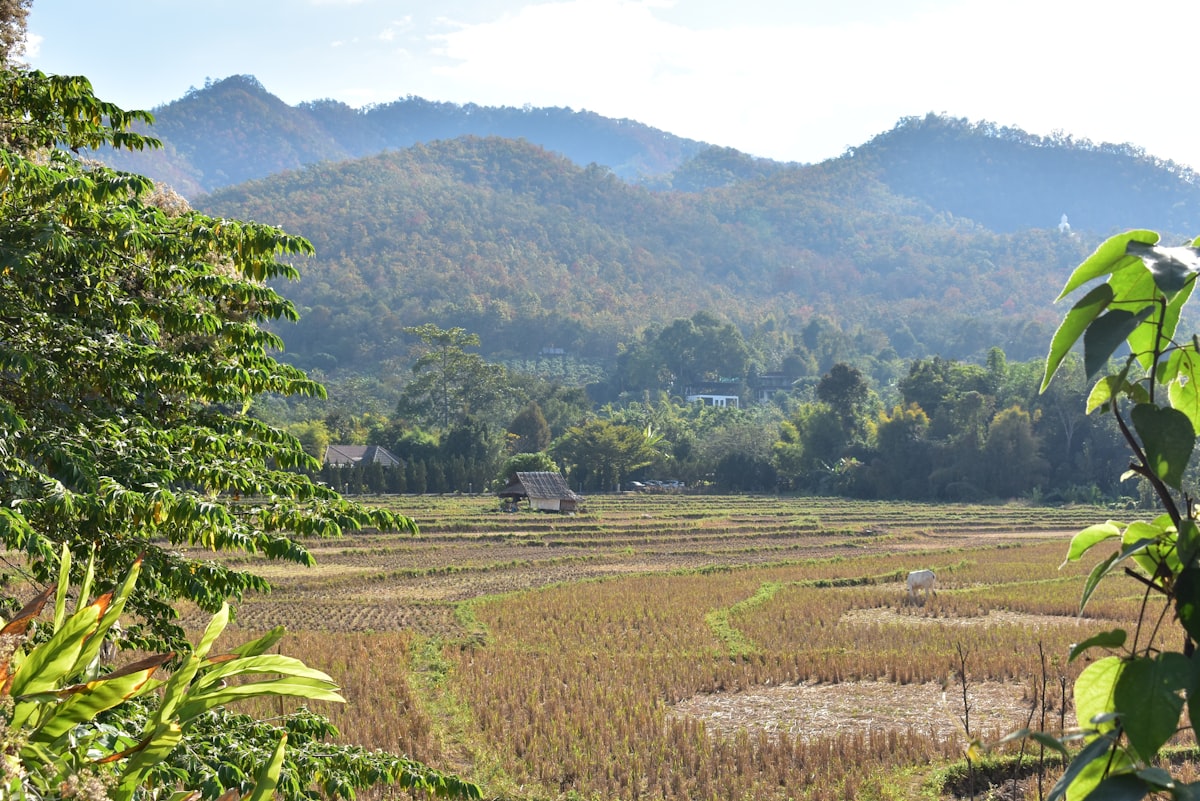
- ↑Only 15mm of rain all month: the valley mornings are wrapped in mist that burns off by mid-morning, leaving clear warm afternoons perfect for cycling to the bamboo bridge and rice paddies
- ↑Cool nights down to 10°C give Pai an unusually crisp highland atmosphere for Southeast Asia — bonfires at the guesthouses, sweaters after dark, and the hot springs feel exactly right
- ↑The bamboo bridge and Tha Pai Hot Springs are both at their best: the paddies are harvested and golden, and the hot springs are at maximum appeal in the cool air
What you sacrifice
- ↓Peak backpacker and digital nomad season: guesthouses book out and the Walking Street night market is at its most crowded — book accommodation at least two weeks ahead
- ↓Prices at their annual high across all categories: guesthouses, motorbike rentals, and guided treks all reflect peak demand
- ↓The road from Chiang Mai (762 curves) is at its most trafficked in January — minivans are booked up and the journey requires planning
Jan scores highest overall — reliable weather and strong local atmosphere. Set your priorities below to personalise this result.
Jan
Peak cool season — misty mornings, cold nights, and Pai at its most enchanting.
26°C
High
15mm
Rain
8h
Sun
- ↑Only 15mm of rain all month: the valley mornings are wrapped in mist that burns off by mid-morning, leaving clear warm afternoons perfect for cycling to the bamboo bridge and rice paddies
- ↑Cool nights down to 10°C give Pai an unusually crisp highland atmosphere for Southeast Asia — bonfires at the guesthouses, sweaters after dark, and the hot springs feel exactly right
- ↑The bamboo bridge and Tha Pai Hot Springs are both at their best: the paddies are harvested and golden, and the hot springs are at maximum appeal in the cool air
- ↓Peak backpacker and digital nomad season: guesthouses book out and the Walking Street night market is at its most crowded — book accommodation at least two weeks ahead
- ↓Prices at their annual high across all categories: guesthouses, motorbike rentals, and guided treks all reflect peak demand
- ↓The road from Chiang Mai (762 curves) is at its most trafficked in January — minivans are booked up and the journey requires planning
Top travel windows
★ BestJanuary
Best overall
Highest combined score
26°C
High
15mm
Rain
8h
Sun
June
Best for value
Lowest prices & fees
28°C
High
230mm
Rain
5h
Sun
June
Fewest crowds
Quietest month
28°C
High
230mm
Rain
5h
Sun
Breakdown by priority
Best for weather
January
26°C high · 15mm rain · 8hrs sun/day
Best for budget
June
Practically no international tourists: the cafés, yoga studios, and guesthouses of Pai operate for the small core of long-stay digital nomads and locals — the most local experience the town offers
Fewest crowds
June
Practically no international tourists: the cafés, yoga studios, and guesthouses of Pai operate for the small core of long-stay digital nomads and locals — the most local experience the town offers
Worst time to visit
July, August, September
270mm of rain — forced avoid threshold: sustained, heavy rain most days; Pai Canyon is closed to visitors after rain and trail conditions are dangerous throughout the month
Where to stay in Pai
All neighbourhoods →Pai Walking Street / Town Centre
The social heart of Pai — night market, live music bars, cafés, and all the guesthouses within walking distance of everything.
10/10
Central
9/10
Walk
6/10
Transit
Rice Paddy Valley / Hot Springs
The bamboo bridge across emerald paddies, thermal hot springs, and the best countryside cycling in the valley.
3/10
Central
3/10
Walk
2/10
Transit
Also exploring
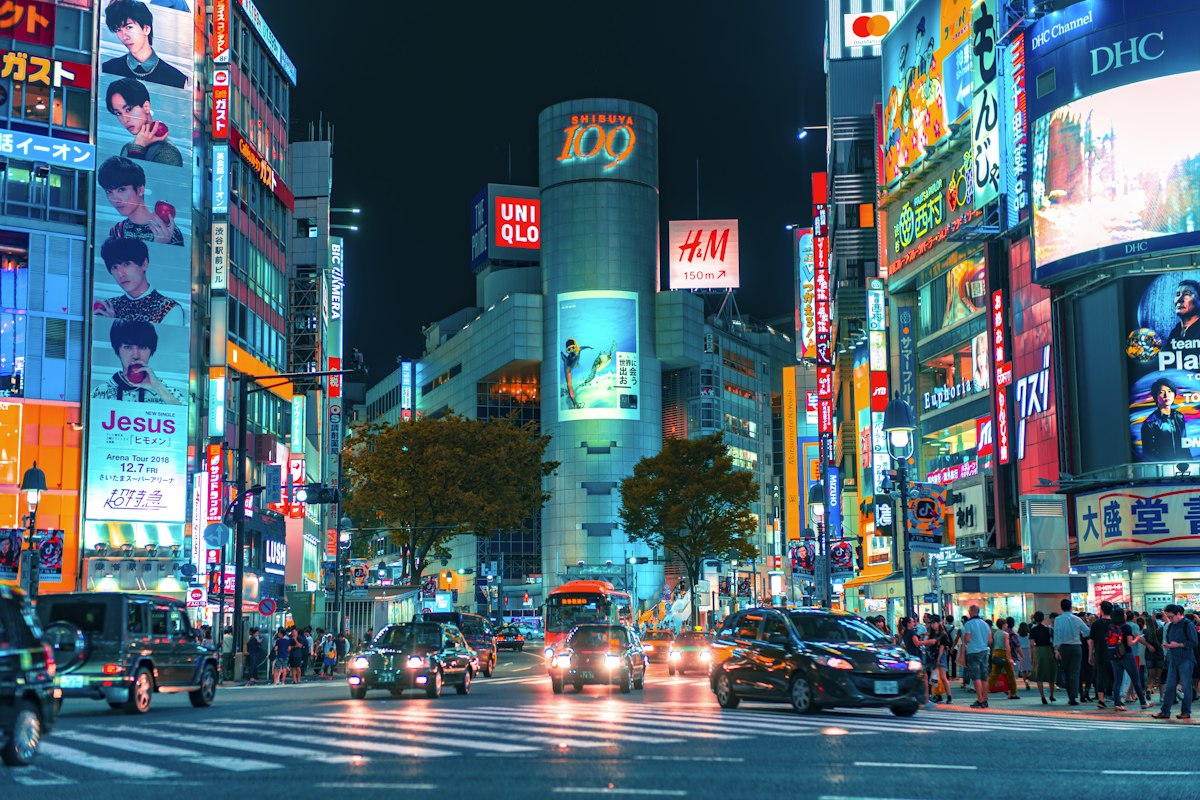
Tokyo
Japan
A city of dramatic seasonal contrasts — cherry blossom crowds, oppressive summer humidity, and golden autumn foliage — where the wrong timing can make or break the trip.
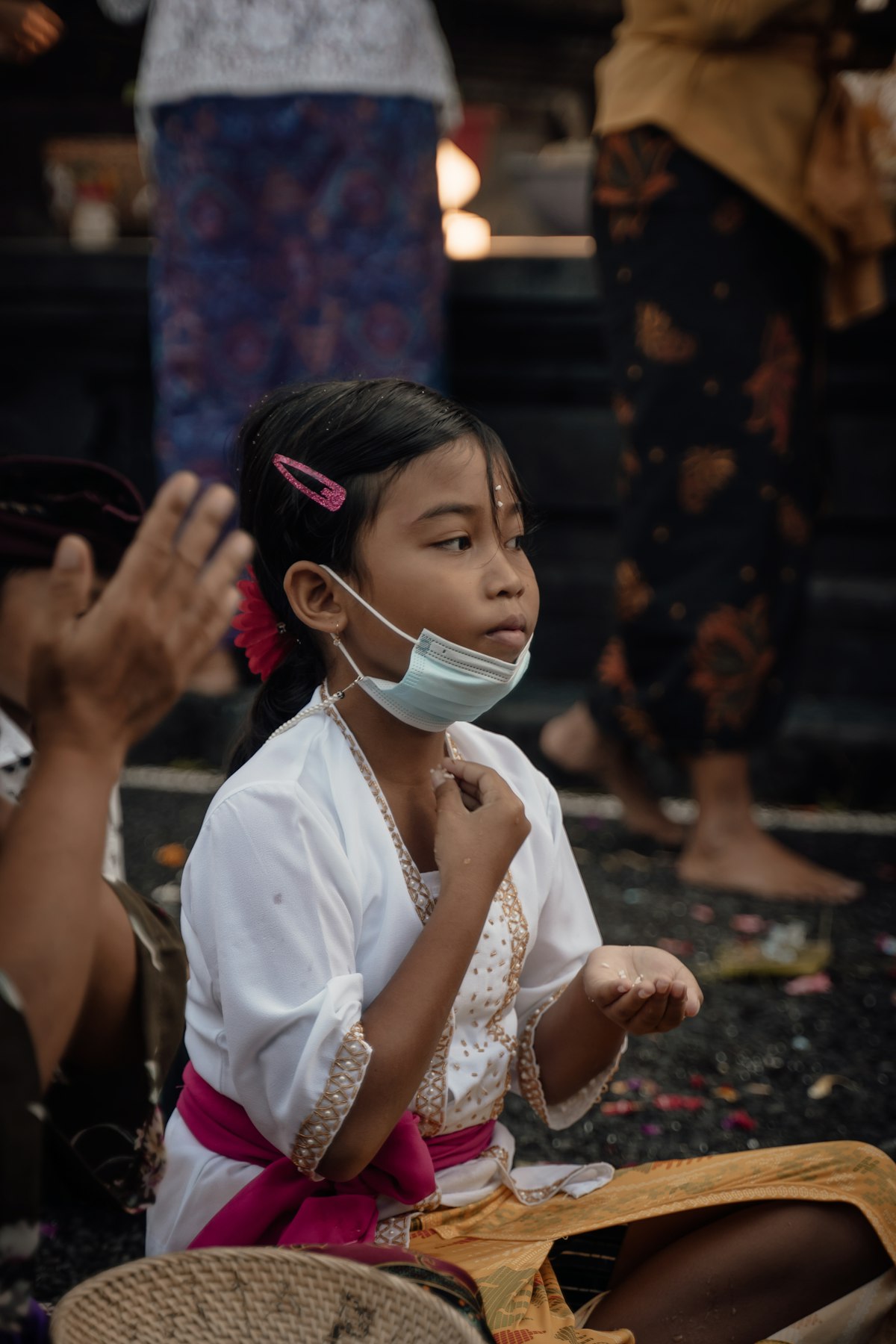
Bali
Indonesia
A Hindu island of rice terraces, temple ceremonies, and surf breaks where the monsoon makes timing genuinely binary — the difference between dry and wet season is not subtle.

Maldives
Maldives
A destination defined almost entirely by its monsoon calendar — the difference between the NE dry season (November–April) and SW wet season (May–October) is not subtle and shapes every aspect of the experience.
Month by month breakdown
January#1▾
Gains
- ↑Only 15mm of rain all month: the valley mornings are wrapped in mist that burns off by mid-morning, leaving clear warm afternoons perfect for cycling to the bamboo bridge and rice paddies
- ↑Cool nights down to 10°C give Pai an unusually crisp highland atmosphere for Southeast Asia — bonfires at the guesthouses, sweaters after dark, and the hot springs feel exactly right
- ↑The bamboo bridge and Tha Pai Hot Springs are both at their best: the paddies are harvested and golden, and the hot springs are at maximum appeal in the cool air
Sacrifices
- ↓Peak backpacker and digital nomad season: guesthouses book out and the Walking Street night market is at its most crowded — book accommodation at least two weeks ahead
- ↓Prices at their annual high across all categories: guesthouses, motorbike rentals, and guided treks all reflect peak demand
- ↓The road from Chiang Mai (762 curves) is at its most trafficked in January — minivans are booked up and the journey requires planning
February#5▾
Gains
- ↑Temperatures warm to 29°C with 9 hours of sunshine daily — warm enough for the waterfalls but cool enough for long hikes to Mae Yen and Mor Paeng without heat exhaustion
- ↑Crowds slightly lower than January: guesthouses still busy but more available, and the night market has its energy without January's peak crush
- ↑Chinese New Year falls in late January or February, bringing festivities to the Santichon Chinese village on the hills above Pai
Sacrifices
- ↓Northern Thailand haze season begins — burning of crop residue in the lowlands drifts up into the mountains and visibility can be reduced on some days
- ↓Still firmly peak season: prices remain elevated and the main guesthouses fill quickly at weekends
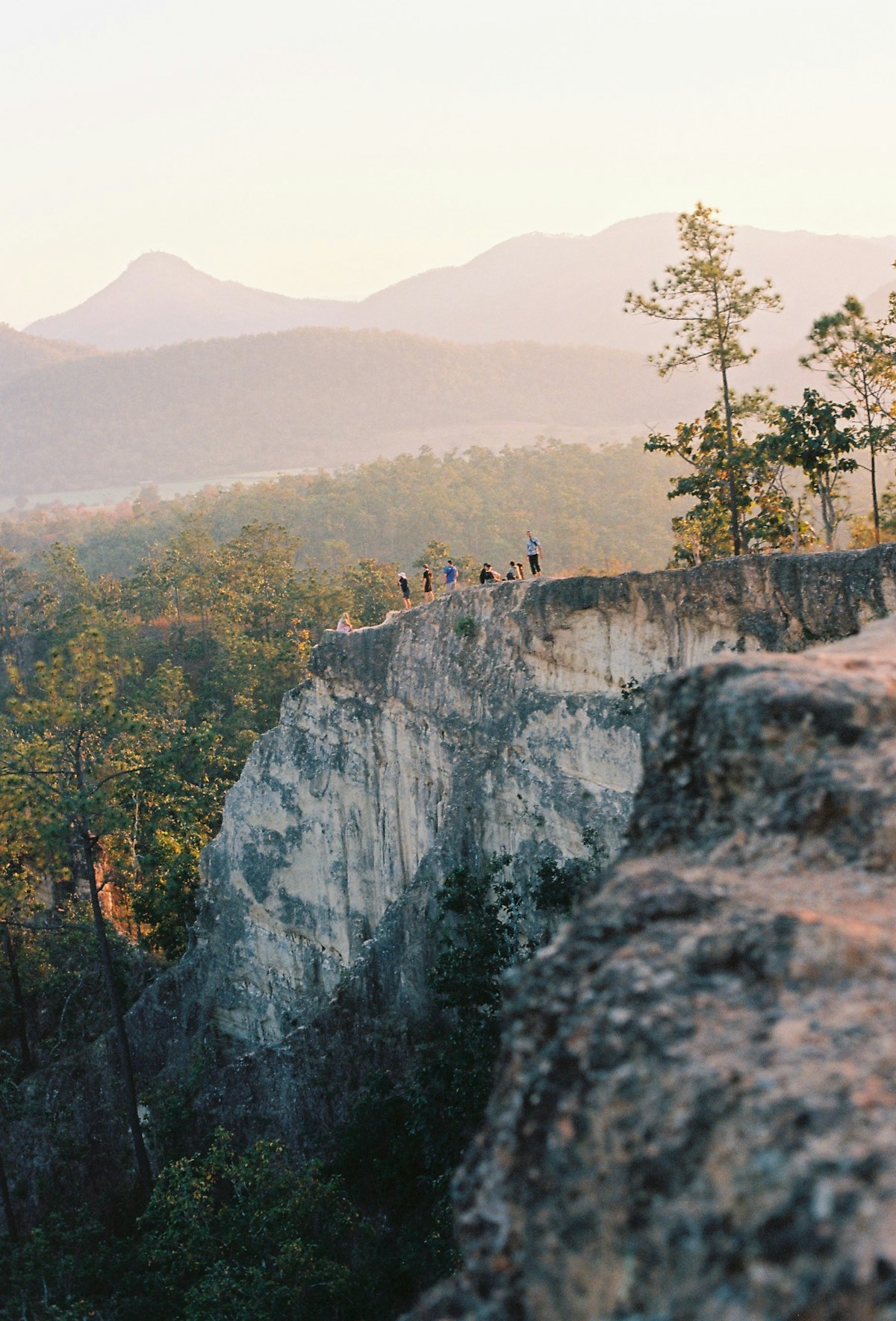
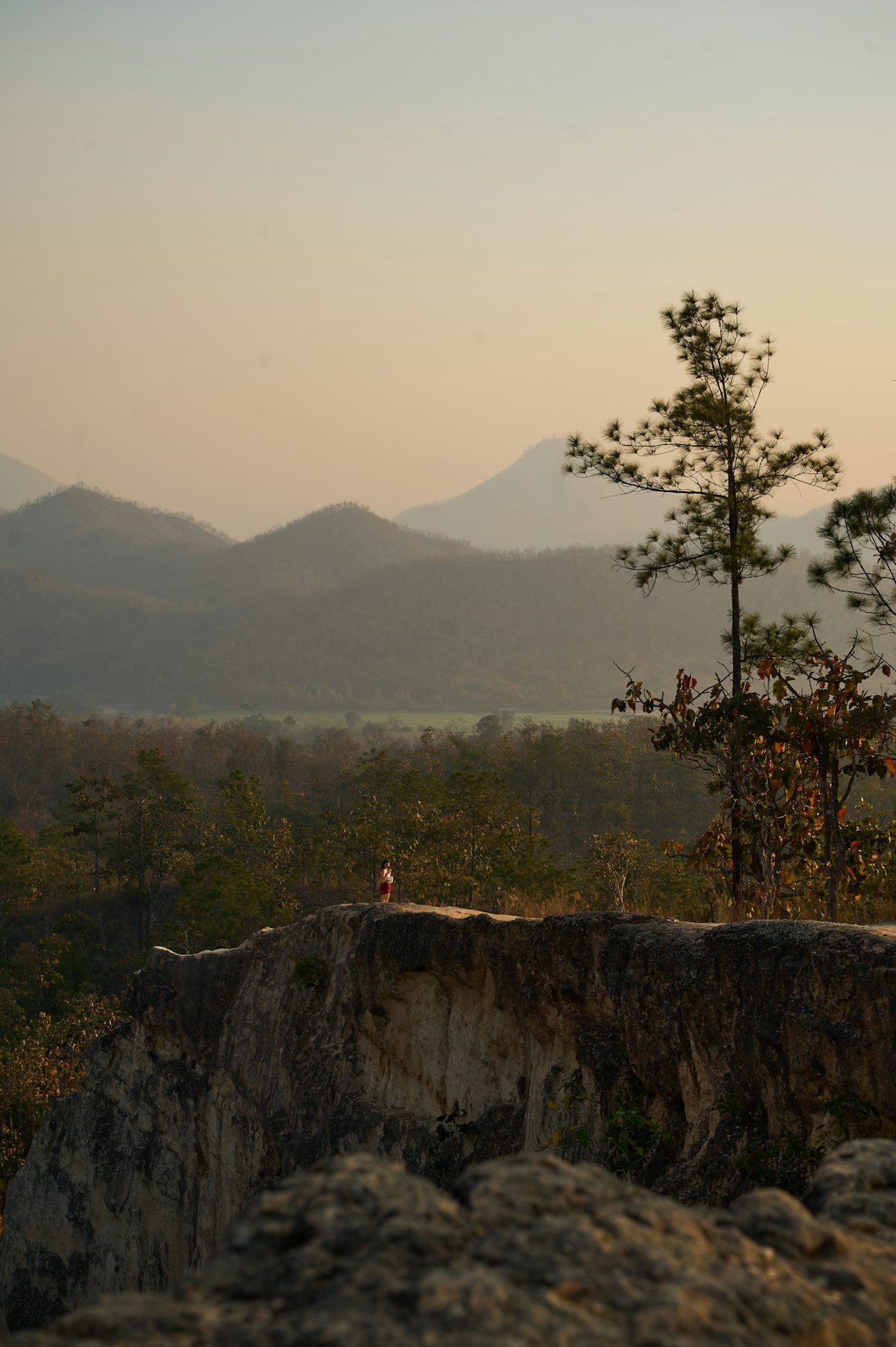
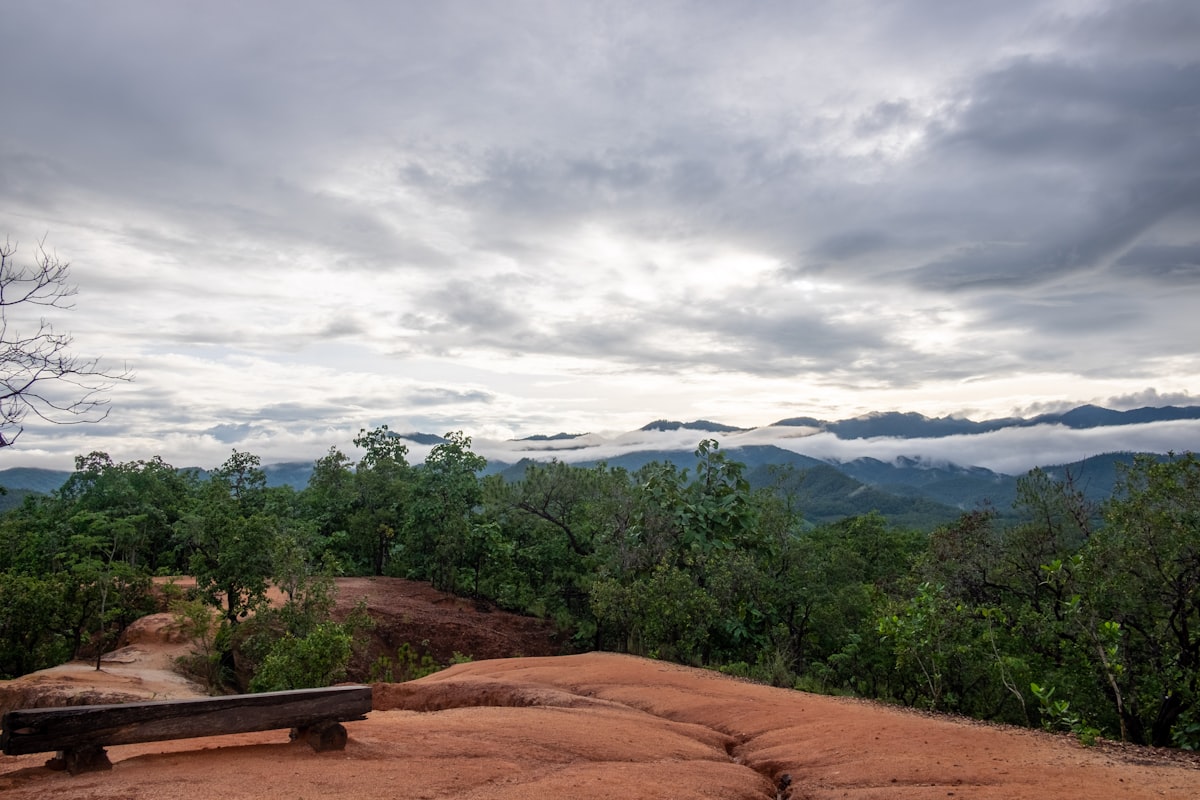
- ↓Haze dulls the panoramic views from Pai Canyon and the Santichon viewpoint — the valley is clearest in the early mornings before the haze builds
March#4▾
Gains
- ↑Tourist numbers drop as peak season ends: the Walking Street has its atmosphere without the January crush, and guesthouses have availability at short notice
- ↑Prices ease from peak levels — motorbike rentals, guesthouses, and guided treks all more affordable than January or February
- ↑Mae Yen waterfall hike and the Pai Canyon sunrise are still very much viable — heat manageable with early starts before 9am
Sacrifices
- ↓Heat builds to 34°C and northern Thailand's burning season peaks: smoke haze fills the valley, obscuring mountain views and degrading air quality on the worst days
- ↓Midday outdoor activity becomes genuinely taxing — waterfalls and canyon walks need to be done in the first half of the morning
- ↓The golden rice paddy vistas that define Pai's aesthetic are at their least photogenic: fields are dry and harvested, haze reduces the mountain backdrop
April#6▾
Gains
- ↑Songkran (13–15 April) is Thailand's water festival and Pai celebrates it with exuberant street-level water fights, music, and a communal energy that makes this one of the most joyful weeks in northern Thailand
- ↑The first rains of the season arrive in April, clearing the burning-season haze and restoring the mountain views for the first time since January
- ↑Prices still at shoulder level despite the festival week: outside of Songkran itself, April is good value compared to the peak cool season
Sacrifices
- ↓The hottest month of the year at 35°C — Pai's altitude moderates the heat slightly compared to Chiang Mai but midday is still taxing
- ↓Songkran week in any Thai town means getting comprehensively wet; not a month for those who want to stay dry on the streets
- ↓The roads are at their busiest during Songkran holiday as Thai domestic tourists travel — the minivan trip from Chiang Mai fills quickly
May#8▾
Gains
- ↑Cheapest month of the year: guesthouses drop to a fraction of peak-season rates and bargaining is expected — Pai becomes extremely affordable in May
- ↑The rice paddies are planted and vivid green, transforming the valley into the lush landscape that photographs so beautifully; the bamboo bridge is surrounded by emerald fields
- ↑Town is quiet and genuinely local: the cafés and bars of the Walking Street are running for residents rather than tourists, and everything moves at a more relaxed pace
Sacrifices
- ↓175mm of rain — exceeds the hard cap: expect sustained afternoon downpours most days that interrupt outdoor plans; the canyon and waterfall trails can become muddy and slippery
- ↓The Pai to Chiang Mai road becomes slow and occasionally disrupted by heavy rain washing debris onto the curves; the journey is not always comfortable
- ↓Several guesthouses and tour operators scale back operations significantly in May; options are reduced
June#7▾
Gains
- ↑Practically no international tourists: the cafés, yoga studios, and guesthouses of Pai operate for the small core of long-stay digital nomads and locals — the most local experience the town offers
- ↑Budget accommodation is at its floor — extended stay rates available at even the nicest wooden guesthouses
- ↑The valley is at its most verdant and dramatic: waterfalls running at full force, rice paddies a vivid green against the cloud-shrouded mountains
Sacrifices
- ↓230mm of rain — exceeds the hard cap: heavy daily rain makes outdoor sightseeing very difficult; Pai Canyon trails are unsafe when wet and the Mae Yen waterfall hike requires care
- ↓Grey skies and persistent cloud reduce the visual drama of the mountain scenery that defines Pai's appeal; photography is difficult
- ↓Humidity at 82% combined with the heat makes the town feel heavy and close; this is not comfortable tropical weather
July#10▾
Gains
- ↑The cheapest and quietest time in Pai's calendar: for those working remotely or seeking pure solitude, the valley is effectively private
- ↑A handful of waterfall hikes remain open in the morning windows between rain — local guides can advise on which are passable
- ↑The rice paddies at their absolute most lush and green; the valley landscape from guesthouse balconies is spectacular when rain clears
Sacrifices
- ↓270mm of rain — forced avoid threshold: sustained, heavy rain most days; Pai Canyon is closed to visitors after rain and trail conditions are dangerous throughout the month
- ↓Flash flooding risk on the road between Chiang Mai and Pai; travel disruption is common in heavy rain years and the 762-curve road can close temporarily
- ↓The majority of the outdoor experiences that make Pai worth visiting — the canyon, the hot springs, cycling the paddy roads — are severely curtailed
August#11▾
Gains
- ↑Absolute minimum prices and minimum crowds — for long-stay visitors who can work indoors, this is the most economical month by far
- ↑The dramatic river and waterfall landscape peaks in August: streams that barely exist in the dry season are now full torrents visible from the main roads
- ↑A small community of long-term residents keeps the core cafés and food stalls open — a genuine local Pai experience for those who seek it
Sacrifices
- ↓295mm of rain — forced avoid threshold: the heaviest month of the year; outdoor activities are severely restricted and conditions on hiking trails are dangerous
- ↓Humidity at 87% and only 4 hours of daily sunshine make this the most physically uncomfortable month in Pai's calendar
- ↓Road conditions between Chiang Mai and Pai can become challenging or intermittently impassable; travel planning must build in flexibility
September#12▾
Gains
- ↑The paddy landscape is at peak lushness and the end of the growing season approaches; a genuine seasonal rhythm for those who track the agricultural calendar
- ↑Lowest prices across the board — extended stays negotiated directly with guesthouse owners are the best value in Pai's year
- ↑A sense of place that is impossible in high season: the town is quiet, authentic, and entirely off the tourist circuit
Sacrifices
- ↓290mm of rain — forced avoid threshold: conditions remain very similar to August; trail and canyon access is restricted and roads can be compromised
- ↓The cool season's mist-wrapped mornings and clear sunny afternoons are weeks away — the valley still sits under heavy cloud for most of the month
- ↓Limited services and tour options continue from the deep monsoon months; many operators remain on reduced schedules
October#9▾
Gains
- ↑Sunshine increases to 5.5 hours daily and temperatures ease slightly as the cool season approaches — the valley begins to recover its visual drama between rain events
- ↑The rice paddies are at their lushest before harvest: the bamboo bridge walk offers the classic Pai view in full technicolour green against clearing mountain backdrops
- ↑Prices are still at the low end of the scale and crowds are minimal — excellent value for those willing to work around the rain
Sacrifices
- ↓200mm of rain still exceeds the hard cap: heavy rain events continue into October though the worst of the monsoon is usually over by mid-month
- ↓Pai Canyon remains risky after rain until the paths fully dry; check trail conditions locally before attempting the narrow ridgeline walks
- ↓Cool-season guesthouse rates and availability haven't yet shifted; tourist infrastructure still operating at reduced monsoon capacity
November#3▾
Gains
- ↑The season turns decisively in November: mist appears on the valley floor each morning, temperatures drop to 14°C at night, and the atmosphere that defines cool-season Pai begins to reassert itself
- ↑Loy Krathong (full moon, usually November) is celebrated in Pai with floating lanterns on the river and hot-air balloons — one of the most visually beautiful festivals in northern Thailand
- ↑The rice harvest is complete: the paddies are golden and the countryside cycling routes around the bamboo bridge are at their most classic
Sacrifices
- ↓The first wave of cool-season visitors arrives from mid-November and prices begin their climb from the monsoon floor toward peak-season rates
- ↓Some November mornings are overcast with post-monsoon cloud rather than the crisp mist of January; the perfect cool-season conditions take a few more weeks to fully establish
- ↓Guesthouses fill faster from Loy Krathong weekend onward — advance booking advisable for the full moon period
December#2▾
Gains
- ↑The best conditions of the year: 25°C days, 11°C nights, only 15mm of rain, and the valley consistently clear — every sunrise from the ridge reveals mountains and mist; every evening ends by a fire
- ↑The Walking Street night market is at full capacity and the cafés, bars, and music venues on the main road operate every night; the town's social scene peaks in December
- ↑Tha Pai Hot Springs are at their most pleasurable in the cold: the thermal pools feel luxurious at night when the air temperature drops below 15°C
Sacrifices
- ↓The busiest month of the year: popular guesthouses book out weeks ahead, the bamboo bridge and canyon viewpoint are crowded at sunrise, and the night market is dense with visitors
- ↓Christmas and New Year push prices to their annual maximum — this is Pai at its most expensive
- ↓The road from Chiang Mai is at maximum demand: book minivan seats ahead and expect queues at the departure points
How this is calculated
Climate data
Open Meteo ERA5
30-year normals (1991–2020). Temperature, rainfall, sunshine, humidity.
Price & crowd
Tourism research
Seasonal pricing from tourism authority data. Directional — compares months within a destination only.
Personalisation
Weighted scoring
Your priorities change the weights. Budget-first users get different results than weather-first users.
Share this result
January is the best time to visit Pai
Travel timing updates
New destinations and timing guides, when they land.
No spam. Unsubscribe anytime.