Showing: Apr · Unsplash / Unsplash
Japan · East Asia
Best time to visit Nara
April
Apr scores highest overall — reliable weather and strong local atmosphere. Set your priorities below to personalise this result.
What matters most to you?
All 12 months — click any to expand
Apr
Unsplash / Unsplash
Japan's single most beautiful month — cherry blossoms, perfect temperatures, but absolute peak crowds.
21°C
High
10°C
Low
104mm
Rain
6.3h
Sun/day
What you gain
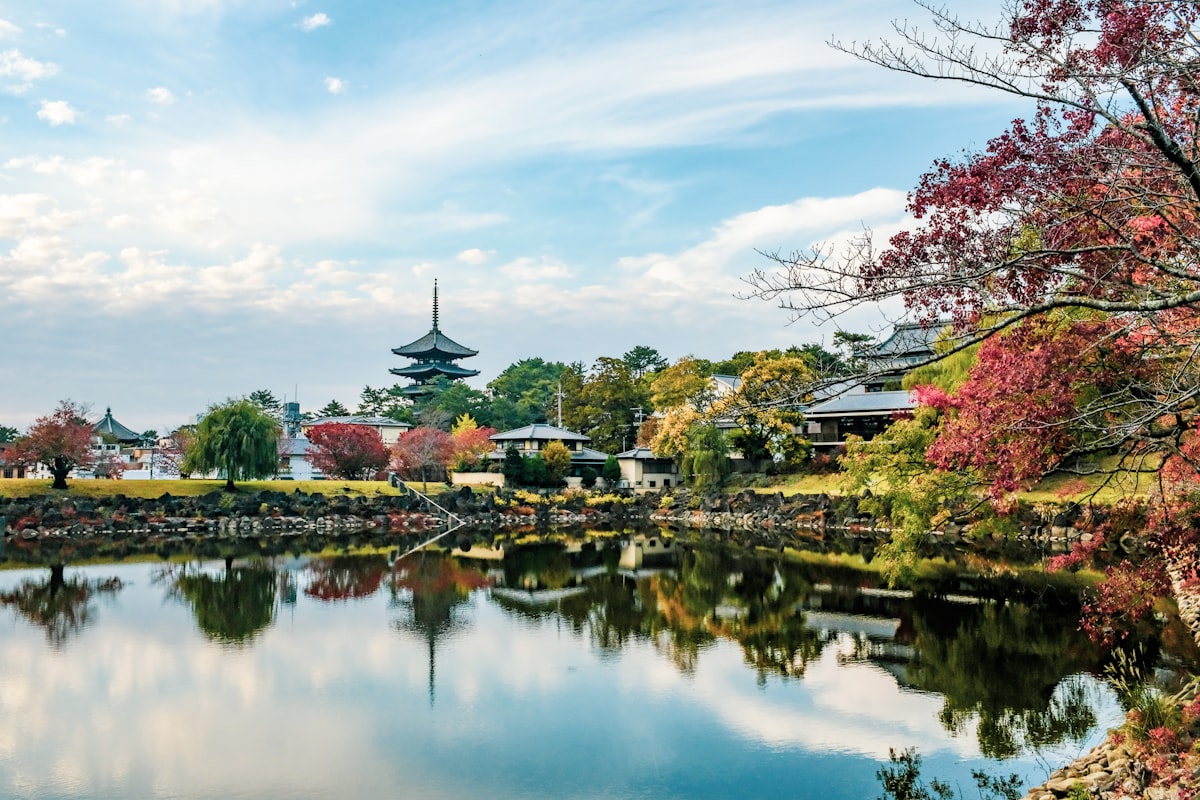
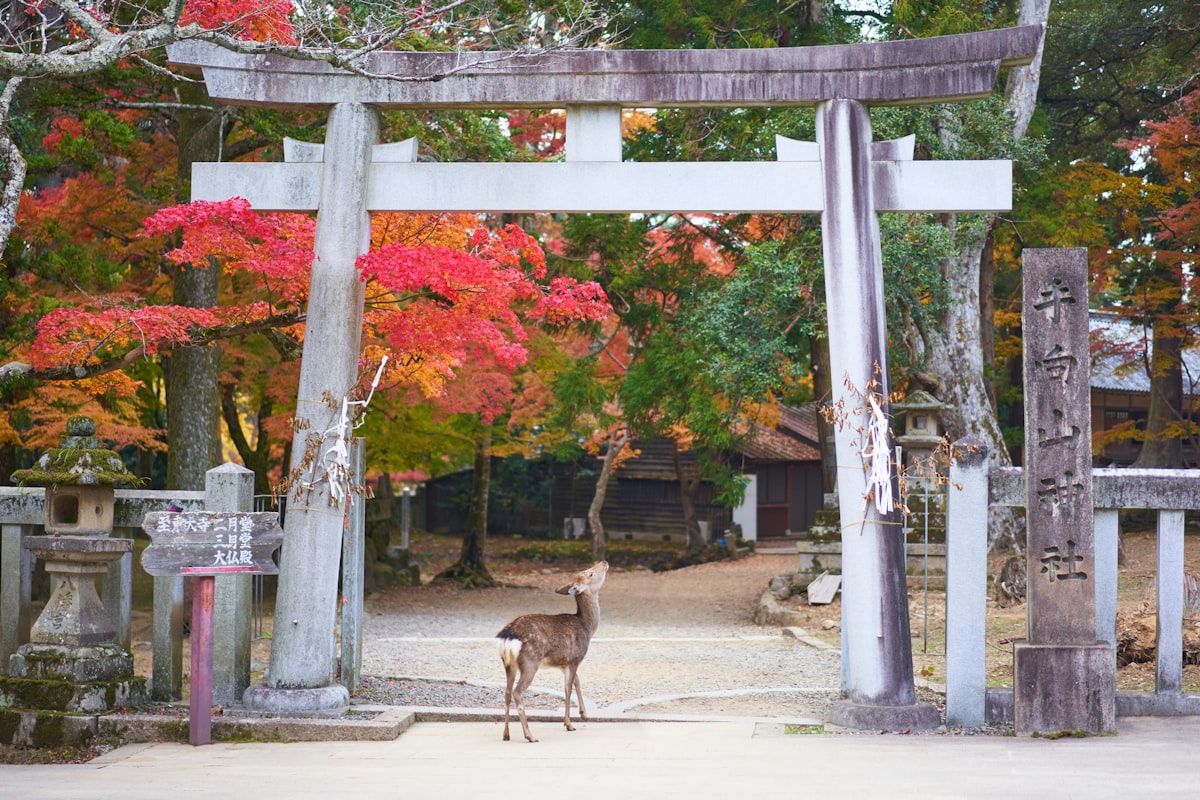
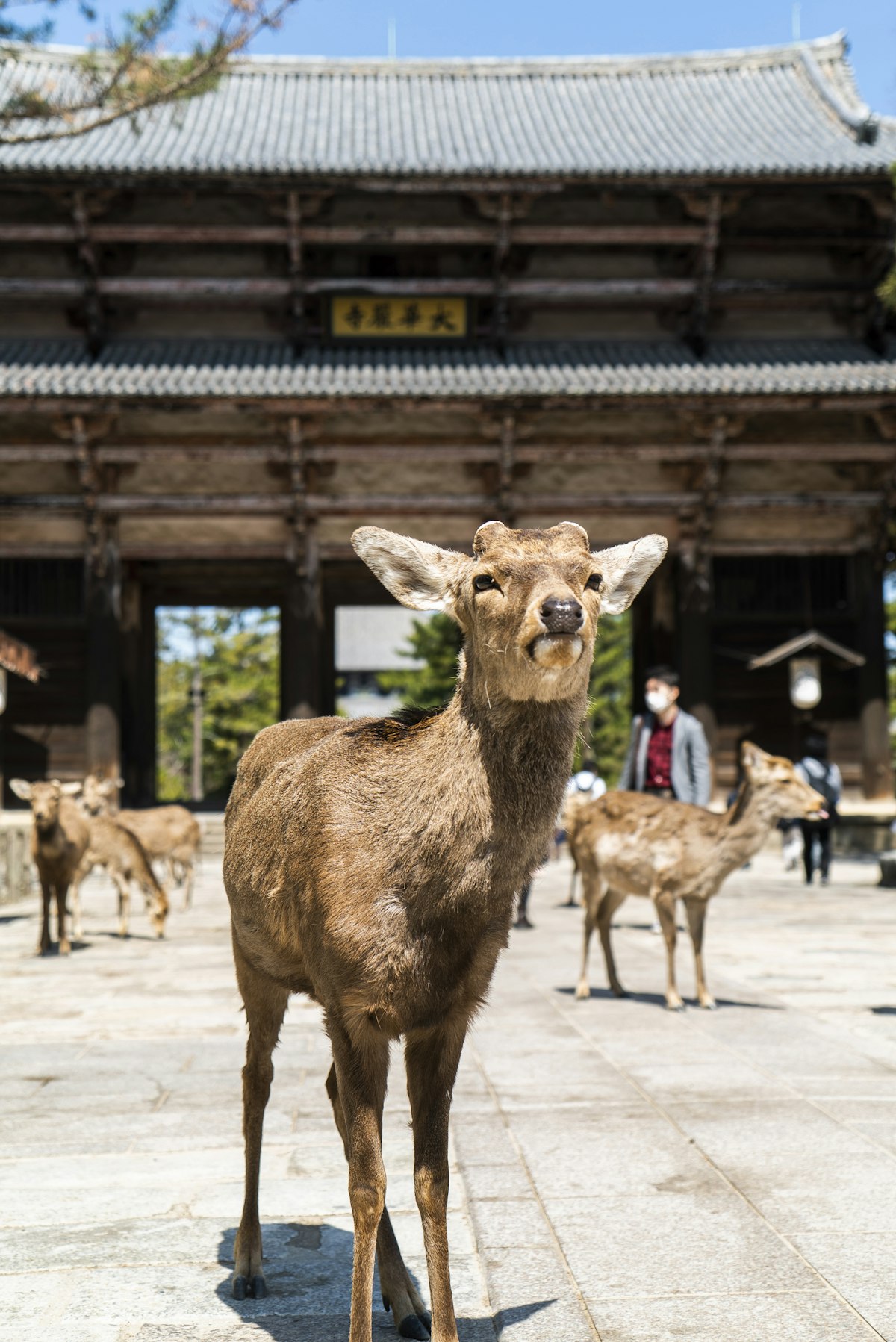
- ↑Full cherry blossom peak (early April): Nara Park's thousand trees in bloom with deer beneath is genuinely world-class
- ↑Temperatures ideal: 21°C highs and mild evenings — perfect walking conditions all day
- ↑Deer fawn season begins late April: very young calves appear in the park, an unmissable sight
What you sacrifice
- ↓Busiest month of the year: Nara receives enormous day-trip crowds from Kyoto and Osaka simultaneously
- ↓Accommodation prices at their peak; availability extremely limited without advance booking
- ↓Queues at Todai-ji exceed 60 minutes in the first two weeks of April
Apr scores highest overall — reliable weather and strong local atmosphere. Set your priorities below to personalise this result.
Apr
Japan's single most beautiful month — cherry blossoms, perfect temperatures, but absolute peak crowds.
21°C
High
104mm
Rain
6.3h
Sun
- ↑Full cherry blossom peak (early April): Nara Park's thousand trees in bloom with deer beneath is genuinely world-class
- ↑Temperatures ideal: 21°C highs and mild evenings — perfect walking conditions all day
- ↑Deer fawn season begins late April: very young calves appear in the park, an unmissable sight
- ↓Busiest month of the year: Nara receives enormous day-trip crowds from Kyoto and Osaka simultaneously
- ↓Accommodation prices at their peak; availability extremely limited without advance booking
- ↓Queues at Todai-ji exceed 60 minutes in the first two weeks of April
Top travel windows
★ BestApril
Best overall
Highest combined score
21°C
High
104mm
Rain
6.3h
Sun
February
Best for value
Lowest prices & fees
10.8°C
High
55mm
Rain
5.4h
Sun
February
Fewest crowds
Quietest month
10.8°C
High
55mm
Rain
5.4h
Sun
Breakdown by priority
Best for weather
April
21°C high · 104mm rain · 6.3hrs sun/day
Best for budget
February
Hotel rates still at winter lows: good availability throughout Nara and Kintetsu Nara area
Fewest crowds
February
Plum blossoms appear at Kasuga Taisha's garden from mid-February — understated beauty before cherry chaos
Where to stay in Nara
All neighbourhoods →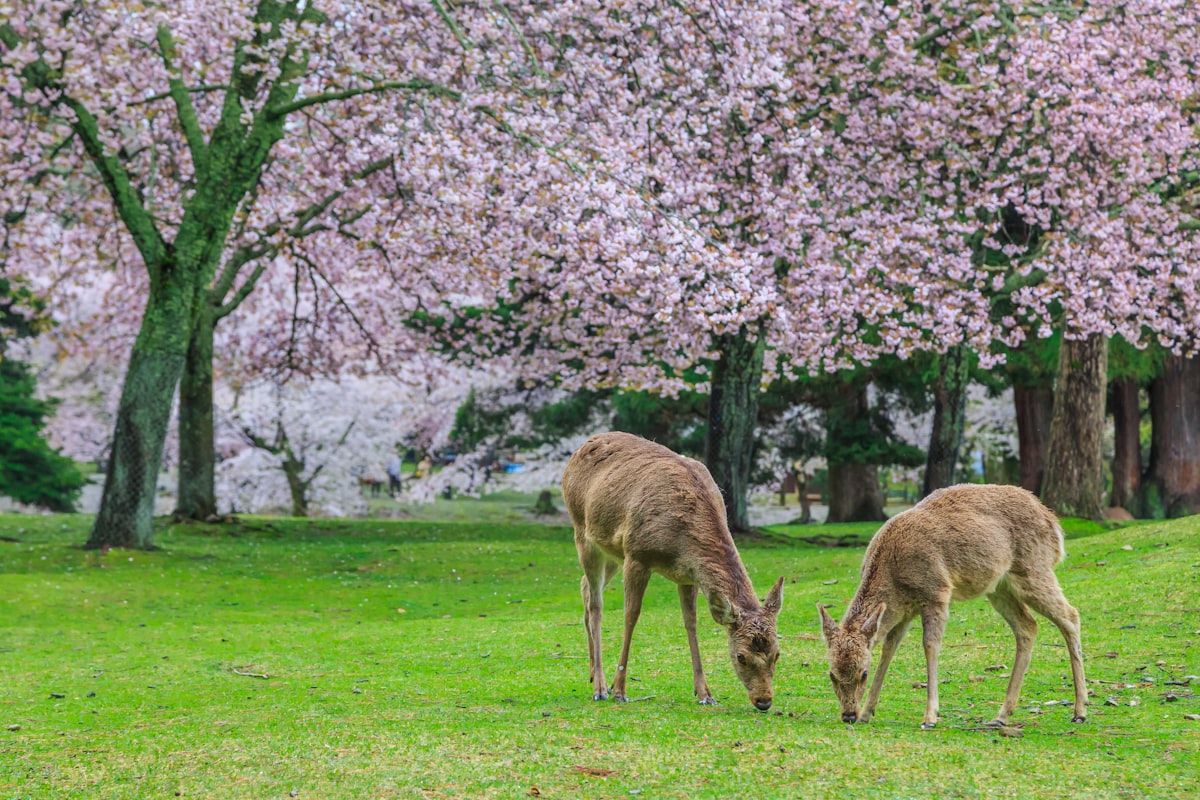
Nara Park & Higashimuki
The deer park, Todai-ji, and the tourist core — Nara's reason for existing as a destination.
10/10
Central
9/10
Walk
8/10
Transit
Kintetsu Nara Station Area
Nara's transit hub and accommodation centre — convenient, practical, and the best base for early starts.
8/10
Central
8/10
Walk
10/10
Transit
Also exploring
Tokyo
Japan
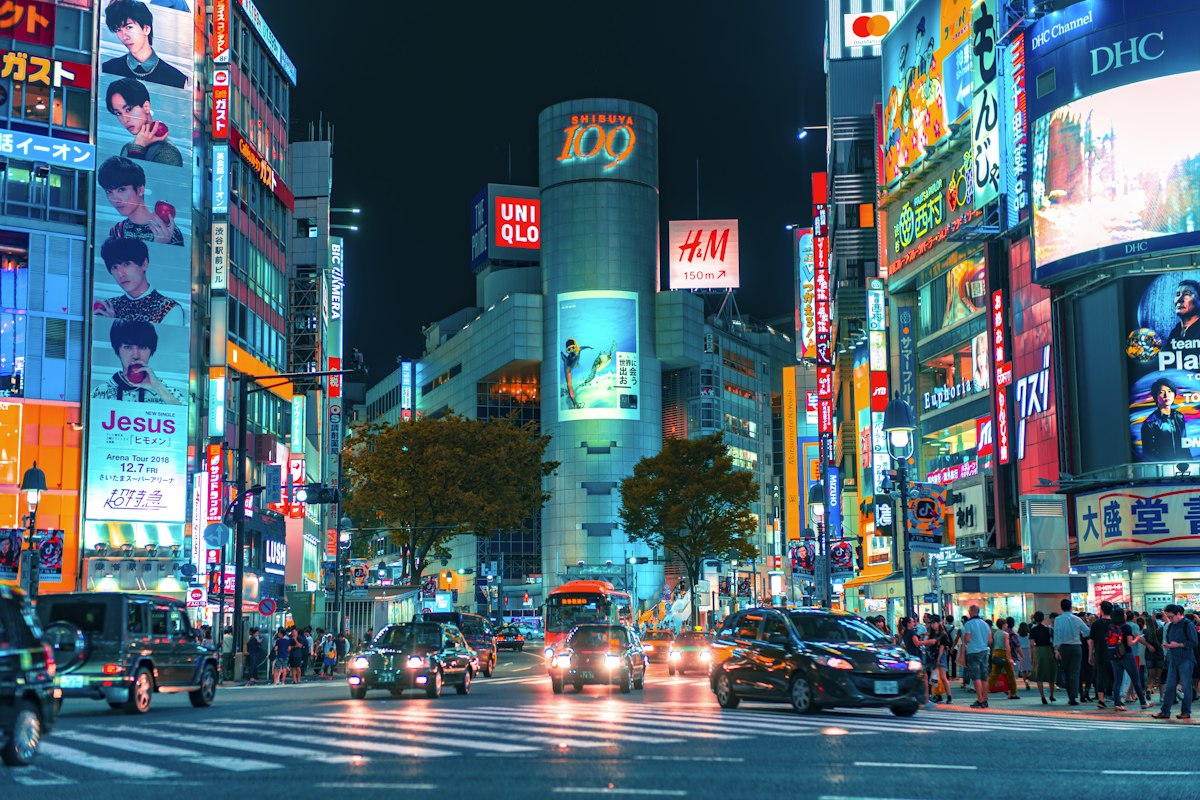
A city of dramatic seasonal contrasts — cherry blossom crowds, oppressive summer humidity, and golden autumn foliage — where the wrong timing can make or break the trip.
Bali
Indonesia
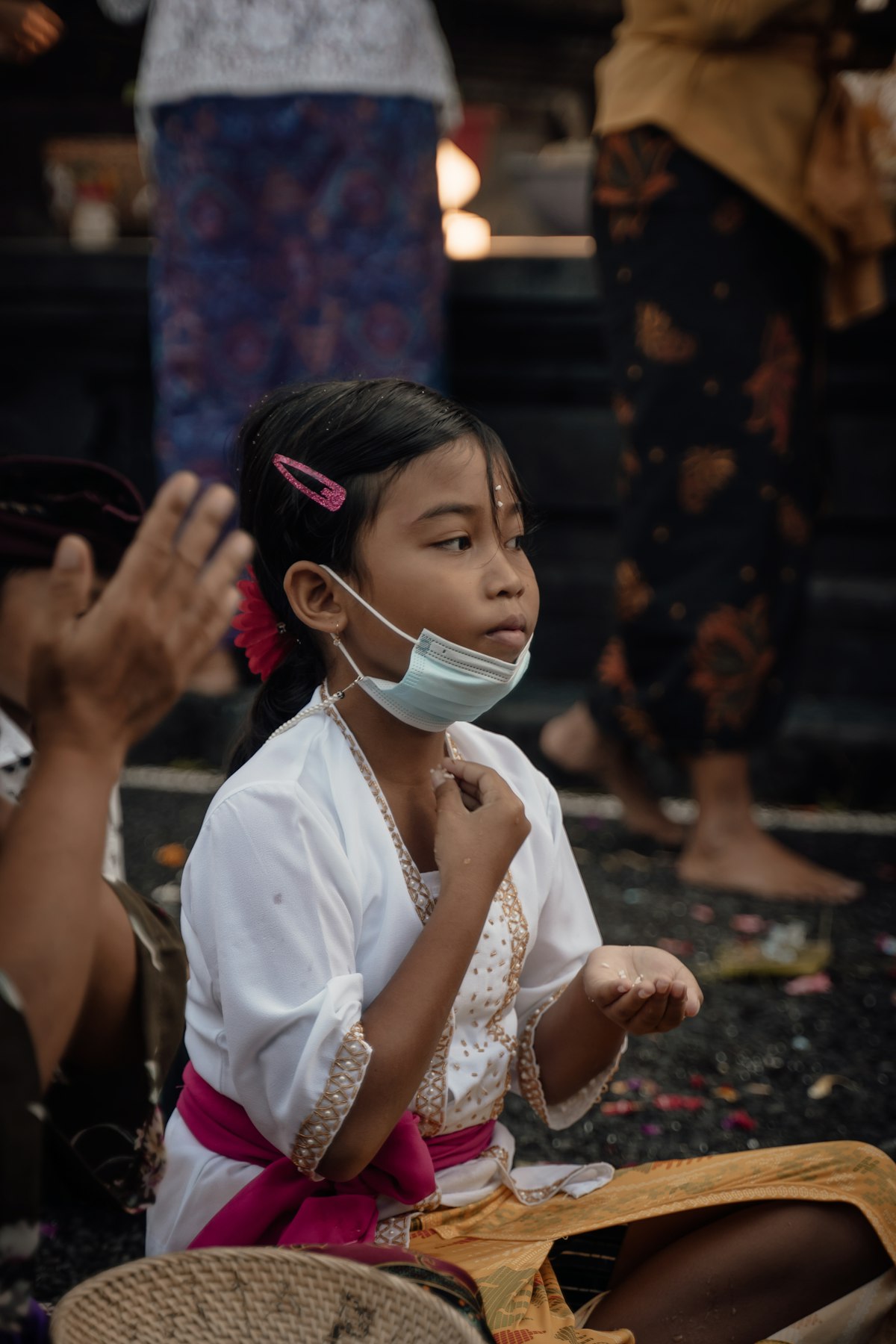
A Hindu island of rice terraces, temple ceremonies, and surf breaks where the monsoon makes timing genuinely binary — the difference between dry and wet season is not subtle.

Maldives
Maldives
A destination defined almost entirely by its monsoon calendar — the difference between the NE dry season (November–April) and SW wet season (May–October) is not subtle and shapes every aspect of the experience.
Month by month breakdown
January#7▾
Gains
- ↑Nara Park at its least crowded: deer approach without competing for tourists' attention
- ↑Kasuga Grand Shrine lantern festival (3 Jan) — one of the most atmospheric Shinto events of the year
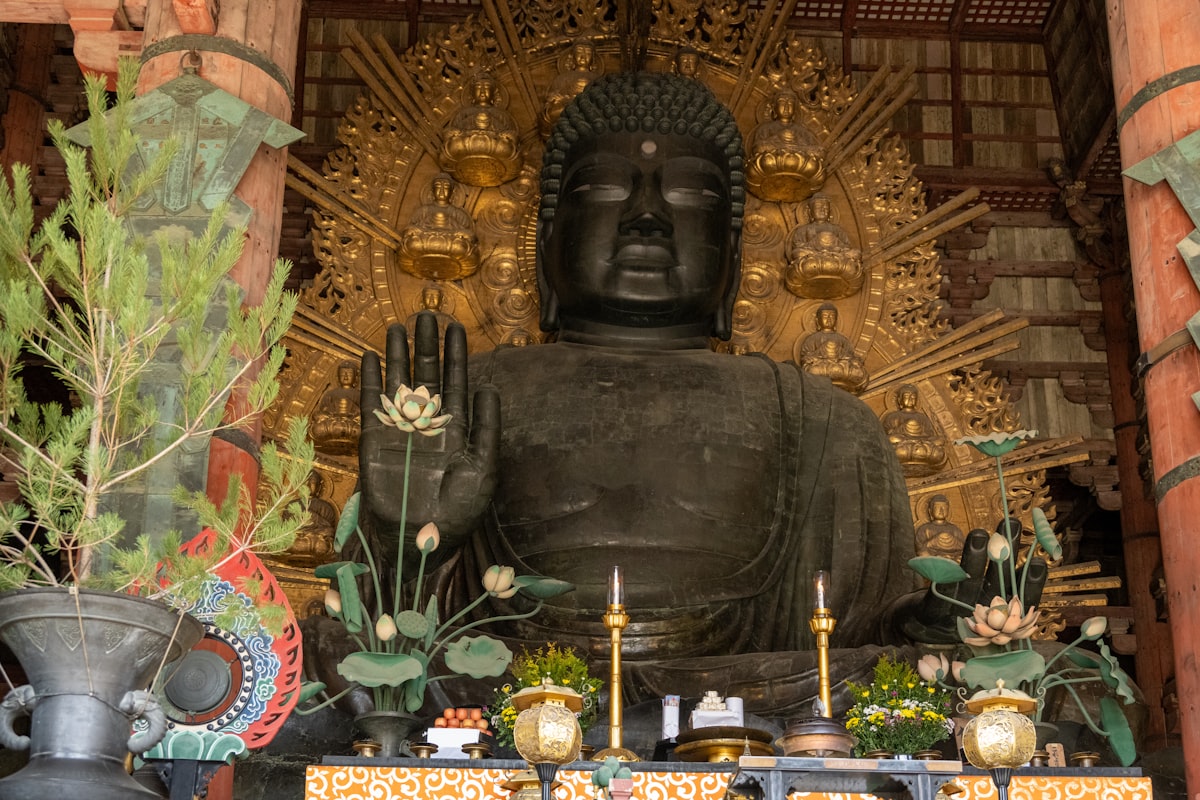
- ↑Winter light is crisp and clear; Todai-ji's Buddha is best photographed in this low-crowd season
Sacrifices
- ↓Cold by Kansai standards: 9°C highs and sub-zero nights require serious layering
- ↓Some gardens and outdoor cafés closed or reduced hours until spring
- ↓Shorter daylight hours limit the time available for exploring Naramachi on foot
February#6▾
Gains
- ↑Plum blossoms appear at Kasuga Taisha's garden from mid-February — understated beauty before cherry chaos
- ↑Deer shed their winter coats, making for more photogenic encounters in the park
- ↑Hotel rates still at winter lows: good availability throughout Nara and Kintetsu Nara area
Sacrifices
- ↓Still cold: temperatures rarely exceed 11°C and overnight frost is possible
- ↓February rainfall can be higher than January — pack waterproofs
- ↓The Wakakusa-yama grass fire ceremony (late January or early February) may have already passed
March#4▾
Gains
- ↑Cherry blossoms along Nara Park's central paths from late March: one of Japan's most dramatic settings
- ↑Comfortable temperatures for walking: 15°C is ideal for deer-spotting circuits of the park
- ↑Omizutori ceremony at Todai-ji's Nigatsu-do (1–14 March): ancient fire ritual, tourist numbers still manageable
Sacrifices
- ↓Blossom timing is unpredictable: peak can shift a week either way depending on the year
- ↓Accommodation books out early — March is one of the hardest months to find last-minute rooms in Nara
- ↓Crowds intensify sharply in the second half of the month as blossoms open
April#1▾
Gains
- ↑Full cherry blossom peak (early April): Nara Park's thousand trees in bloom with deer beneath is genuinely world-class
- ↑Temperatures ideal: 21°C highs and mild evenings — perfect walking conditions all day
- ↑Deer fawn season begins late April: very young calves appear in the park, an unmissable sight
Sacrifices
- ↓Busiest month of the year: Nara receives enormous day-trip crowds from Kyoto and Osaka simultaneously
- ↓Accommodation prices at their peak; availability extremely limited without advance booking
- ↓Queues at Todai-ji exceed 60 minutes in the first two weeks of April
May#5▾
Gains
- ↑Fawn season peak: young deer calves visible throughout Nara Park from early May
- ↑Lush green foliage replaces blossoms — excellent photography light in morning and evening
- ↑Temperatures warm but not yet oppressive: ideal for all-day exploration
Sacrifices
- ↓Golden Week (late April–early May): holiday crowds rival April blossom season in density
- ↓Rainfall increasing: 128mm means regular afternoon showers requiring flexible planning
- ↓Humidity beginning to climb — a prelude to the muggy summer ahead
June#10▾
Gains
- ↑Prices noticeably lower than spring peak; last-minute availability returns
- ↑Hydrangeas bloom around Kasuga Shrine's wooded approach — the rainy season has its own beauty
- ↑Fewer international tourists: the site is predominantly domestic visitors
Sacrifices
- ↓Rainy season (tsuyu): 148mm with persistent grey skies and high humidity — outdoor comfort severely reduced
- ↓30°C with 74% humidity makes midday walking genuinely draining
- ↓Nara's famous deer are less active in the heat, sheltering in wooded areas
July#11▾
Gains
- ↑Kasuga Mantoro lantern festival (usually mid-July): 3,000 bronze and stone lanterns lit at dusk — exceptional atmosphere
- ↑Rainy season ends mid-July: the second half has more sunshine
- ↑Domestic summer holiday crowds haven't built yet in early July
Sacrifices
- ↓34°C with persistent humidity: midday outdoor sightseeing requires serious heat management
- ↓Deer retreat to shade and become less approachable; morning and evening are the only viable deer-spotting windows
- ↓School summer holidays bring domestic family crowds from late July
August#12▾
Gains
- ↑Nara Tokae lantern festival (mid-August): 7,000 candles illuminate the park's pathways over two evenings — Nara's most magical annual event
- ↑Obon festival transforms Naramachi with traditional atmosphere and local food stalls
- ↑The park's deer are most active at dawn and dusk — early morning visits reward the effort
Sacrifices
- ↓Hottest month: 35°C+ with high humidity — the most physically demanding conditions of the year
- ↓Peak domestic tourism: trains from Kyoto and Osaka standing-room only on weekends
- ↓Accommodation prices highest of the summer period
September#9▾
Gains
- ↑Crowds drop sharply after Obon: the park is noticeably quieter than August
- ↑Deer antler-cutting ceremony (Shika no Tsunokiri) held in October is just ahead — deer antlers growing visibly
- ↑Temperatures gradually easing from August extremes — the worst of the heat is behind
Sacrifices
- ↓155mm of rain — the wettest month of the year: typhoon season brings heavy, unpredictable rainfall
- ↓Still 30°C+ in early September: the post-Obon drop in crowds is not matched by a drop in heat
- ↓Grey skies through much of the month make outdoor photography frustrating
October#2▾
Gains
- ↑Shika no Tsunokiri (deer antler-cutting ceremony, early October): ancient Shinto ritual at Kasugayama primeval forest — one of Japan's most distinctive cultural events
- ↑Early autumn foliage begins on Wakakusa-yama hillside; the grass turns golden
- ↑Comfortable 23°C temperatures ideal for walking the full temple circuit including Horyu-ji
Sacrifices
- ↓Crowds rebuilding toward November peak: October is no longer a quiet month
- ↓Autumn foliage doesn't peak until early November — October visitors get the prelude but not the full show
- ↓Weekend day-trippers from Osaka and Kyoto fill Nara Park paths by mid-morning
November#3▾
Gains
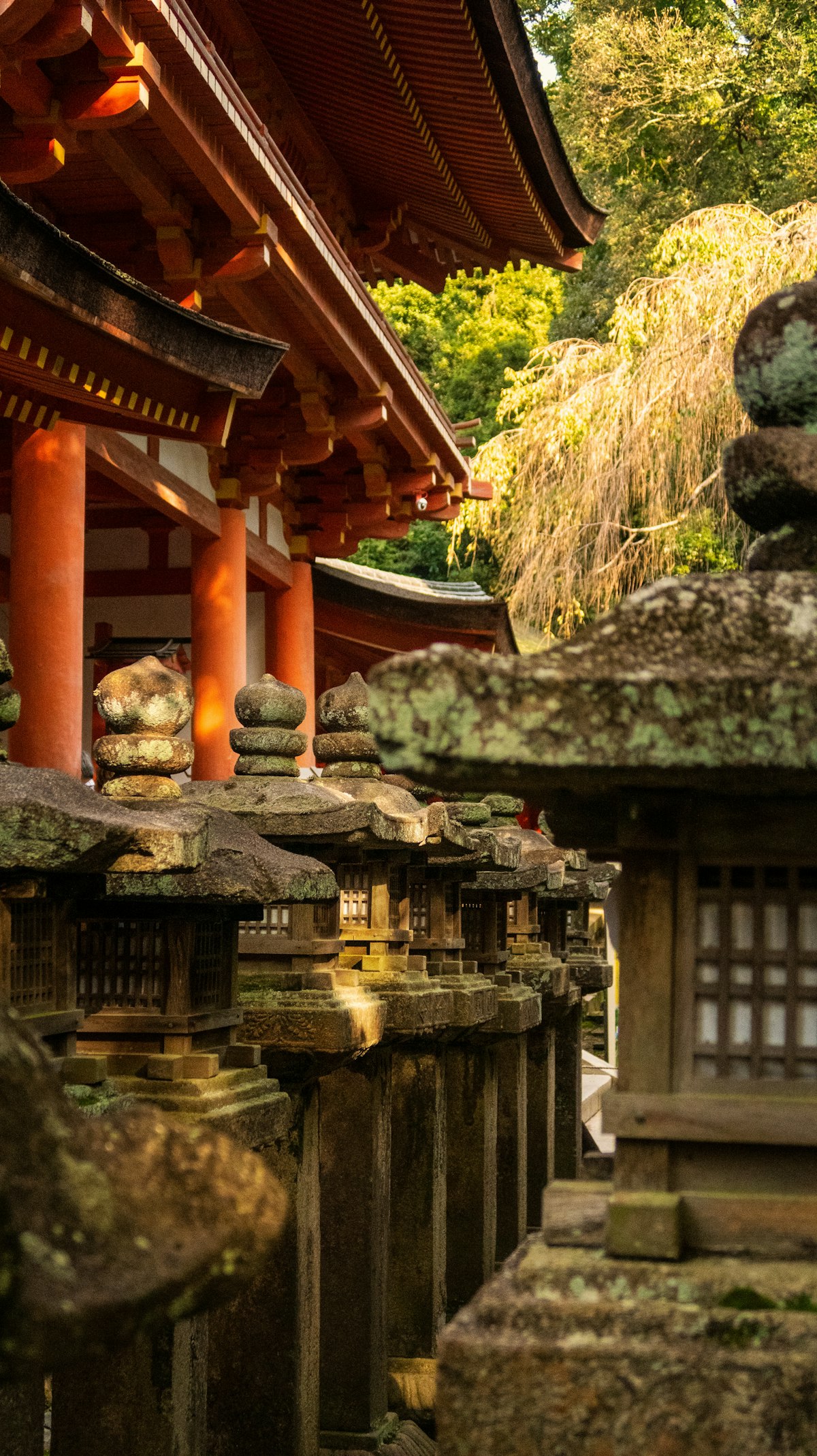
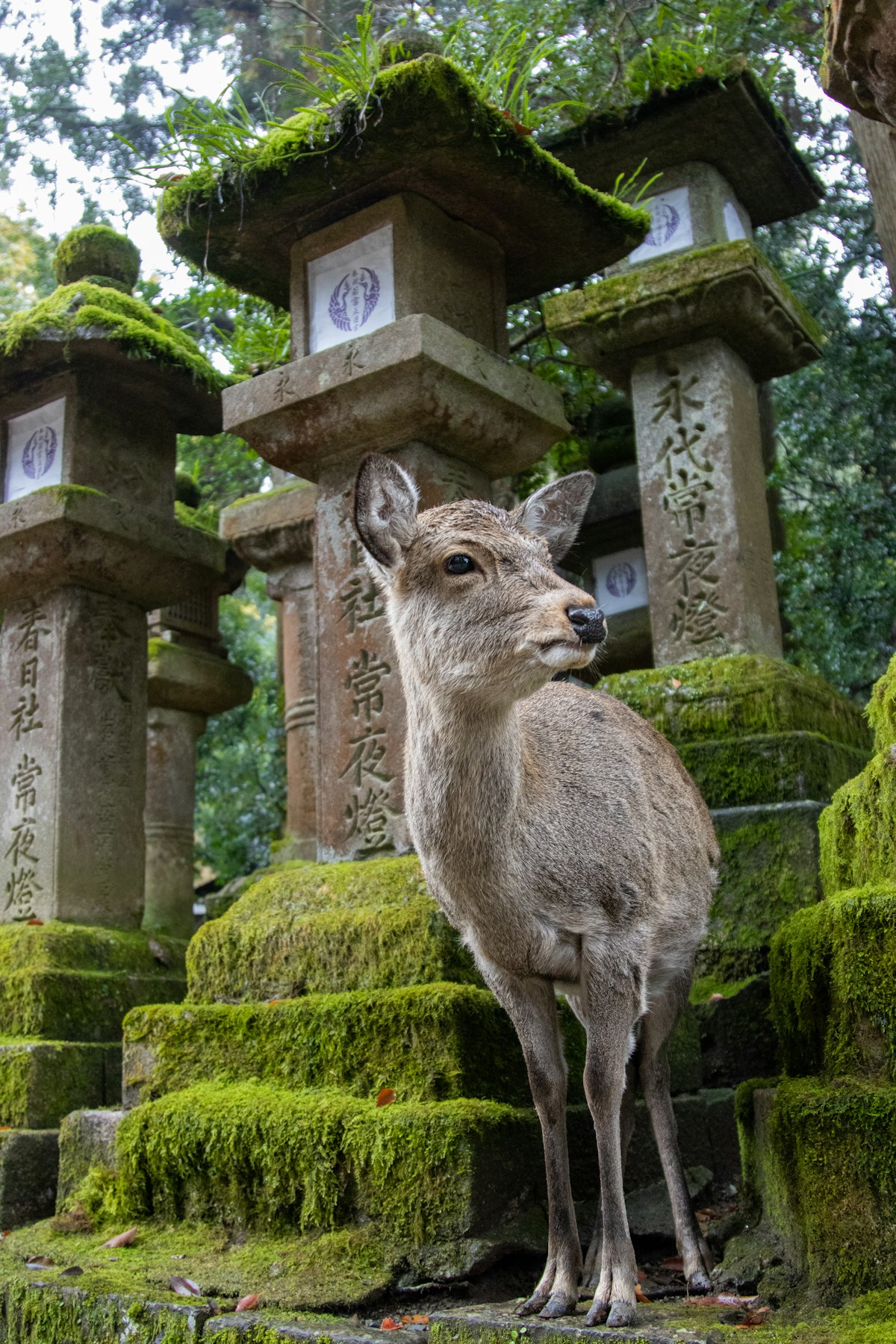
- ↑Autumn koyo at its peak: fiery red and orange maples frame Kasuga Shrine's stone lanterns and Todai-ji's roof
- ↑Kasuga Mantoro lantern festival (late November): second lighting of the year — extraordinary in autumn light
- ↑Crisp, clear days with 17°C highs and blue skies — ideal photography conditions throughout the month
Sacrifices
- ↓Nara's single busiest month: crowds from Kyoto tourists combine with dedicated autumn foliage visitors — park paths gridlocked on weekends
- ↓Accommodation in Nara and even Kyoto fully booked weeks in advance; prices at annual peak
- ↓Todai-ji queues can exceed 90 minutes at peak weekends
December#8▾
Gains
- ↑Post-foliage calm: crowds drop sharply after late November — the park is peaceful again
- ↑Kasuga Mantoro winter lantern event (31 Dec): New Year's Eve lighting is one of Nara's most intimate annual moments
- ↑Crisp winter light and low visitor numbers make Naramachi's old merchant lanes a pleasure to explore
Sacrifices
- ↓Cold: 11°C highs and temperatures near freezing overnight — outdoor visiting requires thorough preparation
- ↓Christmas and New Year week (25 Dec–3 Jan) brings a surge of both domestic and international visitors
- ↓Some restaurant and shop hours reduced over the New Year holiday period
How this is calculated
Climate data
Open Meteo ERA5
30-year normals (1991–2020). Temperature, rainfall, sunshine, humidity.
Price & crowd
Tourism research
Seasonal pricing from tourism authority data. Directional — compares months within a destination only.
Personalisation
Weighted scoring
Your priorities change the weights. Budget-first users get different results than weather-first users.
Share this result
April is the best time to visit Nara
Travel timing updates
New destinations and timing guides, when they land.
No spam. Unsubscribe anytime.