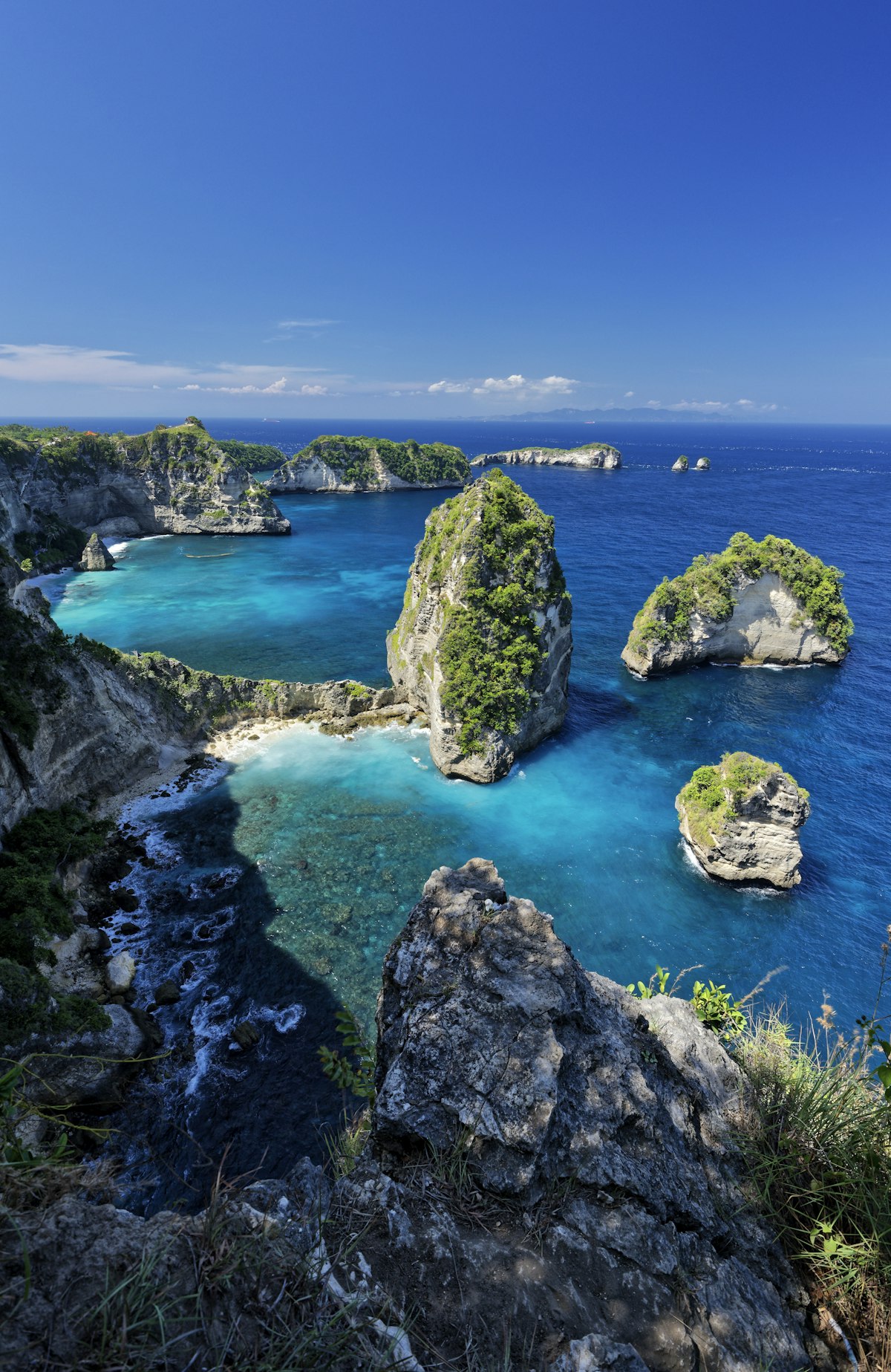
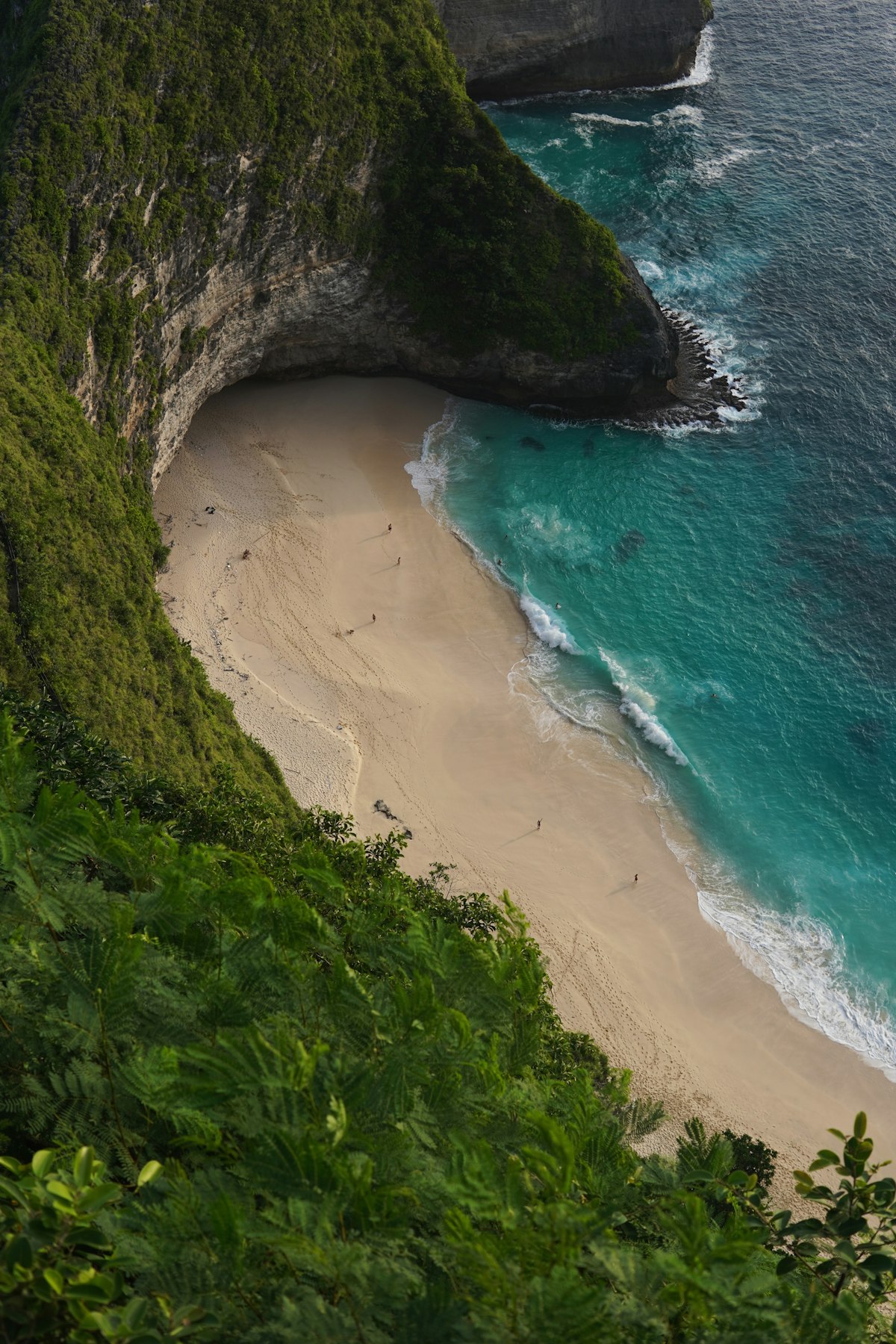
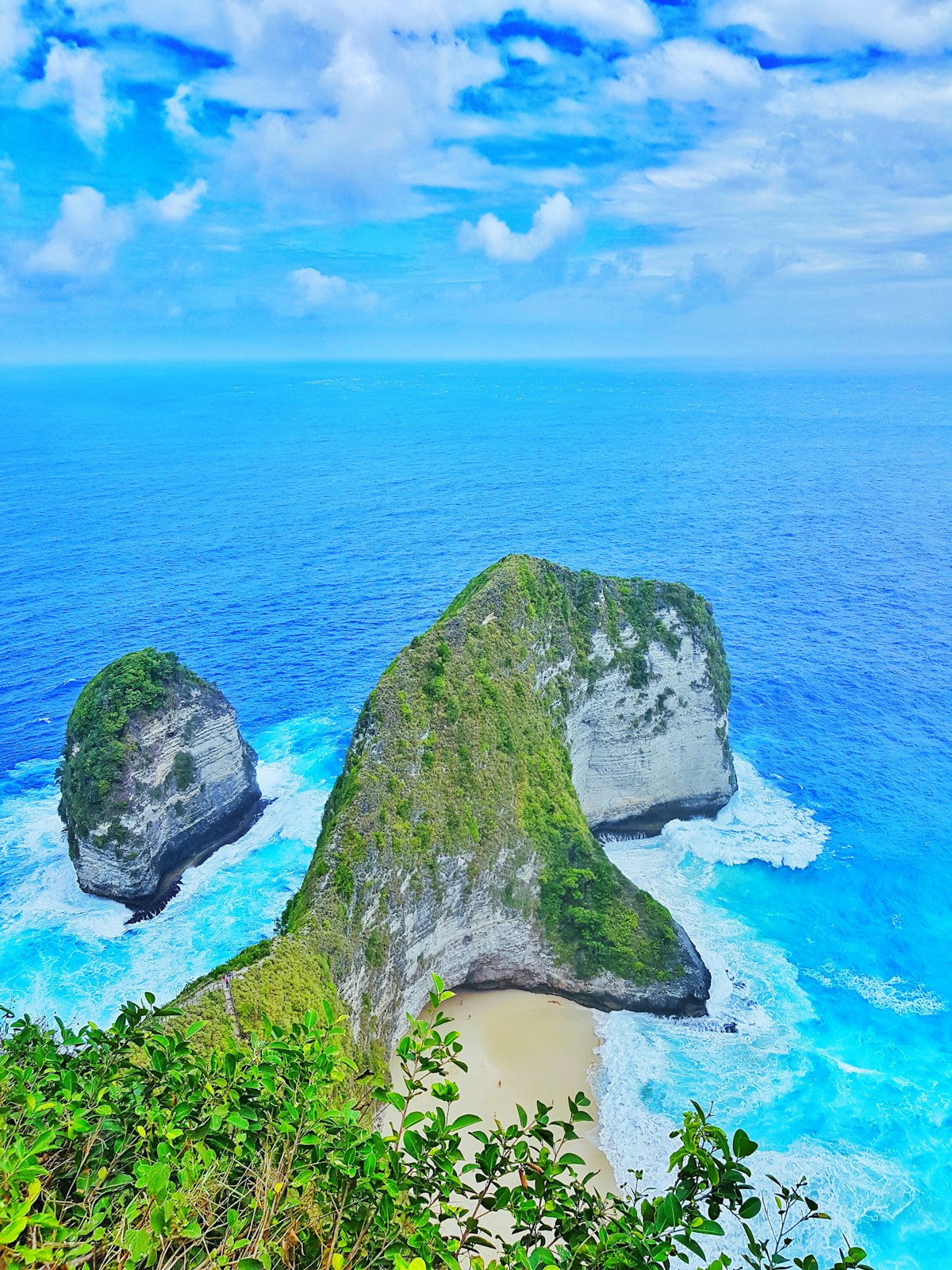
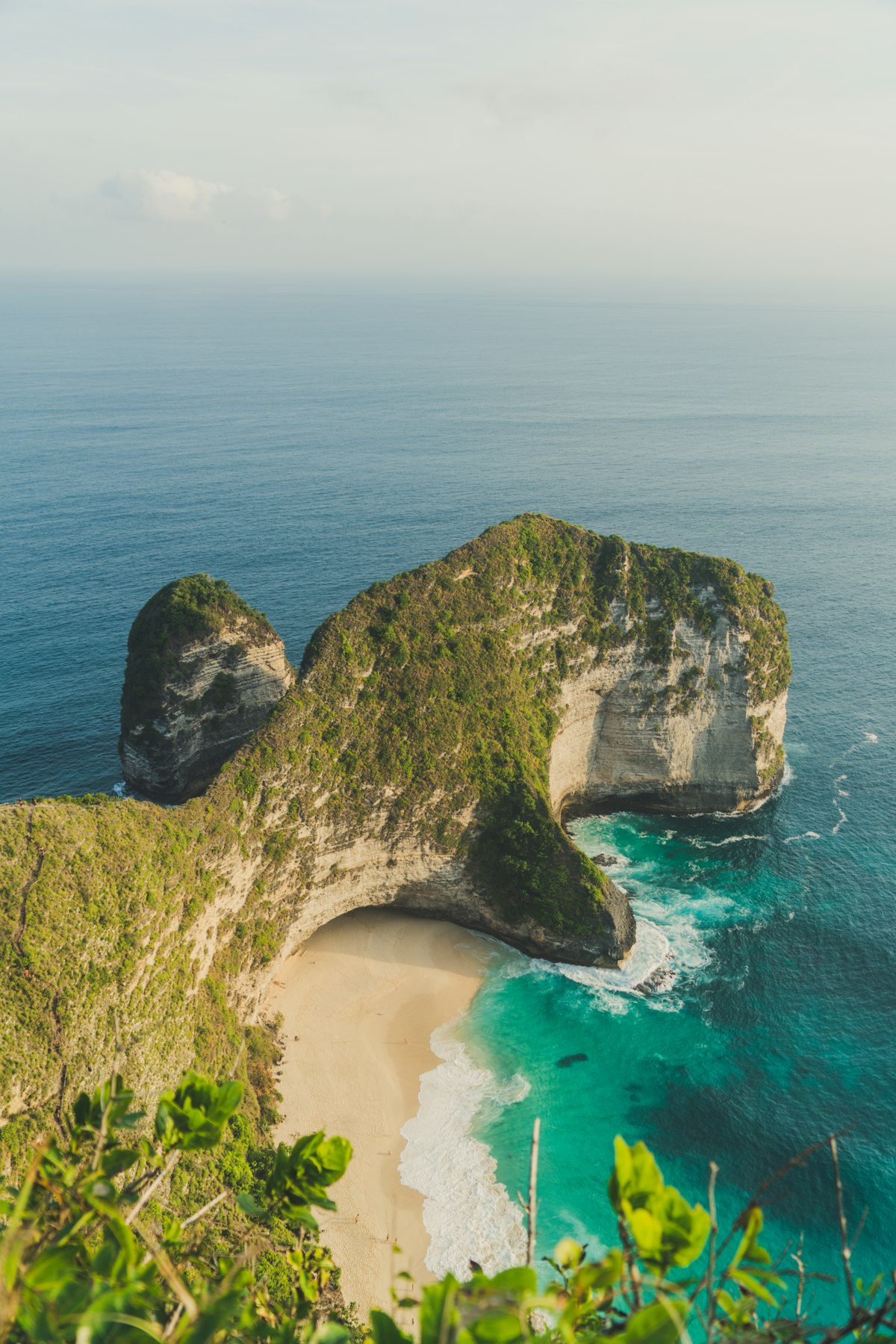

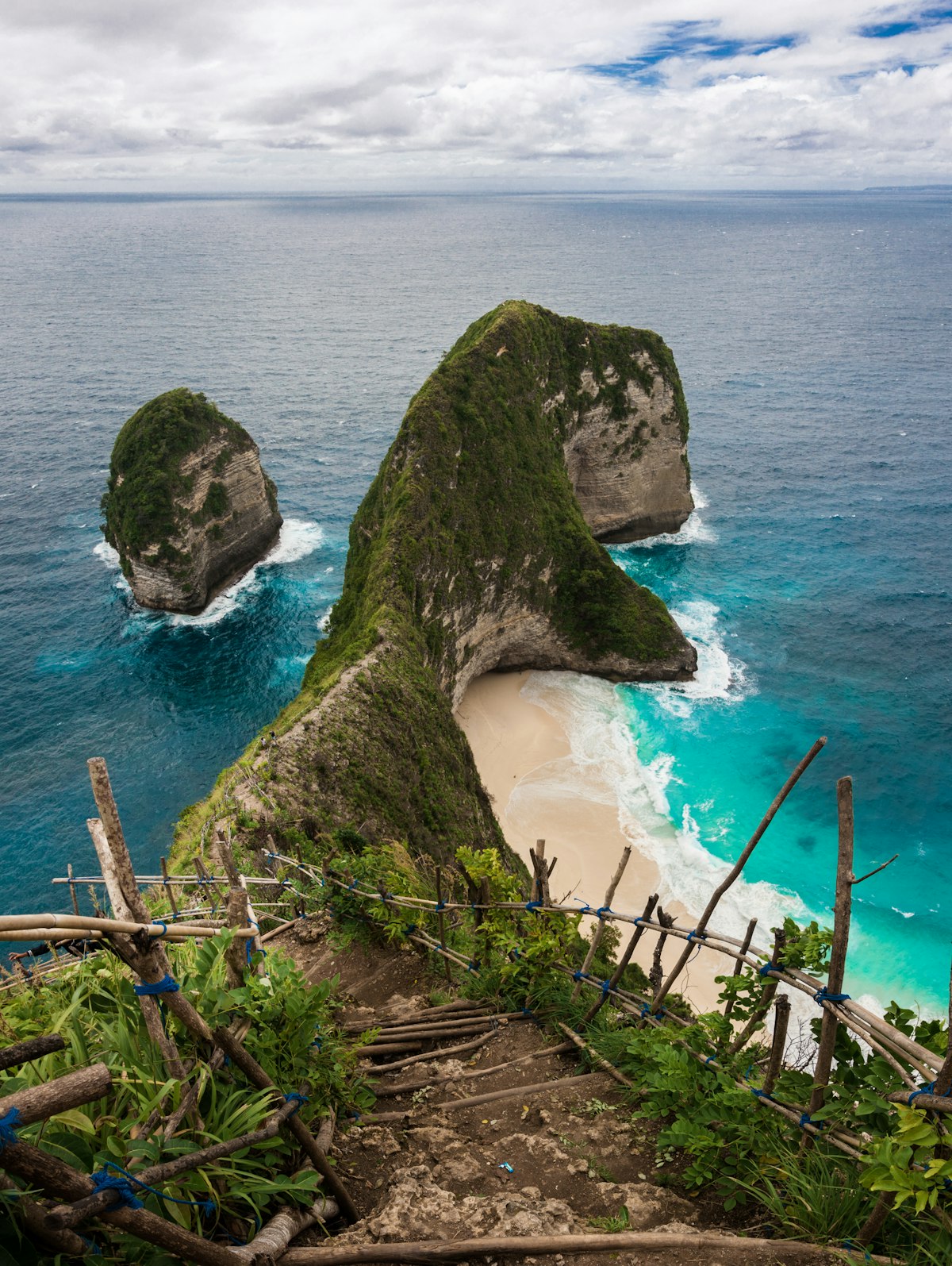
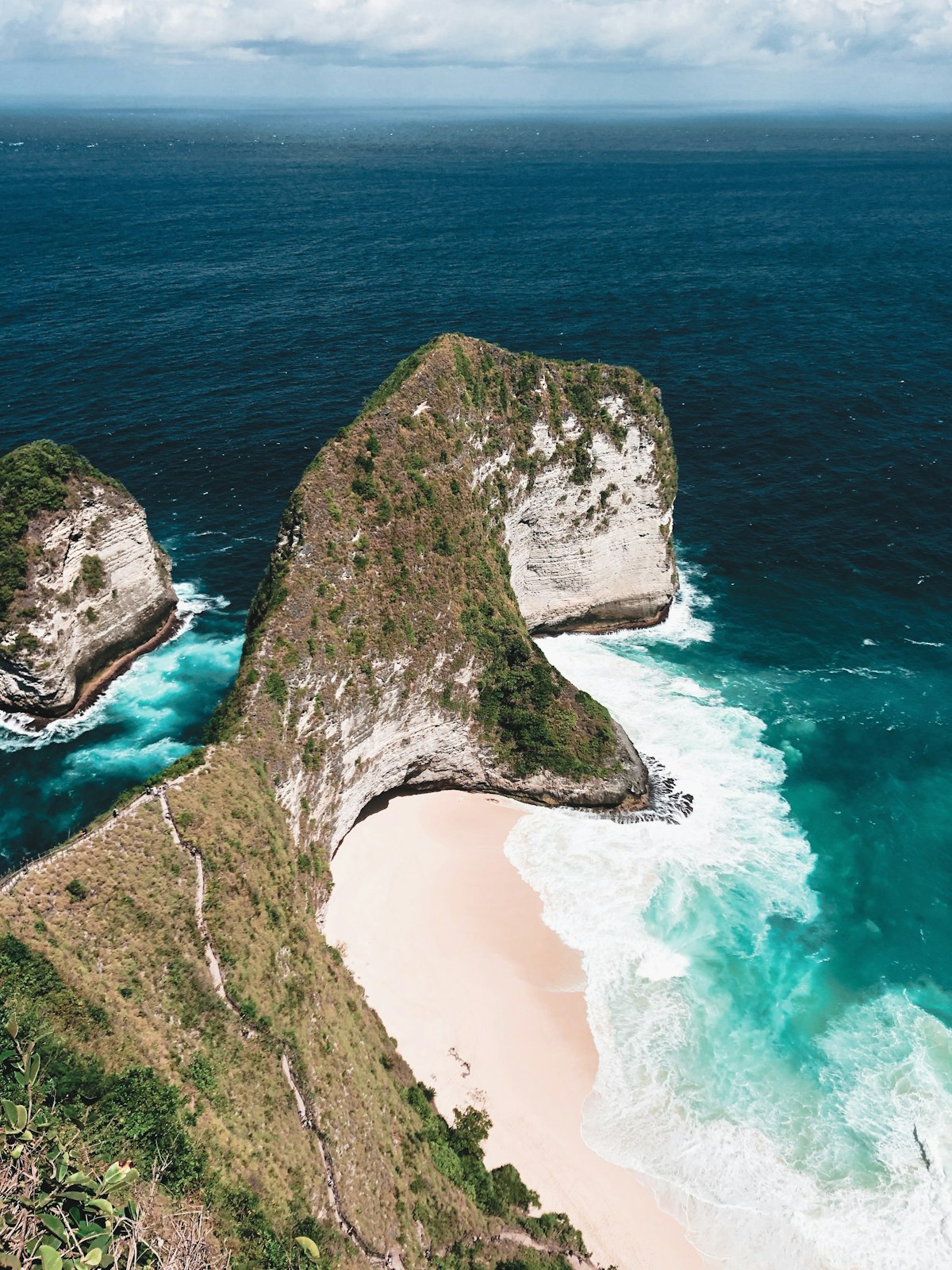
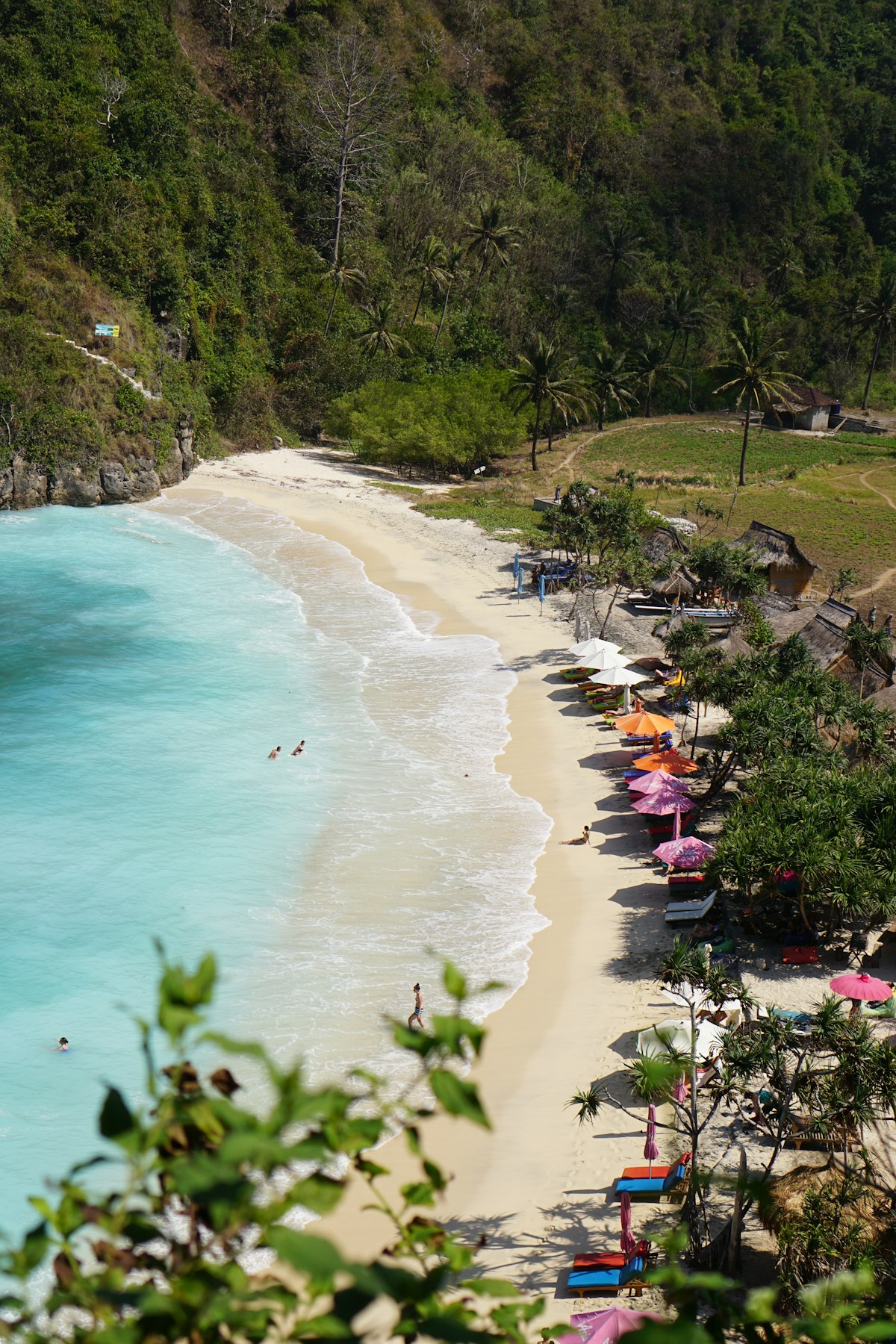
Nusa Penida · Unsplash / Unsplash
Indonesia · Southeast Asia
Best time to visit Nusa Penida
May
May scores highest overall — reliable weather and good value. Set your priorities below to personalise this result.
What matters most to you?
All 12 months — click any to expand
May
Unsplash / Unsplash
Dry season opens: Crystal Bay turns brilliant, manta rays are reliable, and prices stay reasonable.
30.8°C
High
24°C
Low
68mm
Rain
8.4h
Sun/day
What you gain
- ↑Manta Point at its most reliable: oceanic manta rays with 3–5m wingspans feeding in calm currents
- ↑Crystal Bay visibility reaches 20–30m — among the clearest snorkelling water in Southeast Asia
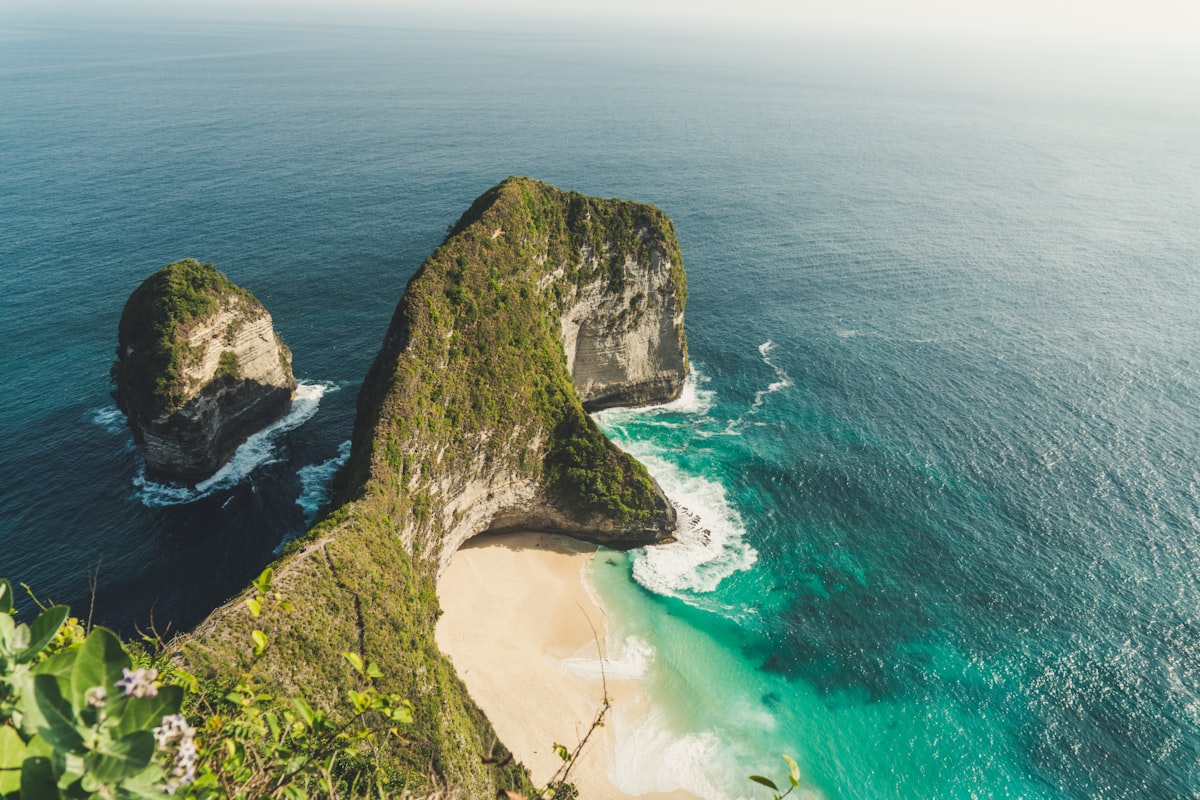
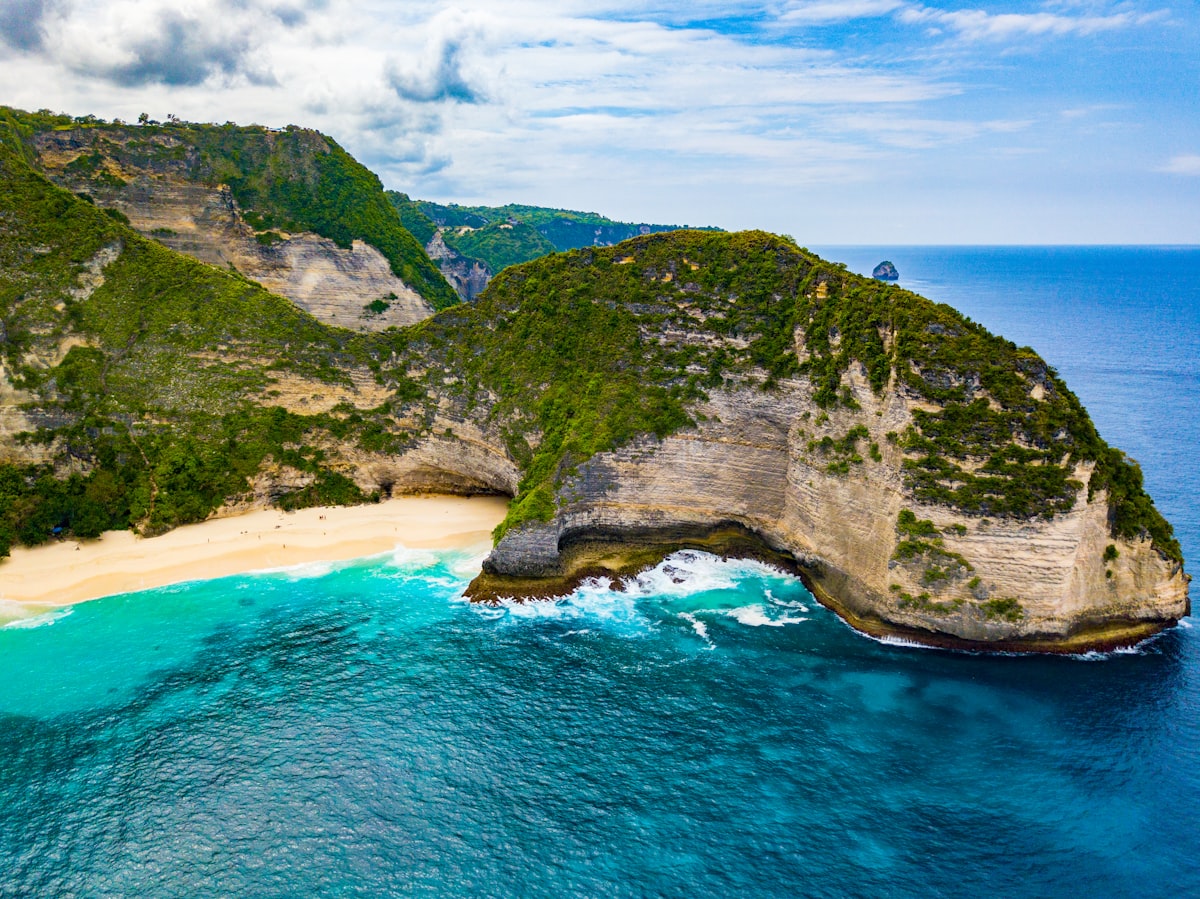
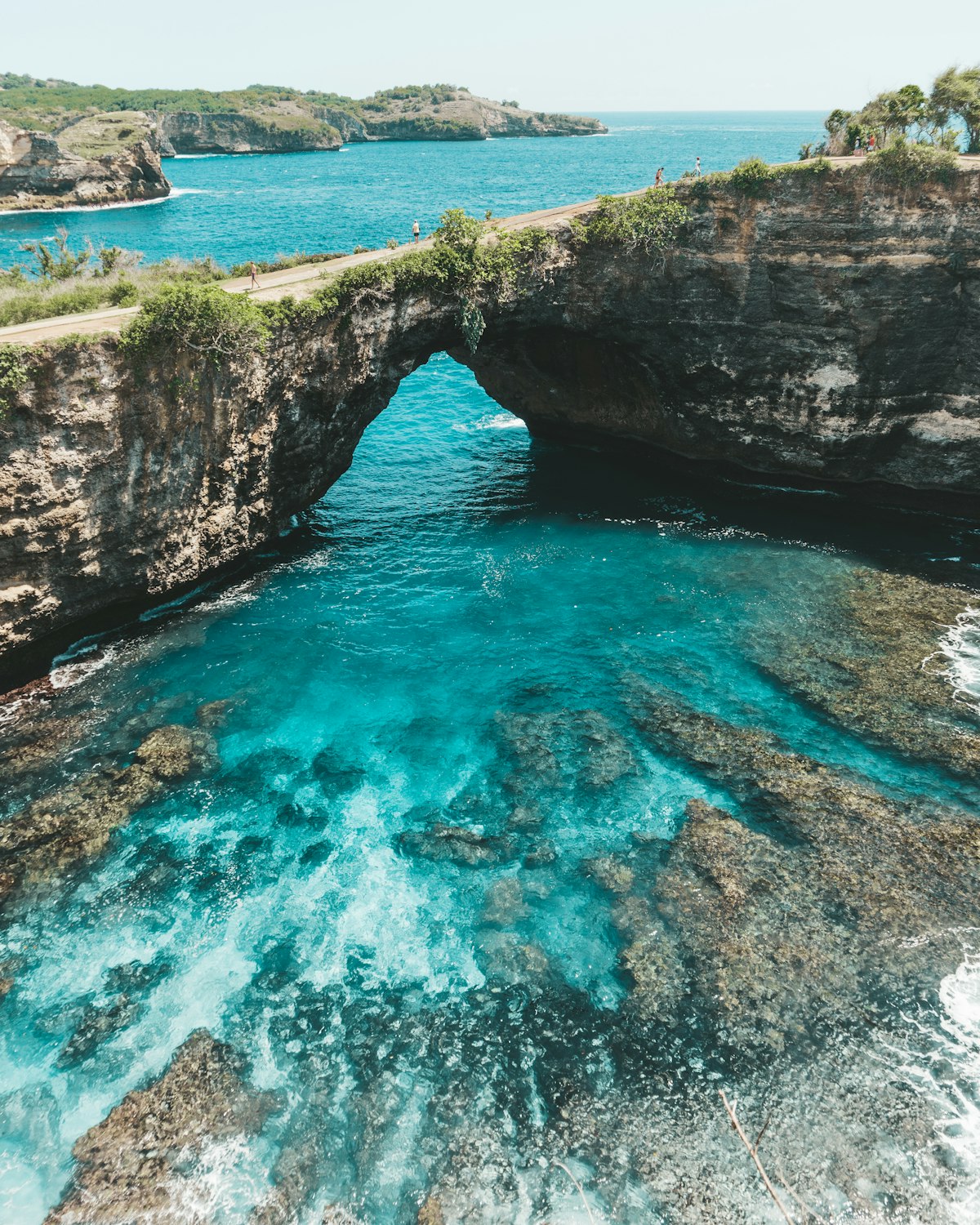
- ↑All-day circuits (Kelingking → Broken Beach → Angel Billabong → Crystal Bay) fully viable
What you sacrifice
- ↓Visitor numbers building as dry season reputation draws Bali day-trippers and divers
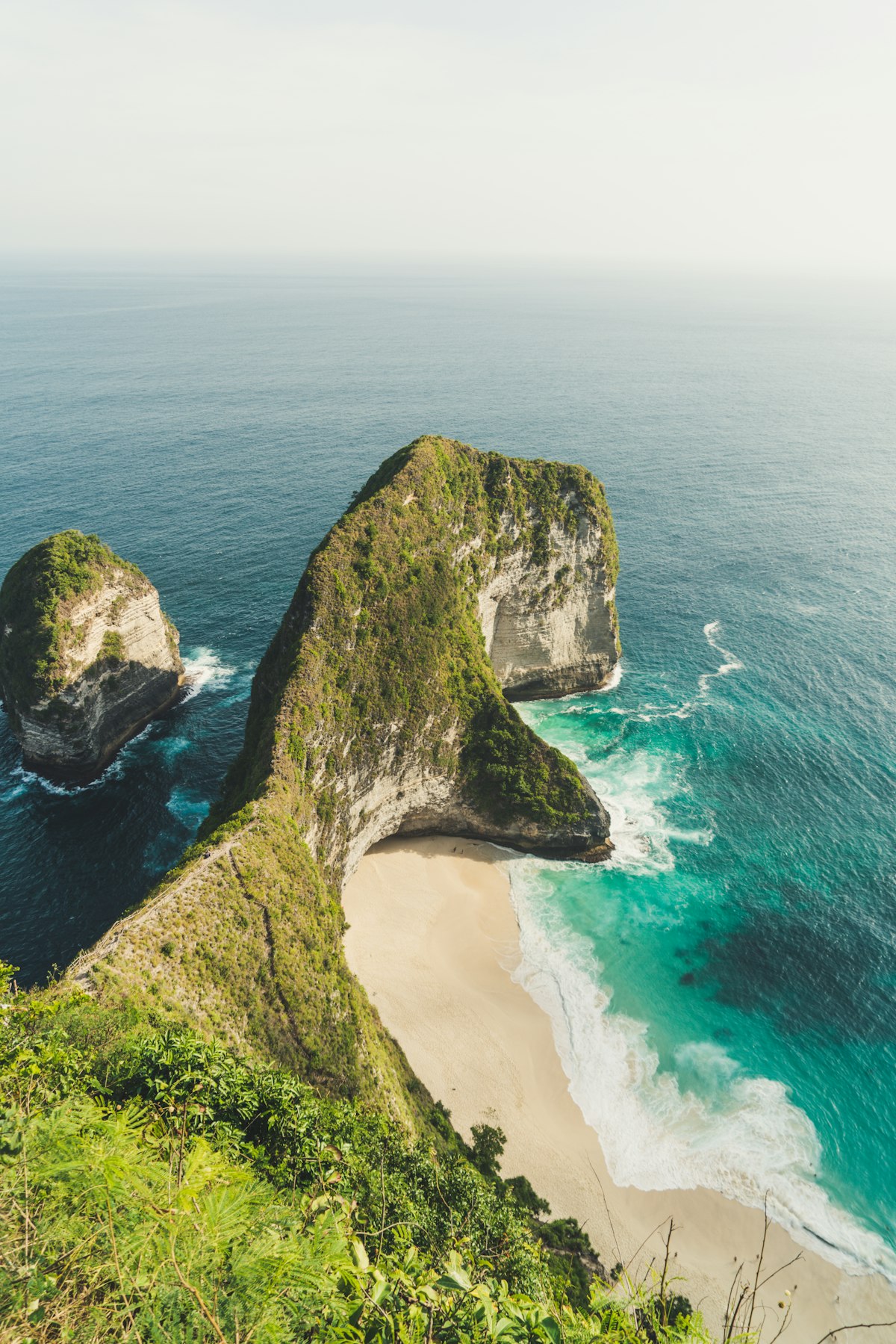
- ↓The Kelingking viewpoint selfie queue can be long by 9am on busy days
- ↓Occasional cooler wind on the exposed south coast cliffs can feel surprisingly sharp
May scores highest overall — reliable weather and good value. Set your priorities below to personalise this result.
May
Dry season opens: Crystal Bay turns brilliant, manta rays are reliable, and prices stay reasonable.
30.8°C
High
68mm
Rain
8.4h
Sun
- ↑Manta Point at its most reliable: oceanic manta rays with 3–5m wingspans feeding in calm currents
- ↑Crystal Bay visibility reaches 20–30m — among the clearest snorkelling water in Southeast Asia
- ↑All-day circuits (Kelingking → Broken Beach → Angel Billabong → Crystal Bay) fully viable
- ↓Visitor numbers building as dry season reputation draws Bali day-trippers and divers
- ↓The Kelingking viewpoint selfie queue can be long by 9am on busy days
- ↓Occasional cooler wind on the exposed south coast cliffs can feel surprisingly sharp
Top travel windows
★ BestMay
Best overall
Highest combined score
30.8°C
High
68mm
Rain
8.4h
Sun
November
Best for value
Lowest prices & fees
30.8°C
High
218mm
Rain
5.5h
Sun
November
Fewest crowds
Quietest month
30.8°C
High
218mm
Rain
5.5h
Sun
Breakdown by priority
Best for weather
May
30.8°C high · 68mm rain · 8.4hrs sun/day
Best for budget
November
Very few visitors: Toyapakeh, the main port village, operates at a genuinely local pace
Fewest crowds
November
Very few visitors: Toyapakeh, the main port village, operates at a genuinely local pace
Worst time to visit
January, February, December
312mm of rain: the wettest month on the island — sustained downpours often lasting all day
Where to stay in Nusa Penida
All neighbourhoods →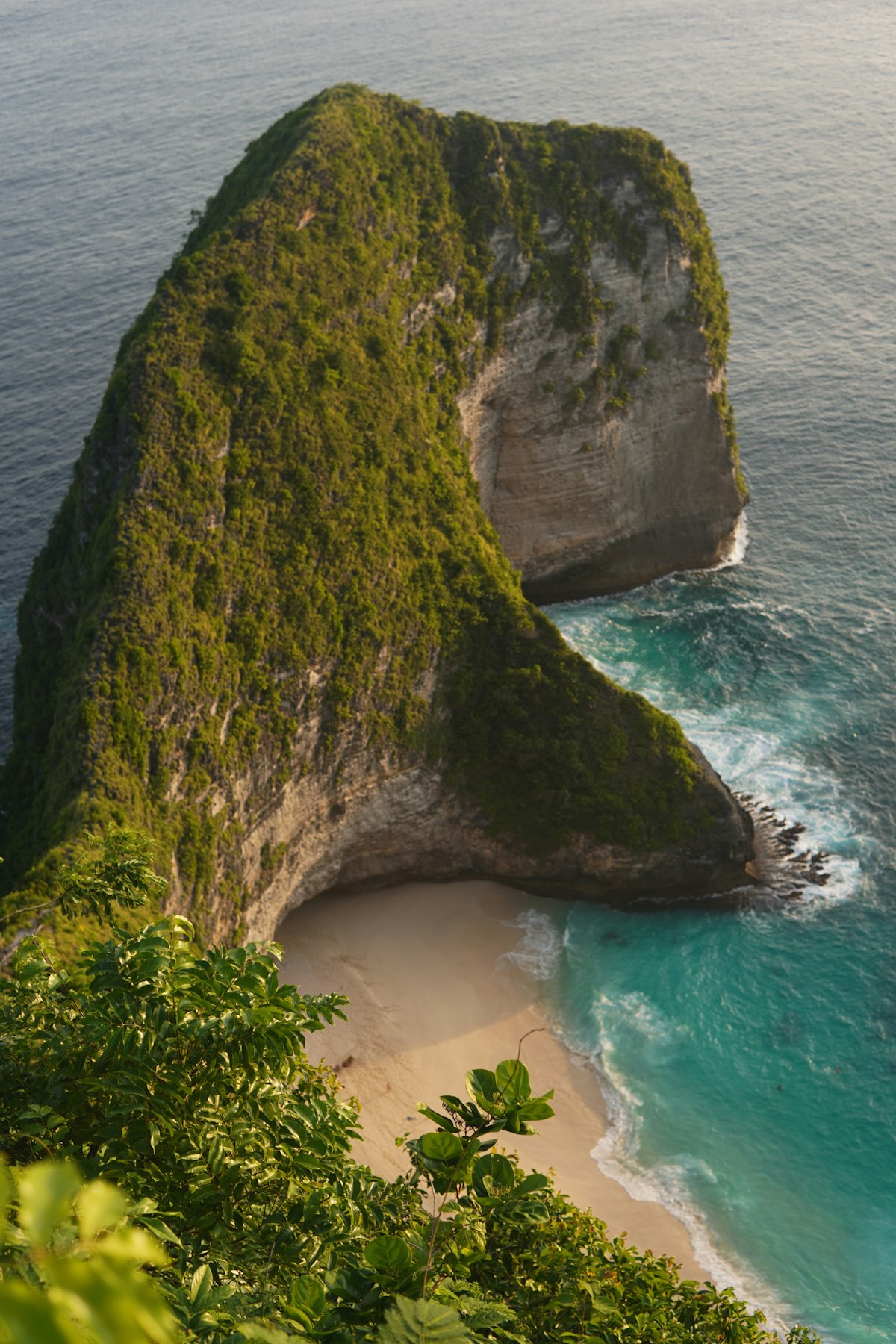
Toyapakeh & North
The island's main port and most practical base — budget guesthouses, the fast boat dock, and Manta Point access.
6/10
Central
6/10
Walk
5/10
Transit
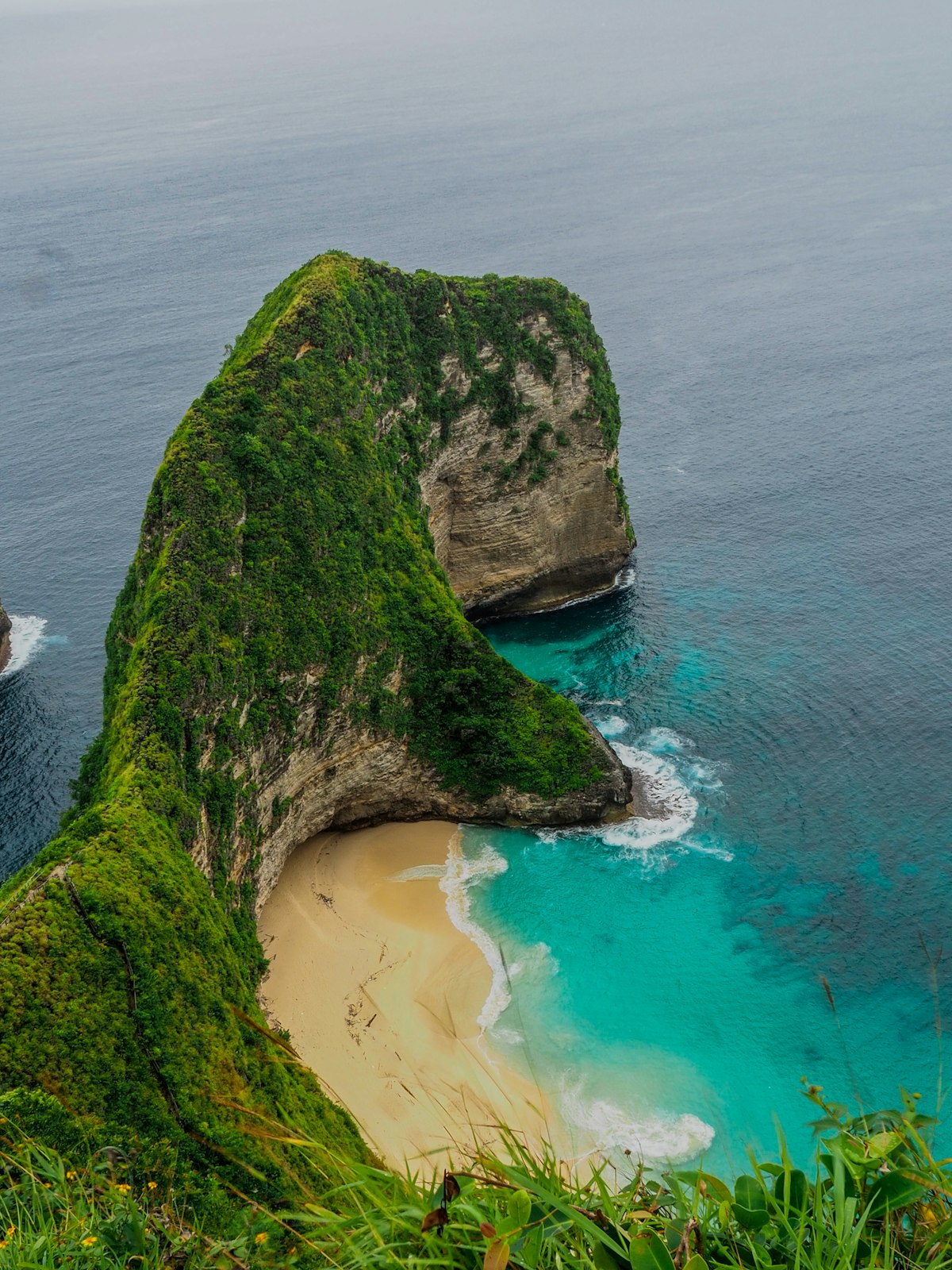
Crystal Bay & Northwest
The island's diving capital — calm waters, ocean sunfish encounters, and the quietest accommodation cluster.
4/10
Central
4/10
Walk
2/10
Transit
Also exploring

Tokyo
Japan
A city of dramatic seasonal contrasts — cherry blossom crowds, oppressive summer humidity, and golden autumn foliage — where the wrong timing can make or break the trip.
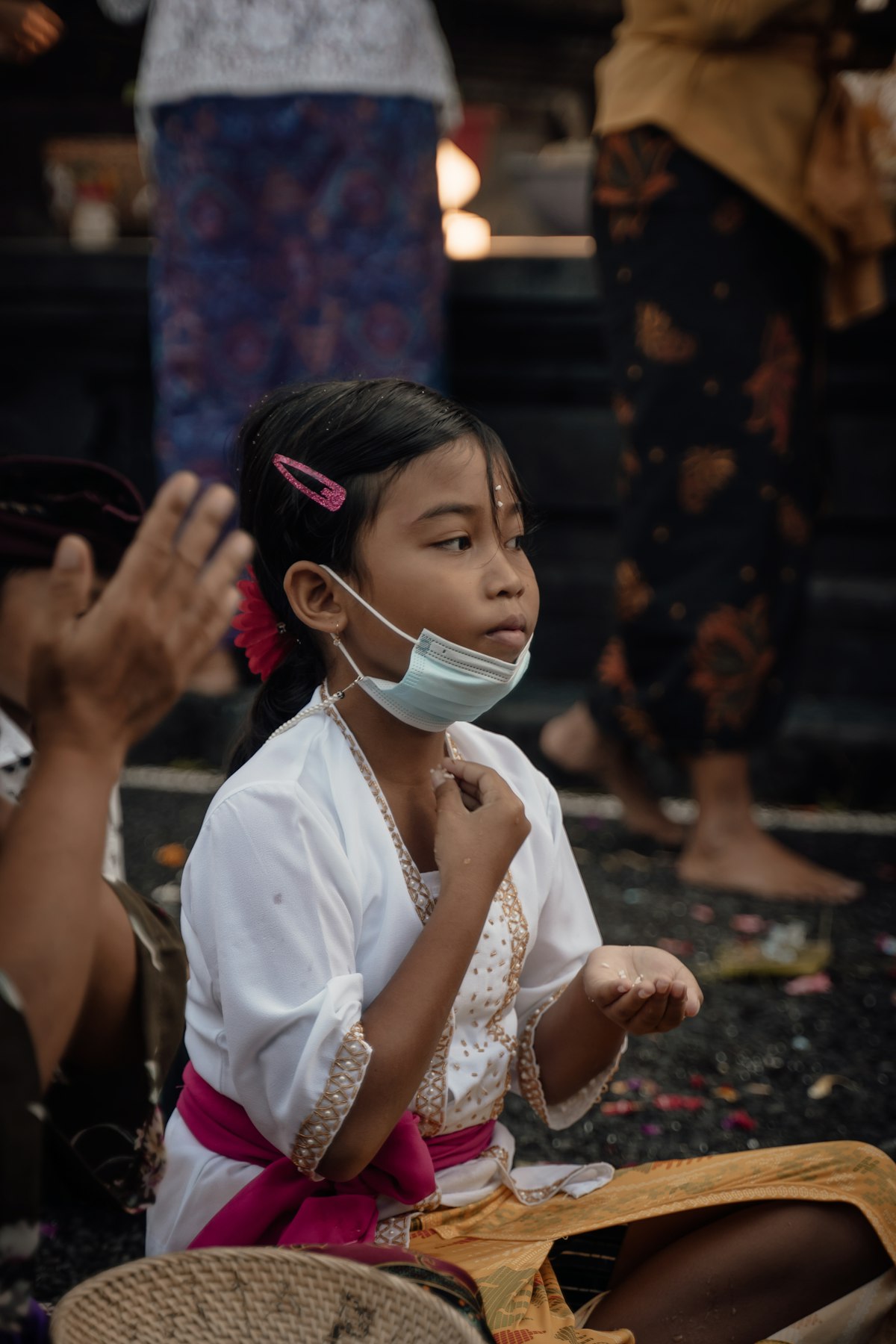
Bali
Indonesia
A Hindu island of rice terraces, temple ceremonies, and surf breaks where the monsoon makes timing genuinely binary — the difference between dry and wet season is not subtle.
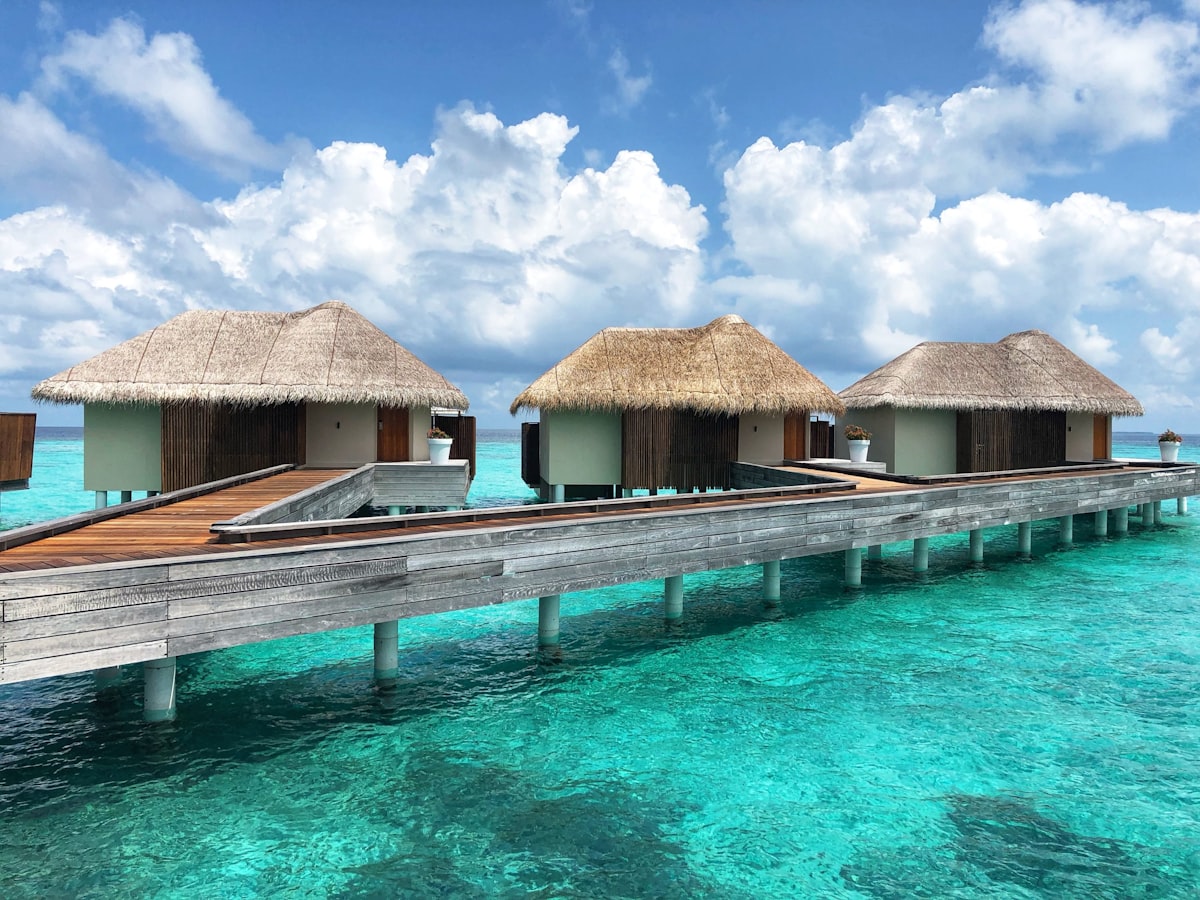
Maldives
Maldives
A destination defined almost entirely by its monsoon calendar — the difference between the NE dry season (November–April) and SW wet season (May–October) is not subtle and shapes every aspect of the experience.
Worth knowing
May scores highest overall. July is the most crowded month — avoid if you can. See crowd-free ranking →
Month by month breakdown
January#10▾
Gains
- ↑Lowest prices of the year for guesthouses and day-trip boats from Sanur
- ↑Waterfalls on the island's interior at their most dramatic flow
- ↑Minimal tourist presence — the handful of guesthouses in Toyapakeh feel genuinely local
Sacrifices
- ↓312mm of rain: the wettest month on the island — sustained downpours often lasting all day
- ↓Sea conditions too rough for Manta Point — the defining snorkelling experience of Nusa Penida
- ↓Kelingking Beach trail dangerously slippery; the clifftop viewpoint is the limit for most visitors
February#11▾
Gains
- ↑Nyepi (if in February) creates a fascinating lockdown day across Bali — the boat from Sanur is cancelled island-wide
- ↑Very low prices and minimal crowds for those tolerating heavy rain
- ↑Green season photography: lush cliffs and dramatic cloudy backdrops at Kelingking viewpoint
Sacrifices
- ↓278mm of rain — only marginally better than January; outdoor plans remain severely constrained
- ↓Manta Point diving and snorkelling still inadvisable in rough seas
- ↓Many guesthouses and warungs operate at skeleton staffing in the wet season
March#8▾
Gains
- ↑Noticeable improvement over February: more frequent clear mornings for the Kelingking clifftop view
- ↑Prices still at low-season levels; good value for those with weather flexibility
- ↑Nyepi (if in March) — Bali's day of silence is an extraordinary cultural event from afar
Sacrifices
- ↓230mm of rain is still very heavy — not the time for snorkelling circuits or Broken Beach hiking
- ↓Sea visibility at Crystal Bay reduced significantly by wet-season sediment runoff
- ↓Road conditions on the island's unpaved southern tracks remain challenging after heavy rain
April#4▾
Gains
- ↑Sea clarity at Manta Point and Crystal Bay improving week by week — snorkelling viable again
- ↑Kelingking Beach trail drying out: the descent to the beach bottom becomes safely passable
- ↑Still 30–35% cheaper than peak dry season (July–September) while weather is approaching its best
Sacrifices
- ↓112mm of rain still means occasional heavy showers — afternoon plans may need to flex
- ↓Full-day circuit (Kelingking, Broken Beach, Crystal Bay, Angel Billabong) can be disrupted by rain
- ↓Manta ray sightings less reliable than May–October; the season is not fully established
May#1▾
Gains
- ↑Manta Point at its most reliable: oceanic manta rays with 3–5m wingspans feeding in calm currents
- ↑Crystal Bay visibility reaches 20–30m — among the clearest snorkelling water in Southeast Asia
- ↑All-day circuits (Kelingking → Broken Beach → Angel Billabong → Crystal Bay) fully viable
Sacrifices
- ↓Visitor numbers building as dry season reputation draws Bali day-trippers and divers
- ↓The Kelingking viewpoint selfie queue can be long by 9am on busy days
- ↓Occasional cooler wind on the exposed south coast cliffs can feel surprisingly sharp
June#3▾
Gains
- ↑Best underwater visibility of the year at Crystal Bay and Manta Point (15–30m)
- ↑Galungan festival often falls in June: Bali and Nusa Penida decorated with penjor bamboo poles
- ↑Temperatures comfortable by Indonesian standards: 29.5°C with low humidity and cool sea breezes
Sacrifices
- ↓Visitor numbers at peak for Bali day-trippers — the morning fast boat from Sanur fills up
- ↓Prices rising toward peak-season levels as the best-weather window becomes widely known
- ↓Kelingking Beach descent becomes extremely busy with guided tours 8am–11am
July#7▾
Gains
- ↑Driest month: almost no rain, brilliant sunshine, and the lowest humidity of the year
- ↑Manta ray sightings virtually guaranteed at Manta Point in calm, clear conditions
- ↑Diamond Beach and Atuh Beach on the east coast at their most photogenic
Sacrifices
- ↓Most visited month: Kelingking viewpoint is genuinely overcrowded by 9am on most days
- ↓Accommodation on the island sells out — book 6–8 weeks ahead; day-trip ferries also full
- ↓Premium prices across the board: guesthouses, dive operators, and charter boats all at peak rates
August#9▾
Gains
- ↑Weather identical to July — perfect conditions for every outdoor activity on the island
- ↑Ocean Sunfish (Mola Mola) season at Crystal Bay: a rare deep-water encounter unique to this region
- ↑Sunset from Angel Billabong and Broken Beach as dramatic as anywhere in Bali's orbit
Sacrifices
- ↓Australian school holidays on top of European demand: among the highest visitor counts of the year
- ↓Some dive sites (Crystal Bay in particular) overcrowded with competing boats on weekends
- ↓Last-minute ferry tickets from Sanur frequently unavailable — advanced booking essential
September#2▾
Gains
- ↑European summer peak subsiding — 20–30% price drops from August across guesthouses and tours
- ↑Ocean Sunfish season at Crystal Bay extends into September: excellent diving conditions
- ↑Far less competition for the Kelingking viewpoint and beach descent — mornings now manageable
Sacrifices
- ↓Early signs of the season turning: occasional light showers returning by late September
- ↓Manta ray sightings slightly less reliable than July–August as currents begin shifting
- ↓Indonesian domestic holiday weekends can bring day-tripper surges from Bali
October#5▾
Gains
- ↑Significant crowd reduction: the island drops to low-season visitor numbers while conditions still partially good
- ↑Prices falling to affordable levels: quality guesthouses and day charters negotiable again
- ↑Mornings typically clear: the Kelingking viewpoint and Broken Beach are still accessible and beautiful
Sacrifices
- ↓128mm of rain — afternoon showers becoming significant; the wet season is clearly returning
- ↓Sea visibility at Crystal Bay and Manta Point declining from September highs
- ↓The full west-coast circuit (Kelingking → Broken Beach → Angel Billabong) disrupted on wetter days
November#6▾
Gains
- ↑Very few visitors: Toyapakeh, the main port village, operates at a genuinely local pace
- ↑Lowest guesthouse prices outside October: strong value for accommodation-first trips
- ↑Lush green cliff vegetation at Kelingking reaching its most dramatic, lush appearance
Sacrifices
- ↓218mm of rain: heavy afternoon downpours are routine and morning windows are shorter
- ↓Manta Point tours frequently cancelled due to rough seas — the main draw of the island is unreliable
- ↓The clifftop walk at Broken Beach becomes slippery and views are often obscured by cloud
December#12▾
Gains
- ↑Christmas week atmosphere on Bali makes the broader trip worthwhile even if Nusa Penida itself is wet
- ↑Prices mid-month are still moderate before the Christmas spike in the final week
- ↑Day visits from Bali in windows of clear weather can still yield Kelingking viewpoint access
Sacrifices
- ↓290mm of rain: among the worst months on the island — sustained rainfall most days
- ↓Christmas and New Year week: high-season prices return for weather at its worst
- ↓Manta Point and snorkelling circuits largely impossible due to rough seas and poor visibility
How this is calculated
Climate data
Open Meteo ERA5
30-year normals (1991–2020). Temperature, rainfall, sunshine, humidity.
Price & crowd
Tourism research
Seasonal pricing from tourism authority data. Directional — compares months within a destination only.
Personalisation
Weighted scoring
Your priorities change the weights. Budget-first users get different results than weather-first users.
Share this result
May is the best time to visit Nusa Penida
Travel timing updates
New destinations and timing guides, when they land.
No spam. Unsubscribe anytime.