Fez · Month comparison
July vs October
October ranks #1 overall vs July at #11. The autumn sweet spot — ideal temperatures, reasonable prices, and the medina in full swing.
July
#11 of 12 months
Worth considering
Dangerous heat — 37°C makes medina walking physically exhausting and genuinely risky.
- ↑The only practical gain of July is price: riad accommodation drops significantly from the June festival levels, and the medina is essentially left to locals who know how to live in it. Budget travellers who confine activity to early mornings and evenings can experience Fez at very low cost.
- ↑The pre-dawn and dawn period in July is extraordinary: the medina temperature at 5am is 20–22°C, the light is extraordinary, and the 2,700 minarets of the old city are silhouetted against the brightening sky before sunrise. Serious photographers who can manage the scheduling are rewarded.
October
#1 of 12 months
Best match
The autumn sweet spot — ideal temperatures, reasonable prices, and the medina in full swing.
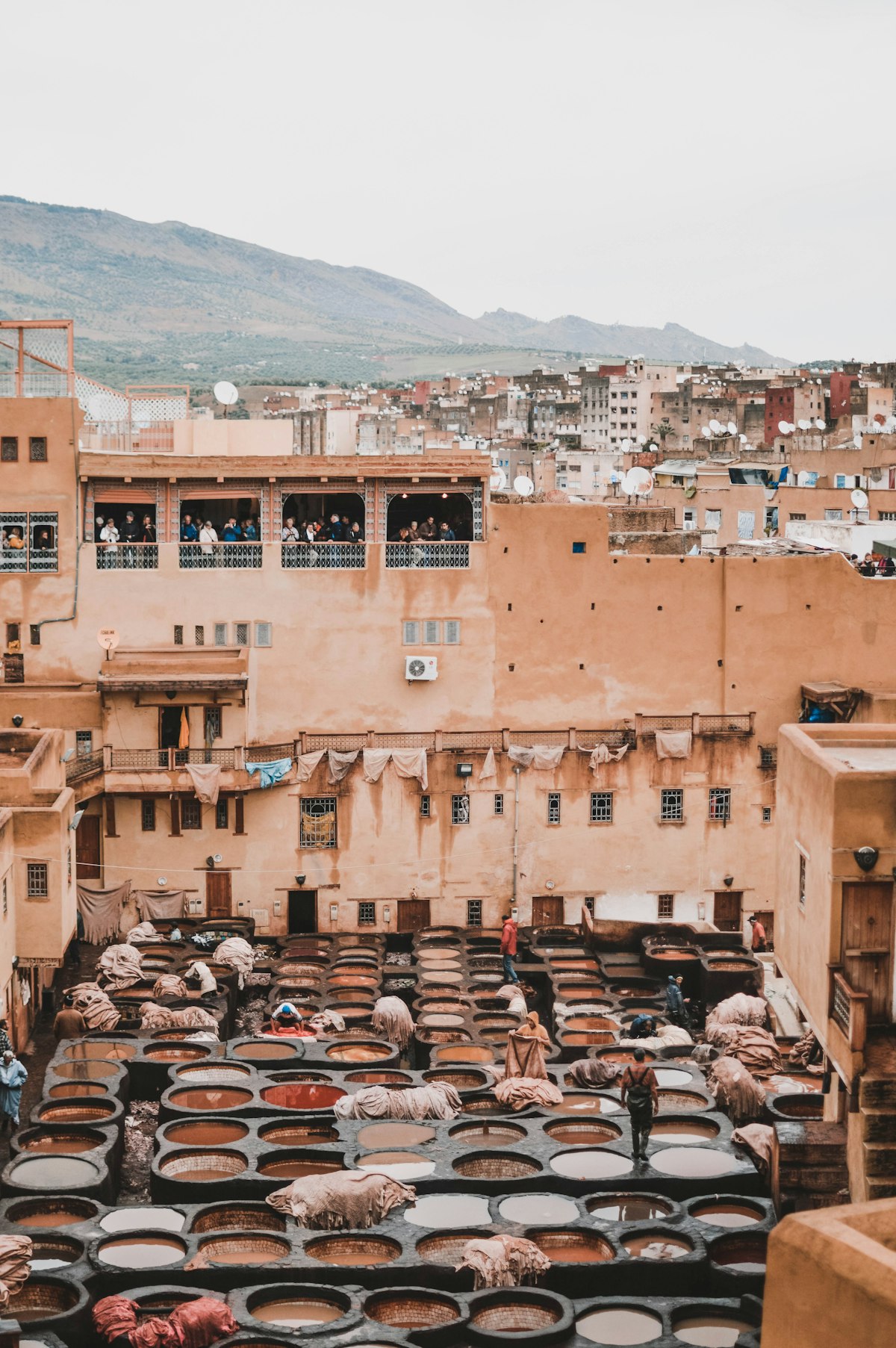
- ↑October is the second-best month (after April) for Fez: 26.4°C allows sustained medina exploration throughout the day without heat management concerns. The Chouara tannery is fully active — the leather-making process using pigeon dung, quicklime, and natural dyes in the stone vats is best observed from the surrounding balconies of the leather shops, and October's cooler air makes the experience significantly more tolerable.
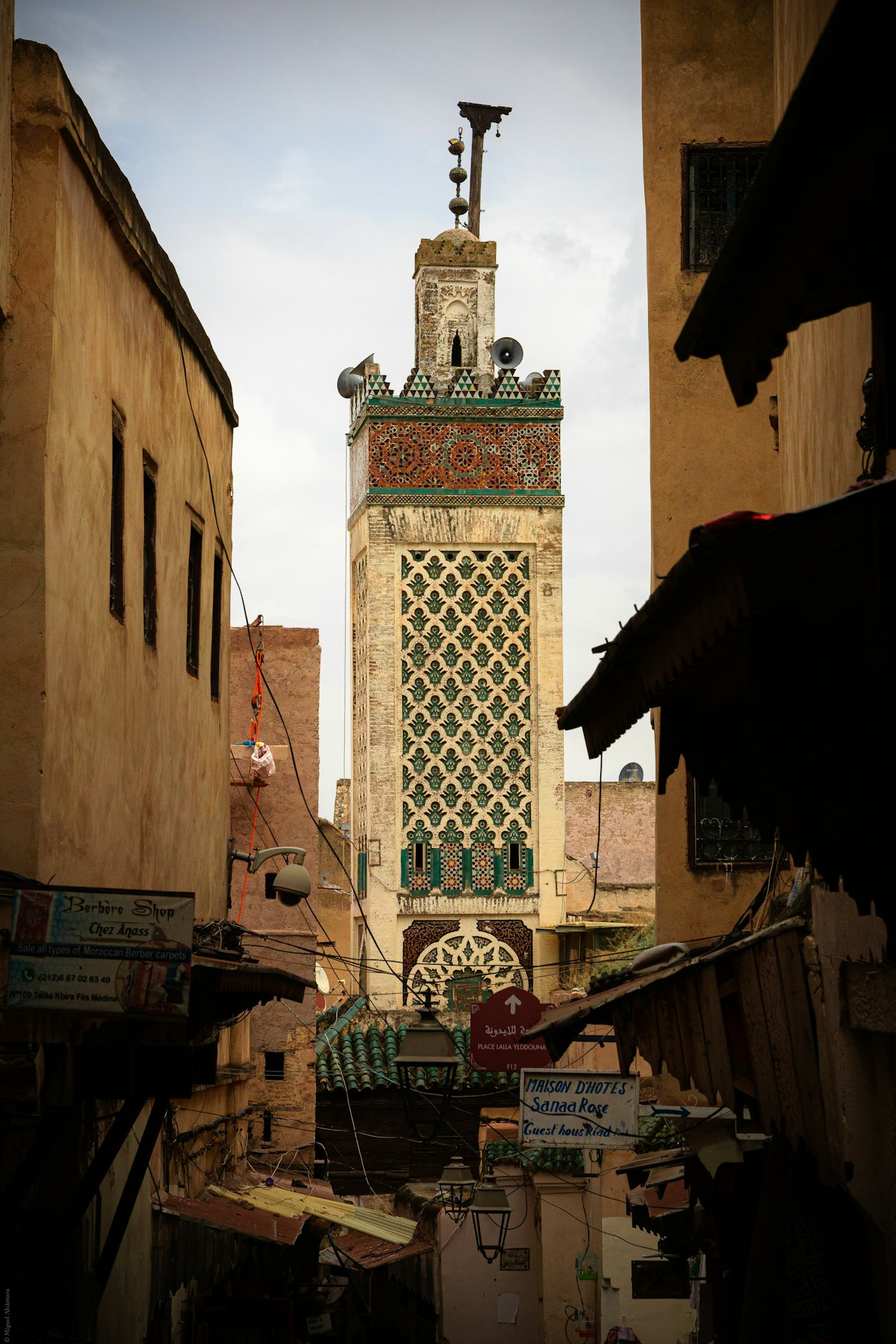
- ↑The autumn light on the earthen medina is extraordinary: the late afternoon sun on the clay facades of the alleyways leading from Bab Bou Jeloud to the Madrasa Bou Inania produces the warm ochre-amber tones that define Fez photography at its best.
| Factor | July | October |
|---|---|---|
| Weather score | 3 | 9 |
| Value score | 7 | 7 |
| Crowd score | 7 | 7 |
| Events score | 4 | 5 |
| Atmosphere | 6 | 9 |
| Avg high temp | 37.8°C | 26.4°C |
| Monthly rain | 3mm | 38mm |
| Daily sunshine | 11.5hrs | 7.9hrs |
July trade-offs
- ↓37.8°C average highs in July are brutal for medina walking: the narrow walled streets trap heat, stone surfaces radiate it, and the traditional dress of medina residents (djellaba, headscarf) is actually more adapted to the conditions than Western summer clothing. Heat stroke risk is real for visitors who underestimate it.
- ↓Many medina artisans reduce their working hours in July heat: the dyers' quarter and some leatherwork ateliers close from noon until 4pm, and the overall atmosphere of the medina is of a city managing rather than thriving.
- ↓International visitors are minimal and those who do come are often disappointed: the heat constrains every activity, and the experience of Fez in July is unavoidably diminished compared to April or October.
October trade-offs
- ↓Rain begins returning: 38mm across the month, mostly in brief early morning or evening showers. The medina streets can become slippery after rain — the ancient cobblestones are polished smooth by centuries of foot traffic.
- ↓October draws international visitors in numbers approaching the April-May peak: the best riads require booking 4–6 weeks ahead, and the most popular sites (Chouara tannery overlook, Madrasa Bou Inania) have groups at peak morning times.
Scores compare months within Fez. Climate data: Open Meteo ERA5 30-year normals (1991–2020). Methodology →