Galápagos Islands · Month comparison
September vs May
May ranks #1 overall vs September at #9. Shoulder season at its best: low prices, few visitors, and the last warmth before the Humboldt Current brings the cool season.
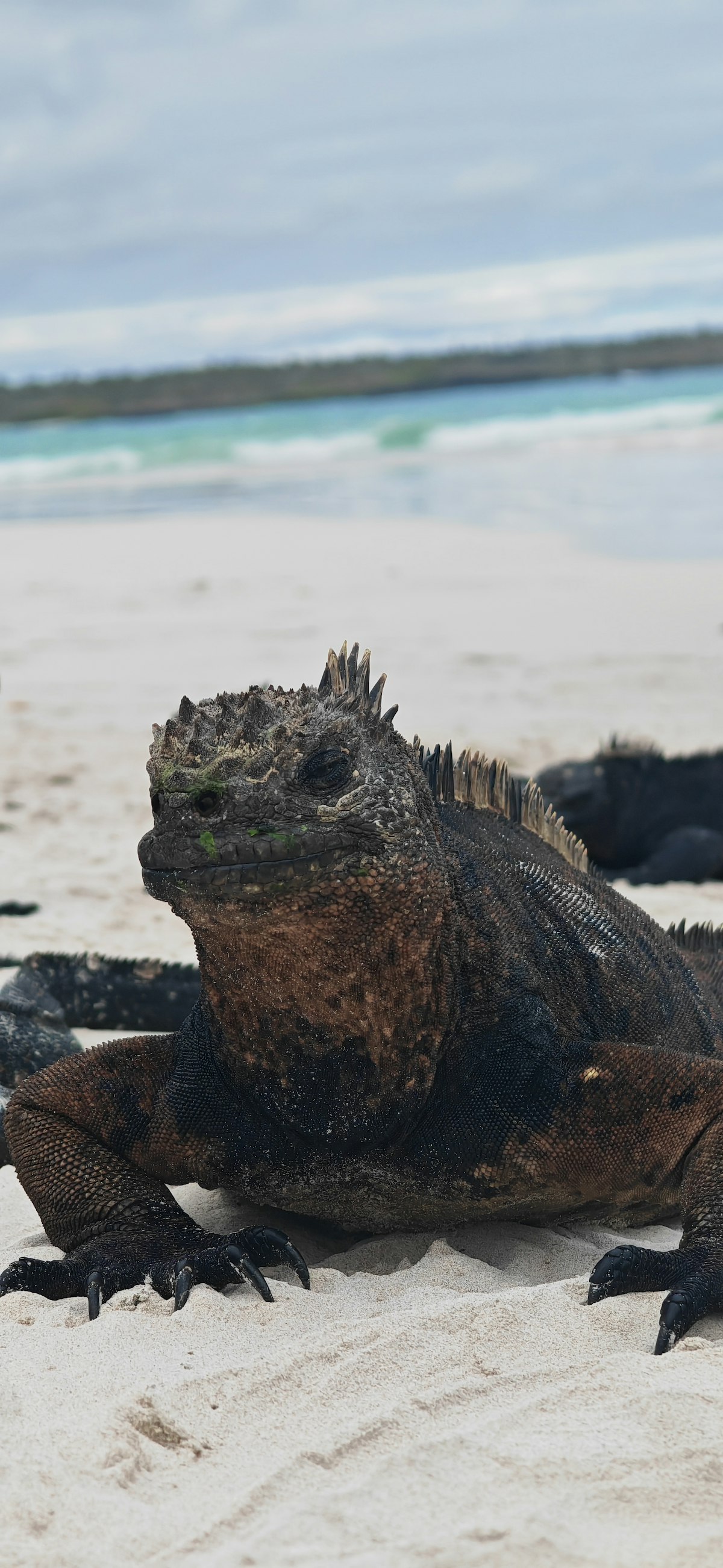
September
#9 of 12 months
Best match
Post-peak clarity: whale sharks still offshore, snorkelling visibility improving as school-holiday crowds begin to ease.
- ↑Whale sharks still active at Darwin and Wolf Islands through September: post-August-peak crowds easing while the wildlife behavior remains at the same intensity
- ↑Snorkelling conditions improving as the Humboldt Current begins its seasonal retreat: visibility at Gordon Rocks and Kicker Rock at its clearest of the year in September–October
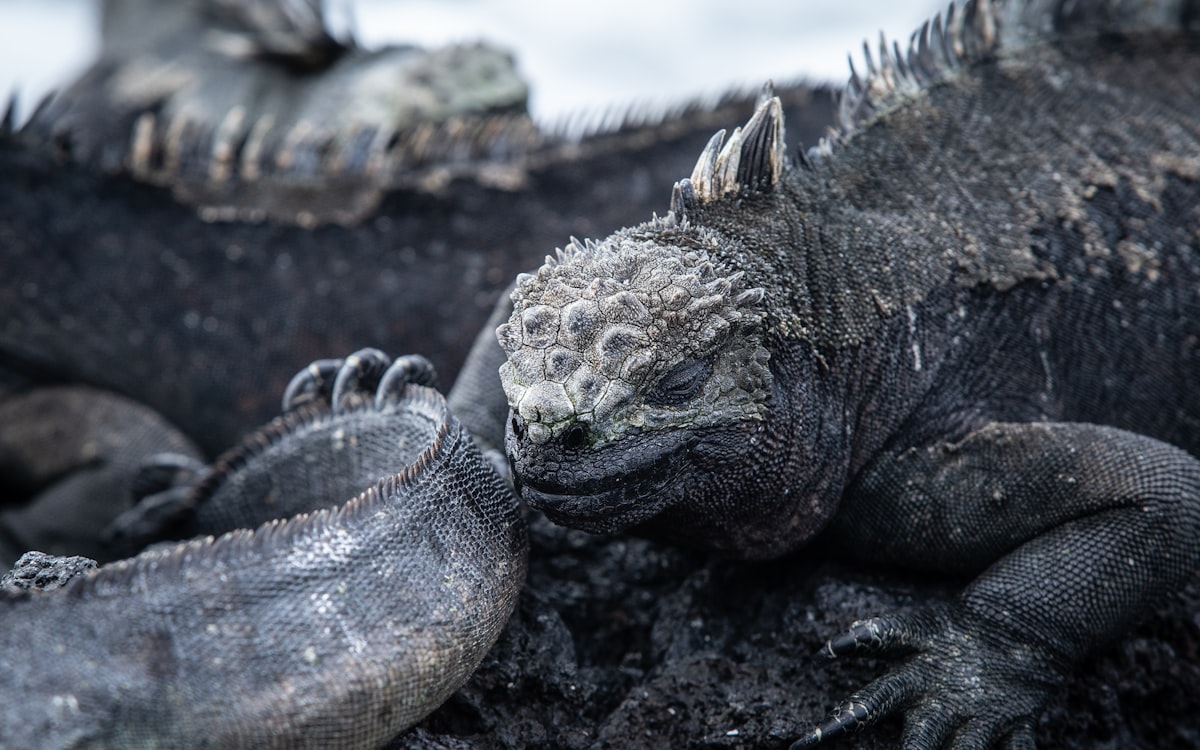
May
#1 of 12 months
Best match
Shoulder season at its best: low prices, few visitors, and the last warmth before the Humboldt Current brings the cool season.
- ↑The lowest visitor numbers of the year (outside June–July which ironically sees more): last-minute liveaboard availability and day-cruise prices at their annual minimum
- ↑Rain essentially over (30mm — lightest of any month) with increasingly clear skies as the Humboldt Current begins its approach: good conditions for both snorkelling and island hikes
| Factor | September | May |
|---|---|---|
| Weather score | 7 | 7 |
| Value score | 6 | 8 |
| Crowd score | 6 | 8 |
| Events score | 7 | 7 |
| Atmosphere | 7 | 7 |
| Avg high temp | 23°C | 27°C |
| Monthly rain | 8mm | 30mm |
| Daily sunshine | 4.5hrs | 5hrs |
September trade-offs
- ↓Waved albatross departing Española Island from September: the breeding colony disperses into the open Pacific, reducing one of July-August's highlights
- ↓Still fairly expensive: liveaboard pricing hasn't fully eased from peak season despite reduced demand
May trade-offs
- ↓Not peak season for any single dramatic wildlife spectacle: a transitional month where warm-season highlights are fading and cool-season highlights haven't peaked yet
- ↓Cool-season winds beginning to build: inter-island crossings in the open ocean between the main island groups becoming choppier than during January–March
Scores compare months within Galápagos Islands. Climate data: Open Meteo ERA5 30-year normals (1991–2020). Methodology →