Hakone · Month comparison
November vs December
December ranks #1 overall vs November at #2. Crisp and clear — winter onsen season opens with excellent Fuji visibility and low crowds.
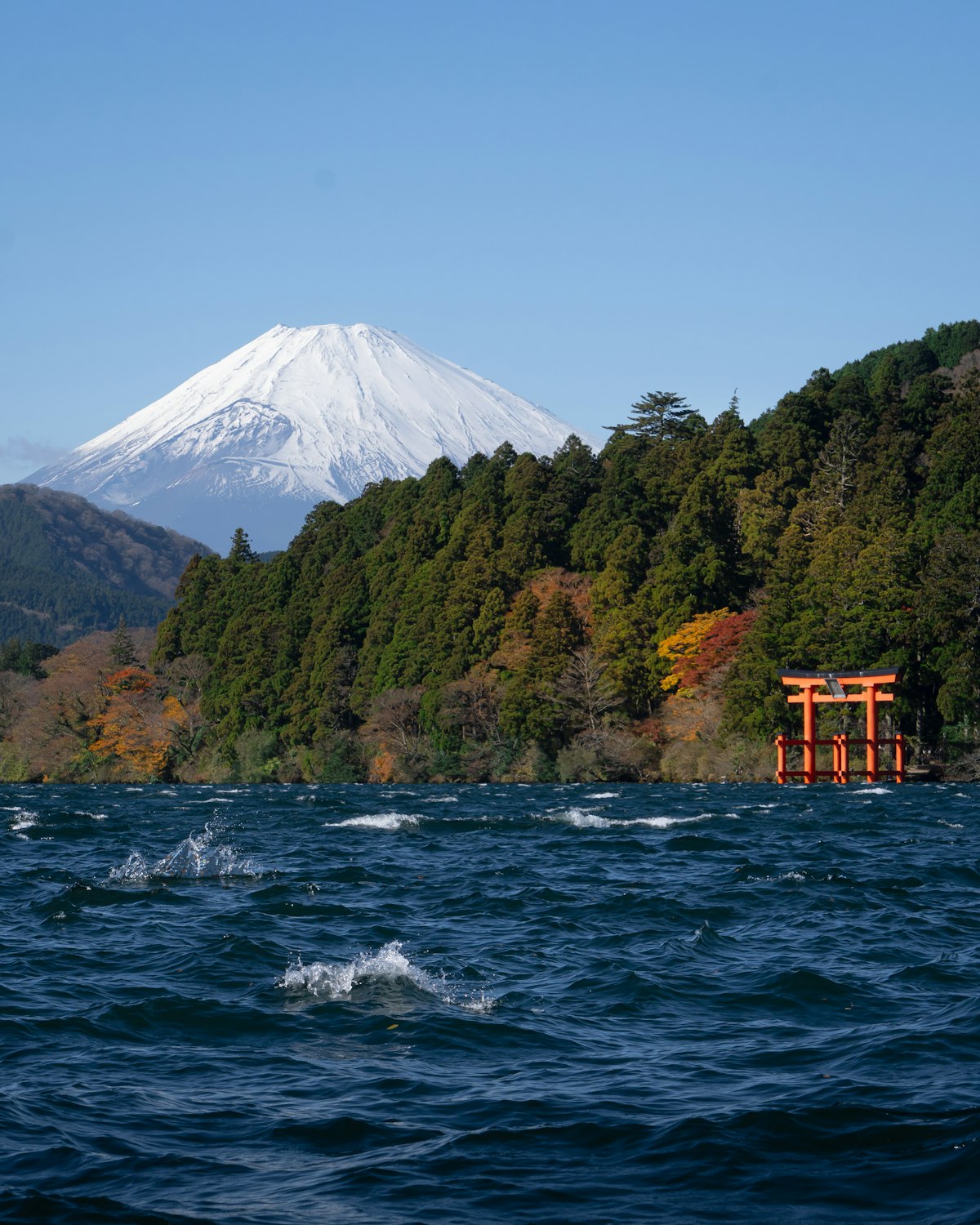
November
#2 of 12 months
Best match
The best all-round month — peak koyo foliage, clear Fuji views, and the Daimyo procession.
- ↑Peak autumn foliage: the ropeway over Owakudani, Gora Park, and Lake Ashi shores in full red and gold — Hakone at its most spectacular
- ↑Mt Fuji visibility returns strongly from mid-November; the mountain above a red foliage canopy is the definitive Hakone photograph
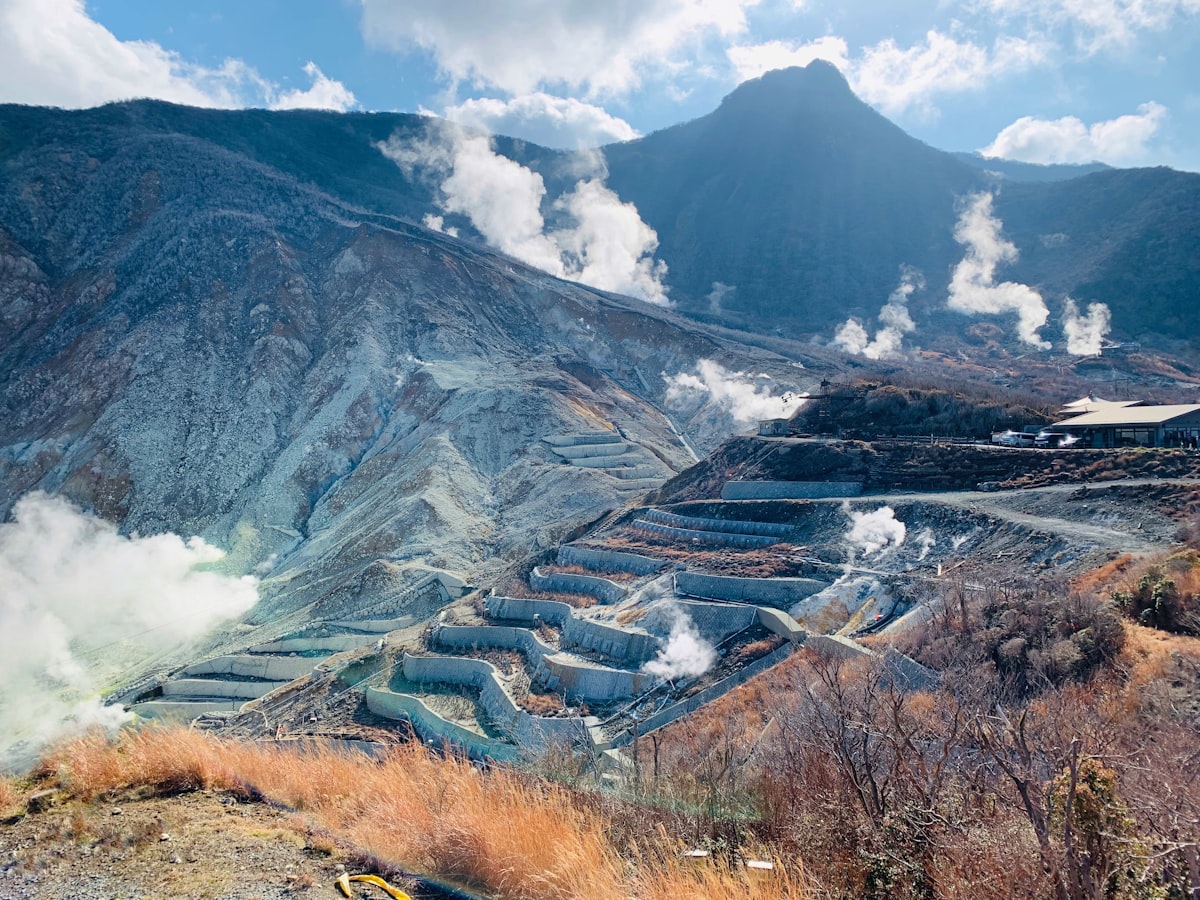
December
#1 of 12 months
Best match
Crisp and clear — winter onsen season opens with excellent Fuji visibility and low crowds.
- ↑Excellent Mt Fuji clarity: December air is dry and clean, producing sharp sightlines from Lake Ashi and the ropeway
- ↑Lowest crowds of the post-autumn period: accommodation rates drop sharply after the foliage rush
| Factor | November | December |
|---|---|---|
| Weather score | 7 | 7 |
| Value score | 5 | 7 |
| Crowd score | 5 | 7 |
| Events score | 7 | 5 |
| Atmosphere | 9 | 8 |
| Avg high temp | 14°C | 9°C |
| Monthly rain | 100mm | 65mm |
| Daily sunshine | 5.5hrs | 6hrs |
November trade-offs
- ↓High crowds: the autumn foliage peak draws significant domestic tourism; Hakone Shrine and ropeway busy on weekends
- ↓Accommodation rates elevated throughout November — ryokan prices near cherry-blossom-season levels
- ↓Foliage window is 2–3 weeks and shifts year to year; early arrivals in November may find it still building
December trade-offs
- ↓Cold: 2°C lows require proper layering for all outdoor activities including ropeway and lake walks
- ↓Christmas and New Year week (Dec 28–Jan 3) sees a brief price and crowd spike
- ↓Short daylight hours limit afternoon photography windows; the golden hour arrives before 4:30pm
Scores compare months within Hakone. Climate data: Open Meteo ERA5 30-year normals (1991–2020). Methodology →