Havana · Month comparison
January vs February
February ranks #1 overall vs January at #4. The driest month of the year: 46mm, 8 sunshine hours, and warm Caribbean air without the heat.
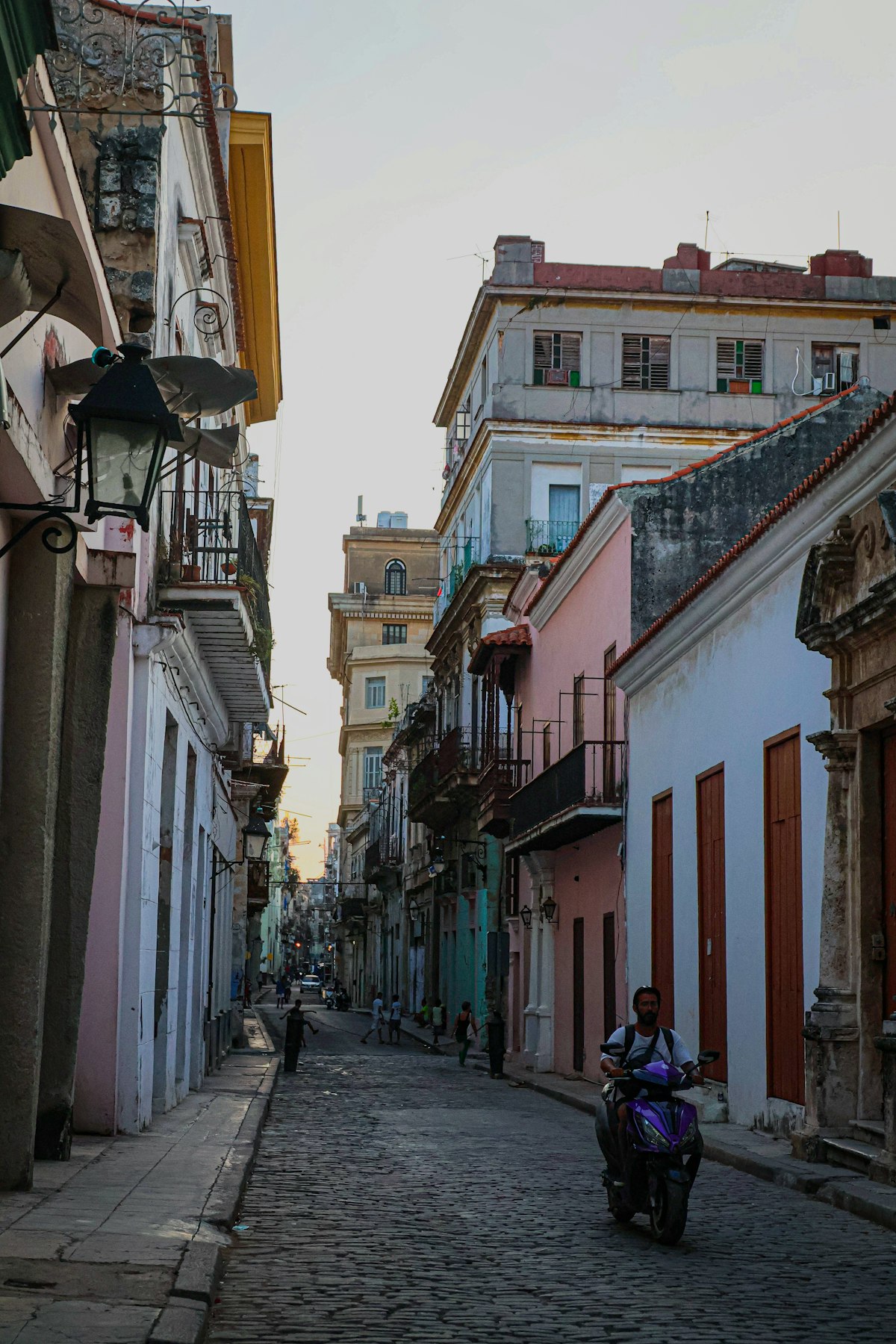
January
#4 of 12 months
Best match
Peak dry season: 26°C, reliable sunshine, and Havana at its most visited.
- ↑Only 71mm of rain spread across the month — outdoor sightseeing in Old Havana, the Malecón, and Plaza de la Revolución is reliably feasible.
- ↑Comfortable 26°C highs with cool 18°C evenings — the most pleasant temperatures of the year for walking the cobblestone streets of La Habana Vieja.
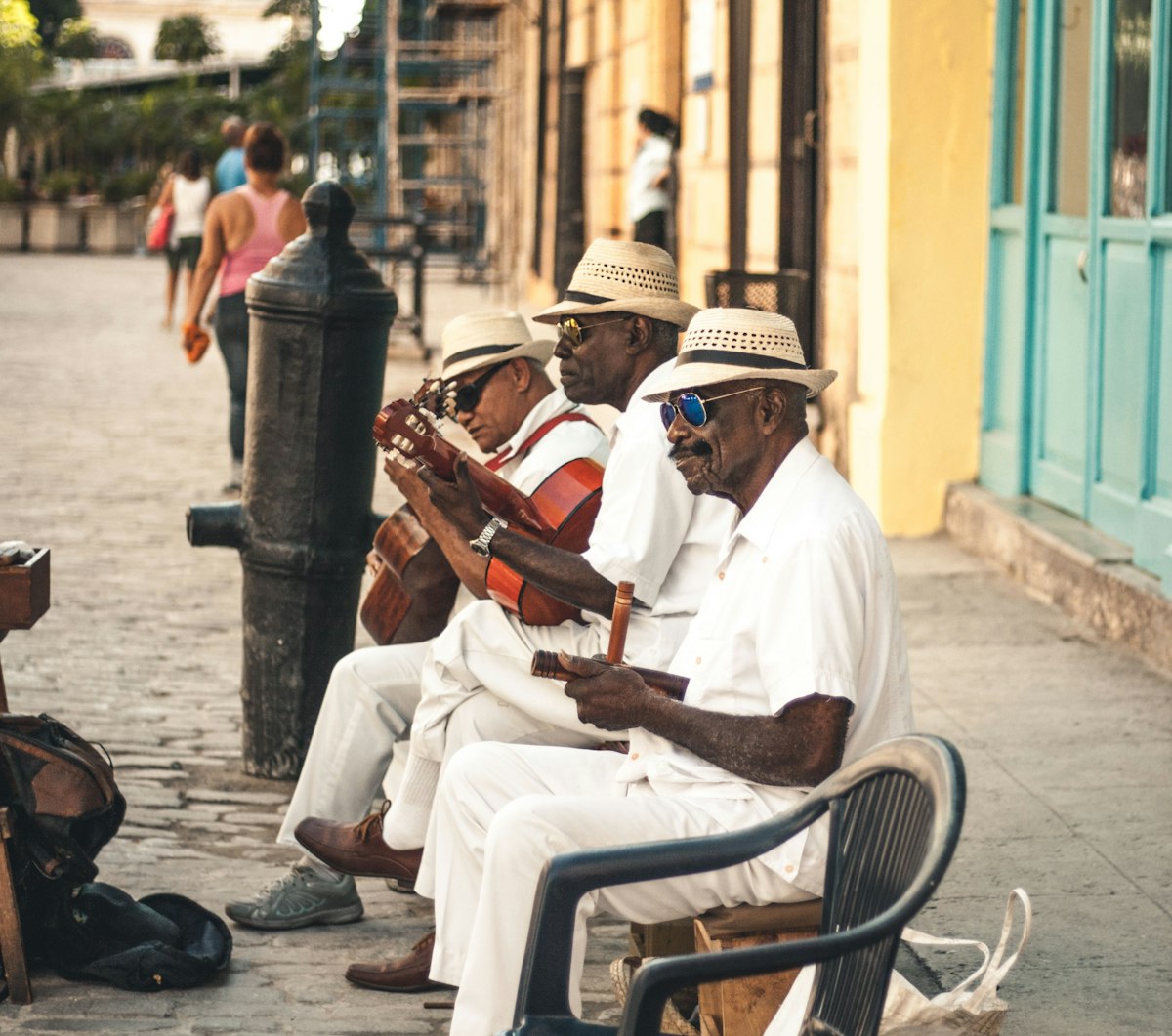
February
#1 of 12 months
Best match
The driest month of the year: 46mm, 8 sunshine hours, and warm Caribbean air without the heat.
- ↑February is statistically Havana's driest month — only 46mm — making it the most reliable for outdoor photography and all-day sightseeing.
- ↑8 hours of sunshine per day and 27°C highs with low humidity (75%) — the single best weather month in the calendar.
| Factor | January | February |
|---|---|---|
| Weather score | 8 | 8 |
| Value score | 7 | 7 |
| Crowd score | 6 | 6 |
| Events score | 4 | 5 |
| Atmosphere | 7 | 7 |
| Avg high temp | 26°C | 27°C |
| Monthly rain | 71mm | 46mm |
| Daily sunshine | 7hrs | 8hrs |
January trade-offs
- ↓High season demand means accommodation (casas particulares and hotels) books up fast — prices are 20–30% above the wet-season floor.
- ↓Popular plazas such as Plaza de la Catedral and Plaza Vieja are at their most crowded, especially on cruise-ship days.
- ↓No major festivals this month; cultural programming is quieter than December or July.
February trade-offs
- ↓High season crowds persist from January — popular casas particulares and boutique hotels in Old Havana require advance booking.
- ↓Prices remain at moderate-season levels; the budget window of the wet season is still months away.
- ↓Internet access is limited to Nauta Wi-Fi hotspots and hotel lobbies; connectivity frustrations are a constant regardless of month.
Scores compare months within Havana. Climate data: Open Meteo ERA5 30-year normals (1991–2020). Methodology →