Ho Chi Minh City · Month comparison
February vs January
February ranks #1 overall vs January at #2. Tết transforms the city — the driest month of the year meets Vietnam's biggest festival.
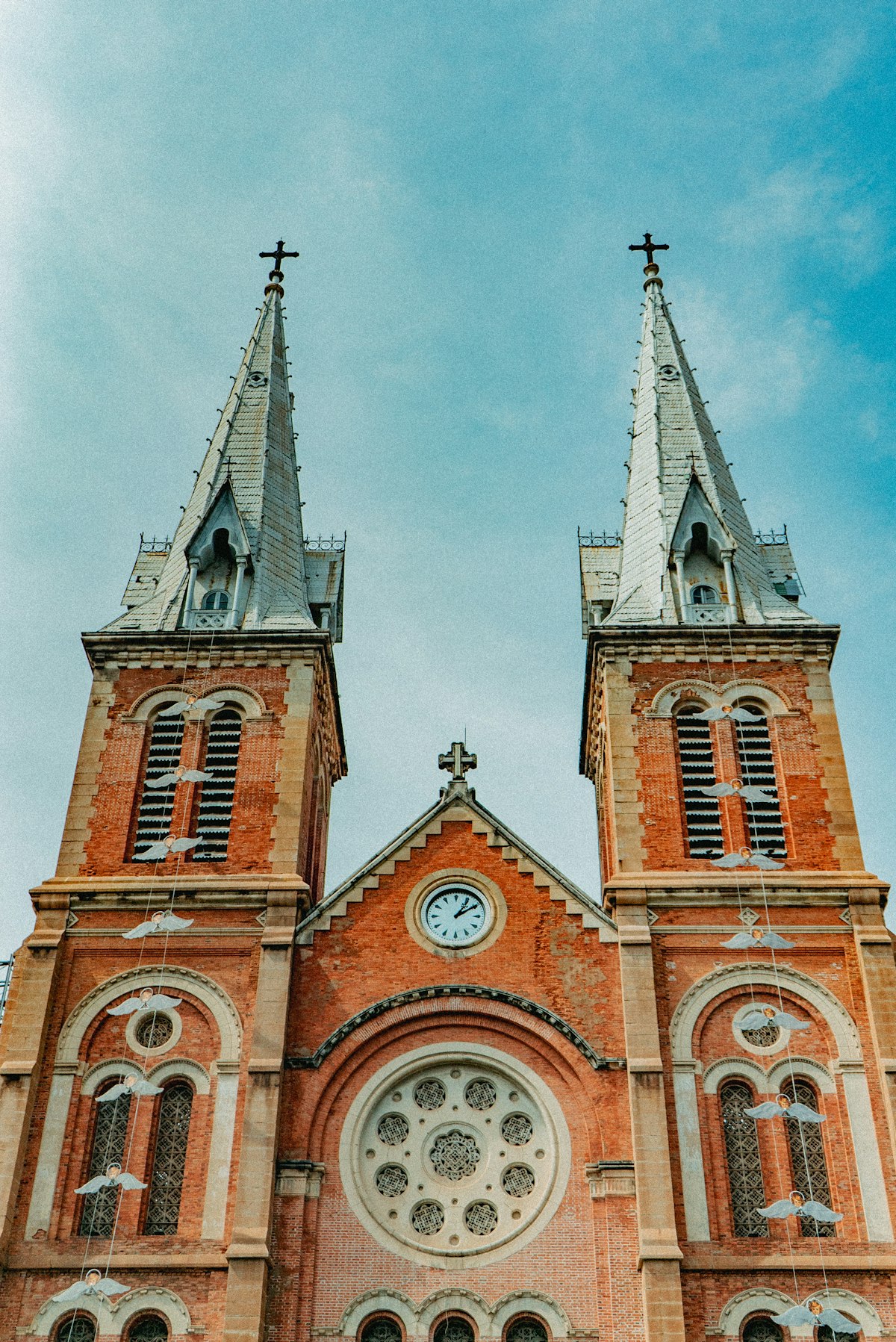
February
#1 of 12 months
Best match
Tết transforms the city — the driest month of the year meets Vietnam's biggest festival.
- ↑Tết (Vietnamese Lunar New Year) typically falls in February — the most spectacular festival in Vietnam; flower markets, firecrackers, and the entire city in red and gold
- ↑9 sunshine hours a day and only 5mm of rain: the driest and sunniest month of the year
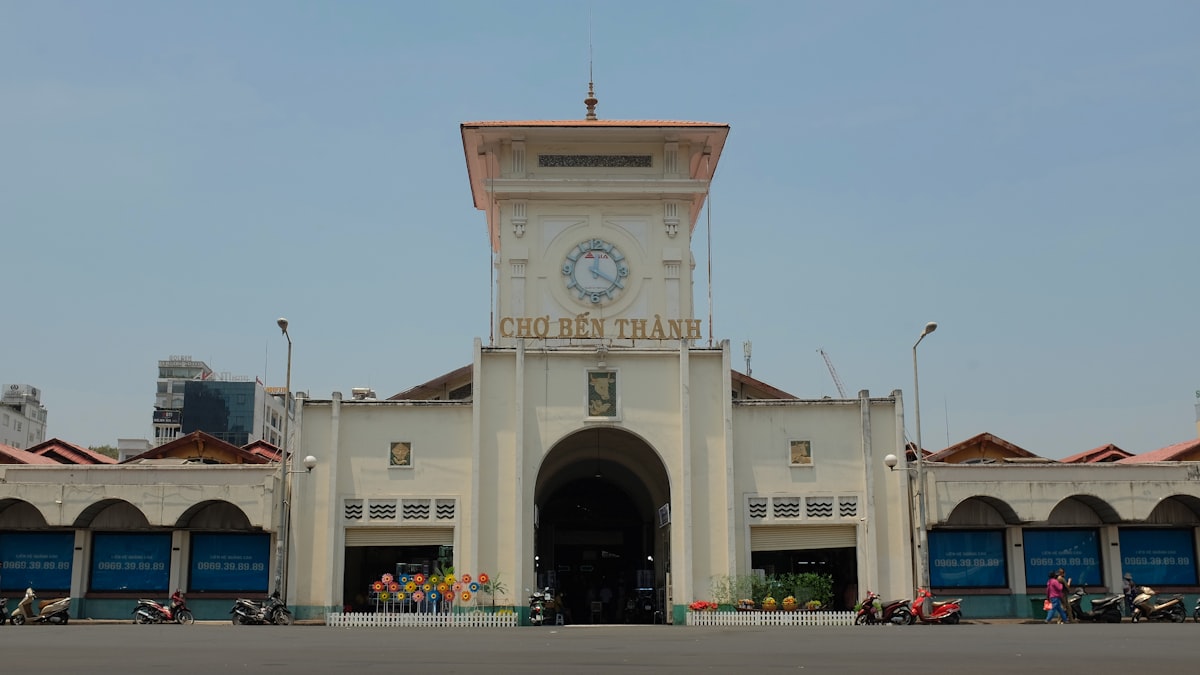
January
#2 of 12 months
Best match
Dry season peak — low rain, manageable heat, and the city in full tourist swing.
- ↑Dry season in full swing — 15mm of rain, 33°C days with low humidity by HCMC standards; the city at its most walkable
- ↑Lunar New Year preparation kicks off in January: Nguyen Hue Flower Street is decorated from early in the month, street food stalls proliferate
| Factor | February | January |
|---|---|---|
| Weather score | 9 | 8 |
| Value score | 4 | 5 |
| Crowd score | 7 | 6 |
| Events score | 10 | 7 |
| Atmosphere | 9 | 8 |
| Avg high temp | 34°C | 33°C |
| Monthly rain | 5mm | 15mm |
| Daily sunshine | 9hrs | 8hrs |
February trade-offs
- ↓Tết week means many restaurants, shops, and services close for 3–7 days — plan around this or embrace the shutdown
- ↓Hotel prices spike sharply around Tết; book 2–3 months ahead for any decent accommodation
- ↓Tết holiday creates domestic travel surge: bus stations, airports, and markets are chaotic in the week before the new year
January trade-offs
- ↓International visitor volume is at its highest — Ben Thanh Market, War Remnants Museum, and Reunification Palace are at their busiest
- ↓Hotels and good apartments run at peak pricing through the dry-season high
- ↓Tết itself falls in late January or February: book well ahead or accommodation fills completely as domestic travellers move home
Scores compare months within Ho Chi Minh City. Climate data: Open Meteo ERA5 30-year normals (1991–2020). Methodology →