Hoi An · Month comparison
April vs February
February ranks #1 overall vs April at #5. The driest month — warm, sunny, and still calm enough to enjoy the Old Town without peak crowds.
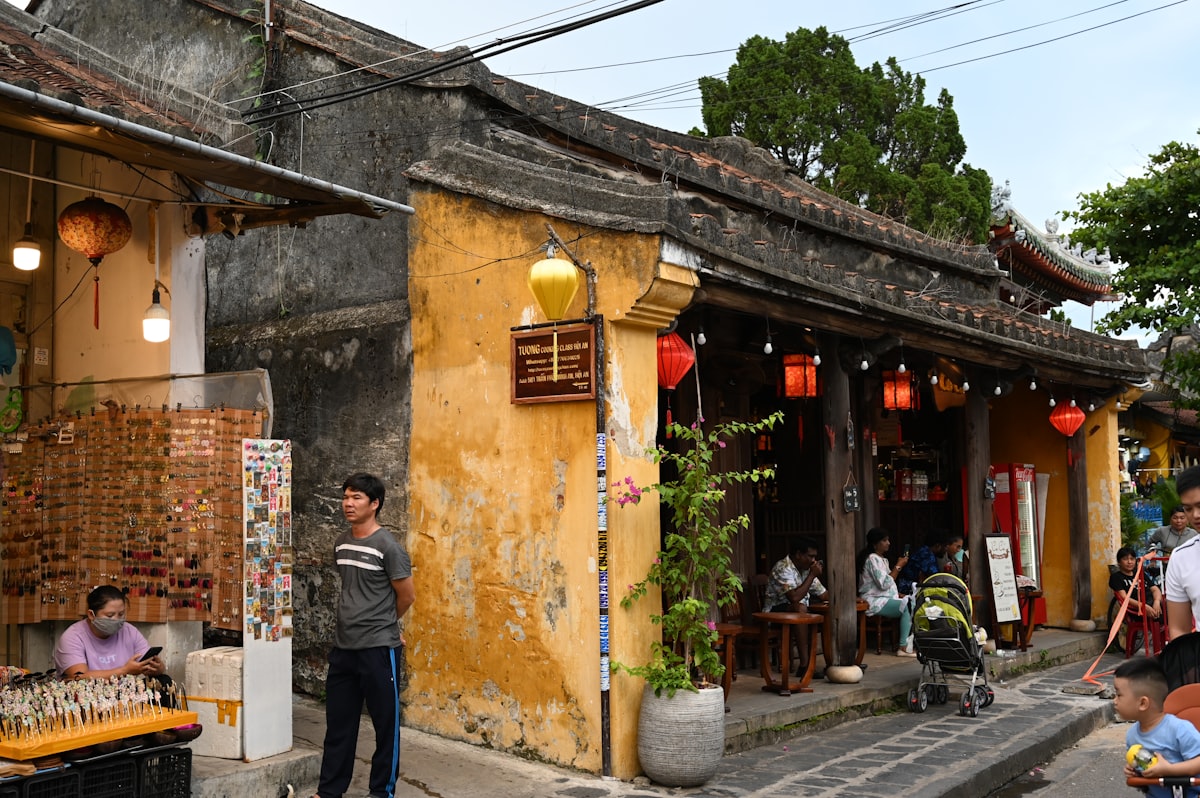
April
#5 of 12 months
Strong option
Hot, dry, and busy — peak beach season at An Bang, but Easter crowds fill the Ancient Town.
- ↑9.4 daily sunshine hours: the sunniest month — An Bang Beach at its absolute best for swimming
- ↑Still very low rainfall (36mm): outdoor cycling tours, countryside visits, and boat trips fully reliable
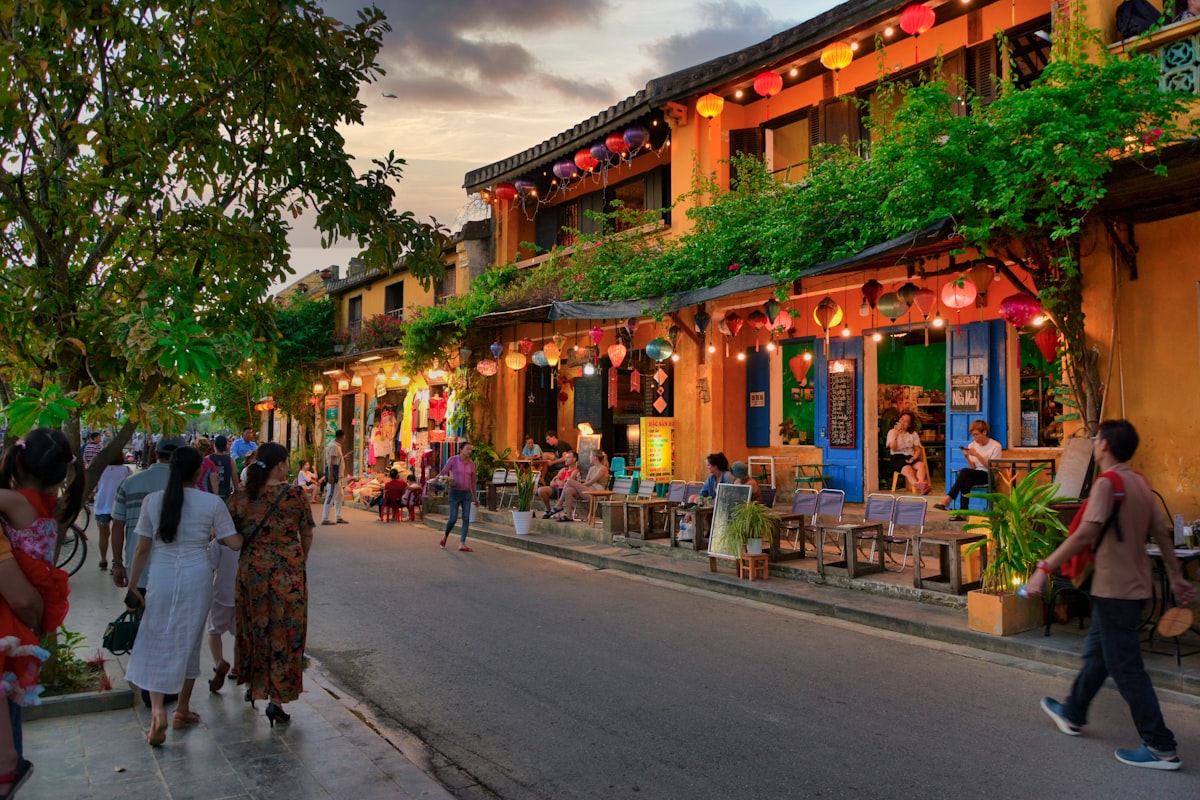
February
#1 of 12 months
Best match
The driest month — warm, sunny, and still calm enough to enjoy the Old Town without peak crowds.
- ↑Only 30mm of rain: the driest month in Hoi An's calendar — beach days at An Bang Beach are reliable for the first time
- ↑8.2 daily sunshine hours and 26°C highs: ideal for cycling the countryside and exploring the Ancient Town on foot
| Factor | April | February |
|---|---|---|
| Weather score | 8 | 9 |
| Value score | 5 | 7 |
| Crowd score | 4 | 6 |
| Events score | 6 | 8 |
| Atmosphere | 8 | 9 |
| Avg high temp | 31°C | 26°C |
| Monthly rain | 36mm | 30mm |
| Daily sunshine | 9.4hrs | 8.2hrs |
April trade-offs
- ↓Easter holiday peak: European and Australian spring-break tourists make the Ancient Town feel crowded at weekends
- ↓Hottest spell of the dry season — midday sightseeing in the Old Town requires seeking shade frequently
- ↓Accommodation prices at a seasonal high; budget guesthouses near the Japanese Covered Bridge often fully booked
February trade-offs
- ↓International visitor numbers building toward the March peak — popular tailor shops book out 2–3 days ahead
- ↓Some Tet-period closures affect restaurants and family-run tailors for 3–5 days around the holiday
- ↓Humidity at 82% means evenings are warmer than the temperature suggests
Scores compare months within Hoi An. Climate data: Open Meteo ERA5 30-year normals (1991–2020). Methodology →