Iceland · Month comparison
December vs September
September ranks #1 overall vs December at #9. Aurora returns, autumn colours explode, crowds drop — the most atmospheric month in Iceland.
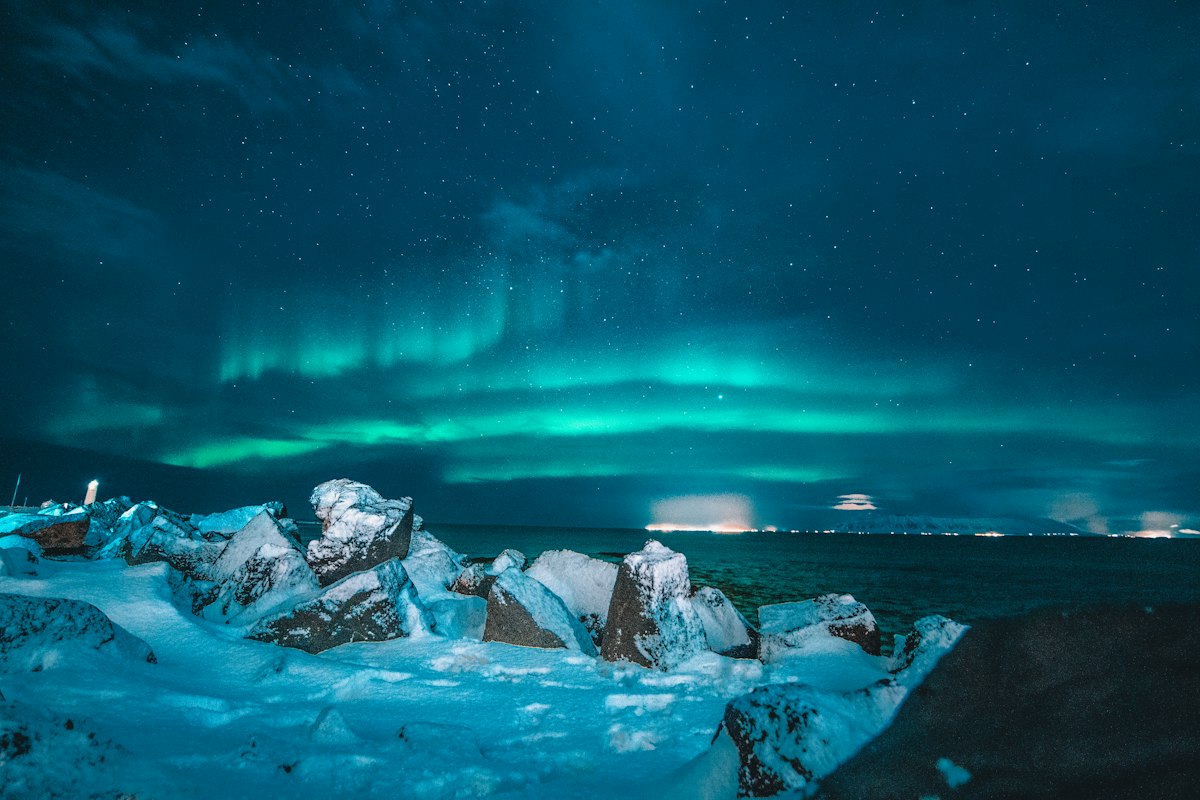
December
#9 of 12 months
Best match
Darkest nights, Christmas in Reykjavik, epic New Year bonfires — and aurora every clear night.
- ↑Reykjavik Christmas: festive markets, 13 Icelandic Yule Lads visiting through December, cosy bar and restaurant scene
- ↑New Year's Eve bonfire-and-fireworks tradition unlike anywhere in Europe — entire city lights up simultaneously at midnight
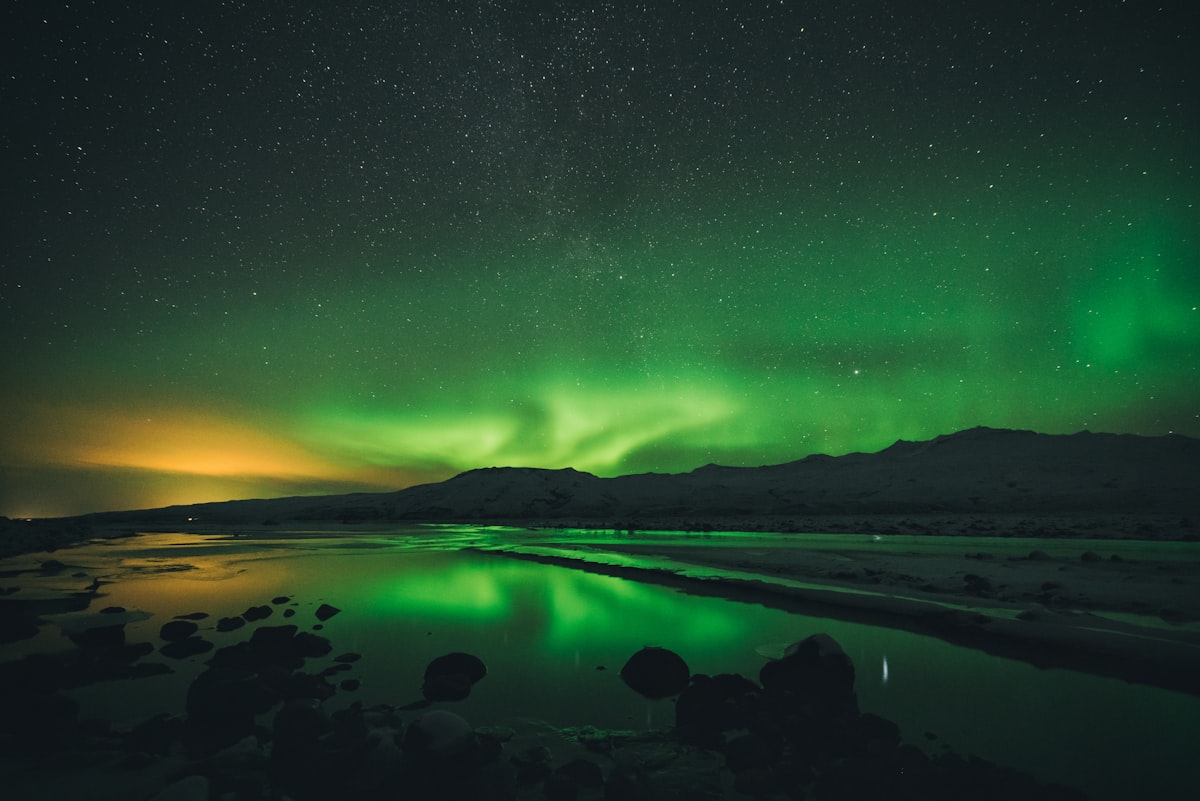
September
#1 of 12 months
Best match
Aurora returns, autumn colours explode, crowds drop — the most atmospheric month in Iceland.
- ↑Aurora borealis returns from early September as nights grow long enough — first sightings of the new season
- ↑Autumn colours (yellows, reds, oranges across the highlands) peak in September — uniquely photogenic landscapes
| Factor | December | September |
|---|---|---|
| Weather score | 3 | 6 |
| Value score | 6 | 6 |
| Crowd score | 7 | 7 |
| Events score | 8 | 7 |
| Atmosphere | 9 | 9 |
| Avg high temp | 2°C | 10°C |
| Monthly rain | 78mm | 67mm |
| Daily sunshine | 2.2hrs | 8.5hrs |
December trade-offs
- ↓Christmas and New Year weeks drive prices up sharply — not the budget-friendly rates of October–November
- ↓Only 2.2 hours of sunshine at the solstice: the darkest you will ever experience anywhere in Europe
- ↓Popular New Year accommodation books out months in advance; last-minute options limited
September trade-offs
- ↓Temperatures drop quickly (10°C high); warm layers essential and weather windows shorter
- ↓Highland F-roads closing progressively through September — some interior routes blocked by late month
- ↓Aurora is back but not yet at winter frequency — nights still shorter than January–March
Scores compare months within Iceland. Climate data: Open Meteo ERA5 30-year normals (1991–2020). Methodology →