Jaipur · Month comparison
July vs November
November ranks #1 overall vs July at #8. The best month — Pushkar Camel Fair, perfect weather, and Jaipur firing on every cylinder.
July
#8 of 12 months
Worth considering
Monsoon peak — the Aravalli hills turn green, but flooding is a real sightseeing disruptor.
- ↑The monsoon transformation of Rajasthan is genuinely spectacular. The Aravalli hills around Jaipur — bare and brown from March to June — become vivid green within 2–3 weeks of the first rains' arrival. Lakes fill, stepwells (the magnificent Panna Meena Ka Kund near Amber) flow with cascading water, and the entire character of the landscape changes.
- ↑Heritage properties at their monsoon-minimum prices offer access to extraordinary spaces. The Samode Palace (45km from Jaipur, an 18th-century haveli with frescoed dining rooms and a Mughal garden) runs at approximately ₹8,000–₹12,000/night in July versus ₹25,000+ in January.
November
#1 of 12 months
Best match
The best month — Pushkar Camel Fair, perfect weather, and Jaipur firing on every cylinder.
- ↑The Pushkar Camel Fair (Kartik Mela, 5 days in late November determined by the Hindu lunar calendar, held at Pushkar 145km from Jaipur) is one of the world's great spectacles: 50,000+ camels, 200,000 traders and pilgrims, camel races, cattle trading, and the sacred Pushkar Lake ghats with their evening aarti ceremonies. The combination of the trading fair and the religious festival — Pushkar is one of India's holiest cities — makes this an unrepeatable event. Jaipur is the natural base for most visitors attending Pushkar.
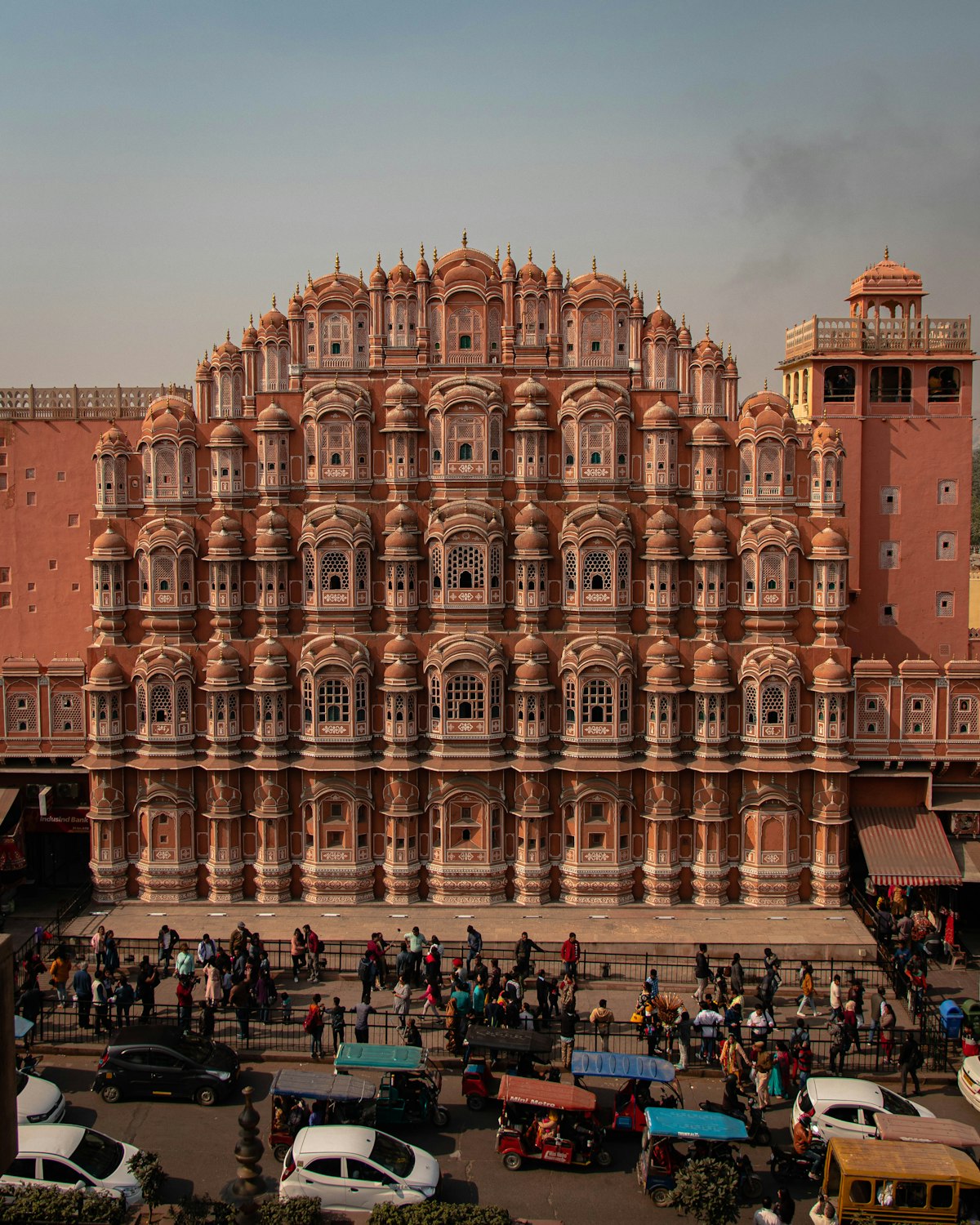
- ↑November weather is the pinnacle of Rajasthan travel conditions. At 27–28°C highs and 12°C comfortable evenings, every monument, every bazaar, and every rooftop restaurant is accessible in ideal conditions. The Hawa Mahal in the pink morning light of November, the Amber Fort courtyard in the late afternoon sun — these are the images that define Jaipur photography and November delivers the light quality that makes them.
| Factor | July | November |
|---|---|---|
| Weather score | 3 | 10 |
| Value score | 9 | 4 |
| Crowd score | 10 | 4 |
| Events score | 4 | 10 |
| Atmosphere | 6 | 10 |
| Avg high temp | 34.2°C | 27.8°C |
| Monthly rain | 200mm | 9mm |
| Daily sunshine | 5.5hrs | 8.9hrs |
July trade-offs
- ↓Monsoon rainfall of 200mm in July, concentrated in heavy downpours of 40–60mm over a few hours, can flood the low-lying areas of the old walled city and temporarily make roads impassable. Amber Fort's access road has historically flooded in extreme monsoon events, shutting access for 12–24 hours at a time. Planning any itinerary with built-in flexibility is essential.
- ↓High humidity (70–75%) combined with the residual heat (34°C) creates a genuinely unpleasant sticky atmosphere during rain-free periods. The romantic image of monsoon Rajasthan needs to be balanced against the reality of wet clothing, slippery marble, and the persistent background smell of old stone and damp earth.
November trade-offs
- ↓November is peak season and prices are at or near their January maximums. The Pushkar Fair period specifically creates acute accommodation pressure across Jaipur and Pushkar simultaneously — heritage hotels and boutique properties book out 3–4 months in advance for Pushkar dates. Rates at the Rambagh Palace and Jai Mahal Palace match January's JLF premiums.
- ↓The Pushkar Fair itself is crowded, commercial, and requires navigating significant tourist-focused pricing. The camels are real, the trading is real, but the experience is increasingly packaged for international visitors. Going with realistic expectations about the balance between authentic fair and tourist production is important.
Scores compare months within Jaipur. Climate data: Open Meteo ERA5 30-year normals (1991–2020). Methodology →