Jaipur · Month comparison
November vs February
November ranks #1 overall vs February at #2. The best month — Pushkar Camel Fair, perfect weather, and Jaipur firing on every cylinder.
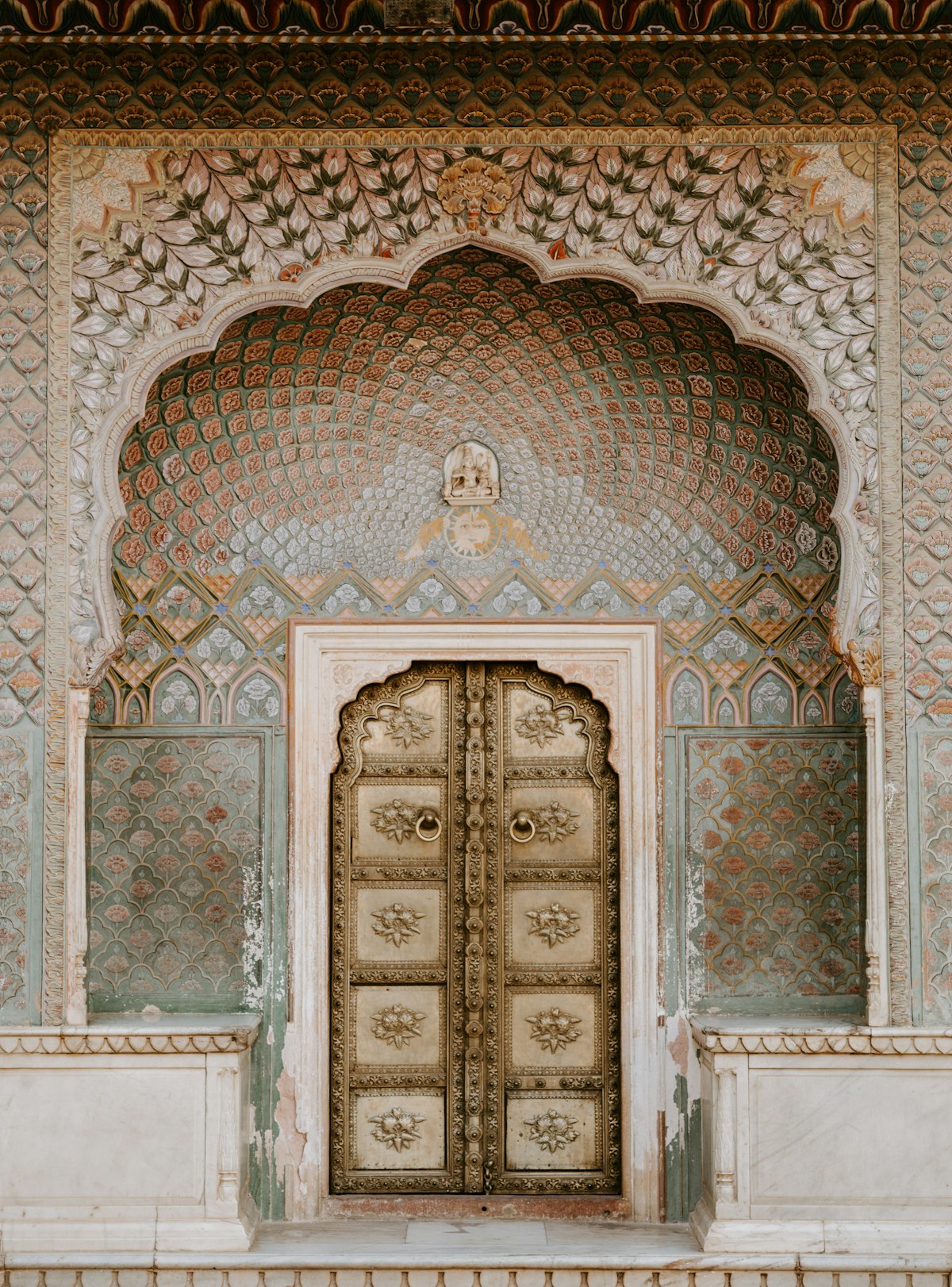
November
#1 of 12 months
Best match
The best month — Pushkar Camel Fair, perfect weather, and Jaipur firing on every cylinder.
- ↑The Pushkar Camel Fair (Kartik Mela, 5 days in late November determined by the Hindu lunar calendar, held at Pushkar 145km from Jaipur) is one of the world's great spectacles: 50,000+ camels, 200,000 traders and pilgrims, camel races, cattle trading, and the sacred Pushkar Lake ghats with their evening aarti ceremonies. The combination of the trading fair and the religious festival — Pushkar is one of India's holiest cities — makes this an unrepeatable event. Jaipur is the natural base for most visitors attending Pushkar.
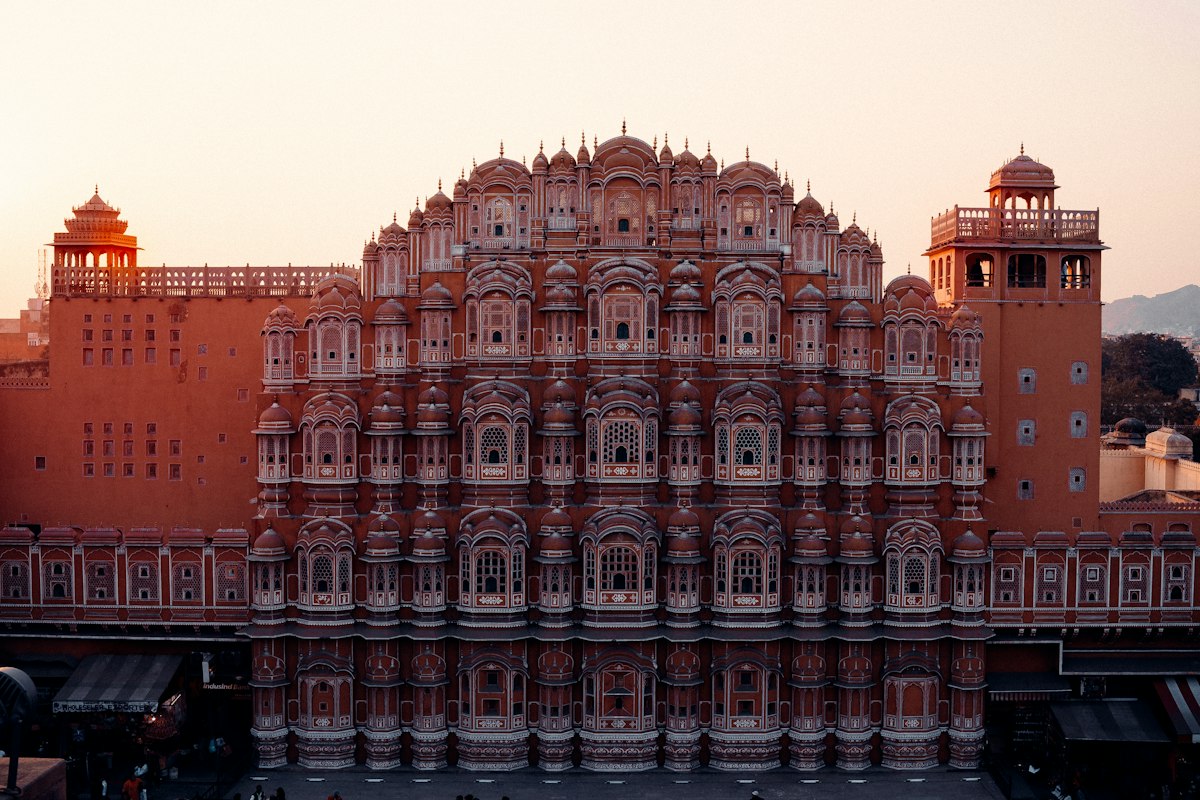
- ↑November weather is the pinnacle of Rajasthan travel conditions. At 27–28°C highs and 12°C comfortable evenings, every monument, every bazaar, and every rooftop restaurant is accessible in ideal conditions. The Hawa Mahal in the pink morning light of November, the Amber Fort courtyard in the late afternoon sun — these are the images that define Jaipur photography and November delivers the light quality that makes them.
February
#2 of 12 months
Best match
Holi energy builds and perfect weather continues — February is arguably the single best month.
- ↑February temperatures are ideal: 24–26°C in the day, cooling to 11–13°C overnight. The January festival crowd has dispersed after JLF, and Jaipur settles into a comfortable rhythm of tourist activity without the peak crush. Amber Fort, City Palace (still the residence of Jaipur's royal family, Maharaja Padmanabh Singh, who continues to preside over the annual Gangaur celebrations), and Jantar Mantar (UNESCO World Heritage astronomical observatory with 19 architectural instruments) are all comfortable full-day visits in February.
- ↑Elephant Festival and Holi preparations build through February (when Holi falls in March) or Holi itself occurs in late February in some years. The Elephant Festival — formerly held on the Chaugan grounds adjacent to City Palace — is the most photographed event in Rajasthan: caparisoned elephants in ornate blankets, painted faces, and silver anklets parading before the Pink City walls.
| Factor | November | February |
|---|---|---|
| Weather score | 10 | 9 |
| Value score | 4 | 5 |
| Crowd score | 4 | 5 |
| Events score | 10 | 8 |
| Atmosphere | 10 | 9 |
| Avg high temp | 27.8°C | 25.1°C |
| Monthly rain | 9mm | 9mm |
| Daily sunshine | 8.9hrs | 8.6hrs |
November trade-offs
- ↓November is peak season and prices are at or near their January maximums. The Pushkar Fair period specifically creates acute accommodation pressure across Jaipur and Pushkar simultaneously — heritage hotels and boutique properties book out 3–4 months in advance for Pushkar dates. Rates at the Rambagh Palace and Jai Mahal Palace match January's JLF premiums.
- ↓The Pushkar Fair itself is crowded, commercial, and requires navigating significant tourist-focused pricing. The camels are real, the trading is real, but the experience is increasingly packaged for international visitors. Going with realistic expectations about the balance between authentic fair and tourist production is important.
February trade-offs
- ↓Holi (when it falls in late February) drives a significant crowd surge and can disrupt general sightseeing on the actual festival day. The colour-throwing aspect, while incredible to witness, means wearing white clothes you care about is not recommended on Holi itself.
- ↓Tourism remains at moderate-high levels through February — international tour groups are fully operational and popular sites require early-morning visits for manageable photography conditions. Amber Fort can see 3,000–5,000 visitors on peak winter days.
Scores compare months within Jaipur. Climate data: Open Meteo ERA5 30-year normals (1991–2020). Methodology →