Kenya · Month comparison
April vs July
July ranks #1 overall vs April at #12. The Great Migration peaks — 1.5 million wildebeest and the most spectacular river crossings.
April
#12 of 12 months
Worth considering
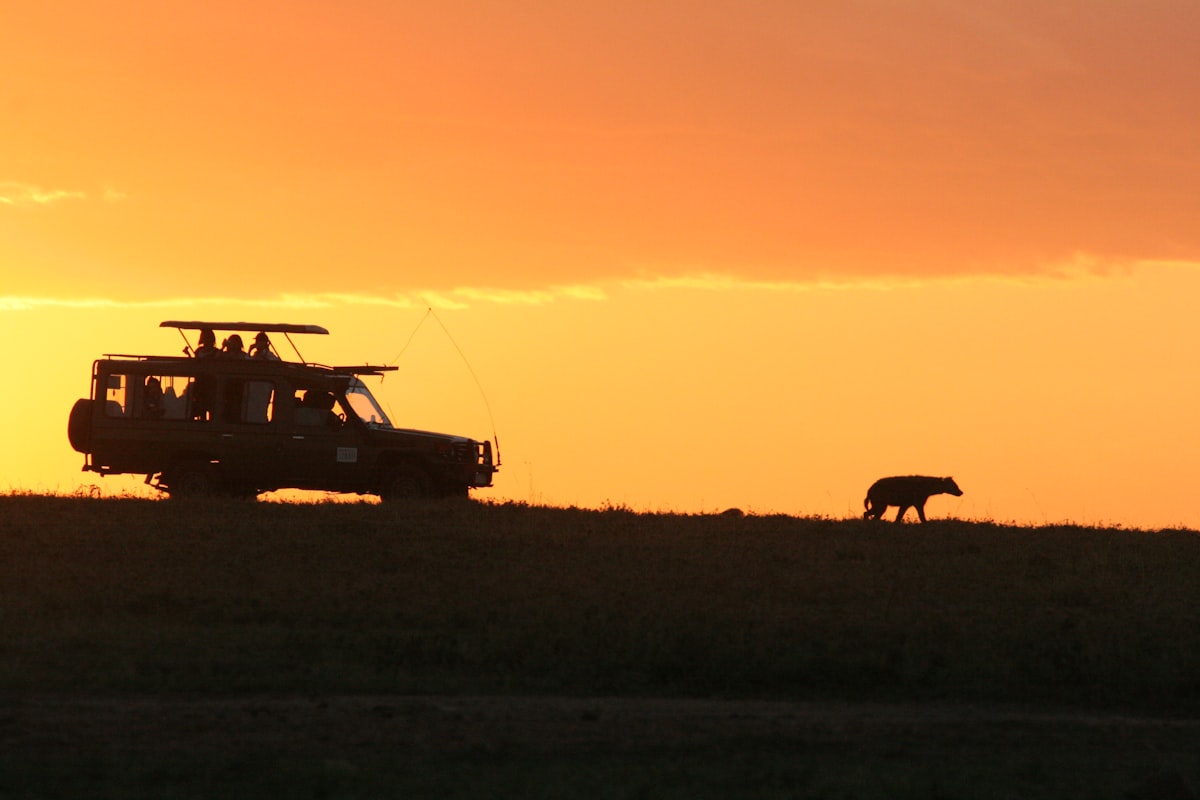
Peak rainy season — cheapest prices, lowest crowds, and dramatically difficult game viewing.
- ↑April is Kenya's lowest-price month for safaris. Premium camps that cost $800–$1,200pppn in peak season drop to $300–$500, some offering all-inclusive family packages at rates that make Kenya financially accessible for the first time. Nairobi's boutique hotels — the Hemingways Nairobi, The Norfolk Hotel — have their best availability of the year.
- ↑The Laikipia Plateau (Ol Pejeta, Lewa Wildlife Conservancy) holds up better in the rains than the Mara, with firmer ground and less dramatic grass growth. April is one of the best months to see rhino in Kenya — Ol Pejeta has the largest eastern black rhino sanctuary in the world and over 130 individuals.
July
#1 of 12 months
Best match
The Great Migration peaks — 1.5 million wildebeest and the most spectacular river crossings.
- ↑July is the month Kenya exists for in the global travel imagination. The Great Migration river crossings begin in earnest: the Mara River crossing points — Crossing No. 1 in the Mara Triangle, Lookout Hill, and the Serena crossing — host wildebeest plunging into the river in groups of thousands, with Nile crocodiles (some over 5 metres long) intercepting the herd mid-water. A single crossing event can last 2–4 hours and involve 50,000–200,000 animals. There are no guarantees on timing — crossings occur based on wildebeest instinct and predator pressure — but July is the peak month for crossing frequency.
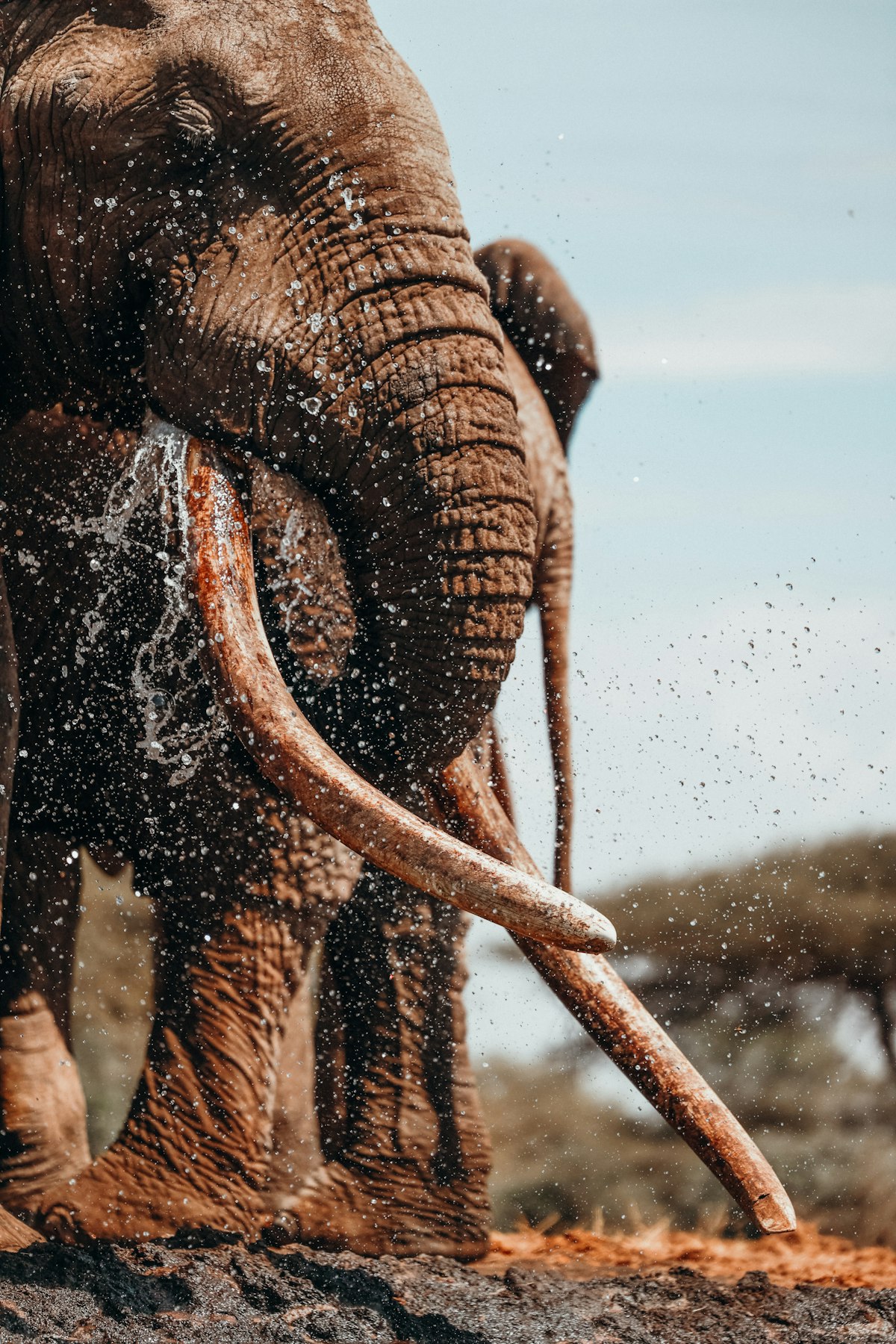
- ↑The Maralal International Camel Derby (typically late July, Maralal town in Samburu County) is one of East Africa's most extraordinary cultural and sporting events — amateur and professional camel racing drawing participants from across Kenya and internationally. The surrounding Samburu landscape, distinct from the Mara, hosts elephants, reticulated giraffes, and Grevy's zebra.
| Factor | April | July |
|---|---|---|
| Weather score | 3 | 9 |
| Value score | 9 | 3 |
| Crowd score | 9 | 3 |
| Events score | 4 | 10 |
| Atmosphere | 5 | 10 |
| Avg high temp | 27.2°C | 23.4°C |
| Monthly rain | 185mm | 24mm |
| Daily sunshine | 5.8hrs | 8.7hrs |
April trade-offs
- ↓April is statistically Kenya's wettest month in Nairobi (185mm) and the Masai Mara. The combination of heavy rains and saturated ground makes the famous Mara tracks dangerous and sometimes impassable for days at a time. Several Mara camps close entirely in April and May — many operate a June-to-October-November season only. Check camp operating schedules before booking.
- ↓Wildlife photography in April is compromised by heavy overcast, tall grass obscuring small predators, and the tendency of animals to shelter in vegetation during rain. The great open-savanna scenes that define Mara photography are essentially unavailable in April.
July trade-offs
- ↓July is Kenya's most expensive month. Premium Mara camps (Angama Mara, Mahali Mzuri, AndBeyond Bateleur Camp) charge $1,000–$1,500pppn fully inclusive. Even mid-range camps with less-than-perfect locations run $400–$600pppn. Booking 6–12 months in advance is advised for the best camps — the most desirable river-adjacent positions sell out by March for July.
- ↓The Masai Mara in July is crowded by African safari standards — multiple vehicles converging on predator sightings and crossing events is a reality. At popular crossing points, the vehicle concentration can feel at odds with the wilderness experience. This is mitigated in the conservancies (Olare-Motorogi, Naboisho, Ol Kinyei) which impose vehicle limits per sighting.
Scores compare months within Kenya. Climate data: Open Meteo ERA5 30-year normals (1991–2020). Methodology →