Kenya · Month comparison
January vs July
July ranks #1 overall vs January at #3. The Great Migration peaks — 1.5 million wildebeest and the most spectacular river crossings.
January
#3 of 12 months
Best match
Wildebeest calving season in the Mara — predator activity at its most intense and memorable.
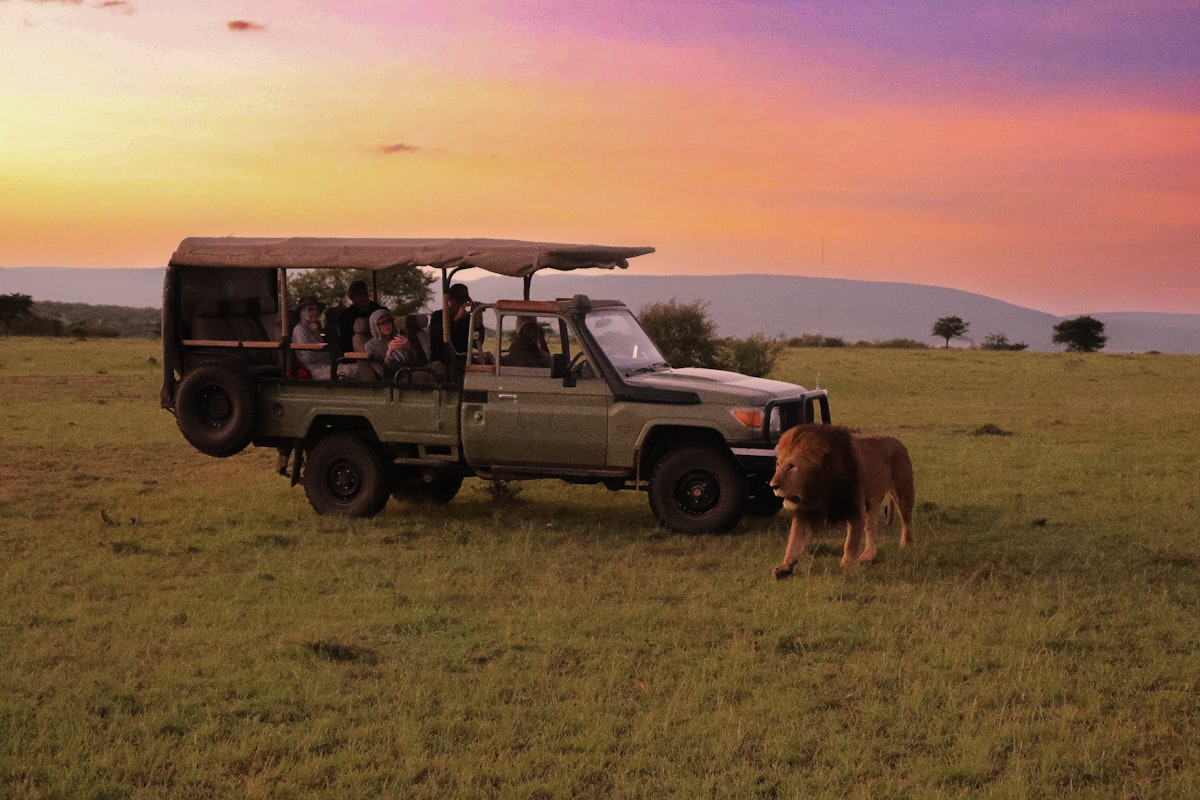
- ↑January sits in Kenya's long dry season and delivers excellent game viewing conditions across the Masai Mara, Amboseli, and Samburu. Vegetation is short, water sources are concentrated, and animals cluster at rivers and watering holes. Lion prides and cheetah are highly visible in the open savanna of the Mara ecosystem.
- ↑Wildebeest calving season runs from approximately December to February, peaking in January in the southern Serengeti just across the Tanzanian border. While the actual calving grounds are in Tanzania, the wildebeest herds begin their northward build-up in the Mara Triangle and the knock-on effect on predator behaviour — particularly cheetah and wild dog activity — is spectacular and visible on the Kenyan side.
July
#1 of 12 months
Best match
The Great Migration peaks — 1.5 million wildebeest and the most spectacular river crossings.
- ↑July is the month Kenya exists for in the global travel imagination. The Great Migration river crossings begin in earnest: the Mara River crossing points — Crossing No. 1 in the Mara Triangle, Lookout Hill, and the Serena crossing — host wildebeest plunging into the river in groups of thousands, with Nile crocodiles (some over 5 metres long) intercepting the herd mid-water. A single crossing event can last 2–4 hours and involve 50,000–200,000 animals. There are no guarantees on timing — crossings occur based on wildebeest instinct and predator pressure — but July is the peak month for crossing frequency.
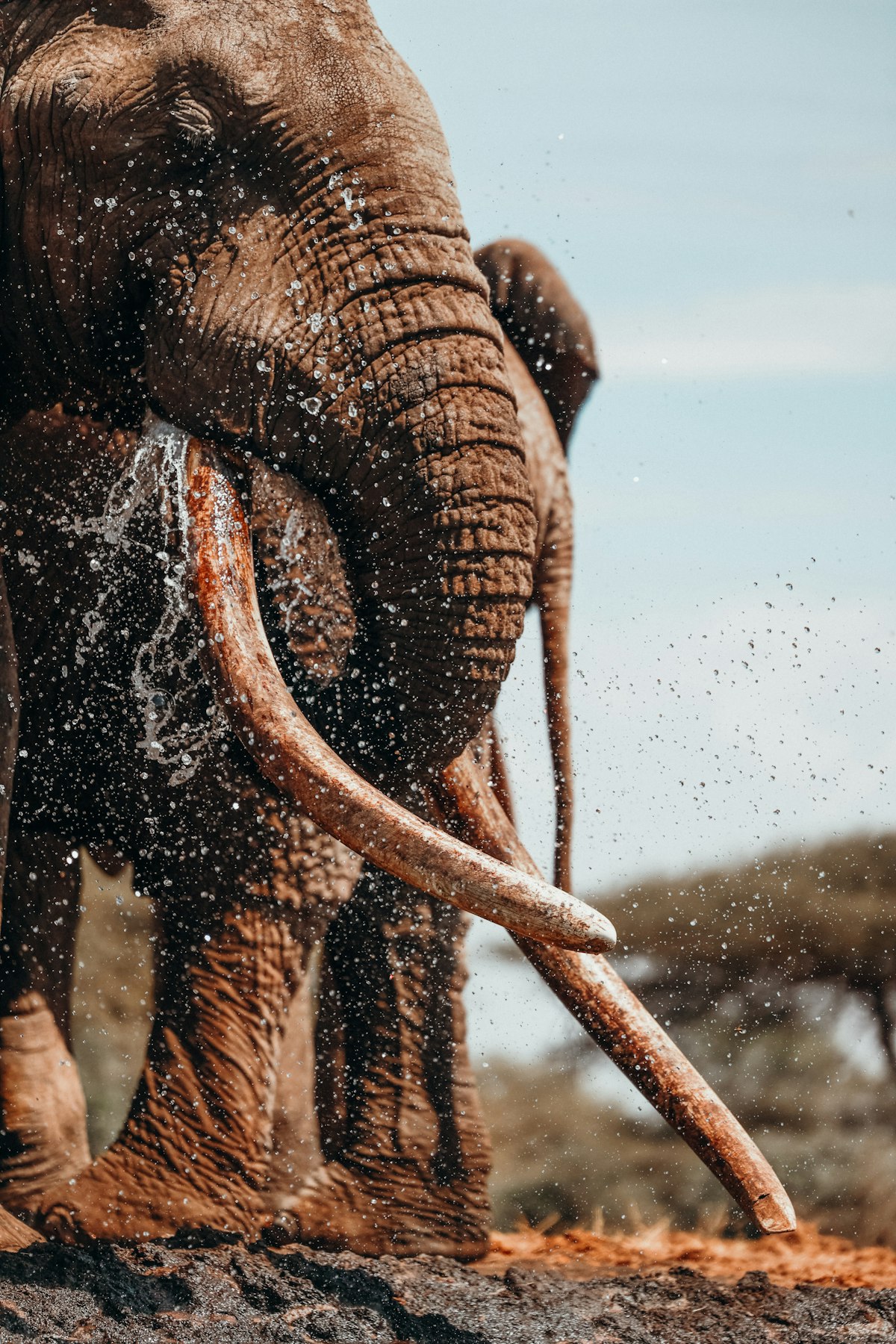
- ↑The Maralal International Camel Derby (typically late July, Maralal town in Samburu County) is one of East Africa's most extraordinary cultural and sporting events — amateur and professional camel racing drawing participants from across Kenya and internationally. The surrounding Samburu landscape, distinct from the Mara, hosts elephants, reticulated giraffes, and Grevy's zebra.
| Factor | January | July |
|---|---|---|
| Weather score | 8 | 9 |
| Value score | 6 | 3 |
| Crowd score | 6 | 3 |
| Events score | 7 | 10 |
| Atmosphere | 8 | 10 |
| Avg high temp | 26.8°C | 23.4°C |
| Monthly rain | 40mm | 24mm |
| Daily sunshine | 8.5hrs | 8.7hrs |
January trade-offs
- ↓January is high season across the Mara ecosystem and prices reflect it. Premium camps in the Masai Mara — Angama Mara, Mahali Mzuri (Richard Branson's camp), Sanctuary Olonana — run $800–$1,200 per person per night fully inclusive. Mid-range tented camps range from $300–$500pppn. Self-drive is not permitted in the Mara conservancies; all game drives require a camp vehicle and driver-guide.
- ↓The Diani Beach and Mombasa Coast are in their hottest, most humid period (28–30°C, 75% humidity) in January — not unpleasant, but not the cool-breeze beach experience the coast offers in July. The Indian Ocean is warm for swimming but jellyfish can be present in number.
July trade-offs
- ↓July is Kenya's most expensive month. Premium Mara camps (Angama Mara, Mahali Mzuri, AndBeyond Bateleur Camp) charge $1,000–$1,500pppn fully inclusive. Even mid-range camps with less-than-perfect locations run $400–$600pppn. Booking 6–12 months in advance is advised for the best camps — the most desirable river-adjacent positions sell out by March for July.
- ↓The Masai Mara in July is crowded by African safari standards — multiple vehicles converging on predator sightings and crossing events is a reality. At popular crossing points, the vehicle concentration can feel at odds with the wilderness experience. This is mitigated in the conservancies (Olare-Motorogi, Naboisho, Ol Kinyei) which impose vehicle limits per sighting.
Scores compare months within Kenya. Climate data: Open Meteo ERA5 30-year normals (1991–2020). Methodology →