Kenya · Month comparison
November vs July
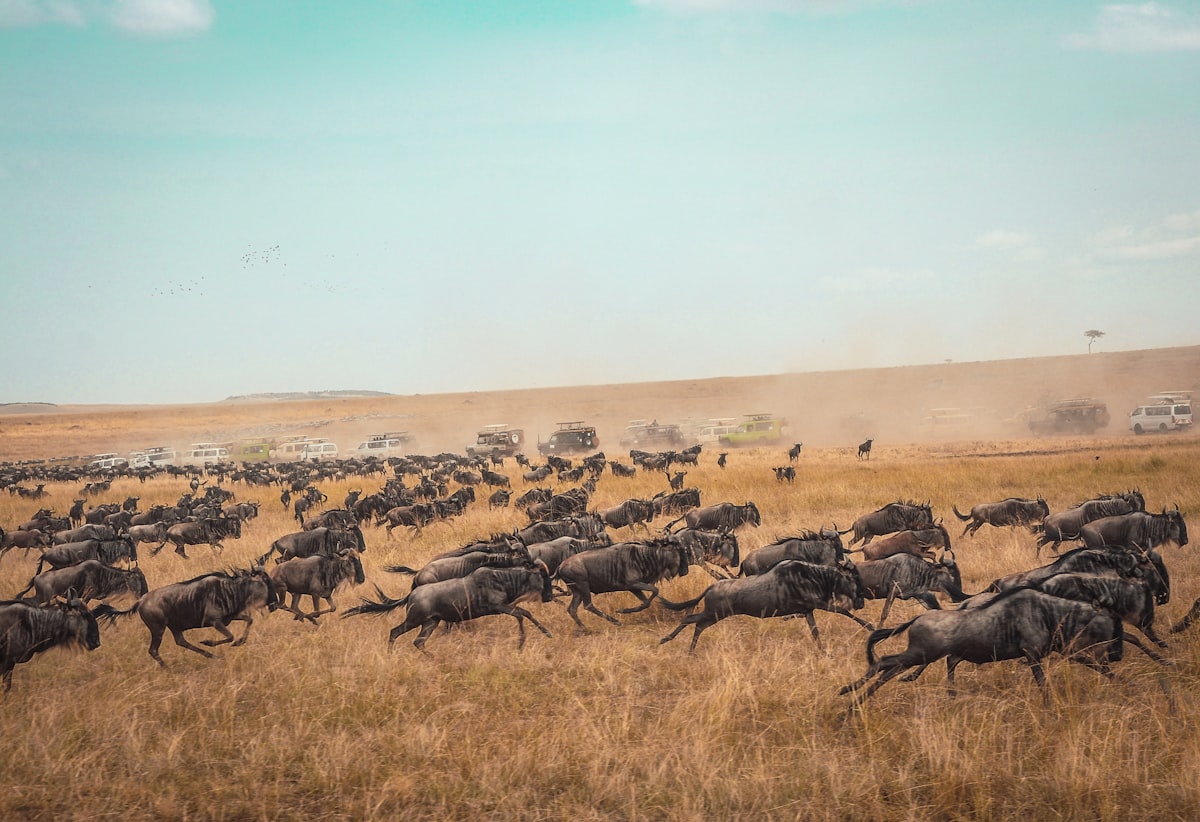
July ranks #1 overall vs November at #9. The Great Migration peaks — 1.5 million wildebeest and the most spectacular river crossings.
November
#9 of 12 months
Best match
Short Rains peak — shoulder season prices at good camps, but game viewing requires flexibility.
- ↑November is Kenya's second shoulder season, and for travellers who can tolerate some rain and are willing to work with the mornings-only good-light strategy, the price difference is substantial. Premium camps that ran at $1,000pppn in August are at $400–$550; mid-range camps at $200–$280pppn.
- ↑The Short Rains bring the landscape back to vivid green while maintaining more reliable daily sunshine windows than the Long Rains of March–May. Afternoons are typically the wet period; mornings are generally clear, and a 6am game drive in November can be excellent across Laikipia, Samburu, and Amboseli.
July
#1 of 12 months
Best match
The Great Migration peaks — 1.5 million wildebeest and the most spectacular river crossings.
- ↑July is the month Kenya exists for in the global travel imagination. The Great Migration river crossings begin in earnest: the Mara River crossing points — Crossing No. 1 in the Mara Triangle, Lookout Hill, and the Serena crossing — host wildebeest plunging into the river in groups of thousands, with Nile crocodiles (some over 5 metres long) intercepting the herd mid-water. A single crossing event can last 2–4 hours and involve 50,000–200,000 animals. There are no guarantees on timing — crossings occur based on wildebeest instinct and predator pressure — but July is the peak month for crossing frequency.
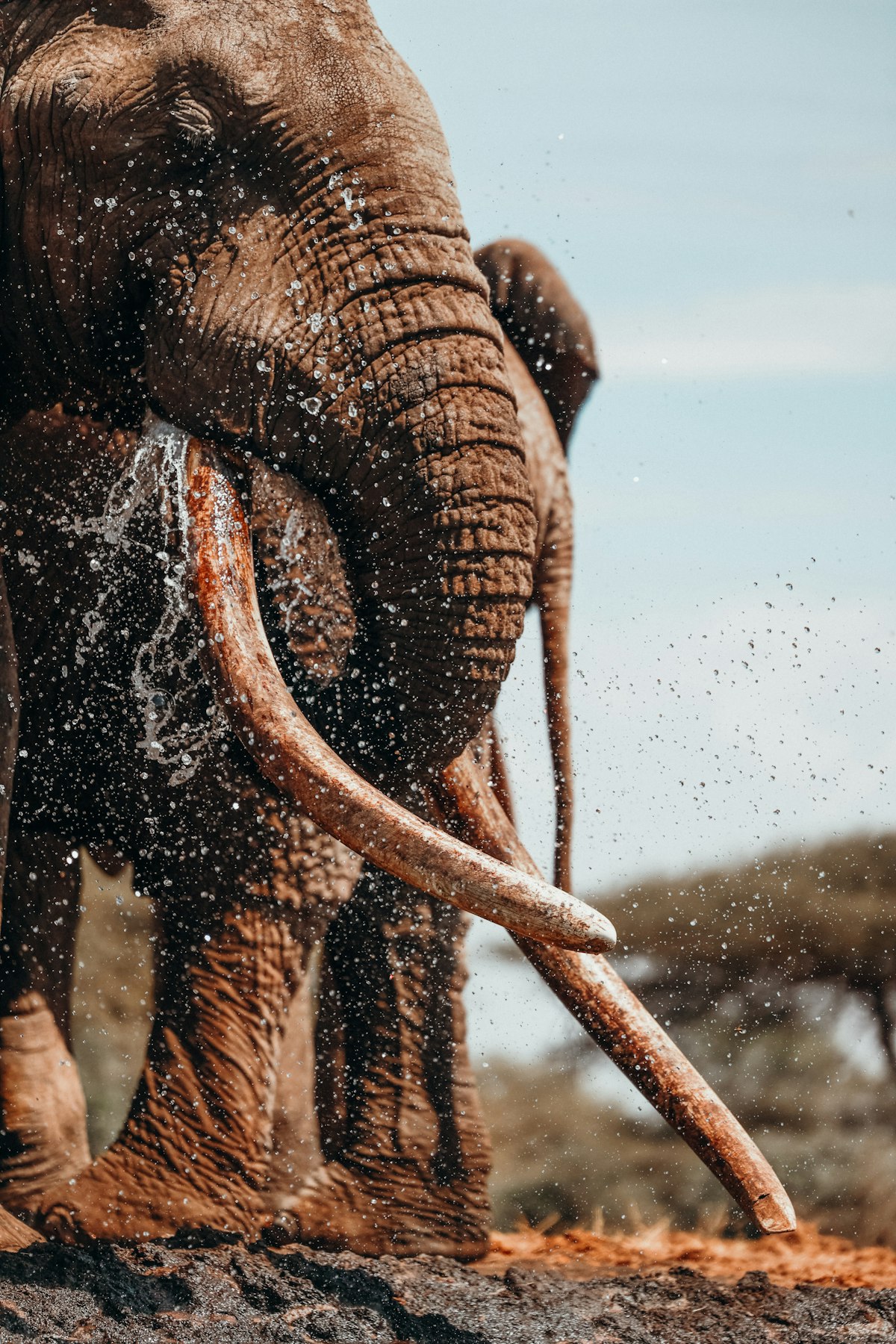
- ↑The Maralal International Camel Derby (typically late July, Maralal town in Samburu County) is one of East Africa's most extraordinary cultural and sporting events — amateur and professional camel racing drawing participants from across Kenya and internationally. The surrounding Samburu landscape, distinct from the Mara, hosts elephants, reticulated giraffes, and Grevy's zebra.
| Factor | November | July |
|---|---|---|
| Weather score | 5 | 9 |
| Value score | 8 | 3 |
| Crowd score | 8 | 3 |
| Events score | 5 | 10 |
| Atmosphere | 7 | 10 |
| Avg high temp | 25.8°C | 23.4°C |
| Monthly rain | 110mm | 24mm |
| Daily sunshine | 6.8hrs | 8.7hrs |
November trade-offs
- ↓The Short Rains (November peak) mean reliable afternoon and evening rainfall — typically 2–4 hours of significant rain between noon and 4pm. Planning any visit around morning game drives (6am–11am) is the essential strategy, but this limits the flexibility of the itinerary.
- ↓Some camp properties at lower altitude (coast-adjacent, lowland Mara) experience genuine mud and road challenges in November. Checking current road conditions with camps 2 weeks before arrival is advisable.
July trade-offs
- ↓July is Kenya's most expensive month. Premium Mara camps (Angama Mara, Mahali Mzuri, AndBeyond Bateleur Camp) charge $1,000–$1,500pppn fully inclusive. Even mid-range camps with less-than-perfect locations run $400–$600pppn. Booking 6–12 months in advance is advised for the best camps — the most desirable river-adjacent positions sell out by March for July.
- ↓The Masai Mara in July is crowded by African safari standards — multiple vehicles converging on predator sightings and crossing events is a reality. At popular crossing points, the vehicle concentration can feel at odds with the wilderness experience. This is mitigated in the conservancies (Olare-Motorogi, Naboisho, Ol Kinyei) which impose vehicle limits per sighting.
Scores compare months within Kenya. Climate data: Open Meteo ERA5 30-year normals (1991–2020). Methodology →