Kuala Lumpur · Month comparison
February vs July
July ranks #1 overall vs February at #4. The driest month of the year — 7.5 sunshine hours and the best conditions for outdoor KL.
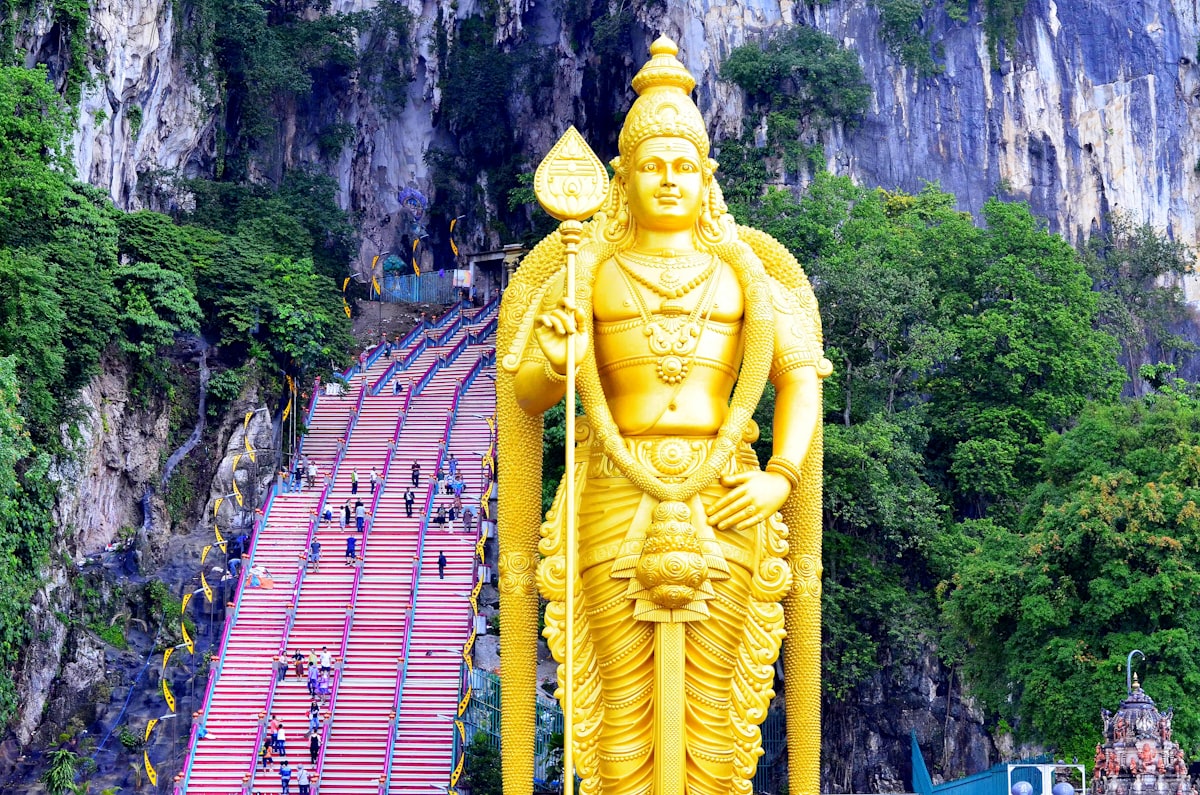
February
#4 of 12 months
Best match
Thaipusam and Chinese New Year peak — KL's most festive month of the year.
- ↑Thaipusam at Batu Caves (if falling in Feb) draws over a million pilgrims — the kavadi procession of body piercings and ornate carriages is the most visually extraordinary religious event in SE Asia
- ↑Chinese New Year celebrations continue with open-house events where Malaysians of all ethnicities visit one another — a genuine expression of Malaysian culture
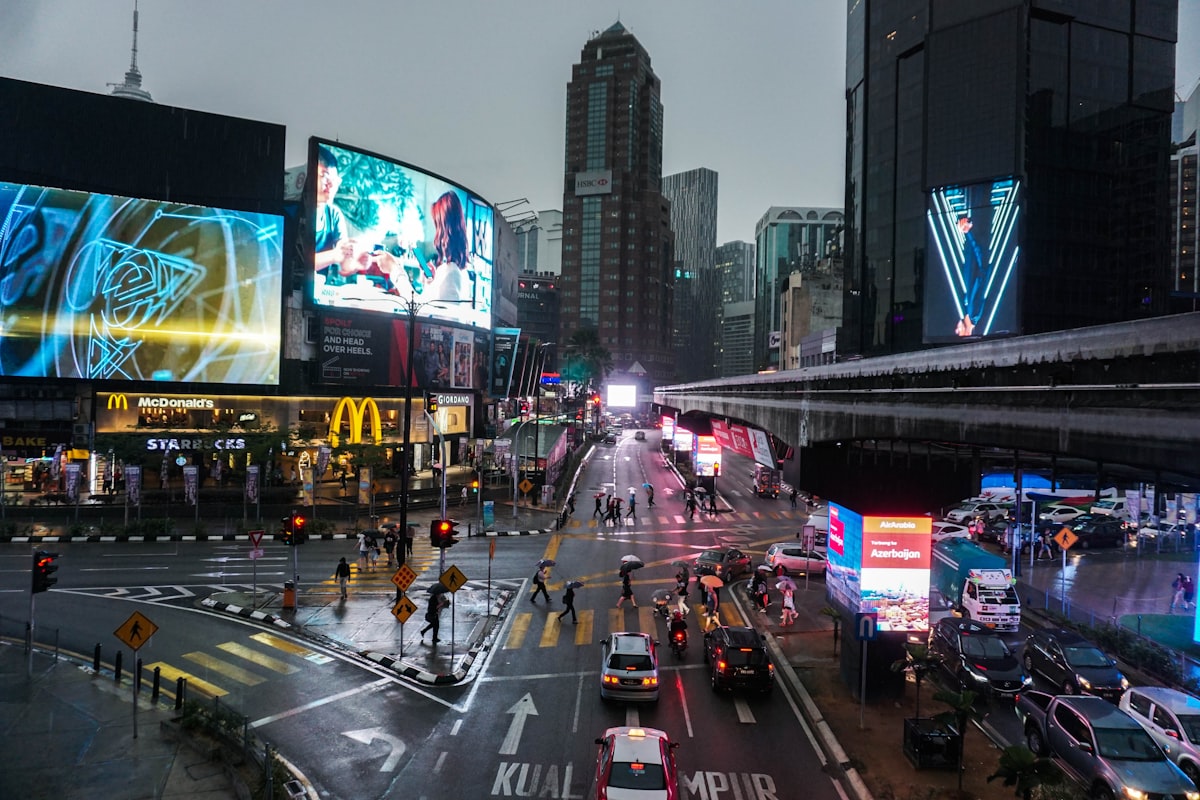
July
#1 of 12 months
Best match
The driest month of the year — 7.5 sunshine hours and the best conditions for outdoor KL.
- ↑117mm is KL's driest month alongside August — maximum outdoor flexibility across sights, parks, and day trips
- ↑7.5 sunshine hours: the most of any month, making the Petronas Towers, KL Tower, and Putrajaya day trips at their scenic best
| Factor | February | July |
|---|---|---|
| Weather score | 7 | 8 |
| Value score | 6 | 6 |
| Crowd score | 6 | 6 |
| Events score | 7 | 6 |
| Atmosphere | 7 | 8 |
| Avg high temp | 33°C | 32°C |
| Monthly rain | 196mm | 117mm |
| Daily sunshine | 6.5hrs | 7.5hrs |
February trade-offs
- ↓196mm is the second wettest month; thunderstorms common in the afternoons
- ↓Batu Caves on Thaipusam day requires arriving before dawn to get close to the action — crowds of hundreds of thousands
- ↓Hotel rates tick up slightly around festival dates — book ahead if your dates coincide
July trade-offs
- ↓International tourist season (European summer holidays) means Petronas Towers observation deck and popular sights are busier; book KLCC Sky Bridge tickets in advance
- ↓Hotel prices edge up slightly compared to the wet season months
- ↓Haze from Indonesian forest fires can begin to appear — air quality varies and can reduce visibility
Scores compare months within Kuala Lumpur. Climate data: Open Meteo ERA5 30-year normals (1991–2020). Methodology →