Kuala Lumpur · Month comparison
July vs August
July ranks #1 overall vs August at #2. The driest month of the year — 7.5 sunshine hours and the best conditions for outdoor KL.
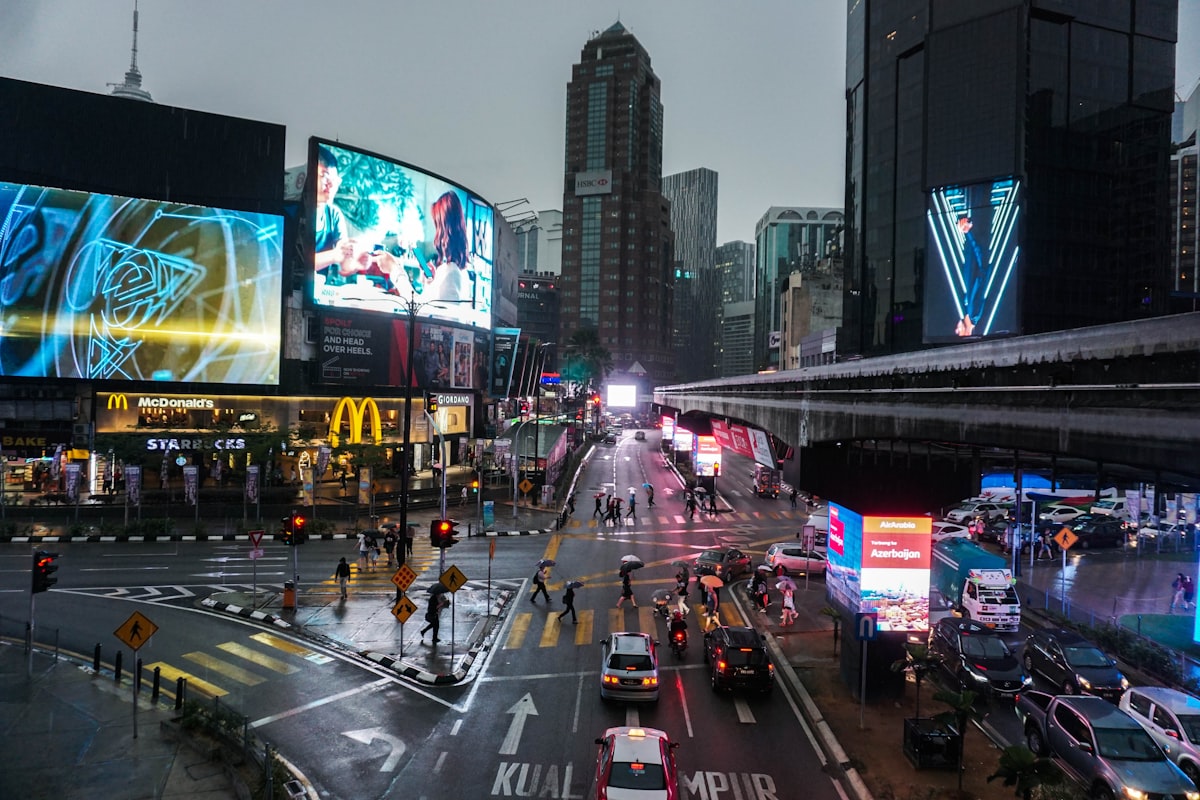
July
#1 of 12 months
Best match
The driest month of the year — 7.5 sunshine hours and the best conditions for outdoor KL.
- ↑117mm is KL's driest month alongside August — maximum outdoor flexibility across sights, parks, and day trips
- ↑7.5 sunshine hours: the most of any month, making the Petronas Towers, KL Tower, and Putrajaya day trips at their scenic best
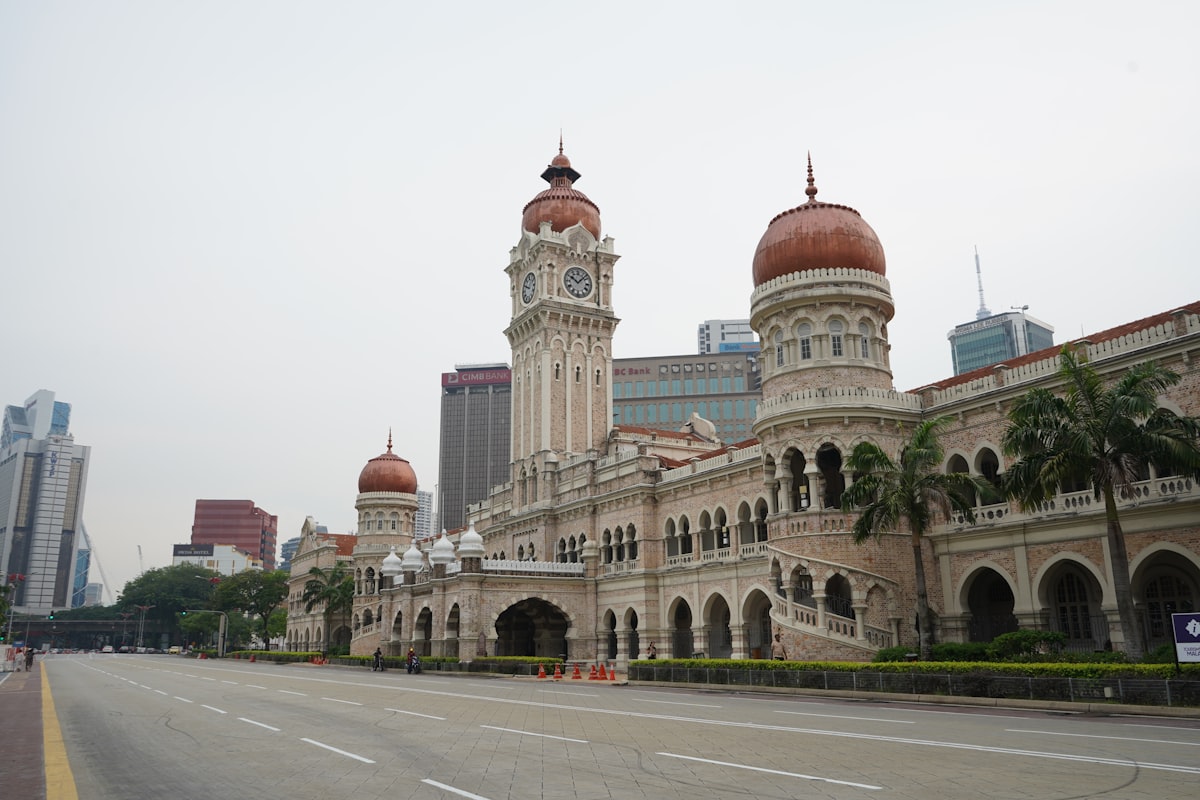
August
#2 of 12 months
Best match
Merdeka Day on August 31 — the city's biggest national celebration amid excellent dry-season conditions.
- ↑Merdeka Day (National Day, August 31) brings military parades, fireworks, and flag-flying across the city — Dataran Merdeka is the epicentre and the atmosphere is genuinely electric
- ↑Dry conditions continue: 141mm and good sunshine means this is still firmly in KL's best weather window
| Factor | July | August |
|---|---|---|
| Weather score | 8 | 8 |
| Value score | 6 | 6 |
| Crowd score | 6 | 6 |
| Events score | 6 | 6 |
| Atmosphere | 8 | 8 |
| Avg high temp | 32°C | 32°C |
| Monthly rain | 117mm | 141mm |
| Daily sunshine | 7.5hrs | 7hrs |
July trade-offs
- ↓International tourist season (European summer holidays) means Petronas Towers observation deck and popular sights are busier; book KLCC Sky Bridge tickets in advance
- ↓Hotel prices edge up slightly compared to the wet season months
- ↓Haze from Indonesian forest fires can begin to appear — air quality varies and can reduce visibility
August trade-offs
- ↓National Day weekend sees significant domestic movement; book any inter-city travel and central KL accommodation well ahead
- ↓Haze risk continues from Indonesian peat fires — some years perfectly clear, others significantly smoky; check air quality before booking
- ↓Still humid at 80% — the tropical baseline doesn't change regardless of reduced rainfall
Scores compare months within Kuala Lumpur. Climate data: Open Meteo ERA5 30-year normals (1991–2020). Methodology →