Kuala Lumpur · Month comparison
July vs January
July ranks #1 overall vs January at #7. The driest month of the year — 7.5 sunshine hours and the best conditions for outdoor KL.
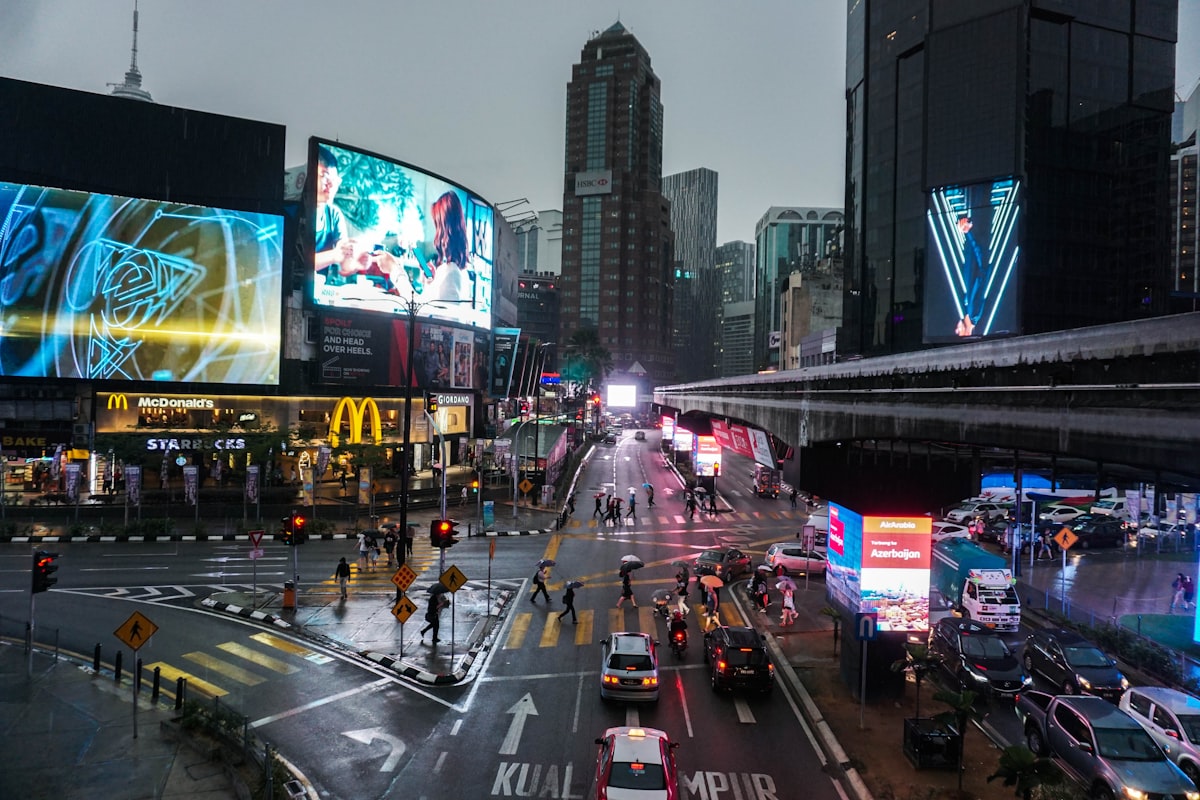
July
#1 of 12 months
Best match
The driest month of the year — 7.5 sunshine hours and the best conditions for outdoor KL.
- ↑117mm is KL's driest month alongside August — maximum outdoor flexibility across sights, parks, and day trips
- ↑7.5 sunshine hours: the most of any month, making the Petronas Towers, KL Tower, and Putrajaya day trips at their scenic best
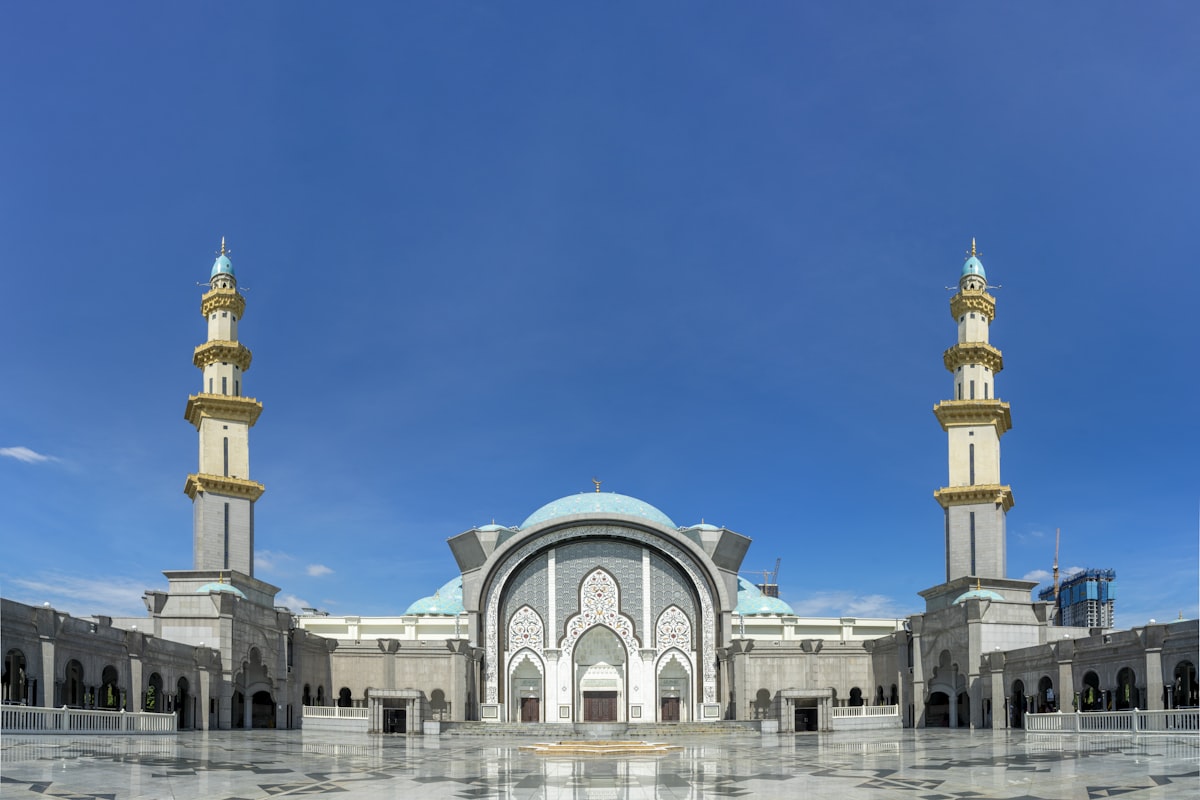
January
#7 of 12 months
Strong option
Chinese New Year energy builds across Chinatown — warm and wet, but culturally unmissable.
- ↑Chinese New Year celebrations (date varies Jan–Feb) transform Petaling Street and the city with lanterns, lion dances, and communal feasts — one of the best CNY atmospheres outside China
- ↑Thaipusam at Batu Caves (Jan/Feb) is one of the most extraordinary Hindu pilgrimages you can witness — 272 steps, kavadi carriers, an experience unlike anything in the West
| Factor | July | January |
|---|---|---|
| Weather score | 8 | 6 |
| Value score | 6 | 7 |
| Crowd score | 6 | 6 |
| Events score | 6 | 5 |
| Atmosphere | 8 | 6 |
| Avg high temp | 32°C | 32°C |
| Monthly rain | 117mm | 171mm |
| Daily sunshine | 7.5hrs | 6hrs |
July trade-offs
- ↓International tourist season (European summer holidays) means Petronas Towers observation deck and popular sights are busier; book KLCC Sky Bridge tickets in advance
- ↓Hotel prices edge up slightly compared to the wet season months
- ↓Haze from Indonesian forest fires can begin to appear — air quality varies and can reduce visibility
January trade-offs
- ↓171mm of rain falls mainly in late-afternoon thunderstorms; outdoor plans need flexibility
- ↓Some Chinese-owned restaurants and businesses close for several days during CNY peak
- ↓High humidity at 83% makes even warm temperatures feel oppressive without shade or air conditioning
Scores compare months within Kuala Lumpur. Climate data: Open Meteo ERA5 30-year normals (1991–2020). Methodology →