Lalibela · Month comparison
September vs February
February ranks #1 overall vs September at #10. Post-Timkat calm descends — crowds thin but the dry highland air and 9 daily sun hours make this one of the finest months to explore the churches unhurried.
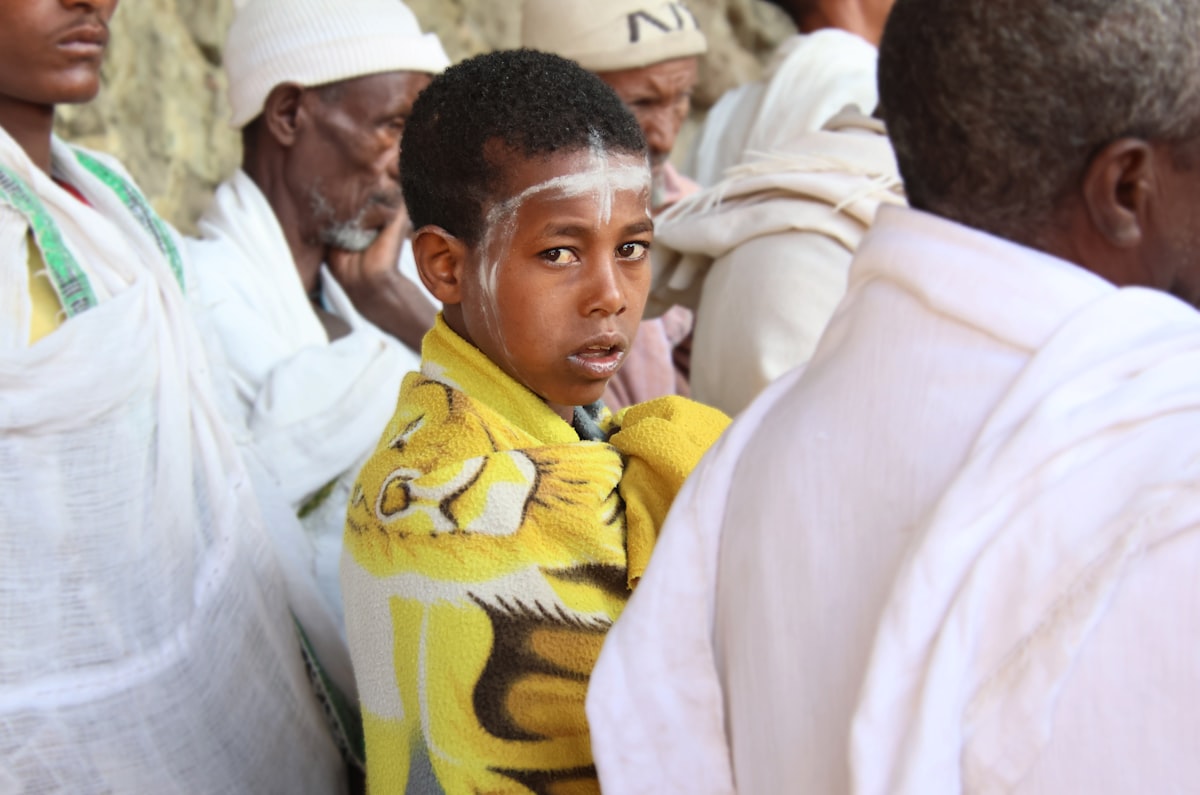
September
#10 of 12 months
Worth considering
Meskel (Sep 27) is the great post-rainy-season festival — colourful bonfire ceremonies mark the Finding of the True Cross, with rains still heavy for most of the month.
- ↑Meskel (Sep 27): the Finding of the True Cross festival brings bonfires, singing, and yellow meskel flowers across the town — a genuine highlight
- ↑Rains easing late in the month — the last week of September offers much improved conditions as the dry season approaches
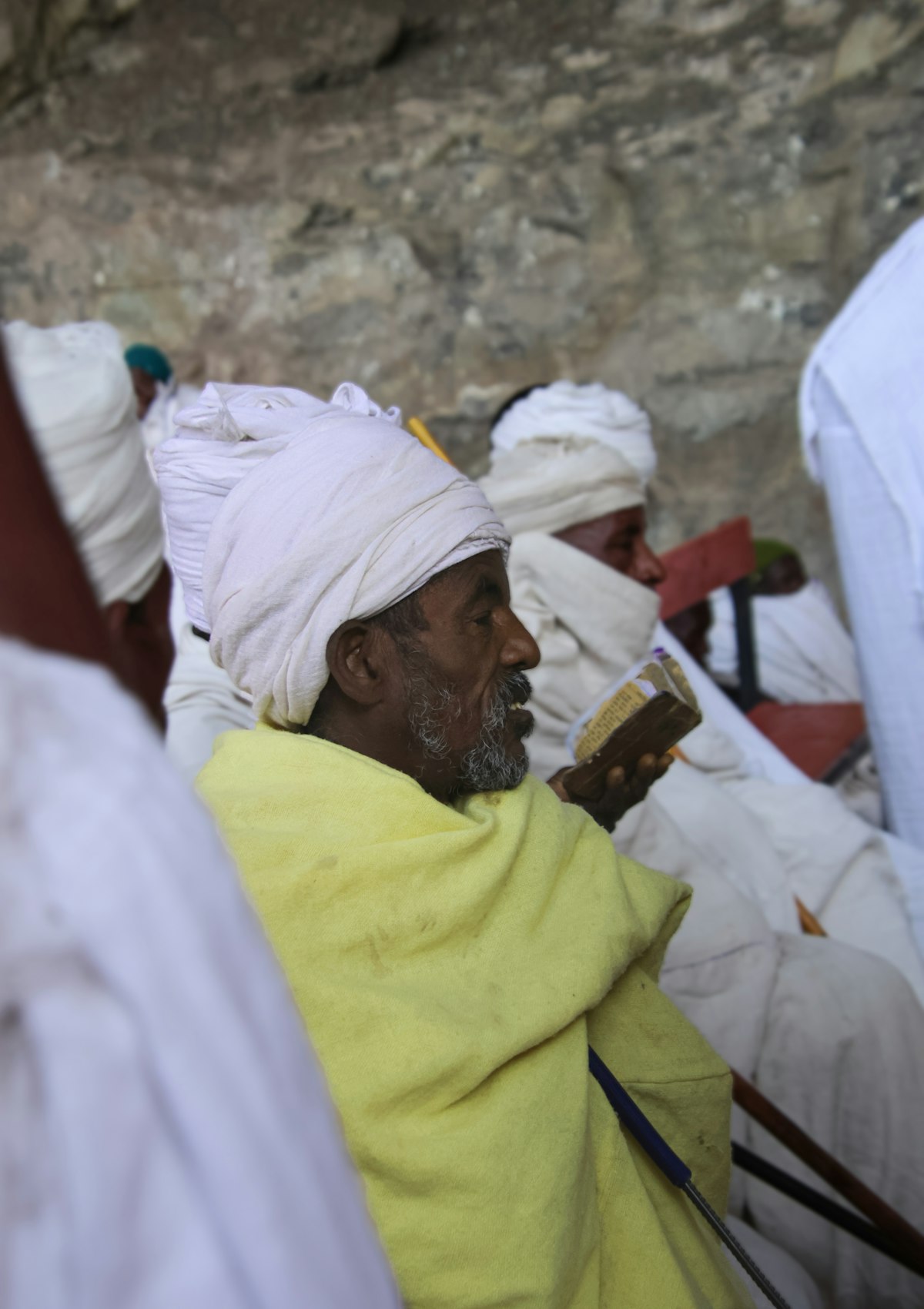
February
#1 of 12 months
Best match
Post-Timkat calm descends — crowds thin but the dry highland air and 9 daily sun hours make this one of the finest months to explore the churches unhurried.
- ↑Timkat often falls in late January or early February — check the Ethiopian Orthodox calendar for the exact date each year
- ↑Visitor numbers drop sharply after Timkat week, making the northern church cluster navigable without the January crush
| Factor | September | February |
|---|---|---|
| Weather score | 3 | 9 |
| Value score | 8 | 6 |
| Crowd score | 8 | 6 |
| Events score | 5 | 7 |
| Atmosphere | 5 | 9 |
| Avg high temp | 22°C | 24°C |
| Monthly rain | 140mm | 20mm |
| Daily sunshine | 5.5hrs | 9hrs |
September trade-offs
- ↓140mm rainfall in September means heavy rain for the first three weeks — the festival window in the final days of the month is the reward
- ↓Paths between churches remain muddy throughout most of the month
February trade-offs
- ↓If Timkat falls in early February, hotel rates spike for that week before dropping
- ↓Evenings drop to 7°C at 2,500m altitude — pack warm layers for pre-dawn church visits
Scores compare months within Lalibela. Climate data: Open Meteo ERA5 30-year normals (1991–2020). Methodology →