Lima · Month comparison
August vs February
February ranks #1 overall vs August at #7. The warmest month of the year — peak ceviche season, and Lima's best beach weather.
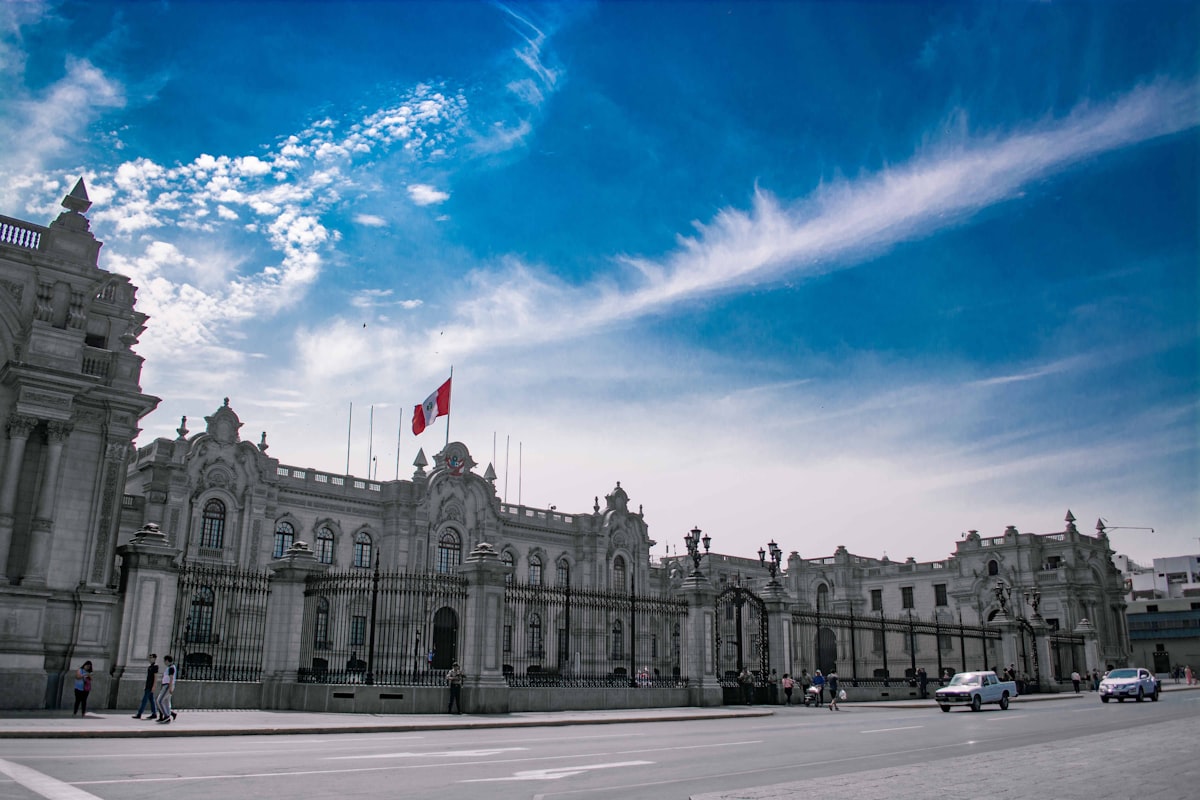
August
#7 of 12 months
Worth considering
Mistura food festival arrives — the world's best food festival in the world's most food-obsessed city.
- ↑Mistura (typically late August to mid-September in Lima's Parque de la Exposición or equivalent large venue) is the most important food festival in Latin America — 500,000 visitors attend over 10 days, with 200+ vendors from across Peru's extraordinary regional food geography. The festival's Gran Mercado section brings producers from every Peruvian region: Amazonian fruits and insects from Loreto, cured meats from Cajamarca, aji amarillo pastes and native potato varieties from Cusco. The central cooking demonstrations involve most of Peru's major chefs (Virgilio Martínez, Pía León, Gastón Acurio) cooking live for festival audiences. Day passes cost approximately PEN 30.
- ↑The grey Lima winter paradoxically suits the food-focused visit exceptionally well — the absence of beach temptation focuses attention on the culinary infrastructure that is the actual reason most sophisticated travellers choose Lima. Three meals a day of extraordinary Peruvian food from different cuisines (coastal ceviche, Amazonian jungle kitchens, Andean stews, Nikkei Japanese-Peruvian fusion) is the most concentrated gastronomic education available anywhere in the Americas.
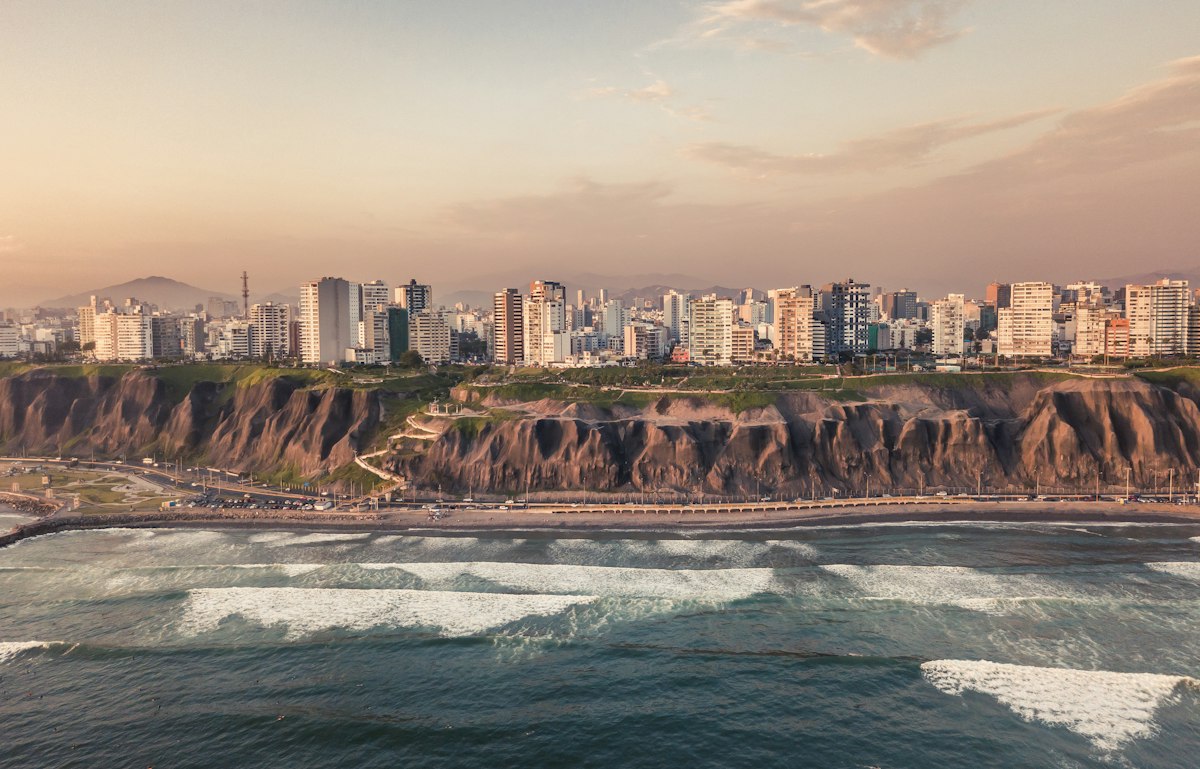
February
#1 of 12 months
Best match
The warmest month of the year — peak ceviche season, and Lima's best beach weather.
- ↑February is Lima's warmest month — 27°C average highs with the most sunshine of any month (7.8 hours daily) and the Pacific warming enough for genuine beach comfort. The combination of warm air, warm sea (22–23°C), and the southward tilt of the sun creates conditions that the rest of the year cannot replicate. The Miraflores beach clubs — La Rosa Náutica restaurant on its famous pier, the beach terrace at the Park Hotel — are operating at full capacity.
- ↑Carnival (Carnaval) falls in February or early March, and while Lima's version is more restrained than Barranquilla or Rio, the Barranco neighbourhood celebrates with particular enthusiasm — water balloon battles in the streets (a Peruvian carnival tradition called "mojadas"), street music, and the general festive irreverence that defines the southern Bohemian quarter at its most characterful. Carnival Sunday and Monday are neighbourhood events worth timing an itinerary around.
| Factor | August | February |
|---|---|---|
| Weather score | 3 | 9 |
| Value score | 8 | 5 |
| Crowd score | 7 | 5 |
| Events score | 9 | 8 |
| Atmosphere | 8 | 9 |
| Avg high temp | 17.2°C | 27°C |
| Monthly rain | 1mm | 2mm |
| Daily sunshine | 2hrs | 7.8hrs |
August trade-offs
- ↓August is one of Lima's most persistently grey months (matching July at 2 sunshine hours daily) — arriving expecting any version of the summer Lima is a recipe for disappointment. The city is cool (17°C), overcast, and damp from the garúa mist. This is Lima's longest unbroken grey spell.
- ↓Mistura's enormous popularity means the festival venue and surrounding transport are overwhelmed on peak days (weekends) — arriving early in the morning (9–10am, when gates open) and leaving before the afternoon surge is the practical strategy.
February trade-offs
- ↓February — particularly Carnival week — drives accommodation prices to their annual peak in Barranco and Miraflores. The combination of domestic high season and Carnival brings Lima's closest equivalent to peak tourism conditions.
- ↓The summer humidity (76%) in February makes the heat feel more oppressive than the raw temperature suggests — particularly in the inland districts (Lima Centro, San Isidro business corridor) where sea breezes don't penetrate as effectively as on the Miraflores clifftop.
Scores compare months within Lima. Climate data: Open Meteo ERA5 30-year normals (1991–2020). Methodology →