Lima · Month comparison
March vs February
February ranks #1 overall vs March at #3. The warmest month of the year — peak ceviche season, and Lima's best beach weather.
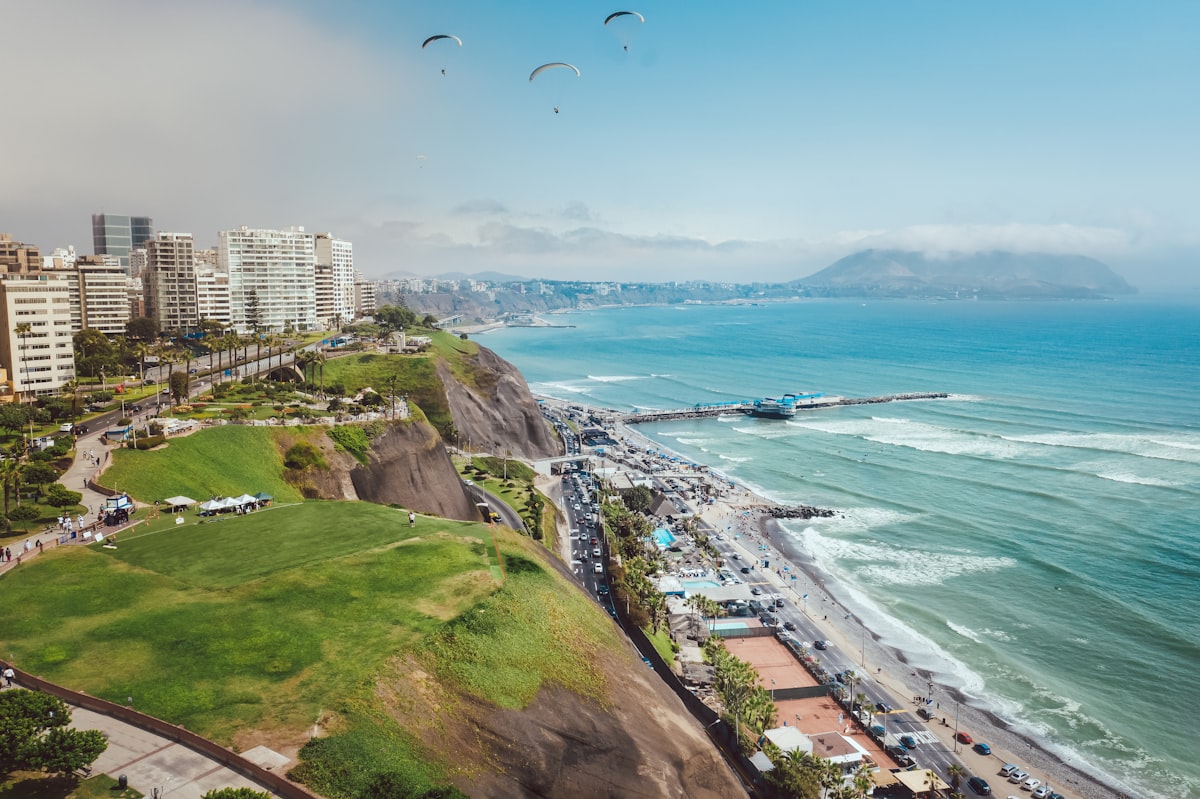
March
#3 of 12 months
Best match
Summer winding down gently — still warm and clear, prices softening from February peak.
- ↑March is a transition month that retains most of summer's appeal with softer pricing and crowds. At 26°C with 6.5 sunshine hours, the conditions for beach visits, clifftop walks, and outdoor dining are fully in place, while the domestic high season pressure of January–February has eased significantly. Hotel prices in Miraflores drop 15–20% from the February peak with no meaningful change in weather experience.
- ↑Lima's restaurant circuit — the core reason most food-focused travellers choose to visit — is fully operational year-round with zero seasonal variation. Central (Virgilio Martínez, repeatedly ranked in the World's 50 Best), Maido (Mitsuharu Tsumura's Nikkei cuisine), and Astrid y Gastón (Gastón Acurio's flagship) all require reservations booked weeks to months in advance regardless of season. March is marginally easier than January for booking.
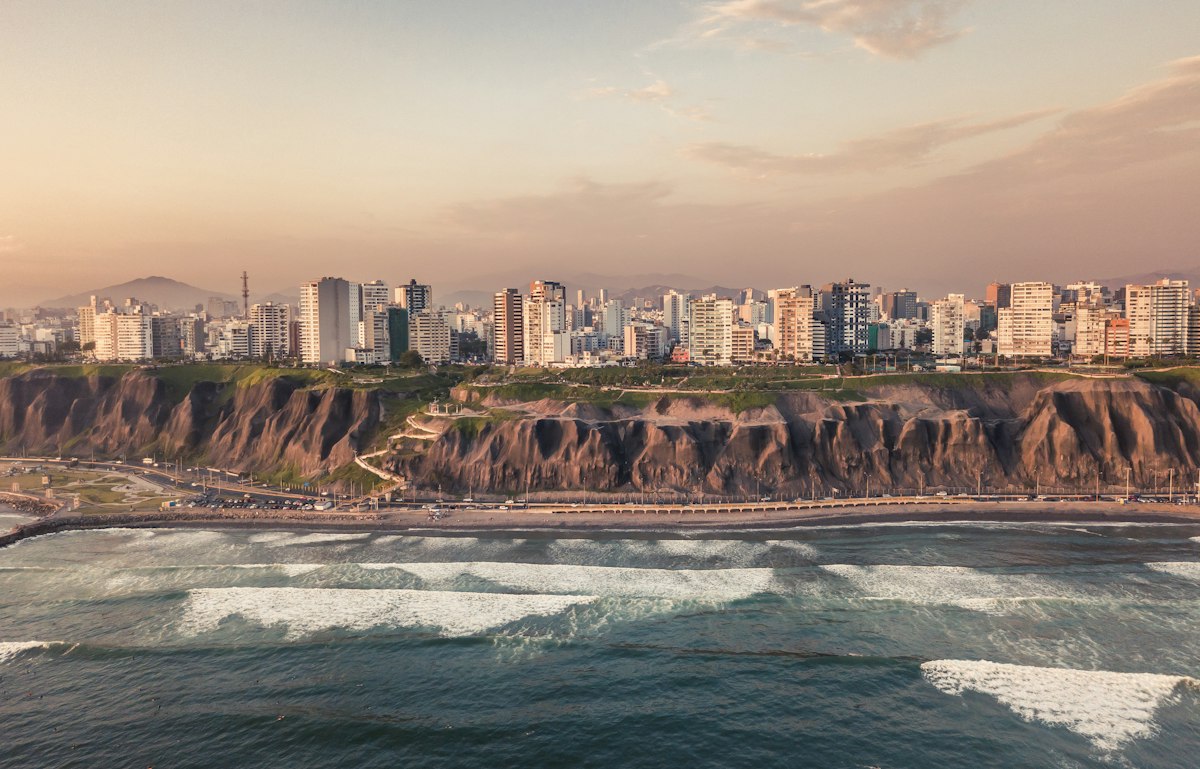
February
#1 of 12 months
Best match
The warmest month of the year — peak ceviche season, and Lima's best beach weather.
- ↑February is Lima's warmest month — 27°C average highs with the most sunshine of any month (7.8 hours daily) and the Pacific warming enough for genuine beach comfort. The combination of warm air, warm sea (22–23°C), and the southward tilt of the sun creates conditions that the rest of the year cannot replicate. The Miraflores beach clubs — La Rosa Náutica restaurant on its famous pier, the beach terrace at the Park Hotel — are operating at full capacity.
- ↑Carnival (Carnaval) falls in February or early March, and while Lima's version is more restrained than Barranquilla or Rio, the Barranco neighbourhood celebrates with particular enthusiasm — water balloon battles in the streets (a Peruvian carnival tradition called "mojadas"), street music, and the general festive irreverence that defines the southern Bohemian quarter at its most characterful. Carnival Sunday and Monday are neighbourhood events worth timing an itinerary around.
| Factor | March | February |
|---|---|---|
| Weather score | 8 | 9 |
| Value score | 6 | 5 |
| Crowd score | 6 | 5 |
| Events score | 6 | 8 |
| Atmosphere | 8 | 9 |
| Avg high temp | 26.4°C | 27°C |
| Monthly rain | 2mm | 2mm |
| Daily sunshine | 6.5hrs | 7.8hrs |
March trade-offs
- ↓Sunshine hours begin declining in March (6.5 vs. February's 7.8) as the garúa season starts to build at the margins. The transition is gradual but the direction is unmistakable — from March forward the blue-sky days become less reliable and the Pacific haze begins encroaching on morning and evening light.
- ↓Easter (Semana Santa, when it falls in March or April) brings significant Peruvian domestic travel to Lima from the interior, causing hotel price surges and busy conditions in the historic centro. Holy Week processions in the Lima Centro (particularly the Señor de los Milagros procession, one of the largest Catholic processions in the Americas) are extraordinary to witness but cause significant traffic disruption.
February trade-offs
- ↓February — particularly Carnival week — drives accommodation prices to their annual peak in Barranco and Miraflores. The combination of domestic high season and Carnival brings Lima's closest equivalent to peak tourism conditions.
- ↓The summer humidity (76%) in February makes the heat feel more oppressive than the raw temperature suggests — particularly in the inland districts (Lima Centro, San Isidro business corridor) where sea breezes don't penetrate as effectively as on the Miraflores clifftop.
Scores compare months within Lima. Climate data: Open Meteo ERA5 30-year normals (1991–2020). Methodology →