Madeira · Month comparison
January vs September
September ranks #1 overall vs January at #3. Wine Festival, warmest sea temps, and prices dropping — September is the sweet spot.
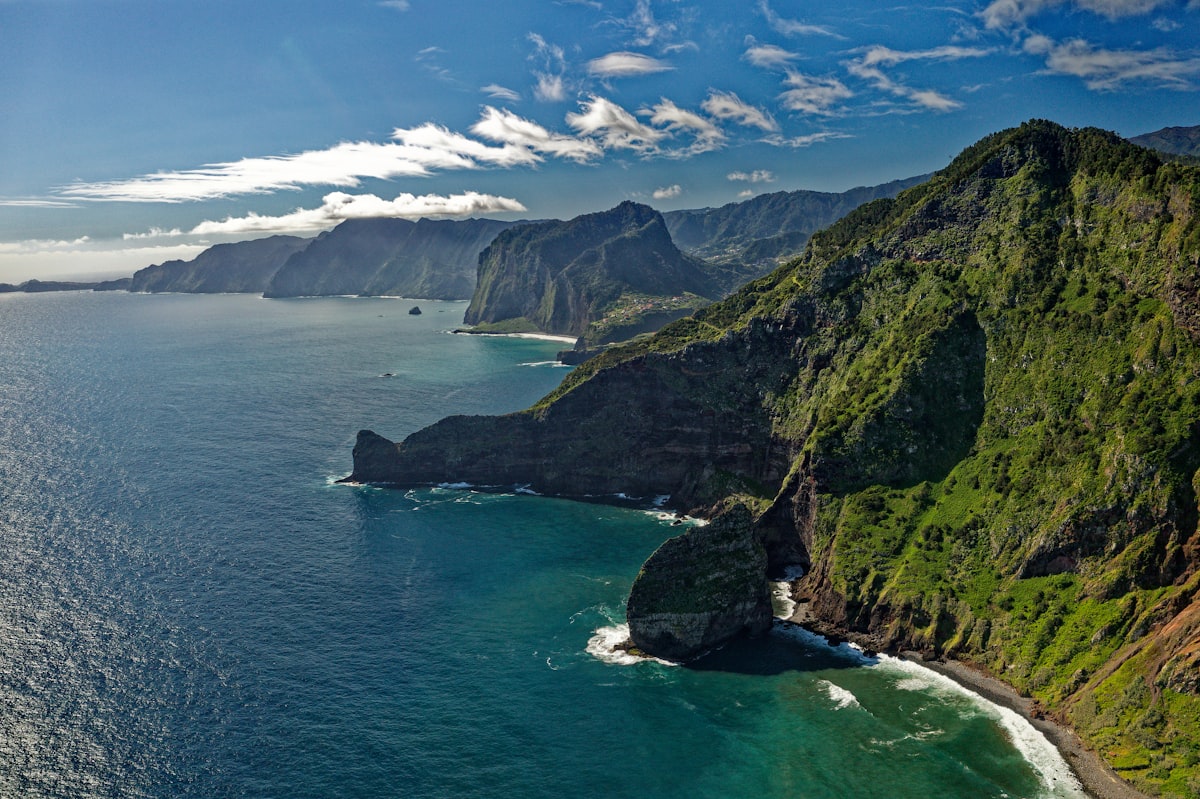
January
#3 of 12 months
Best match
Post-New Year quiet with mild 19°C days — Europe's warmest winter island at its cheapest.
- ↑Madeira hosts what is officially certified as the world's largest New Year's Eve fireworks display, launching from multiple points along the Funchal hillsides simultaneously. The display lasts over 8 minutes and is filmed for broadcast across Europe annually — the city's hotel infrastructure sells out months ahead for December 31, but early January visitors find the island transformed by post-celebration quiet and prices at their annual floor. Funchal's old town (Zona Velha) and the cable car to Monte are accessible without the crowds that build in spring.
- ↑At 19–20°C on the south coast, Madeira in January is warmer than most of continental Europe in May. The subtropical Laurisilva (laurel forest) is at its most lush and atmospheric during the wet season — morning mist in the Rabacal valley and the levada walks around Fanal are genuinely ethereal, with ancient trees draped in moss and the paths empty of other walkers.
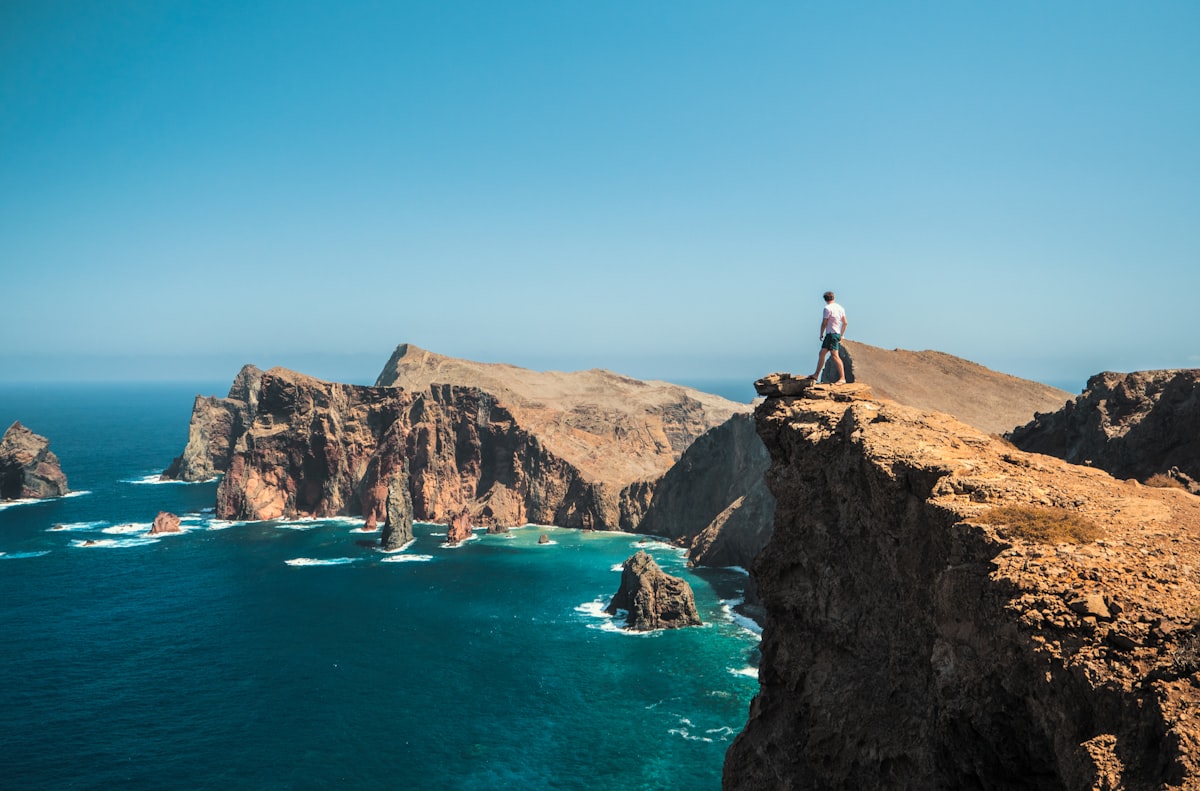
September
#1 of 12 months
Best match
Wine Festival, warmest sea temps, and prices dropping — September is the sweet spot.
- ↑The Madeira Wine Festival (first two weeks of September, centred on Funchal) is the island's most culturally rich annual event. The harvest treading in Estreito de Câmara de Lobos (visitors can participate), the wine parade through central Funchal, and the Blandy's and Henriques & Henriques lodge open days combine for a celebration that is genuinely rooted in the island's economy and culture rather than tourist artifice. Tastings of vintage Madeira — wine that can survive for a century in cask — are included in many festival events.
- ↑September sea temperatures peak at 24°C — the warmest of any month — while the summer crowds have diminished significantly after the first week of September. The beaches at Calheta and Machico, and the Porto Moniz rock pools, are at their most inviting with warm water and manageable visitor numbers.
| Factor | January | September |
|---|---|---|
| Weather score | 6 | 9 |
| Value score | 9 | 6 |
| Crowd score | 9 | 6 |
| Events score | 7 | 9 |
| Atmosphere | 8 | 9 |
| Avg high temp | 19.5°C | 26.5°C |
| Monthly rain | 92mm | 30mm |
| Daily sunshine | 5.2hrs | 7.8hrs |
January trade-offs
- ↓January sees Madeira's highest rainfall of the year — the south coast receives 92mm, but the north and mountains can see two to three times that volume. Levada walks in exposed northern areas can be genuinely hazardous after heavy rain, and trail closures occur. Checking trail conditions with local operators before setting out is essential.
- ↓Ocean swimming is possible but cool — water temperatures drop to around 19°C in January, which is comfortable for some but below the threshold of casual beach culture. The south coast beaches (Machico, Calheta) are swimmable but not warm.
September trade-offs
- ↓September sees the first meaningful autumn rainfall returning — 30mm, compared to August's 5mm. This mostly manifests as occasional afternoon showers rather than sustained rain, but the transition from absolute summer dryness is noticeable. North coast trails can become temporarily muddy after heavier showers.
- ↓Wine Festival weekends specifically cause accommodation spikes — the festival is well-known in the Portuguese and British travel market, and Funchal hotel prices during the festival fortnight can be 30–40% above the surrounding weeks.
Scores compare months within Madeira. Climate data: Open Meteo ERA5 30-year normals (1991–2020). Methodology →