Phnom Penh · Month comparison
January vs November
November ranks #1 overall vs January at #2. Best all-round month: dry season re-establishes, Water Festival peaks if not in October, city at full energy.
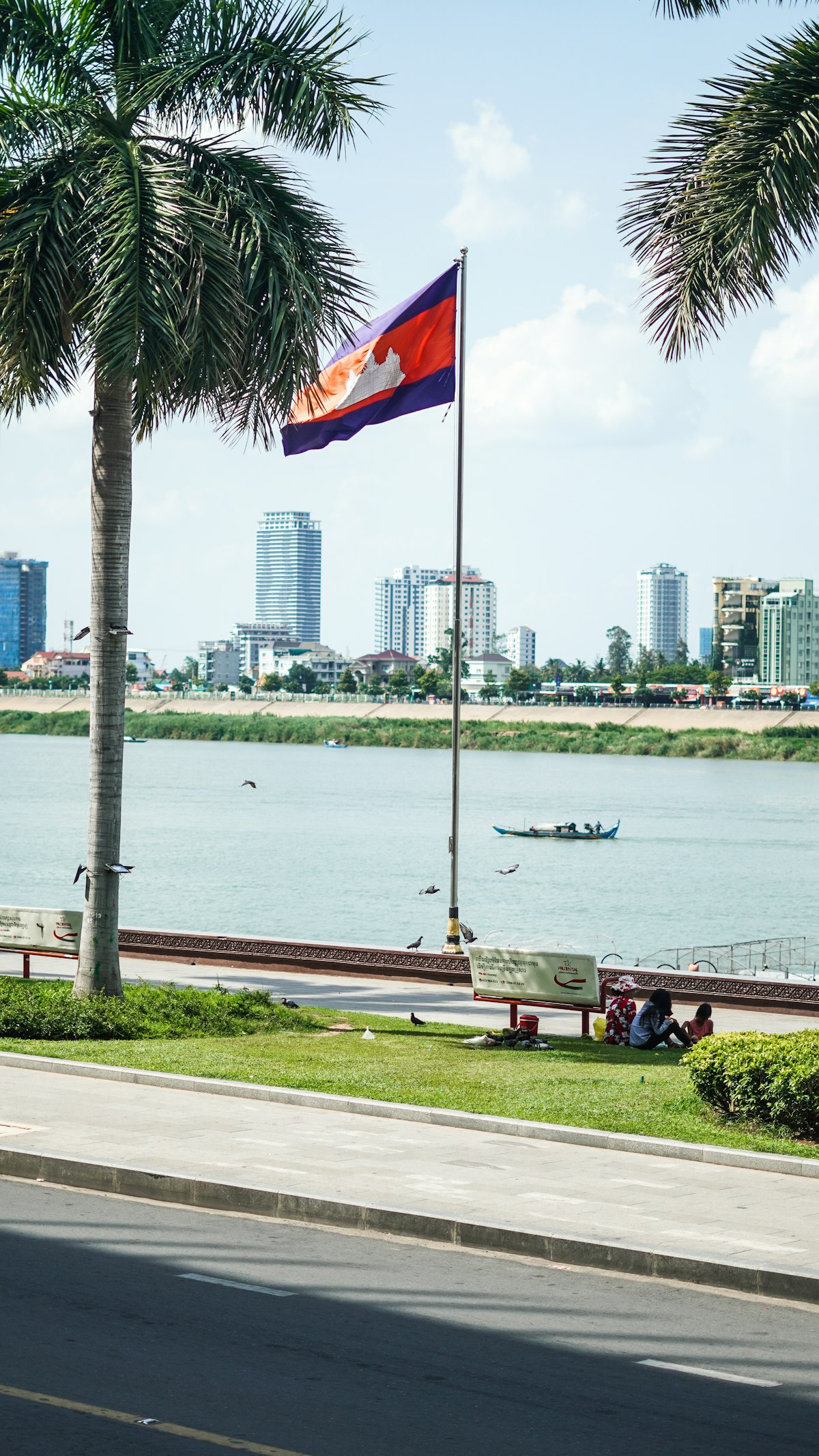
January
#2 of 12 months
Best match
Peak dry season: 31°C, near-zero rain, and the Royal Palace at its most accessible.
- ↑Only 15mm of rain all month — the Royal Palace, Silver Pagoda, and National Museum are all fully enjoyable outdoors without rain contingency
- ↑Cool by Cambodian standards at 31°C with pleasant evenings on Sisowath Quay; the riverside promenade is at its most comfortable for walking
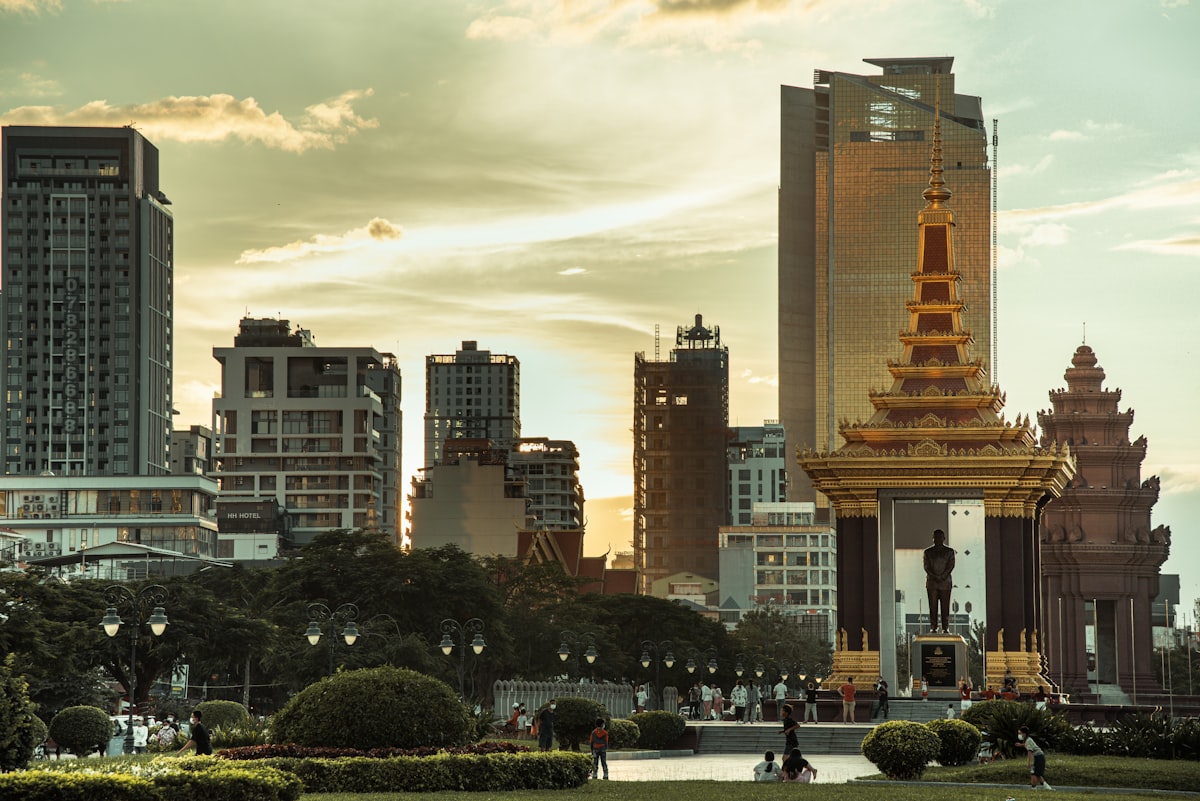
November
#1 of 12 months
Best match
Best all-round month: dry season re-establishes, Water Festival peaks if not in October, city at full energy.
- ↑Bon Om Touk (Water Festival) can fall in November depending on the lunar calendar — if so, the riverside boat races, illuminated floats, and fireworks over the Royal Palace are unmissable; the most spectacular event in Phnom Penh's year
- ↑Dry season is re-establishing rapidly: 90mm of rain with 7.5 sunshine hours daily; the Royal Palace, Silver Pagoda, and Killing Fields memorial are all fully enjoyable again
| Factor | January | November |
|---|---|---|
| Weather score | 9 | 8 |
| Value score | 6 | 7 |
| Crowd score | 6 | 6 |
| Events score | 7 | 9 |
| Atmosphere | 8 | 8 |
| Avg high temp | 31°C | 31°C |
| Monthly rain | 15mm | 90mm |
| Daily sunshine | 8hrs | 7.5hrs |
January trade-offs
- ↓International tourist season in full swing: popular sites and Sisowath Quay restaurants are busier than the wet-season months
- ↓Hotel prices are 25–35% above wet-season rates — advance booking essential for riverside and central properties
November trade-offs
- ↓If the Water Festival falls in November, hotel prices spike significantly for the festival weekend — early booking essential
- ↓Tourist season rebuilding from the wet-season low: accommodation prices rising from October budget levels; advance planning increasingly necessary
Scores compare months within Phnom Penh. Climate data: Open Meteo ERA5 30-year normals (1991–2020). Methodology →