Santiago · Month comparison
March vs September
March ranks #1 overall vs September at #2. The unmissable month: vendimia wine harvest, Lollapalooza, and perfect autumn temperatures.
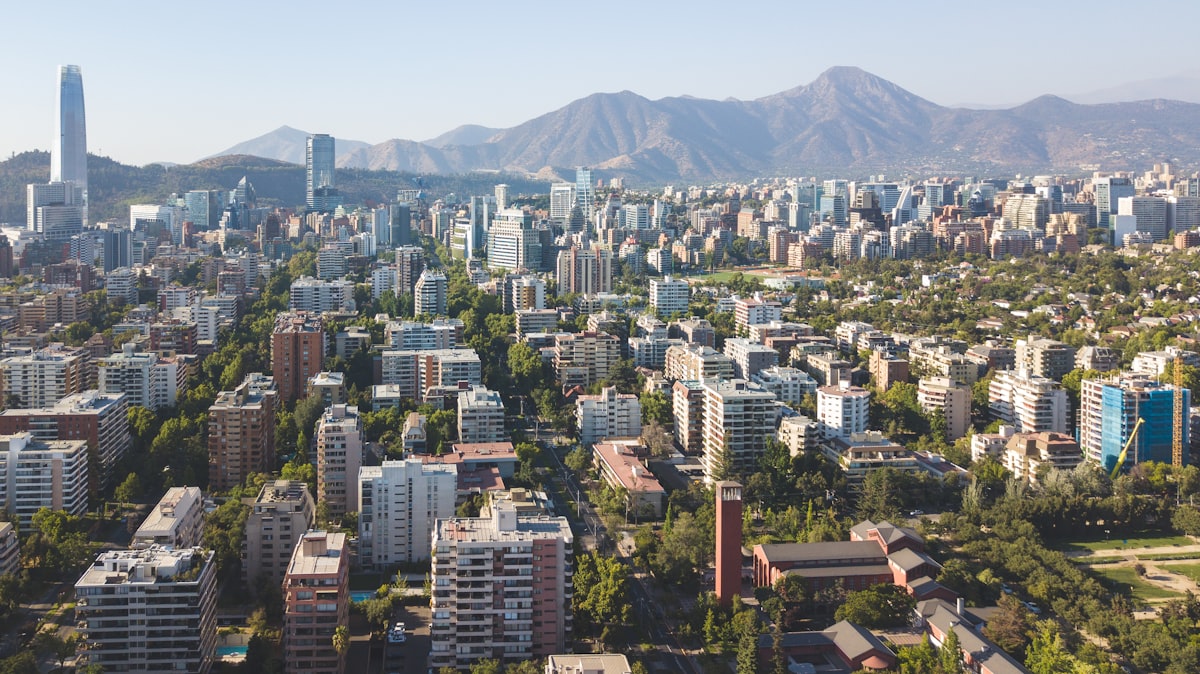
March
#1 of 12 months
Best match
The unmissable month: vendimia wine harvest, Lollapalooza, and perfect autumn temperatures.
- ↑March is the single most compelling month in the Santiago calendar. The vendimia — grape harvest — transforms the Maipo, Colchagua, and Cachapoal valleys within 90–150km of the city into a working festival landscape. Viña Santa Rita (Alto Jahuel, 35km south), Viña Undurraga (Talagante, 34km west), and the prestigious Almaviva estate all open for harvest visits. The regional Fiesta de la Vendimia events in the vine towns — Santa Cruz in Colchagua and Curicó further south — involve grape-stomping competitions, folk music, and local food in a genuinely Chilean celebration that precedes the international wine tourism by centuries.
- ↑Lollapalooza Chile (late March) at the Parque O'Higgins is one of South America's largest music festivals: 80,000+ attendance, four stages, an international lineup that competes with the North American event. The surrounding neighbourhood of Barrio Brasil and the fan culture around the event gives Santiago a temporary festival-city energy.
September
#2 of 12 months
Best match
Spring arrives — Fiestas Patrias is Chile's biggest national party and the Andes are magnificently clear.
- ↑September 18 (Dieciocho) — Chilean Independence Day and the start of Fiestas Patrias — is the most important national celebration in Chile and transforms Santiago for an entire week. The Parque O'Higgins fills with fondas (large communal pavilions serving empanadas, chicha, and anticuchos), cueca dancing (Chile's national dance), and Chilean folk culture. The surrounding week sees the entire country in a celebratory mood. Even as a visitor without roots in the celebration, attending a fonda is one of the most vivid cultural experiences available in South America.
- ↑The spring air quality is dramatically better than winter — the thermal inversions have ended and rainfall has washed the basin clean. The Andes in September after a clear spring rain are as sharp and detailed as they get. The wildflowers in the Cajón del Maipo valley (45km east) are at their most intense in September.
| Factor | March | September |
|---|---|---|
| Weather score | 9 | 8 |
| Value score | 6 | 8 |
| Crowd score | 6 | 7 |
| Events score | 10 | 9 |
| Atmosphere | 10 | 9 |
| Avg high temp | 27°C | 18°C |
| Monthly rain | 8mm | 32mm |
| Daily sunshine | 9.1hrs | 6.8hrs |
March trade-offs
- ↓Lollapalooza weekend (typically last weekend of March) drives up hotel prices across Santiago, particularly in Providencia and the Bellavista neighbourhood. Book accommodation 2–3 months ahead if your visit overlaps with the festival.
- ↓March is technically the beginning of autumn but Santiago's transition is gentle — the first weeks still feel very much like summer. The vendimia events in the wine regions require a car or organised tour; public transport to the smaller valley wineries is limited.
September trade-offs
- ↓Fiestas Patrias week (September 17–19 core, with surrounding days) causes significant business disruption — government offices, many private businesses, and shops close for days. The fonda culture requires genuine engagement: long afternoons of eating, dancing, and drinking chicha (fermented grape or apple juice) rather than quick sightseeing visits.
- ↓Hotel prices rise sharply in the Fiestas Patrias week, particularly in the Bellavista and Lastarria areas near the main celebrations. The city's population can feel fractious around the national holiday.
Scores compare months within Santiago. Climate data: Open Meteo ERA5 30-year normals (1991–2020). Methodology →