Santiago · Month comparison
November vs March
March ranks #1 overall vs November at #4. The unmissable month: vendimia wine harvest, Lollapalooza, and perfect autumn temperatures.
November
#4 of 12 months
Best match
Late spring perfection — warm, dry, clear Andes views, and the outdoor café season at full tilt.
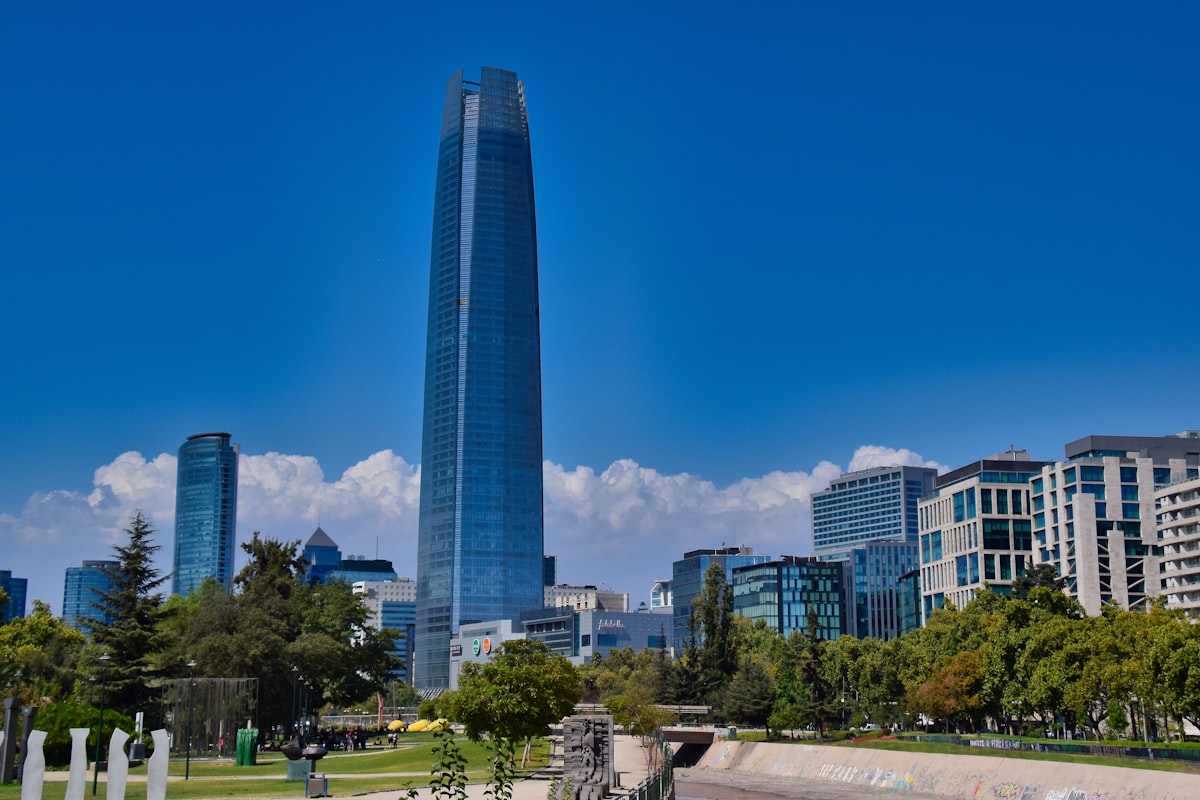
- ↑November produces Santiago at its most photogenic and most liveable. Temperatures reach 26°C with very low humidity, almost zero rain, and the Andes still white-capped with winter snow. The Parque Bicentenario in Vitacura and the Parque Forestal along the Mapocho are in full green bloom. The weekend antique market at Balmaceda metro and the open-air Feria Artesanal in Barrio Italia are at their peak.
- ↑November is the height of the asparagus and stone fruit season in Chilean agriculture — the Mercado Central and the neighbourhood ferias have their best produce of the year. The wine regions to the south are preparing for the December harvest and cellar visits in November offer a behind-the-scenes look at pre-harvest operations.
March
#1 of 12 months
Best match
The unmissable month: vendimia wine harvest, Lollapalooza, and perfect autumn temperatures.
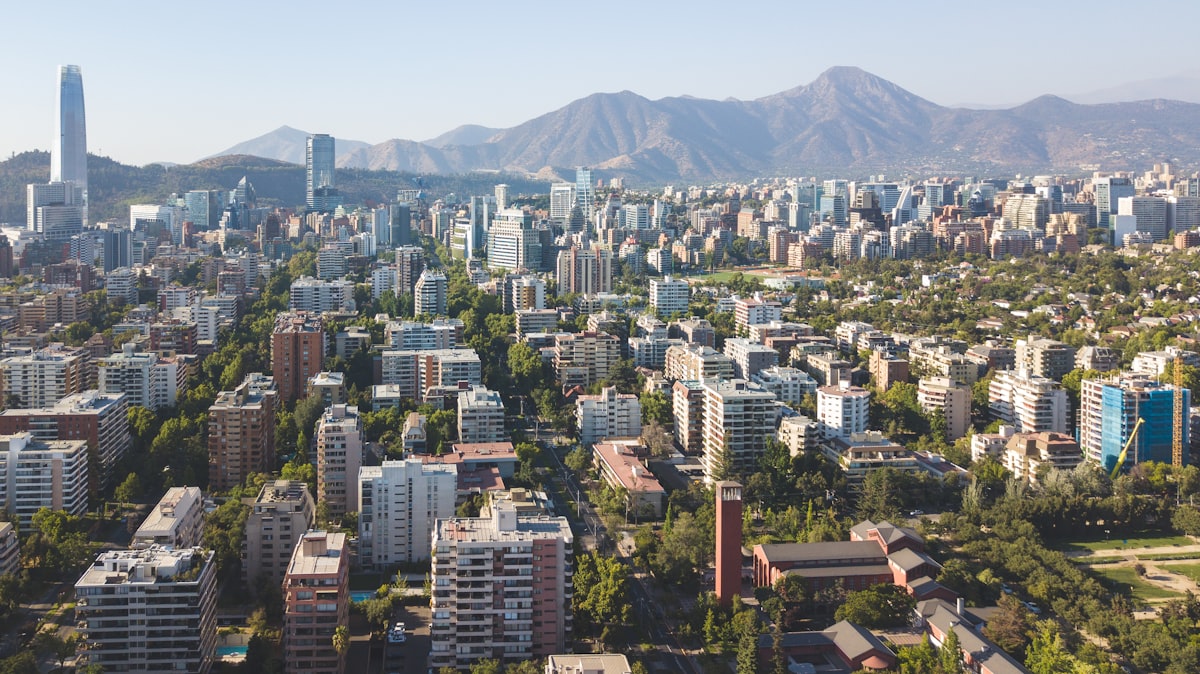
- ↑March is the single most compelling month in the Santiago calendar. The vendimia — grape harvest — transforms the Maipo, Colchagua, and Cachapoal valleys within 90–150km of the city into a working festival landscape. Viña Santa Rita (Alto Jahuel, 35km south), Viña Undurraga (Talagante, 34km west), and the prestigious Almaviva estate all open for harvest visits. The regional Fiesta de la Vendimia events in the vine towns — Santa Cruz in Colchagua and Curicó further south — involve grape-stomping competitions, folk music, and local food in a genuinely Chilean celebration that precedes the international wine tourism by centuries.
- ↑Lollapalooza Chile (late March) at the Parque O'Higgins is one of South America's largest music festivals: 80,000+ attendance, four stages, an international lineup that competes with the North American event. The surrounding neighbourhood of Barrio Brasil and the fan culture around the event gives Santiago a temporary festival-city energy.
| Factor | November | March |
|---|---|---|
| Weather score | 9 | 9 |
| Value score | 6 | 6 |
| Crowd score | 6 | 6 |
| Events score | 6 | 10 |
| Atmosphere | 9 | 10 |
| Avg high temp | 26°C | 27°C |
| Monthly rain | 8mm | 8mm |
| Daily sunshine | 9.6hrs | 9.1hrs |
November trade-offs
- ↓November is a school holiday month in some Chilean years (with regional variations) and the domestic family travel season begins warming up. Hotel prices in the beach towns rise and the city can feel slightly busier with domestic visitors preparing for the summer season.
- ↓The heat of summer is approaching — by late November, 26°C days can be followed by 30°C days as the summer pattern establishes itself, and the haze begins to return gradually.
March trade-offs
- ↓Lollapalooza weekend (typically last weekend of March) drives up hotel prices across Santiago, particularly in Providencia and the Bellavista neighbourhood. Book accommodation 2–3 months ahead if your visit overlaps with the festival.
- ↓March is technically the beginning of autumn but Santiago's transition is gentle — the first weeks still feel very much like summer. The vendimia events in the wine regions require a car or organised tour; public transport to the smaller valley wineries is limited.
Scores compare months within Santiago. Climate data: Open Meteo ERA5 30-year normals (1991–2020). Methodology →