Seville · Month comparison
June vs October
October ranks #1 overall vs June at #10. The best month to visit Seville — ideal weather, lower prices, the city back to itself.
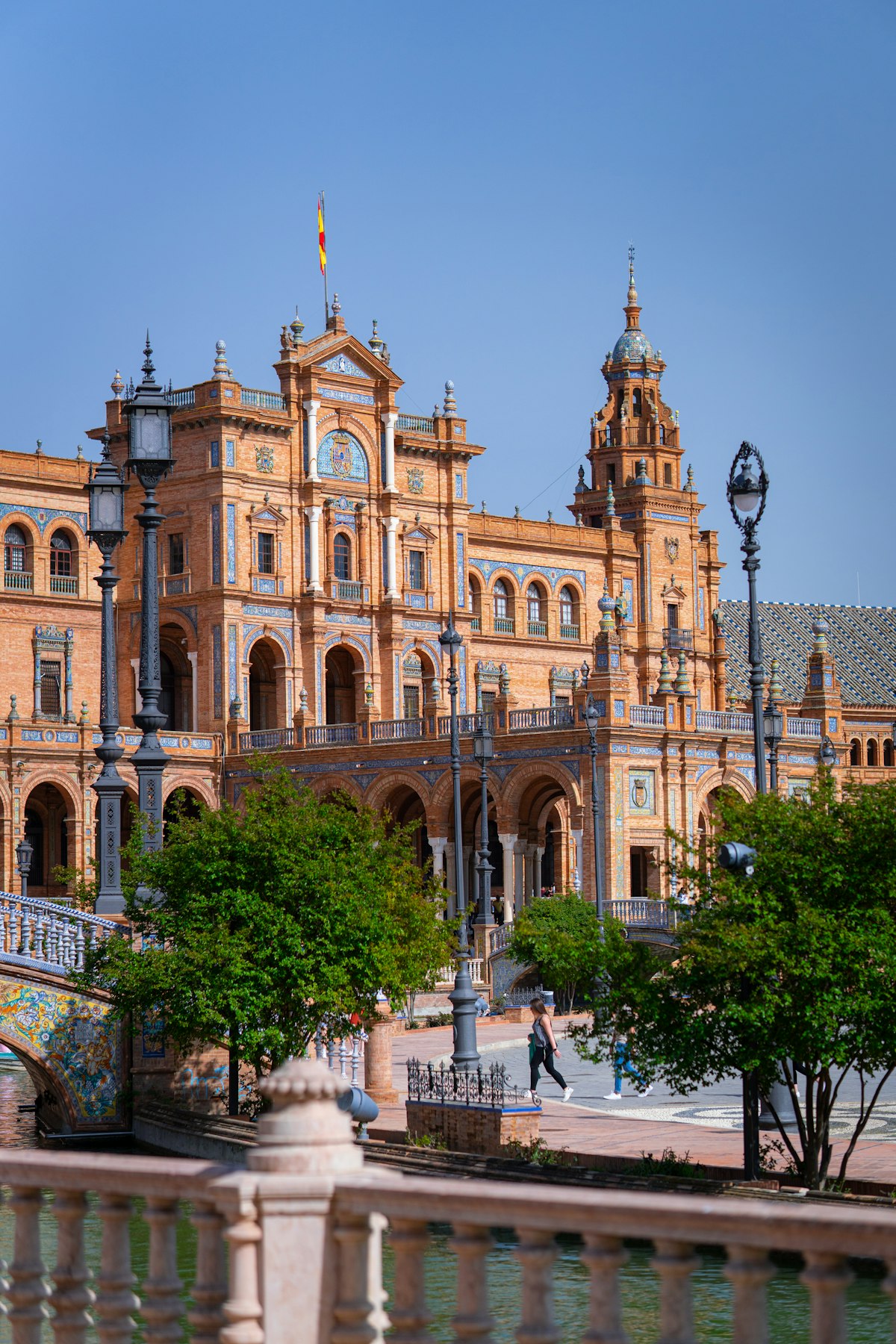
June
#10 of 12 months
Strong option
Hot and dry summer begins — sightseeing moves to mornings and evenings, the city adapts.
- ↑11 hours of sunshine per day: extraordinarily long evenings well suited to the late Spanish dinner culture and the cool-of-evening plaza life
- ↑Virtually no rain: Seville in June is reliably dry, making it dependable for those who need guaranteed sunshine
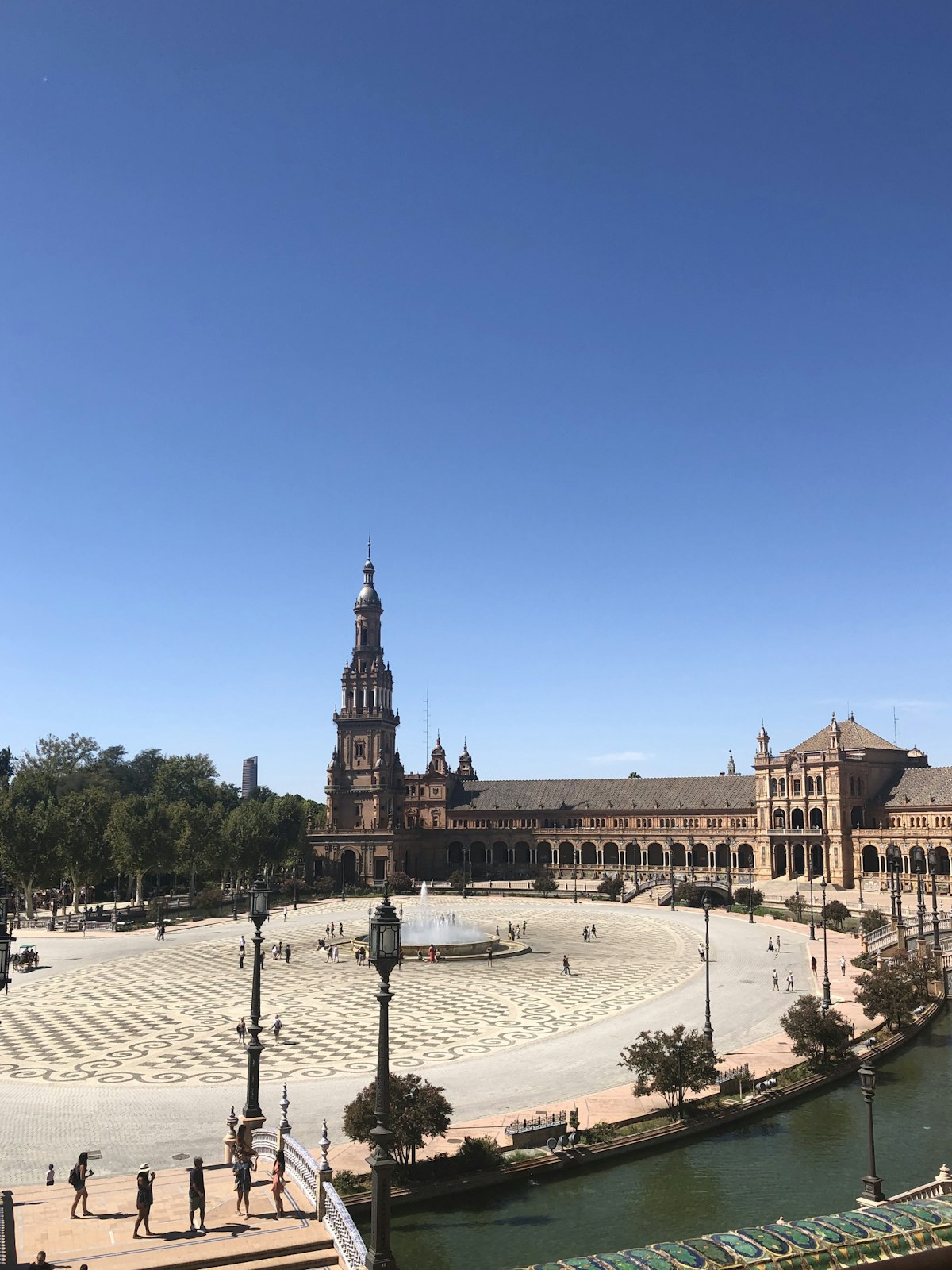
October
#1 of 12 months
Best match
The best month to visit Seville — ideal weather, lower prices, the city back to itself.
- ↑24°C days with low humidity and golden autumn light: the best conditions of the year for walking the old town without heat or winter grey
- ↑Accommodation prices approaching January lows while all sights, restaurants, and cultural life are fully operational
| Factor | June | October |
|---|---|---|
| Weather score | 7 | 9 |
| Value score | 6 | 8 |
| Crowd score | 5 | 7 |
| Events score | 4 | 5 |
| Atmosphere | 7 | 9 |
| Avg high temp | 32°C | 24°C |
| Monthly rain | 15mm | 60mm |
| Daily sunshine | 11hrs | 7hrs |
June trade-offs
- ↓Temperatures reaching 32°C by afternoon: midday sightseeing in the Cathedral or across the Plaza de España is physically demanding
- ↓International summer tourism peaks: the Santa Cruz lanes and Alcázar entrances at their most congested from 10:00 to 18:00
- ↓Locals adapt to the heat by extending siesta hours — some smaller businesses reduce daytime service
October trade-offs
- ↓Some October rain is likely — not the persistent grey of northern Europe, but occasional heavy showers that can last half a day
- ↓Daylight shortening toward 11 hours by month end: late afternoons require earlier dinner planning than in summer
- ↓The Alcázar and Cathedral remain popular; October is not the empty city of January — advance booking still advisable
Scores compare months within Seville. Climate data: Open Meteo ERA5 30-year normals (1991–2020). Methodology →