Seychelles · Month comparison
February vs September
September ranks #1 overall vs February at #7. Transition to calm — trades ease, both coasts begin recovering, and the second sweet spot approaches.
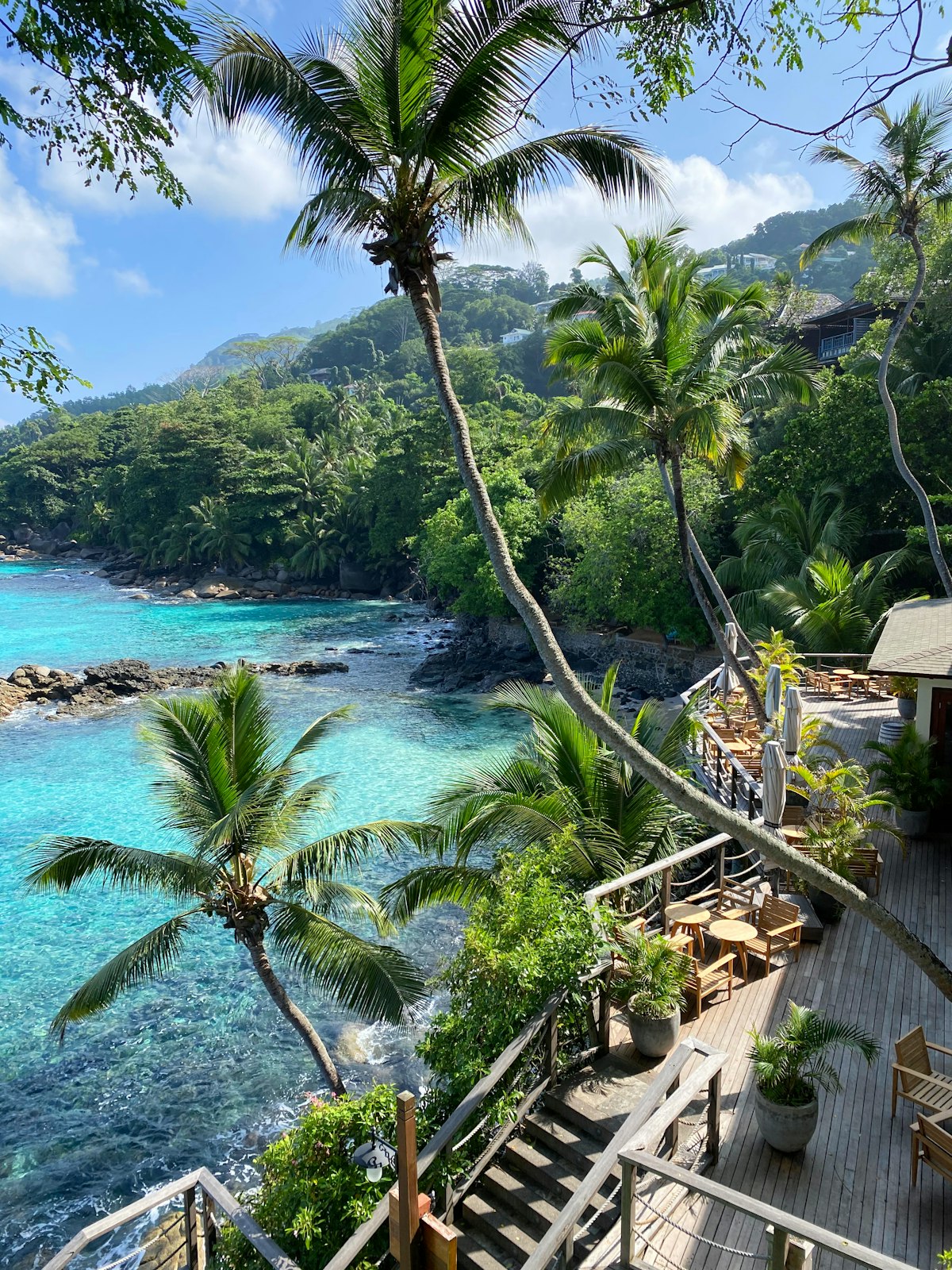
February
#7 of 12 months
Strong option
Monsoon easing — improving sunshine, still warm, and the west coasts at their calmest.
- ↑Rainfall drops significantly from January's 250mm to 185mm in February — sunshine improves to 7.0 hours daily and the monsoon begins its transition toward the calmer conditions of April; February visitors experience the tail of peak season with better weather than January at slightly lower (still high) prices
- ↑February is among the best months for whale shark encounters at the outer banks — the warmest Indian Ocean water temperatures and the nutrient-rich northwest monsoon current bring whale sharks to the feeding grounds accessible from Mahé's south coast and around Desroches Island
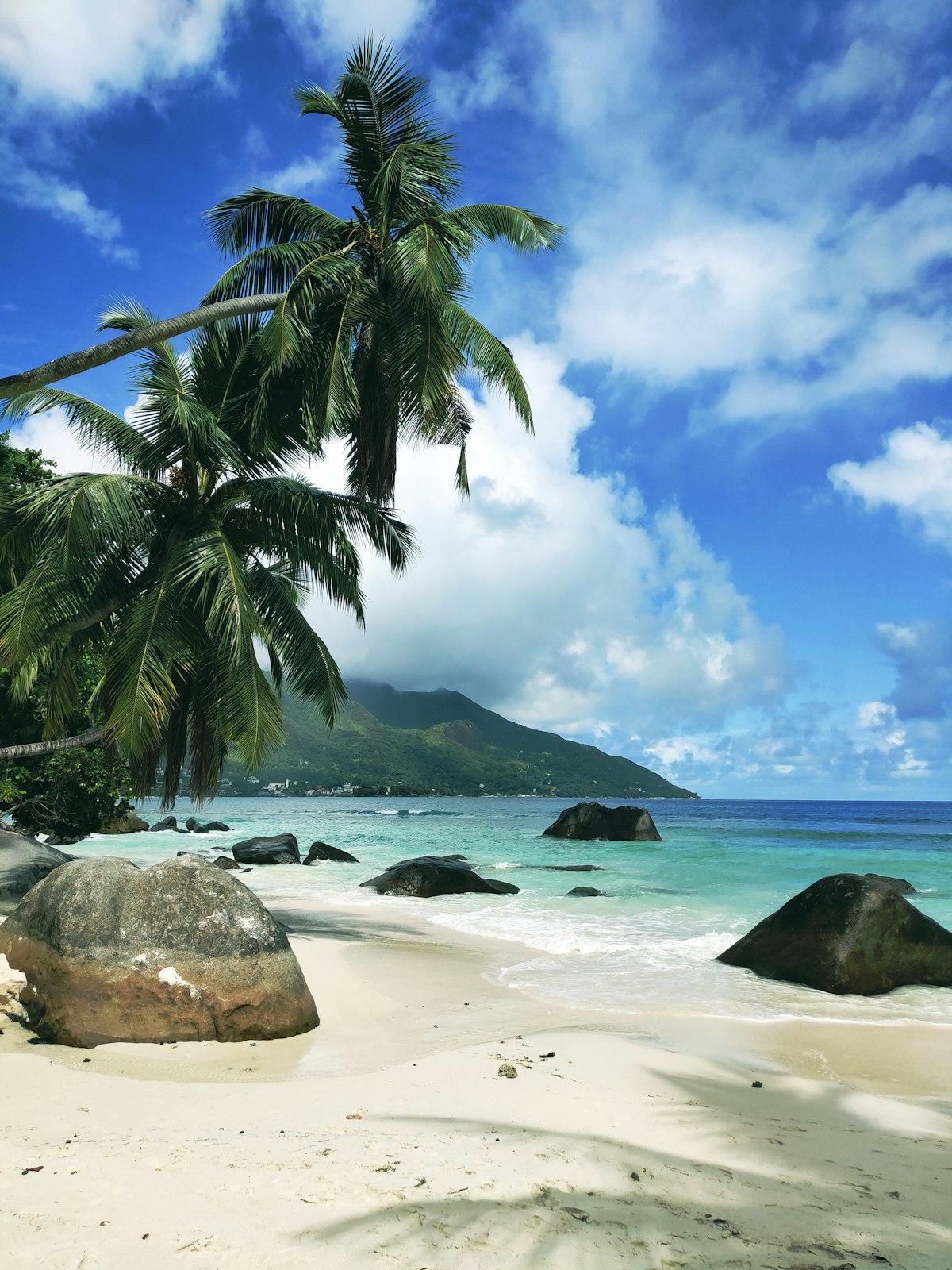
September
#1 of 12 months
Best match
Transition to calm — trades ease, both coasts begin recovering, and the second sweet spot approaches.
- ↑September marks the beginning of the second transitional period: the southeast trades ease, both coasts begin to calm, and by mid-September the west-facing beaches start to recover their sheltered character; visiting in late September catches this transition and accesses both island coasts for the first time since April
- ↑Hawksbill turtle nesting season continues into September: both nesting and hatching can be observed in the same period on Cousin Island, and September is specifically the peak of hatchling emergence — watching dozens of hatchlings navigate from nest to sea on a moonlit beach is among the most moving wildlife moments in the Indian Ocean
| Factor | February | September |
|---|---|---|
| Weather score | 7 | 8 |
| Value score | 4 | 6 |
| Crowd score | 4 | 6 |
| Events score | 5 | 6 |
| Atmosphere | 7 | 8 |
| Avg high temp | 30°C | 27°C |
| Monthly rain | 139mm | 136mm |
| Daily sunshine | 10.3hrs | 10.6hrs |
February trade-offs
- ↓The northwest monsoon's heavy rain continues: 185mm is still heavy, and while the pattern shifts toward shorter, more intense showers rather than sustained rain, February is not a reliably sunny month by any measure
- ↓Valentine's week (February 11–17) creates the most significant accommodation demand spike of the month: top-tier private island resorts book out entirely for Valentine's week months in advance, and the remaining quality options command meaningful premiums
- ↓The eastern coasts of all islands — Anse Intendance and Anse Takamaka on Mahé, Grand Anse on Praslin — are exposed to the northwest monsoon and can see rough swells in January–March; these beaches are best visited in the southeast trade wind season (May–September) when the east coast is sheltered
September trade-offs
- ↓Early September still carries trade wind weather on the west coasts — the transition is gradual, and the first two weeks may see west-coast beaches still rough; the easing happens progressively through the month rather than on a specific date
- ↓September's 88mm of rain is similar to August — the transition between the two seasons doesn't significantly reduce rainfall, and afternoon showers remain part of the daily pattern; the improvement from August is primarily in sunshine hours (7.5 vs 7.0) and wind reduction rather than dryness
- ↓Demand from European autumn half-terms begins building in late September — accommodation in quality properties starts to fill for October, and September late bookings may find the best rooms unavailable
Scores compare months within Seychelles. Climate data: Open Meteo ERA5 30-year normals (1991–2020). Methodology →