Seychelles · Month comparison
January vs September
September ranks #1 overall vs January at #11. Transition to calm — trades ease, both coasts begin recovering, and the second sweet spot approaches.
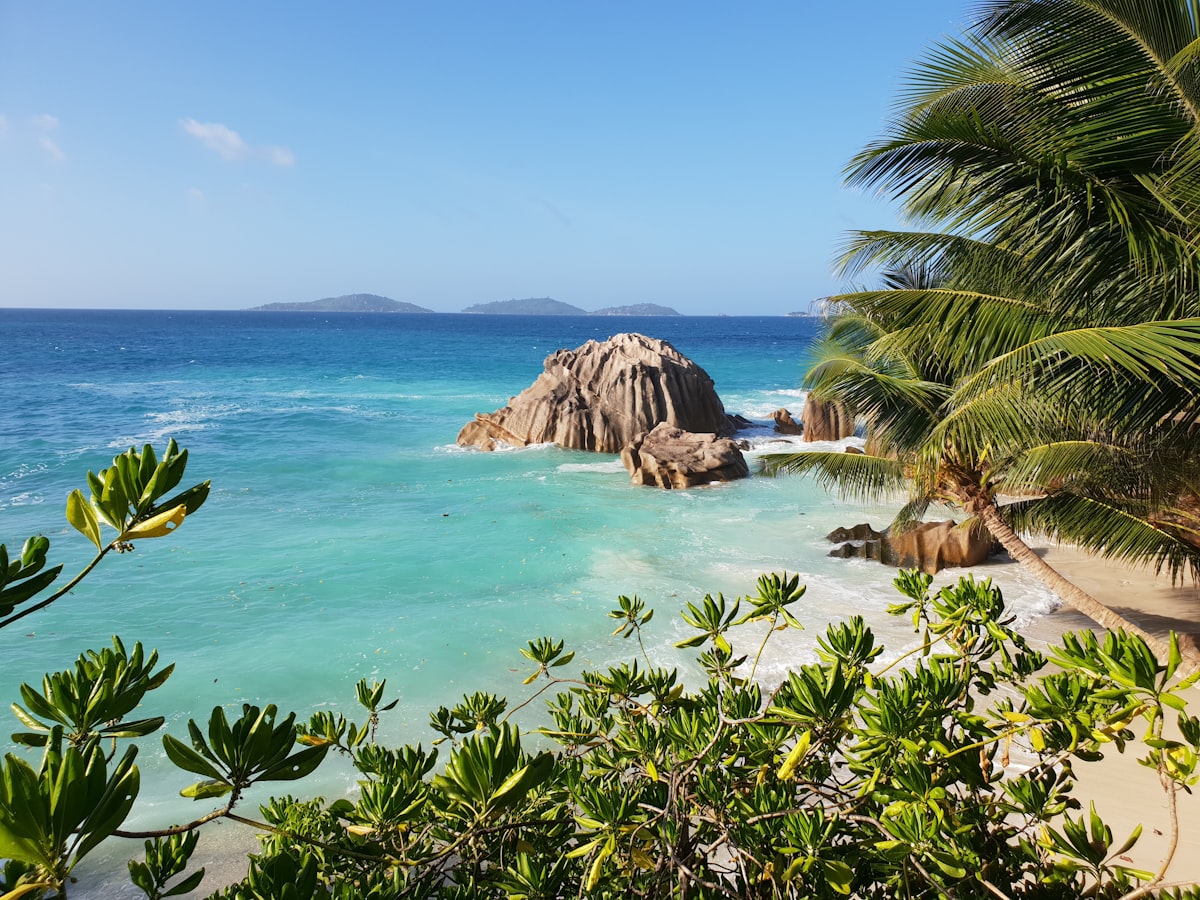
January
#11 of 12 months
Strong option
Northwest monsoon peak — the most expensive month with significant rain, but calm west-coast seas and good snorkelling.
- ↑The northwest monsoon creates calm, protected conditions on the west-facing beaches of all islands: Beau Vallon (Mahé), Anse Lazio (Praslin), and Anse Cocos (La Digue) face west or north-west and are fully sheltered in January — the flat, clear water makes snorkelling and kayaking ideal even in the rainier months
- ↑January is the best month for pelagic fish diving in Seychelles: the NW monsoon brings warm water and nutrients that attract whale sharks, manta rays, and giant trevally to the outer reef systems; the dive sites around Mahé's southern coast and the Sainte Anne Marine Park are accessible despite the rain
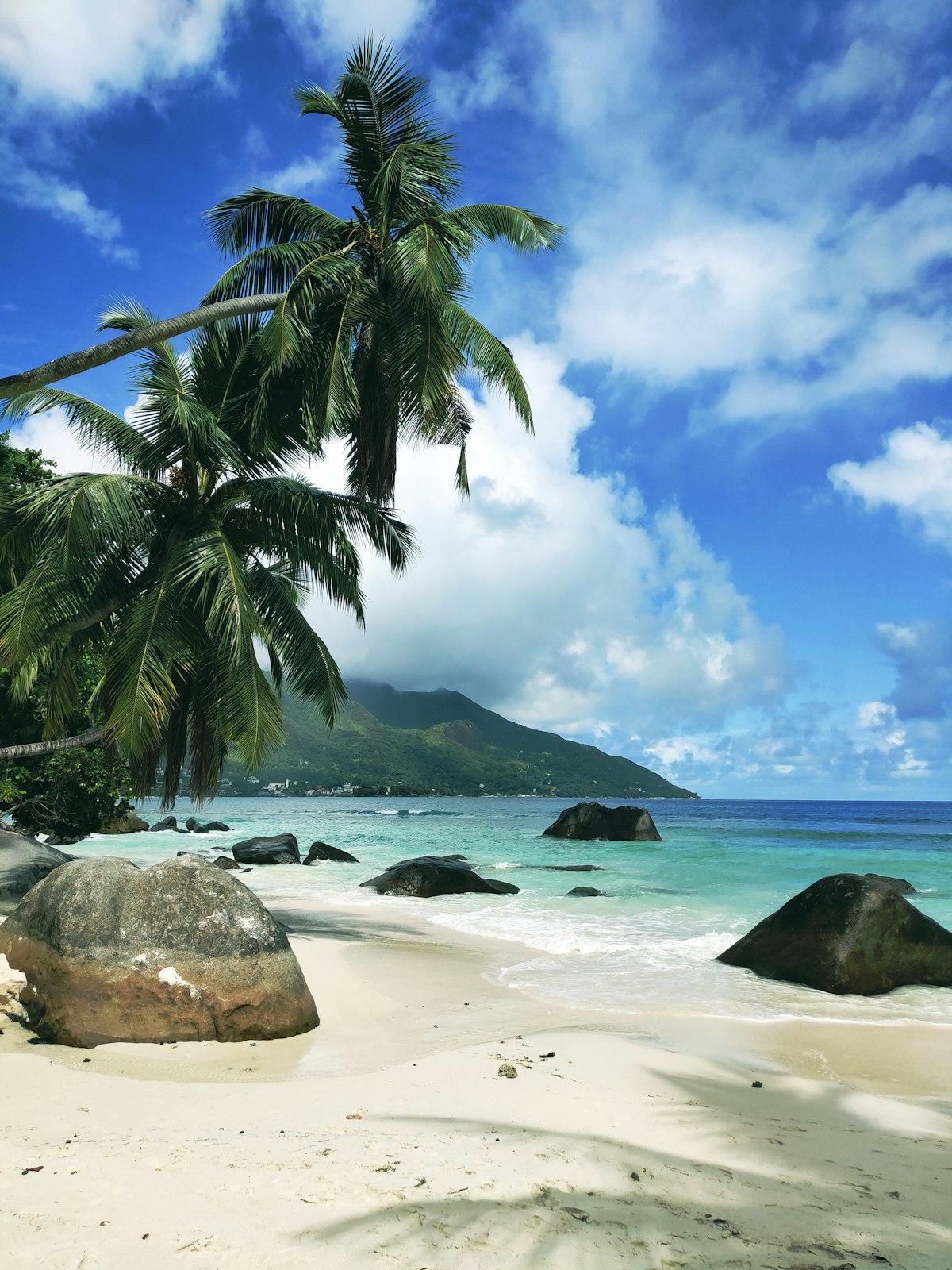
September
#1 of 12 months
Best match
Transition to calm — trades ease, both coasts begin recovering, and the second sweet spot approaches.
- ↑September marks the beginning of the second transitional period: the southeast trades ease, both coasts begin to calm, and by mid-September the west-facing beaches start to recover their sheltered character; visiting in late September catches this transition and accesses both island coasts for the first time since April
- ↑Hawksbill turtle nesting season continues into September: both nesting and hatching can be observed in the same period on Cousin Island, and September is specifically the peak of hatchling emergence — watching dozens of hatchlings navigate from nest to sea on a moonlit beach is among the most moving wildlife moments in the Indian Ocean
| Factor | January | September |
|---|---|---|
| Weather score | 6 | 8 |
| Value score | 3 | 6 |
| Crowd score | 3 | 6 |
| Events score | 5 | 6 |
| Atmosphere | 7 | 8 |
| Avg high temp | 30°C | 27°C |
| Monthly rain | 250mm | 136mm |
| Daily sunshine | 9.9hrs | 10.6hrs |
January trade-offs
- ↓January is the wettest month of the northwest monsoon: 250mm is the highest rainfall of the year, and the showers — while often short — can be intense; extended beach days are possible but require accepting the rain as part of the tropical experience rather than a failure of planning
- ↓Peak season pricing makes January the most expensive month in Seychelles: the luxury resorts on Mahé, Praslin, and the private island retreats are at their annual rate ceiling, and the combination of New Year demand and NW monsoon means the highest prices coincide with the wettest weather — a poor trade for the cost
- ↓Flights from Europe fill quickly for the holiday-into-January period, and the islands are operating at maximum capacity; day-trippers between islands, boat excursions, and popular snorkelling sites are all at their busiest
September trade-offs
- ↓Early September still carries trade wind weather on the west coasts — the transition is gradual, and the first two weeks may see west-coast beaches still rough; the easing happens progressively through the month rather than on a specific date
- ↓September's 88mm of rain is similar to August — the transition between the two seasons doesn't significantly reduce rainfall, and afternoon showers remain part of the daily pattern; the improvement from August is primarily in sunshine hours (7.5 vs 7.0) and wind reduction rather than dryness
- ↓Demand from European autumn half-terms begins building in late September — accommodation in quality properties starts to fill for October, and September late bookings may find the best rooms unavailable
Scores compare months within Seychelles. Climate data: Open Meteo ERA5 30-year normals (1991–2020). Methodology →