Seychelles · Month comparison
July vs April
April ranks #1 overall vs July at #6. The finest month — transitional calm between the monsoons, maximum sunshine, and every beach accessible.
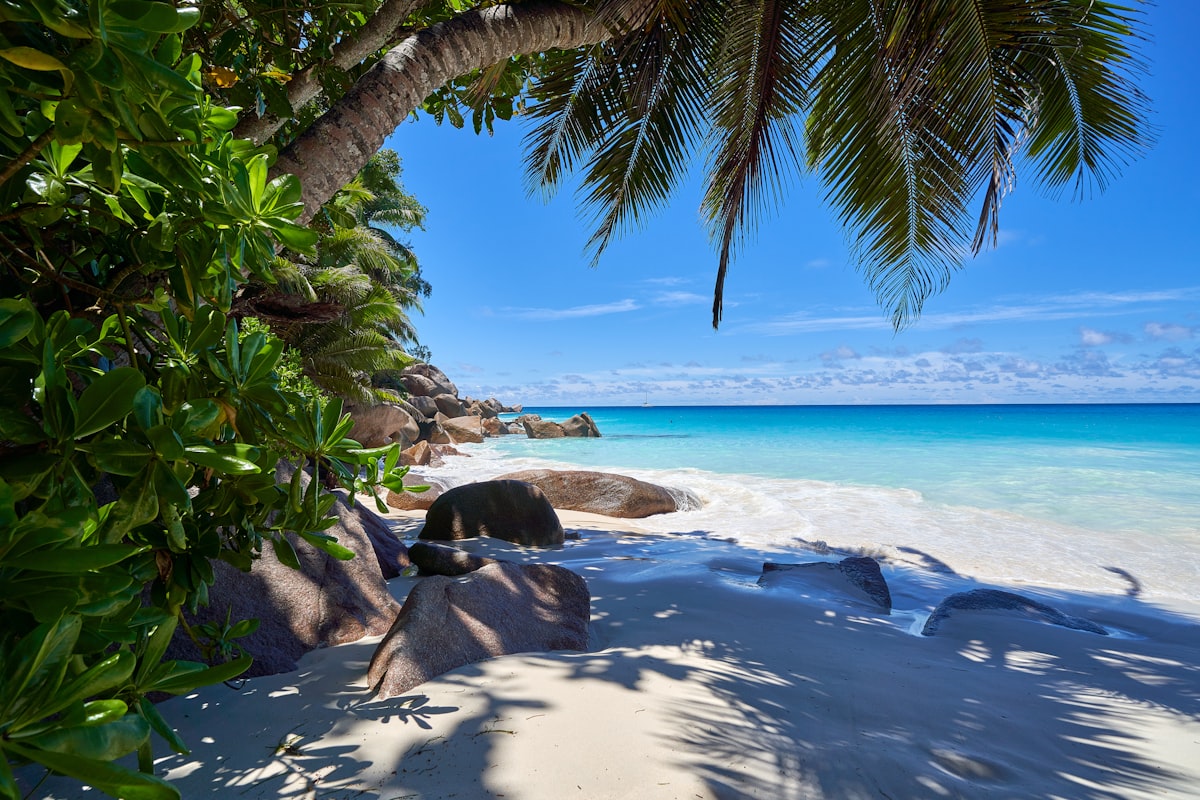
July
#6 of 12 months
Strong option
Windiest month — the east coasts are sheltered and beautiful, the west coasts rough and dramatic.
- ↑The southeast trades peak in July and create the most dramatic conditions of the year on the west coasts — Beau Vallon's surf and the waves breaking against the granite boulders of La Digue's western shore are visually spectacular even if not swimmable; landscape photographers specifically target July for the combination of dramatic swell and the iconic granite rock formations
- ↑Hawksbill turtle nesting season: July–September is the peak of hawksbill turtle nesting on Cousin Island and the remote beaches of some outer atolls; guided night walks with the Seychelles Island Foundation to watch females laying eggs, or dawn walks to see hatchlings emerging, are available through accredited eco-tourism operators
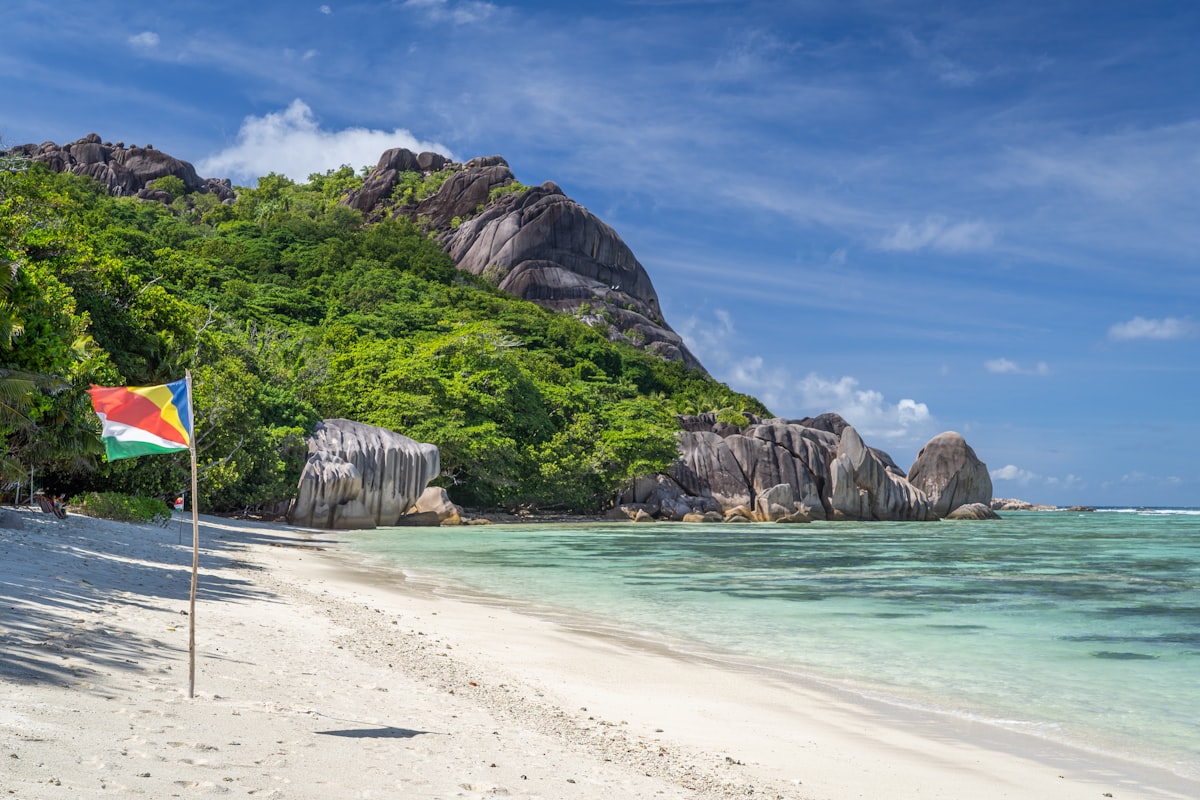
April
#1 of 12 months
Best match
The finest month — transitional calm between the monsoons, maximum sunshine, and every beach accessible.
- ↑April is the first of Seychelles' two perfect months: the northwest monsoon has ended and the southeast trades have not yet established, creating a period of near-complete calm across all island coasts; every beach on every island is accessible — Anse Lazio and Anse Intendance on Praslin, Anse Source d'Argent and Anse Cocos on La Digue, and the full spectrum of Mahé's 60+ beaches are all swimmable in conditions that do not exist at any other time of year
- ↑Water clarity is at its best in April: the absence of monsoon runoff and minimal wind-driven surface chop create the highest underwater visibility of the year — the Sainte Anne Marine Park, the Cousin Island snorkel reef, and the dive sites at Shark Bank and Brissare Rock (accessible from Mahé) offer visibility of 20–30 metres and encounters with hawksbill turtles, nurse sharks, and Napoleon wrasse
| Factor | July | April |
|---|---|---|
| Weather score | 6 | 9 |
| Value score | 7 | 6 |
| Crowd score | 7 | 6 |
| Events score | 5 | 6 |
| Atmosphere | 7 | 9 |
| Avg high temp | 26°C | 30°C |
| Monthly rain | 82mm | 105mm |
| Daily sunshine | 6.5hrs | 8hrs |
July trade-offs
- ↓July is the windiest month of the year: the southeast trades are at their most persistent, and any activity on the west-facing coasts (including the Cat Cocos ferry inter-island route) is affected; the ferry can be cancelled on the most severe swell days, and trips from Mahé to Praslin/La Digue should include a buffer night on departure islands
- ↓Sunshine hours at 6.5 per day are at their annual low — cloud cover driven by the trade winds creates days where direct sunshine is intermittent; beach days are rarely entirely overcast but the Seychelles' famous blue-sky clarity is less common in July than in April
- ↓Water visibility on the west coast snorkel sites is reduced by the trade-wind swell — particles suspended by the wave action reduce clarity on the inner reef systems; east coast sites (Shark Bank, Brissare) remain accessible from Mahé but require an exposed inter-island channel crossing to reach
April trade-offs
- ↓April's outstanding reputation drives demand: the month is the best-known of the two sweet spots and accommodation at top properties requires booking 3–4 months ahead; the combination of school Easter holidays (if April) and perfect weather creates a pricing spike that moves the month from moderate toward expensive in peak years
- ↓April can occasionally see the tail of the northwest monsoon lingering in the first week — some years the transition takes longer, and early April can still see days of rain before the calm fully establishes; mid-to-late April is the most reliably calm window
- ↓The Seychelles national parks (Vallée de Mai, Cousin Island) begin pre-season maintenance and guide reallocation in early April; confirm specific tour availability for the first week
Scores compare months within Seychelles. Climate data: Open Meteo ERA5 30-year normals (1991–2020). Methodology →