Seychelles · Month comparison
July vs September
September ranks #1 overall vs July at #3. Transition to calm — trades ease, both coasts begin recovering, and the second sweet spot approaches.
July
#3 of 12 months
Best match
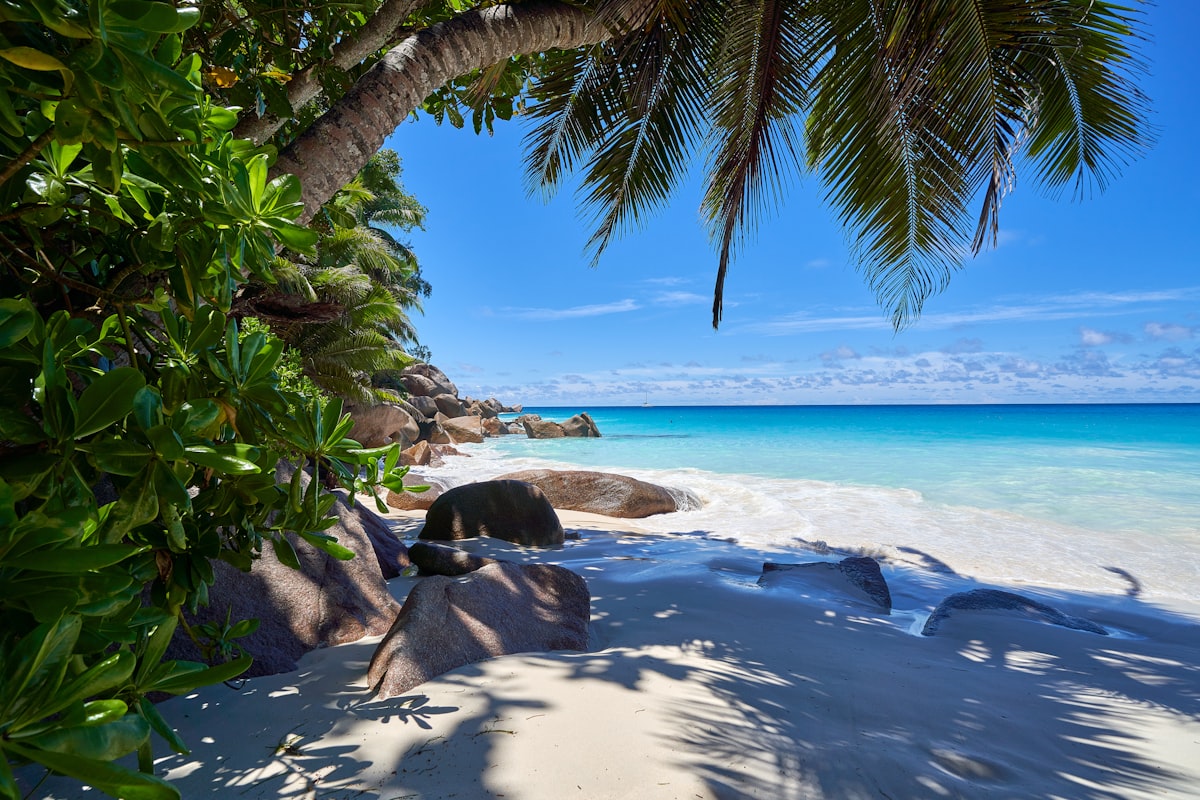
Windiest month — the east coasts are sheltered and beautiful, the west coasts rough and dramatic.
- ↑The southeast trades peak in July and create the most dramatic conditions of the year on the west coasts — Beau Vallon's surf and the waves breaking against the granite boulders of La Digue's western shore are visually spectacular even if not swimmable; landscape photographers specifically target July for the combination of dramatic swell and the iconic granite rock formations
- ↑Hawksbill turtle nesting season: July–September is the peak of hawksbill turtle nesting on Cousin Island and the remote beaches of some outer atolls; guided night walks with the Seychelles Island Foundation to watch females laying eggs, or dawn walks to see hatchlings emerging, are available through accredited eco-tourism operators
September
#1 of 12 months
Best match
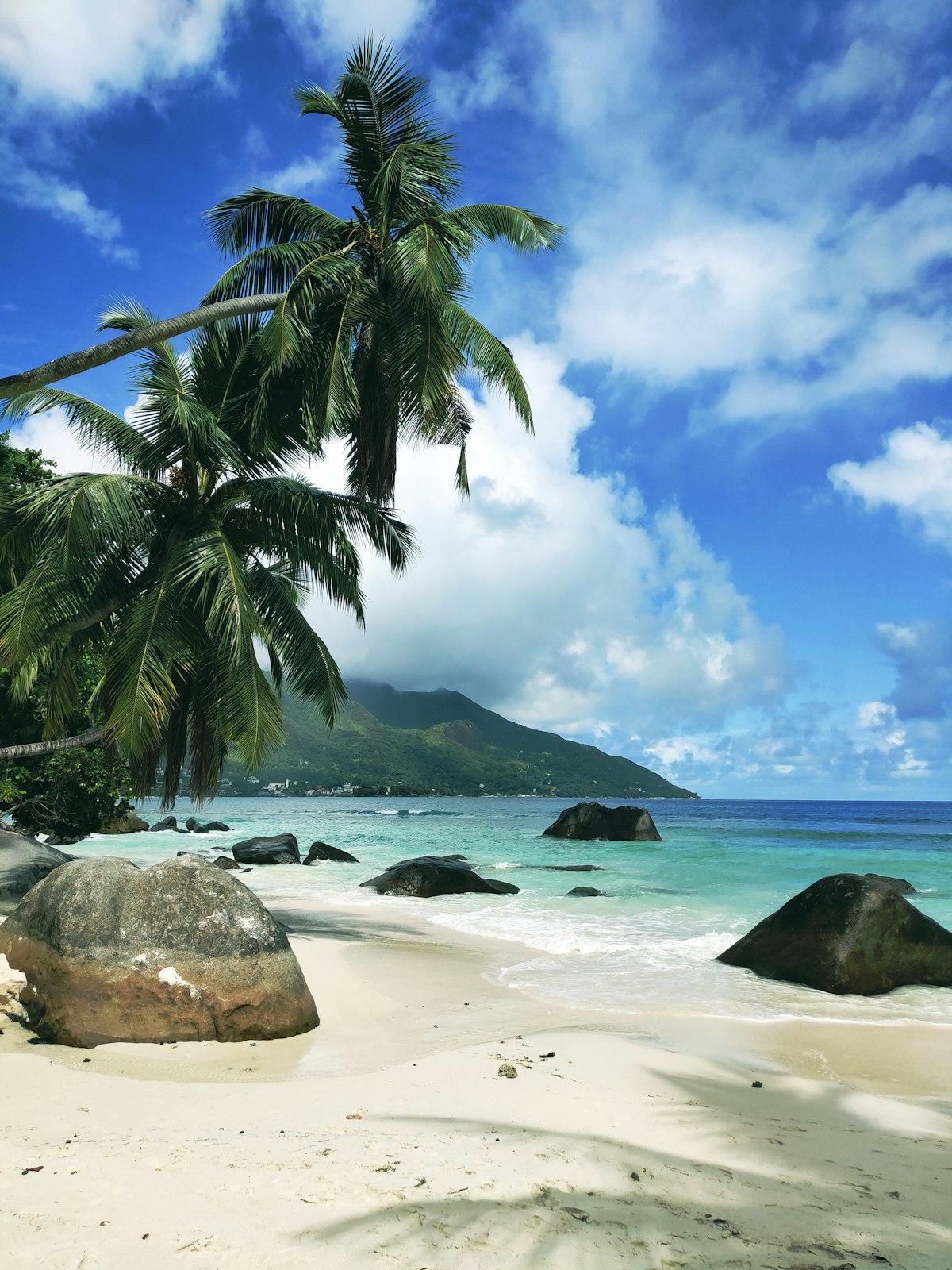
Transition to calm — trades ease, both coasts begin recovering, and the second sweet spot approaches.
- ↑September marks the beginning of the second transitional period: the southeast trades ease, both coasts begin to calm, and by mid-September the west-facing beaches start to recover their sheltered character; visiting in late September catches this transition and accesses both island coasts for the first time since April
- ↑Hawksbill turtle nesting season continues into September: both nesting and hatching can be observed in the same period on Cousin Island, and September is specifically the peak of hatchling emergence — watching dozens of hatchlings navigate from nest to sea on a moonlit beach is among the most moving wildlife moments in the Indian Ocean
| Factor | July | September |
|---|---|---|
| Weather score | 6 | 8 |
| Value score | 7 | 6 |
| Crowd score | 7 | 6 |
| Events score | 5 | 6 |
| Atmosphere | 7 | 8 |
| Avg high temp | 26°C | 27°C |
| Monthly rain | 114mm | 136mm |
| Daily sunshine | 10.1hrs | 10.6hrs |
July trade-offs
- ↓July is the windiest month of the year: the southeast trades are at their most persistent, and any activity on the west-facing coasts (including the Cat Cocos ferry inter-island route) is affected; the ferry can be cancelled on the most severe swell days, and trips from Mahé to Praslin/La Digue should include a buffer night on departure islands
- ↓Sunshine hours at 6.5 per day are at their annual low — cloud cover driven by the trade winds creates days where direct sunshine is intermittent; beach days are rarely entirely overcast but the Seychelles' famous blue-sky clarity is less common in July than in April
- ↓Water visibility on the west coast snorkel sites is reduced by the trade-wind swell — particles suspended by the wave action reduce clarity on the inner reef systems; east coast sites (Shark Bank, Brissare) remain accessible from Mahé but require an exposed inter-island channel crossing to reach
September trade-offs
- ↓Early September still carries trade wind weather on the west coasts — the transition is gradual, and the first two weeks may see west-coast beaches still rough; the easing happens progressively through the month rather than on a specific date
- ↓September's 88mm of rain is similar to August — the transition between the two seasons doesn't significantly reduce rainfall, and afternoon showers remain part of the daily pattern; the improvement from August is primarily in sunshine hours (7.5 vs 7.0) and wind reduction rather than dryness
- ↓Demand from European autumn half-terms begins building in late September — accommodation in quality properties starts to fill for October, and September late bookings may find the best rooms unavailable
Scores compare months within Seychelles. Climate data: Open Meteo ERA5 30-year normals (1991–2020). Methodology →