Seychelles · Month comparison
March vs September
September ranks #1 overall vs March at #5. Transition to calm — trades ease, both coasts begin recovering, and the second sweet spot approaches.
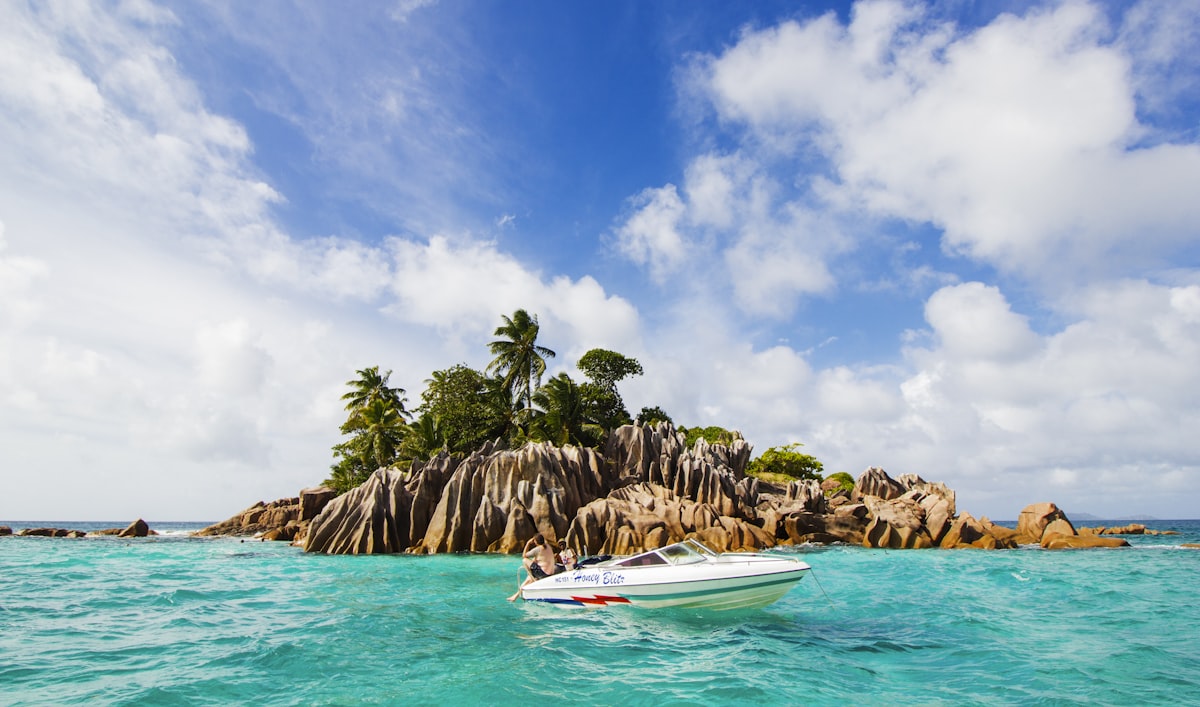
March
#5 of 12 months
Best match
Monsoon continuing to ease — a shoulder month with warm seas, reducing rain, and improving value.
- ↑March continues the gradual transition toward the April–May sweet spot: rainfall is down to 175mm from February's 185mm, and the sunshine hours hold at 7.0 — beach days are more common than in January, and the warm water temperature (around 29°C) is at its Indian Ocean maximum
- ↑The Seychelles Festival Kreol (dates can vary, sometimes March) celebrates Creole culture across the islands — traditional food (grilled job fish, coconut curry), Sega music, craft markets, and cultural events represent the islands at their most authentic; the festival is more attended by islanders than tourists and gives a genuine insight into Seychellois culture
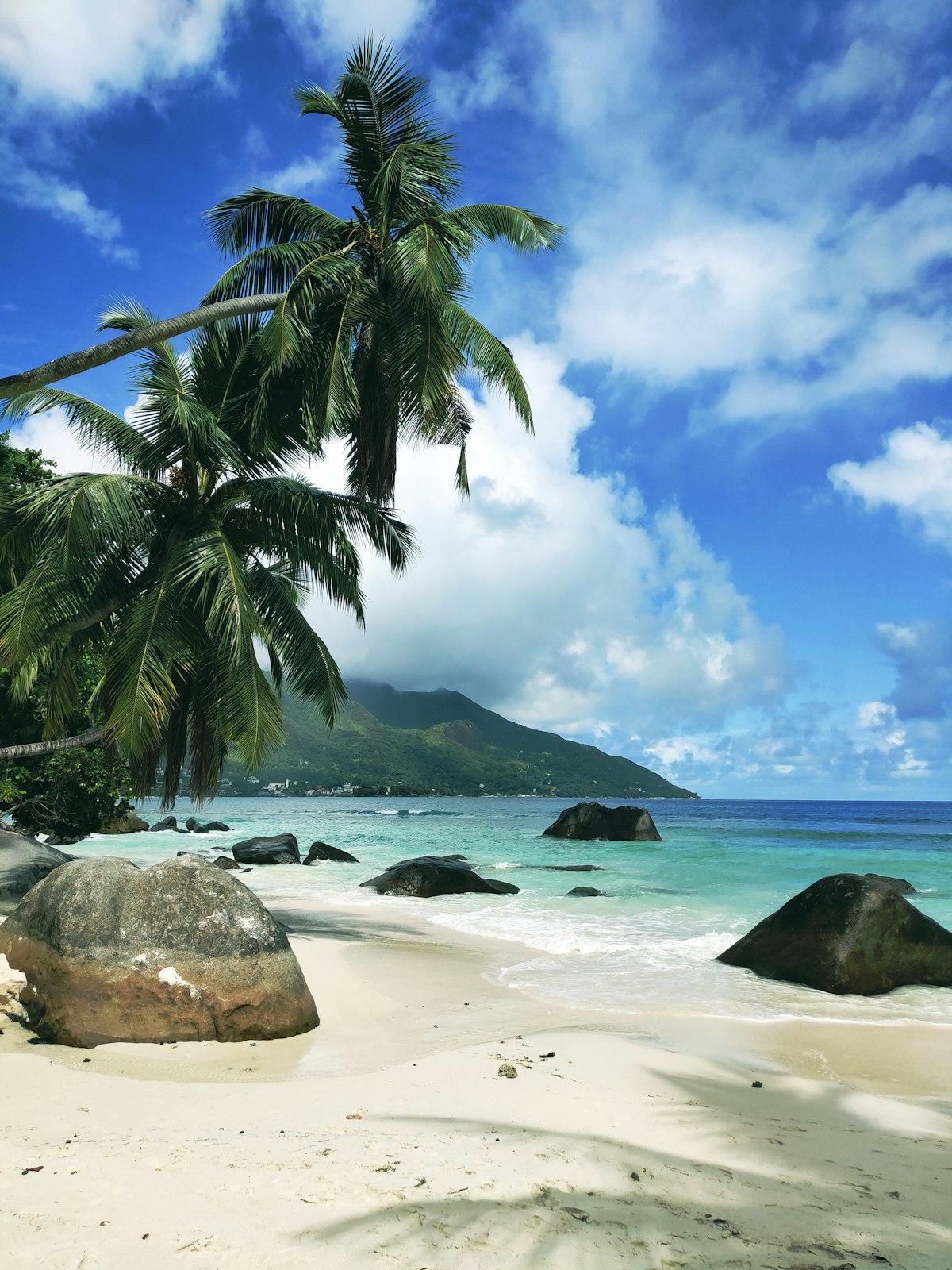
September
#1 of 12 months
Best match
Transition to calm — trades ease, both coasts begin recovering, and the second sweet spot approaches.
- ↑September marks the beginning of the second transitional period: the southeast trades ease, both coasts begin to calm, and by mid-September the west-facing beaches start to recover their sheltered character; visiting in late September catches this transition and accesses both island coasts for the first time since April
- ↑Hawksbill turtle nesting season continues into September: both nesting and hatching can be observed in the same period on Cousin Island, and September is specifically the peak of hatchling emergence — watching dozens of hatchlings navigate from nest to sea on a moonlit beach is among the most moving wildlife moments in the Indian Ocean
| Factor | March | September |
|---|---|---|
| Weather score | 7 | 8 |
| Value score | 5 | 6 |
| Crowd score | 5 | 6 |
| Events score | 5 | 6 |
| Atmosphere | 8 | 8 |
| Avg high temp | 30°C | 27°C |
| Monthly rain | 81mm | 136mm |
| Daily sunshine | 10.9hrs | 10.6hrs |
March trade-offs
- ↓175mm of rain with 78% humidity means March is still a wet month — the northwest monsoon hasn't fully dissipated, and the west-coast protected beaches can experience heavy showers without warning; the lush vegetation that the rains create is beautiful but beach plans need flexibility
- ↓Some dive operations note that March can have reduced visibility on the inner reef sites compared to the calmer April–May window — the rain runoff and surface chop from the monsoon can reduce transparency on snorkel sites near river mouths; outer reef diving is less affected
- ↓Easter week (if in March) creates a demand and pricing spike: European travellers use the school holidays for Indian Ocean escapes and Seychelles accommodation around Easter requires advance booking
September trade-offs
- ↓Early September still carries trade wind weather on the west coasts — the transition is gradual, and the first two weeks may see west-coast beaches still rough; the easing happens progressively through the month rather than on a specific date
- ↓September's 88mm of rain is similar to August — the transition between the two seasons doesn't significantly reduce rainfall, and afternoon showers remain part of the daily pattern; the improvement from August is primarily in sunshine hours (7.5 vs 7.0) and wind reduction rather than dryness
- ↓Demand from European autumn half-terms begins building in late September — accommodation in quality properties starts to fill for October, and September late bookings may find the best rooms unavailable
Scores compare months within Seychelles. Climate data: Open Meteo ERA5 30-year normals (1991–2020). Methodology →