Seychelles · Month comparison
September vs April
April ranks #1 overall vs September at #3. The finest month — transitional calm between the monsoons, maximum sunshine, and every beach accessible.
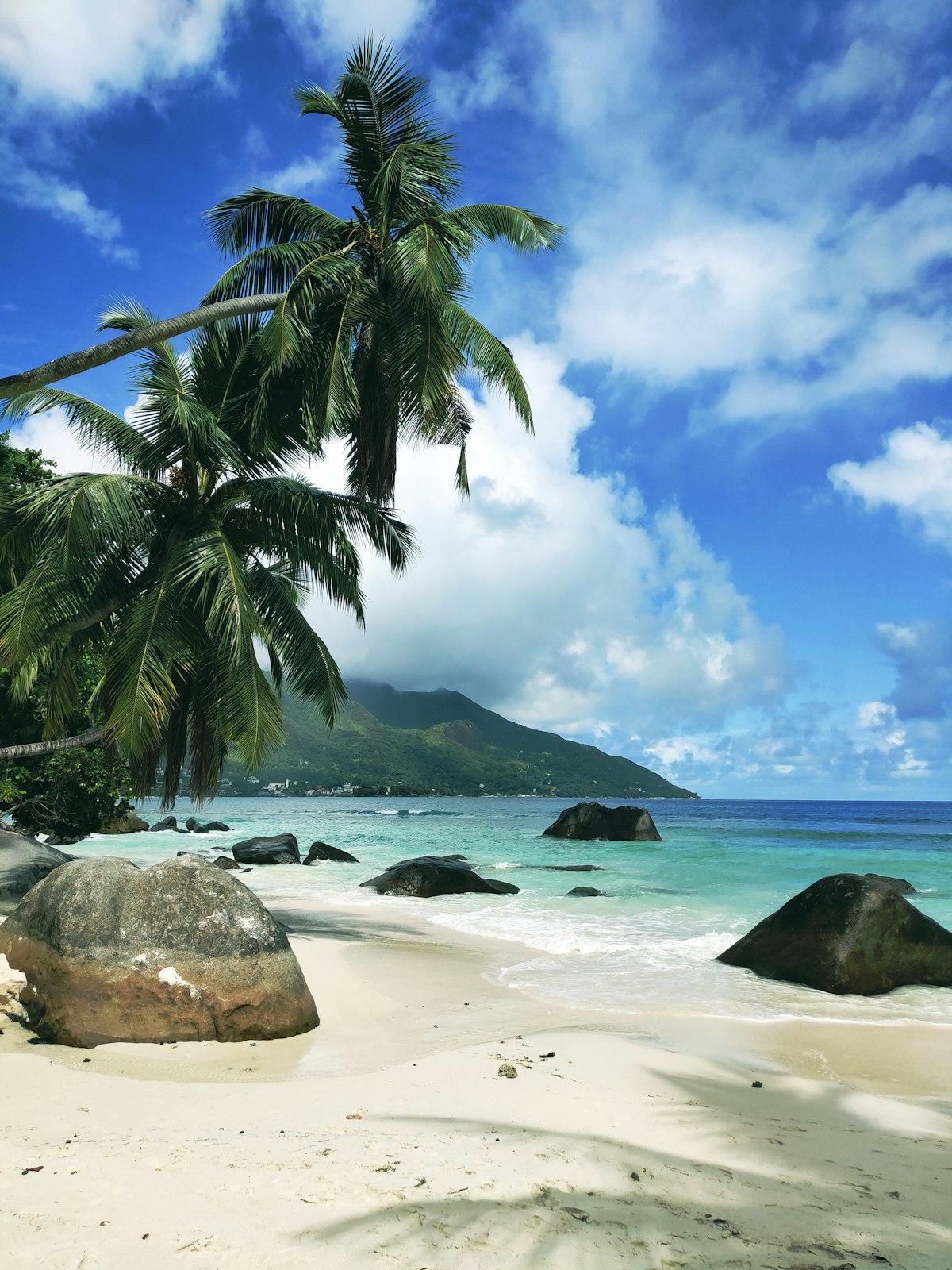
September
#3 of 12 months
Best match
Transition to calm — trades ease, both coasts begin recovering, and the second sweet spot approaches.
- ↑September marks the beginning of the second transitional period: the southeast trades ease, both coasts begin to calm, and by mid-September the west-facing beaches start to recover their sheltered character; visiting in late September catches this transition and accesses both island coasts for the first time since April
- ↑Hawksbill turtle nesting season continues into September: both nesting and hatching can be observed in the same period on Cousin Island, and September is specifically the peak of hatchling emergence — watching dozens of hatchlings navigate from nest to sea on a moonlit beach is among the most moving wildlife moments in the Indian Ocean
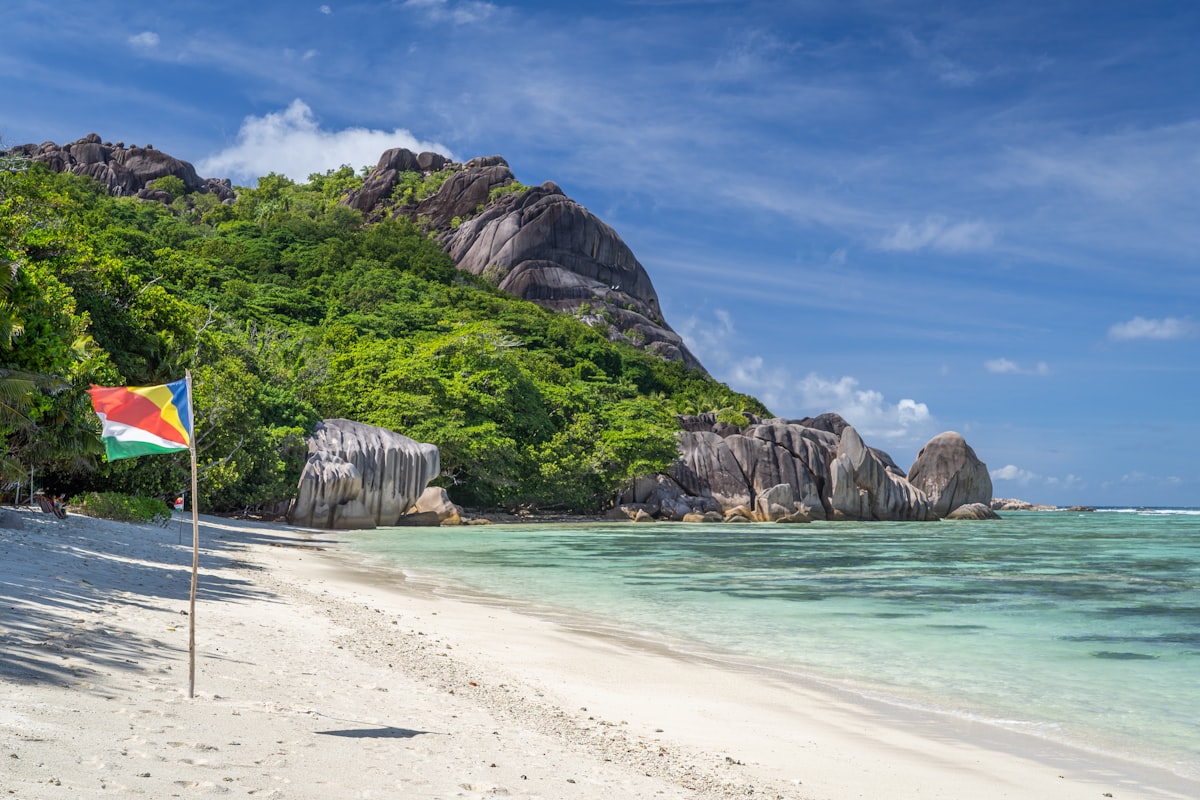
April
#1 of 12 months
Best match
The finest month — transitional calm between the monsoons, maximum sunshine, and every beach accessible.
- ↑April is the first of Seychelles' two perfect months: the northwest monsoon has ended and the southeast trades have not yet established, creating a period of near-complete calm across all island coasts; every beach on every island is accessible — Anse Lazio and Anse Intendance on Praslin, Anse Source d'Argent and Anse Cocos on La Digue, and the full spectrum of Mahé's 60+ beaches are all swimmable in conditions that do not exist at any other time of year
- ↑Water clarity is at its best in April: the absence of monsoon runoff and minimal wind-driven surface chop create the highest underwater visibility of the year — the Sainte Anne Marine Park, the Cousin Island snorkel reef, and the dive sites at Shark Bank and Brissare Rock (accessible from Mahé) offer visibility of 20–30 metres and encounters with hawksbill turtles, nurse sharks, and Napoleon wrasse
| Factor | September | April |
|---|---|---|
| Weather score | 8 | 9 |
| Value score | 6 | 6 |
| Crowd score | 6 | 6 |
| Events score | 6 | 6 |
| Atmosphere | 8 | 9 |
| Avg high temp | 27°C | 30°C |
| Monthly rain | 88mm | 105mm |
| Daily sunshine | 7.5hrs | 8hrs |
September trade-offs
- ↓Early September still carries trade wind weather on the west coasts — the transition is gradual, and the first two weeks may see west-coast beaches still rough; the easing happens progressively through the month rather than on a specific date
- ↓September's 88mm of rain is similar to August — the transition between the two seasons doesn't significantly reduce rainfall, and afternoon showers remain part of the daily pattern; the improvement from August is primarily in sunshine hours (7.5 vs 7.0) and wind reduction rather than dryness
- ↓Demand from European autumn half-terms begins building in late September — accommodation in quality properties starts to fill for October, and September late bookings may find the best rooms unavailable
April trade-offs
- ↓April's outstanding reputation drives demand: the month is the best-known of the two sweet spots and accommodation at top properties requires booking 3–4 months ahead; the combination of school Easter holidays (if April) and perfect weather creates a pricing spike that moves the month from moderate toward expensive in peak years
- ↓April can occasionally see the tail of the northwest monsoon lingering in the first week — some years the transition takes longer, and early April can still see days of rain before the calm fully establishes; mid-to-late April is the most reliably calm window
- ↓The Seychelles national parks (Vallée de Mai, Cousin Island) begin pre-season maintenance and guide reallocation in early April; confirm specific tour availability for the first week
Scores compare months within Seychelles. Climate data: Open Meteo ERA5 30-year normals (1991–2020). Methodology →