Singapore · Month comparison
June vs February
February ranks #1 overall vs June at #6. The inter-monsoon window — noticeably drier and sunnier, and often the best weather month of the year.
June
#6 of 12 months
Strong option
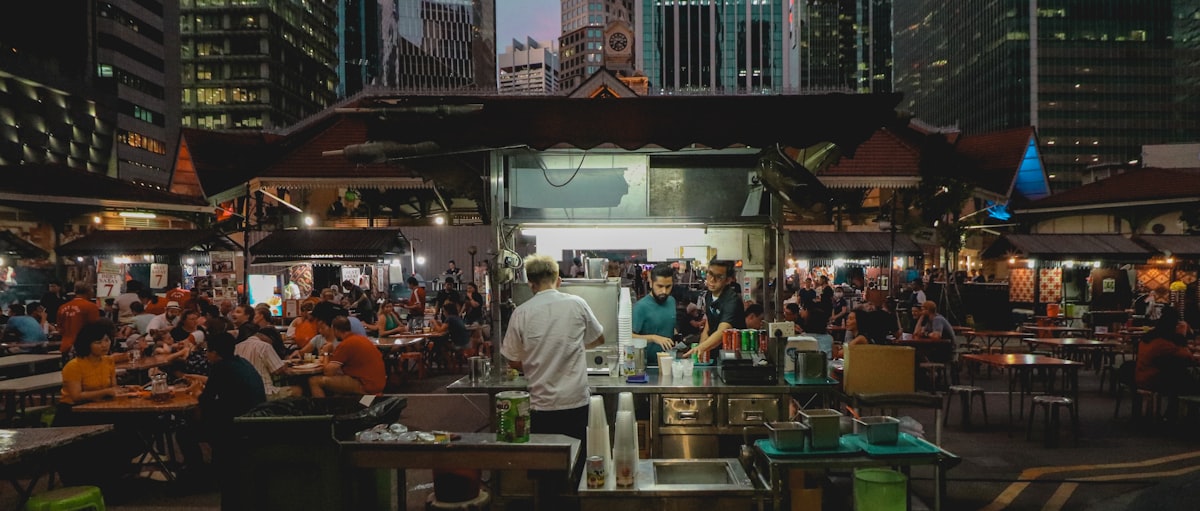
One of the drier, sunnier months — Singapore Food Festival and school holidays fill the city with energy.
- ↑Lowest rainfall of the dry-ish season: 130mm and 7.5 sunshine hours daily — the most reliably outdoor-viable month outside of February
- ↑Singapore Food Festival celebrates the city's extraordinary hawker culture with special events, chef collaborations, and market nights

February
#1 of 12 months
Best match
The inter-monsoon window — noticeably drier and sunnier, and often the best weather month of the year.
- ↑February is statistically the driest and sunniest month in Singapore's calendar — 112mm is modest by local standards, and sunshine hours jump to 7.1 daily
- ↑Chinese New Year (if it falls in February) transforms the city: Chinatown, River Hongbao at Marina Bay, and city-wide celebrations
| Factor | June | February |
|---|---|---|
| Weather score | 7 | 7 |
| Value score | 5 | 6 |
| Crowd score | 4 | 6 |
| Events score | 7 | 8 |
| Atmosphere | 7 | 8 |
| Avg high temp | 32°C | 31°C |
| Monthly rain | 130mm | 112mm |
| Daily sunshine | 7.5hrs | 7.1hrs |
June trade-offs
- ↓School holiday period (June is peak family travel): hotel prices are firmly moderate-to-expensive, and family attractions have genuine queues
- ↓The Great Singapore Sale continues but crowds in malls and on Orchard Road are at their most intense
- ↓Despite being drier, 130mm and afternoon rain remains common — outdoor planning still requires flexibility
February trade-offs
- ↓If Chinese New Year falls in February, hotel demand spikes significantly for the festival week — plan and book early
- ↓Still hot and humid by any non-tropical standard: 31°C with 83% humidity is the baseline regardless of month
- ↓Prices reflect February's reputation as a good month — not the cheapest window
Scores compare months within Singapore. Climate data: Open Meteo ERA5 30-year normals (1991–2020). Methodology →