Valletta · Month comparison
May vs September
September ranks #1 overall vs May at #2. The other golden window: sea still warm, heat easing, prices dropping, crowds manageable again.

May
#2 of 12 months
Best match
The sweet spot: warm enough to swim, nearly zero rain, manageable crowds, and great value before summer pricing kicks in.
- ↑Sea temperature reaches 22°C — genuinely comfortable for swimming, and Comino's Blue Lagoon not yet overwhelmed
- ↑Only 12mm of rainfall all month: reliably sunny days for sightseeing and beach time
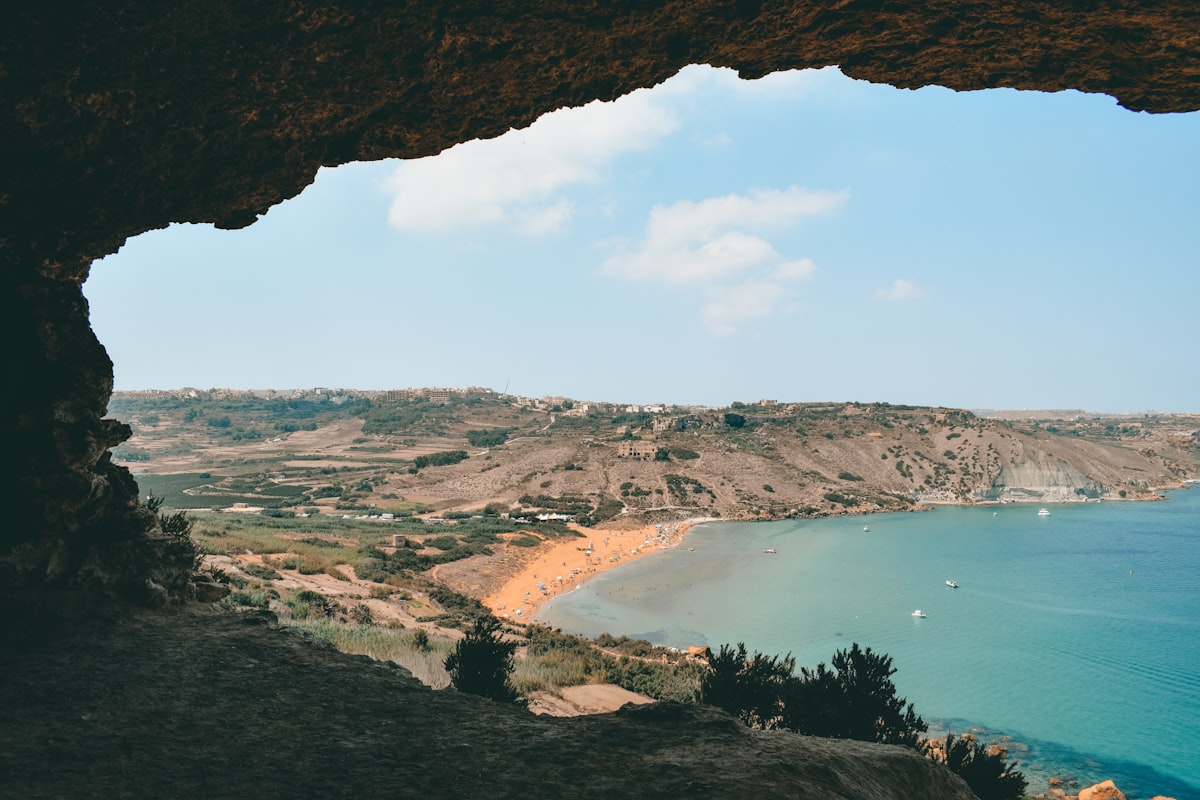
September
#1 of 12 months
Best match
The other golden window: sea still warm, heat easing, prices dropping, crowds manageable again.
- ↑Sea at 25°C — the best swimming month if you want warm water without the summer madness
- ↑Temperatures drop from 32°C to 29°C: warm but no longer punishing, and sightseeing in Valletta becomes pleasant again
| Factor | May | September |
|---|---|---|
| Weather score | 9 | 9 |
| Value score | 6 | 6 |
| Crowd score | 6 | 6 |
| Events score | 5 | 6 |
| Atmosphere | 9 | 9 |
| Avg high temp | 24°C | 29°C |
| Monthly rain | 12mm | 21mm |
| Daily sunshine | 9hrs | 8hrs |
May trade-offs
- ↓Prices rising from spring lows — hotels and flights 15–20% higher than April
- ↓Building tourist numbers on weekends, especially at popular sites and water taxi stops for Comino
- ↓Book accommodation in advance — May availability shrinks quickly as it's increasingly recognised as the best month
September trade-offs
- ↓Still busy early in the month — the first two weeks of September retain much of August's tourist volume
- ↓First light rainfall returns (21mm), though the month is still very dry overall
- ↓Flight prices remain elevated through most of September from Northern European holiday routes
Scores compare months within Valletta. Climate data: Open Meteo ERA5 30-year normals (1991–2020). Methodology →