Valletta · Month comparison
September vs July
September ranks #1 overall vs July at #12. The other golden window: sea still warm, heat easing, prices dropping, crowds manageable again.
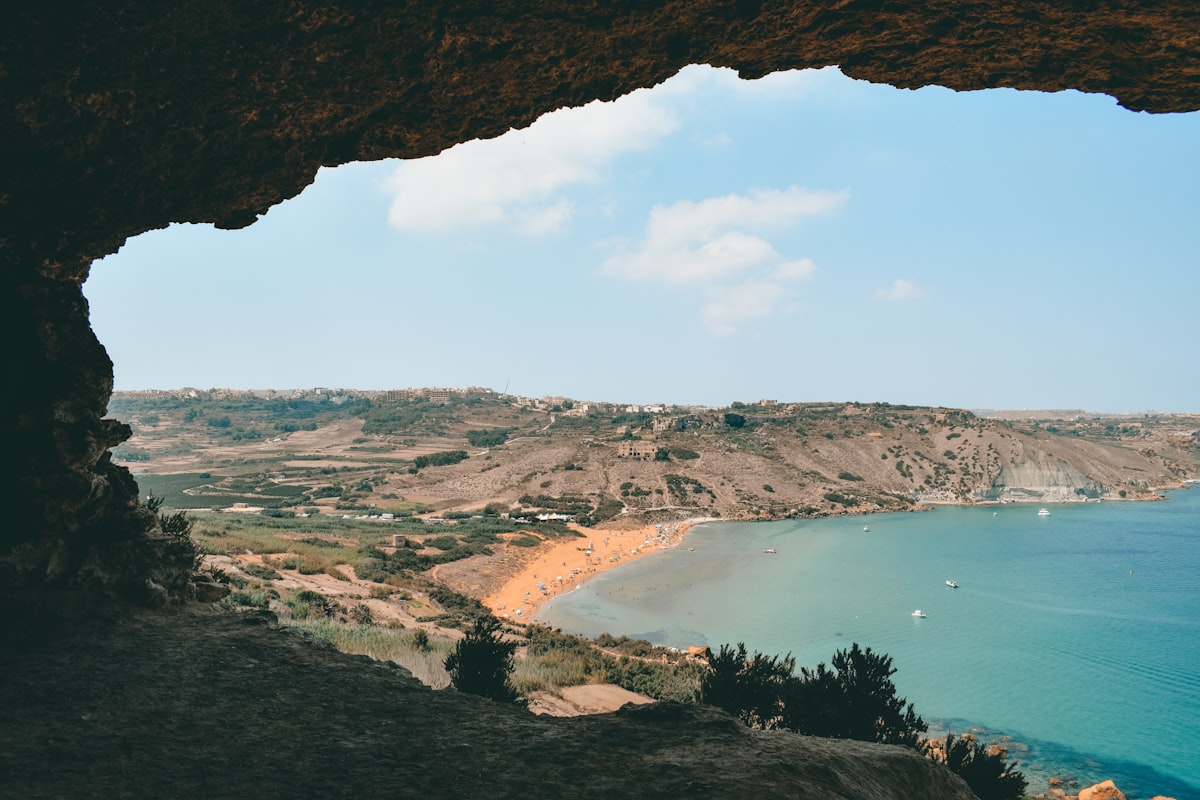
September
#1 of 12 months
Best match
The other golden window: sea still warm, heat easing, prices dropping, crowds manageable again.
- ↑Sea at 25°C — the best swimming month if you want warm water without the summer madness
- ↑Temperatures drop from 32°C to 29°C: warm but no longer punishing, and sightseeing in Valletta becomes pleasant again
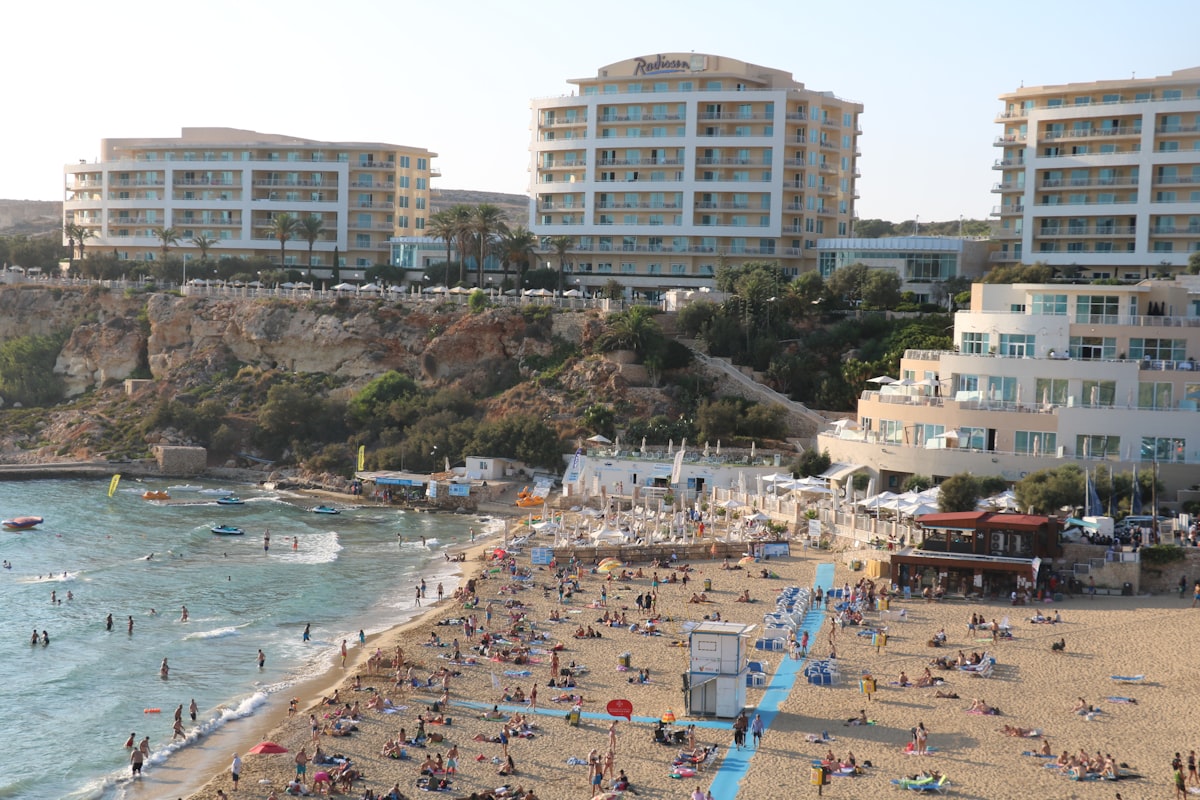
July
#12 of 12 months
Strong option
Peak season: magnificent beach weather, village festas and fireworks — but prices peak and Valletta bakes in 32°C heat.
- ↑Essentially zero rain (1mm all month) and 11 hours of sunshine — the most reliably sunny month of the year
- ↑Village festas with fireworks happen almost every weekend — a vivid, genuinely local tradition unique to Malta
| Factor | September | July |
|---|---|---|
| Weather score | 9 | 7 |
| Value score | 6 | 3 |
| Crowd score | 6 | 2 |
| Events score | 6 | 7 |
| Atmosphere | 9 | 7 |
| Avg high temp | 29°C | 32°C |
| Monthly rain | 21mm | 1mm |
| Daily sunshine | 8hrs | 11hrs |
September trade-offs
- ↓Still busy early in the month — the first two weeks of September retain much of August's tourist volume
- ↓First light rainfall returns (21mm), though the month is still very dry overall
- ↓Flight prices remain elevated through most of September from Northern European holiday routes
July trade-offs
- ↓Accommodation at annual peak prices — premium rates with limited availability unless booked months ahead
- ↓Comino's Blue Lagoon is so overcrowded in July it has become a floating car park of boats
- ↓Valletta's stone streets and Baroque facades trap the midday heat — sightseeing between 11am and 4pm is genuinely punishing
Scores compare months within Valletta. Climate data: Open Meteo ERA5 30-year normals (1991–2020). Methodology →