Vancouver · Month comparison
August vs September
September ranks #1 overall vs August at #6. September is the locals' month — VIFF begins, crowds thin, and the city reclaims itself.
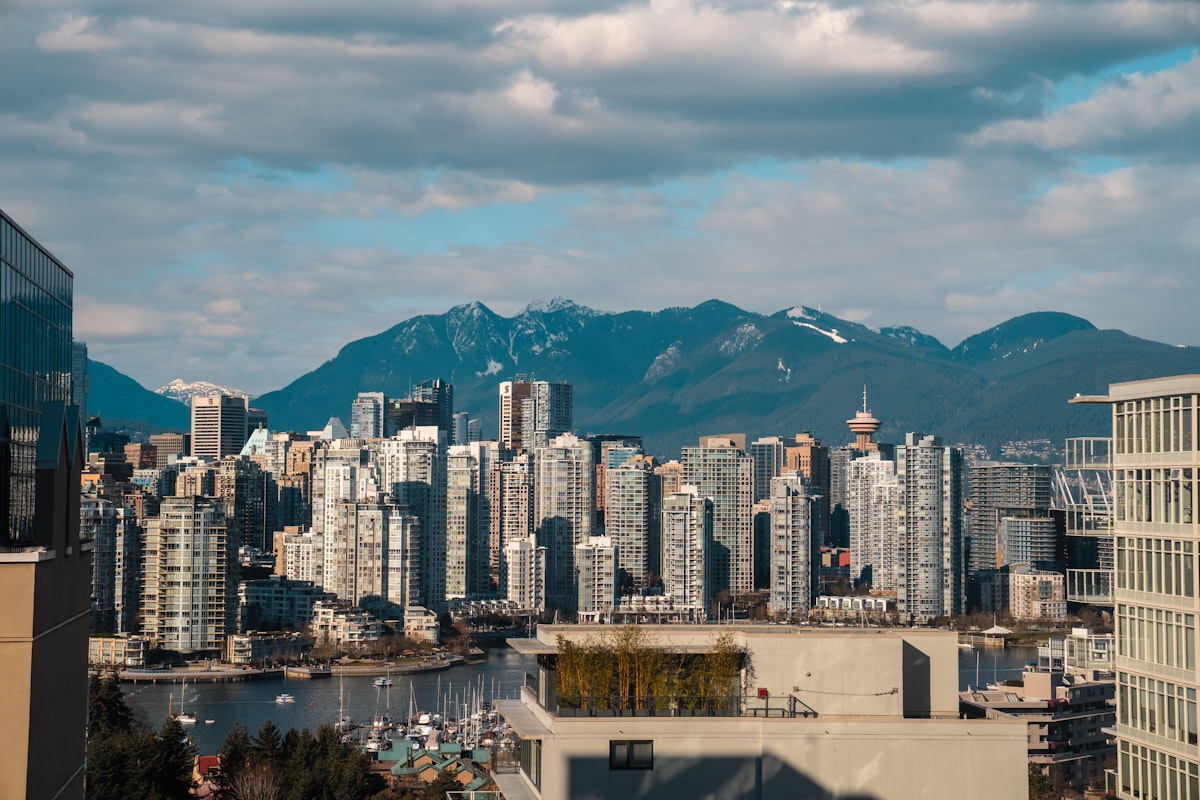
August
#6 of 12 months
Best match
Peak everything — Pride parade, Celebration of Light fireworks, and peak summer prices.
- ↑Vancouver Pride (first weekend of August) is one of Canada's largest — the parade route through the West End draws 650,000+ spectators, and the surrounding week of events encompasses the entire city. The post-parade Sunset Beach party is enormous; the Davie Street festival village operates for the full week. Vancouver's LGBTQ+ community and the city's general culture of inclusion make Pride one of the most welcoming large-scale events in North America.
- ↑The Honda Celebration of Light (usually late July to early August — three consecutive Saturdays) is the world's largest offshore fireworks competition, with pyrotechnics teams from three different countries competing over English Bay. The bay is surrounded by 400,000+ spectators on each night, and the display quality is genuinely elite. Free to attend from English Bay beach, Vanier Park, or the Kitsilano pool waterfront.
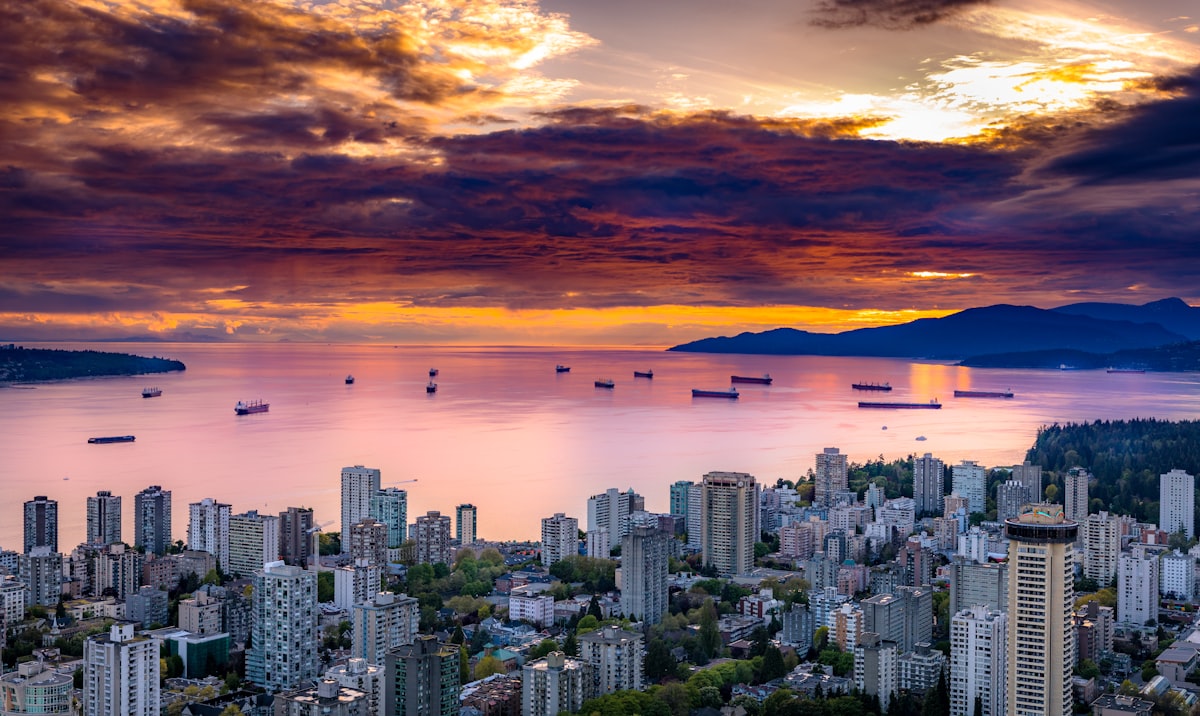
September
#1 of 12 months
Best match
September is the locals' month — VIFF begins, crowds thin, and the city reclaims itself.
- ↑The Vancouver International Film Festival (VIFF, mid-September to early October) is one of the largest film festivals in North America — 300+ films from 70+ countries, multiple theatres across the city, and an industry section that brings filmmakers and distributors to Vancouver in volume. General public tickets are inexpensive (CAD $16 per screening), and the programming is consistently excellent. The festival transforms the cultural energy of the city in a way that the summer tourist economy does not.
- ↑September's 19°C average and 7.5 sunshine hours deliver summer-quality weather at post-summer prices — hotel rates drop 25–35% from August peaks in the weeks after Labour Day. The outdoor infrastructure (hiking, kayaking, cycling) remains fully operational; the North Shore trails are at their most beautiful as the mountain ash and vine maple begin turning colour in late September.
| Factor | August | September |
|---|---|---|
| Weather score | 9 | 8 |
| Value score | 3 | 6 |
| Crowd score | 3 | 6 |
| Events score | 9 | 8 |
| Atmosphere | 9 | 8 |
| Avg high temp | 23.3°C | 19.2°C |
| Monthly rain | 38mm | 68mm |
| Daily sunshine | 9.3hrs | 7.5hrs |
August trade-offs
- ↓August is definitively Vancouver's peak tourism month, and prices reach their annual maximum. The combination of domestic summer travel, US visitors, and international summer tourism keeps every accommodation category at ceiling pricing. Last-minute August bookings in central Vancouver are both expensive and difficult to find.
- ↓Celebration of Light nights cause significant transportation disruption — the downtown core and West End are effectively gridlocked before and after each fireworks display, and Translink suspends normal operations for special event service. Planning arrival and departure around the displays is essential for those staying in affected neighbourhoods.
- ↓The wildfire smoke that affects British Columbia in late summer can periodically reduce Vancouver's air quality significantly — in bad wildfire years (increasingly common), the mountain views disappear behind a grey-orange haze and outdoor activity recommendations from health authorities are issued.
September trade-offs
- ↓September rainfall increases from August's 38mm to 68mm as the Pacific weather patterns begin reasserting themselves. The transition can be abrupt — week-long sunny spells in September give way to Atlantic fronts that deliver 2–3 consecutive grey days as the month progresses.
- ↓VIFF creates localized demand in the Granville Street cinema corridor and downtown — accommodation prices during the peak festival weekend are higher than surrounding weeks, and popular screenings sell out.
Scores compare months within Vancouver. Climate data: Open Meteo ERA5 30-year normals (1991–2020). Methodology →